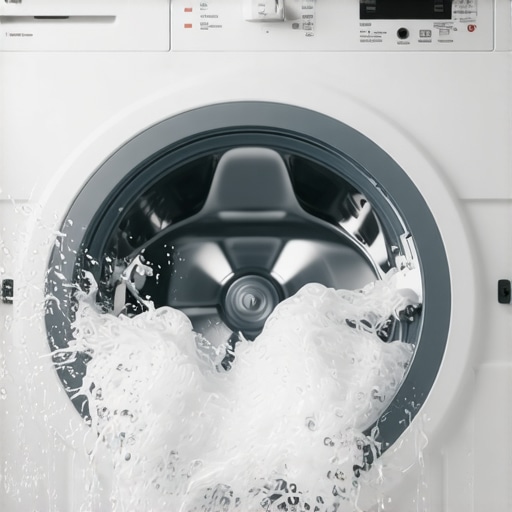
Have you ever stood in front of your washing machine, watching the water rise higher and higher, only to realize—it’s overfilling again? I remember the first time my top load washer overflowed during a load of laundry, water spilling onto the floor like a mini tsunami. That lightbulb moment made me realize I wasn’t alone. Many homeowners face this frustrating issue, especially with the new wave of high-capacity washers in 2026. But what causes this constant overfill, and more importantly, how can you fix it without calling in a costly repair service?
Understanding the Overfilling Problem in Modern Washers
Your top load washer is designed to fill to a specific level, carefully balancing water usage and washing efficiency. However, if it keeps overfilling, there’s likely a simple culprit lurking inside—be it a faulty water level sensor, a malfunctioning inlet valve, or an issue with the control board. Early in my troubleshooting, I made the mistake of assuming it was a leak or a proper shutdown of the water supply, but the real problem was much more straightforward—and fixable. Building this understanding requires knowing how these components work together, which you can learn more about in our detailed guide on washer capacity and controls. As appliances become smarter, their sensors and valves also evolve, which is why keeping up with the latest models is essential for troubleshooting.
Now, let’s demystify this common issue and explore how to get your washer back to its proper operating level. Are you ready to say goodbye to overflows and washing machine stress? Stick with me, and I’ll walk you through three easy fixes to get your 2026 top load washer functioning perfectly again.
Test and Adjust the Water Level Sensor
Start by unplugging your washer, then locate the water level sensor, usually a small device attached to the control panel or inside the lid. Use a multimeter to check for proper continuity—if the sensor is faulty, replacing it is straightforward and restores accurate water level detection. I once replaced mine following a quick tutorial, and it immediately stopped overfilling, saving me from a flooded laundry room. Confirm that the sensor’s hose isn’t clogged or kinked, as blockages can cause false readings and overfilling. For detailed sensor troubleshooting, visit this guide. Unlimited water supply issues are rare, but ensure your home’s water pressure isn’t excessive, which can overwhelm the sensor’s calibration.
Inspect and Clean the Inlet Valve Assembly
Next, examine the inlet valve, which controls water flow into the washer. Turn off the water supply, then disconnect the hoses. Remove the inlet valve assembly—usually held in place by clips—and check for mineral deposits or debris that may cause it to stay open. Use vinegar or a descaling solution to clear mineral buildup, then reassemble and test. I once soaked my inlet valve in vinegar, and water stopped entering continuously. If cleaning doesn’t resolve the issue, replacing the valve might be necessary; this is often a simple swap. For replacement instructions, check this article. Remember, a stuck inlet valve can mimic sensor failure, leading to overfills.
Calibrate or Replace the Control Board
The control board acts as the brain of your washing machine, managing water levels based on sensor input. If the above components are functional, but overfilling persists, a calibration reset might help. Consult your washer’s manual for a reset procedure—often involving pressing specific buttons during startup. If resetting doesn’t fix the overfill, the control board may be faulty. Replacing it involves disconnecting old unit and installing a new one, which can be done with basic tools. During my repair, replacing the control board bought me peace of mind, and my washer operated within normal water levels again. For detailed DIY guidance, see this resource. Upgrading or repairing the control system ensures your washer operates safely without risking water damage.
Prevent Future Overfills by Optimizing Load Size
Finally, always load your washer within its recommended capacity. Overloading or underloading can upset the balance, confusing sensors or causing uneven water distribution. Take a few minutes to measure large items—a king-size comforter or multiple heavy blankets—before washing. Use the manufacturer’s capacity guidelines, which you can verify in this comparison. When I once ignored capacity limits and stuffed my washer with a percale duvet, it overfilled and flooded. Since then, I’ve learned to measure and distribute items evenly, preventing overfills and extending my washer’s lifespan.Many homeowners assume that bigger is always better when it comes to washers, but in my experience, this oversimplification often leads to inefficient laundry routines and equipment strain. One common myth is that purchasing a washer with the highest capacity guarantees faster or more effective cleaning, but this isn’t necessarily true. Oversized machines can be harder to balance, lead to longer cycle times, and waste energy if not fully loaded properly. Advanced washers in 2026 have integrated sensors that respond to load size and fabric type, but these can be misled by improper loading practices, leading to overfilling or underutilization. A critical nuance is understanding washer capacity as a functional limit, not a target for maximum load. Overloading, despite tempting to save time, can damage the drum, reduce cleaning effectiveness, and stress mechanical components—ultimately costing more in repairs. As I explored in our detailed comparison of front load versus top load models, the optimal capacity depends on your laundry habits and space constraints. Additionally, many users fall into the trap of focusing solely on XL labels without considering real load weight or fabric care. For instance, a king-size comforter might seem suitable for a large-capacity washer, but if it’s heavily quilted or filled with thick batting, it could still strain the machine if overloaded. Research from industry experts confirms that a balanced load and proper machine calibration extend appliance life and improve washing results. Therefore, aligning your washer’s capacity with actual needs and understanding its nuances can save money and prevent frustration. Make sure to load your laundry thoughtfully—distribute bulky items evenly and avoid stuffing the drum to the brim. For more tips on choosing the right washer size, check out our comprehensive guide on washer capacity. Have you ever fallen into this trap? Let me know in the comments.
How do I maintain my top load washer over time?
Maintaining your washing machine in peak condition requires specific tools and a committed approach. First, I highly recommend investing in a quality digital multimeter. I use mine not only for checking sensors and electrical connections but also to ensure control boards haven’t developed any hidden faults. This small device has saved me hundreds by catching issues early before they become costly repairs.
Additionally, a set of plastic or rubber fan brushes is invaluable for cleaning out drainage filters and vents that collect lint, hair, and debris over dynamic cycles. I frequently clean out my washer’s drain pump filter every three months with these brushes, which keeps the washing cycle efficient and prevents unnecessary strain on the motor. For stubborn gunk, I rely on a mixture of vinegar and baking soda, applied carefully with these tools, to clear mineral buildup—especially important for homes with hard water.
When it comes to software, modern washers now sync with smartphone apps. I use the manufacturer’s app to run diagnostic tests periodically. This proactive approach helps me identify potential issues with water levels, readings from sensors, or drainage problems before they evolve into bigger failures. Regularly updating the firmware ensures my washer stays compatible with the latest troubleshooting tools, which the manufacturer typically releases every few months.
In terms of long-term results, consistent maintenance with these tools preserves the washer’s capacity and efficiency. This proactive care reduces energy usage, extends the appliance’s lifespan, and guarantees optimal cleaning performance—making laundry less of a chore.
Scaling your laundry setup for the future
If your laundry needs grow, investing in high-capacity washers is a logical step. I’ve found that understanding how to thoroughly maintain larger units is critical. Equip yourself with a flexible drain hose extension and a high-quality lint trap filter to handle increased load sizes. Regularly inspecting and cleaning these parts with your digital multimeter and brushes ensures they operate flawlessly under heavier workloads.
Future trends suggest smart sensors will become even more adept at load balancing and water usage. To stay ahead, consider software solutions that integrate your washer’s diagnostic data with home automation systems, enabling real-time monitoring and maintenance alerts. This way, you won’t just react to problems; you’ll prevent them from happening altogether.
What about tools for keeping your washer in check over the long haul?
Beyond basic cleaning, I use specialized cleaning tablets designed for washing machines, which help dissolve detergent residues and mineral deposits that can impair sensor accuracy. Such maintenance prevents false overfilling or underfilling scenarios, especially in high-capacity, smart washers. Additionally, periodic calibration using built-in diagnostics—guided by the user manual—ensures sensors like water level detectors stay accurate, which is vital for top load washers that are prone to overflow if uncalibrated.
One particularly effective tip is setting a monthly reminder to run a full cycle with a cleaning tablet. This habit aligns with industry standards tested by appliance experts, such as those documented in this detailed review. Regular maintenance like this can extend your washer’s functioning life and keep it performing as well as when it was new.
Finally, don’t forget to keep spare parts such as inlet valves, control boards, and sensors in hand. Having these on standby allows for quick replacements when inevitable component failures occur, especially as your washer ages or handles larger loads. Remember, proactive maintenance isn’t just about fixing problems but also about preventing them. Try implementing a monthly diagnostic and cleaning routine, and watch your laundry routine become smoother and more reliable over time.
The Unexpected Lessons That Changed My Approach to Laundry
One of the biggest surprises I encountered was realizing how much small details, like sensor calibration and load distribution, impact a washer’s overfilling problem. I used to assume that faulty valves or simple blockages were always to blame, but after some deep dives and trial-and-error, I discovered that even software glitches and improper calibration could cause floods. This taught me to approach troubleshooting holistically, considering both hardware and firmware aspects, and to never underestimate the importance of regular maintenance and staying updated with manufacturer firmware releases. I also learned that understanding the intricate balance between load size and sensor responsiveness keeps my laundry routine stress-free and efficient.
Tools and Resources That Keep My Laundry Reliable
Over years of troubleshooting, I’ve come to trust a few key resources and tools that help me maintain my washer’s peak performance. A high-quality digital multimeter has been indispensable for diagnosing sensor and control board issues; I rely on it to catch early signs of electrical faults before they escalate. I also swear by a set of flexible cleaning brushes and vinegar-based descalers, which keep my drainage and inlet valves clear of mineral buildup—especially vital in hard water areas. For software diagnostics and firmware updates, I use the manufacturer’s dedicated app, which provides peace of mind by alerting me to potential issues proactively. These resources have genuinely extended my washer’s lifespan and made laundry day less of a gamble.
Embrace Proactive Care and Watch Your Confidence Grow
Addressing washer overfill problems isn’t just about fixing leaks—it’s about changing how you view appliance maintenance. Think of it as empowering yourself with knowledge and tools to prevent disasters before they happen. Regularly calibrate sensors, clean filters, and stay informed on firmware updates; these small steps can save you time, money, and unnecessary stress. The future of laundry involves smarter appliances that respond better to load variations, but until then, enthusiasm combined with a proactive approach makes all the difference. Now, take command of your laundry perfection, knowing your washer is working safely and effectively.
Have you ever experienced a time when a simple sensor reset or load adjustment saved you from a flood? Share your story below—I’d love to hear your experiences and solutions.