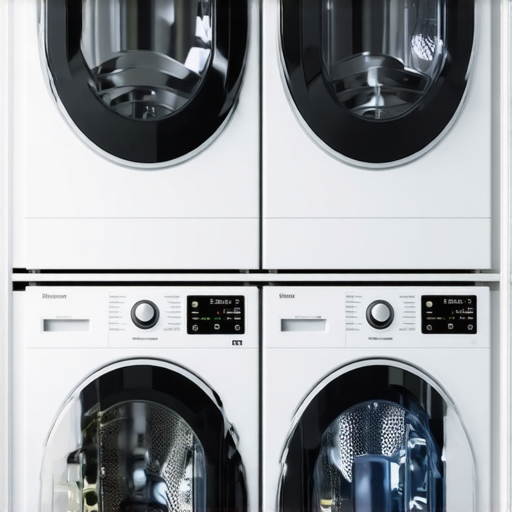
Ever been halfway through a laundry cycle only to realize your largest load barely fits? Or worst, you overload the machine and have to redo the entire wash because it couldn’t handle the dirt and laundry, leaving you frustrated and wondering if you picked the right washer type? I had that lightbulb moment when my top load washer struggled to accommodate my family’s weekly laundry, forcing me to split loads into multiple cycles. That experience made me realize how crucial choosing the right washer capacity is—it’s not just about size, but about efficiency, saving time, and avoiding needless wear and tear on your machine.
Why Your Choice Matters More Than You Think
When I first bought my washing machine, I thought bigger was always better. I went for the largest capacity I could find, assuming it would handle anything I threw at it. Yet, I quickly learned that bigger isn’t always better if it’s not the right fit for my lifestyle. An undersized washer leaves you running multiple loads, wasting time and electricity, while an oversized one can be inefficient and unnecessarily expensive. Recognizing the difference between front and top load washers and understanding their capacity benefits has revolutionized my laundry routine. Want to avoid my mistakes and streamline your laundry process? Let’s explore how to choose the perfect machine for your needs.
Is Front or Top Load Capabilities Actually Worth the Hype?
Early in my journey, I made the mistake of assuming all washers are created equal. I thought that a front load machine, being more modern, was always superior—only to discover that a well-chosen top load could serve my needs just as well, if not better, depending on my space and budget. The key is understanding capacity and features rather than getting caught up in the hype. For a detailed comparison between the two, check out our ultimate guide to capacity between front and top load washers. This helped me see that the right choice depends on my specific laundry habits and home setup. Have you faced this dilemma too? Stay tuned as I walk you through practical tips to navigate these options confidently.
Calculate Your Laundry Load
Start by gathering a week’s worth of laundry to determine typical load sizes. Use a large bowl or container to measure the volume of laundry you usually wash. For example, if you notice that your weekly laundry weighs around 10 pounds, this figure informs your washer capacity choice.
Assess Your Washing Habits
Think about how often you do laundry and the types of items you wash. Do you frequently wash bulky items like comforters or towels? Or mostly small loads of clothing? These habits influence whether you benefit from a larger capacity or can settle for a smaller machine.
Match Capacity to Your Space and Budget
Determine the available space in your laundry area. A compact apartment might require a smaller model, while a spacious laundry room can accommodate larger units. Balance this with your budget, as larger washers tend to cost more upfront but save time and energy in the long run.
Focus on Load Size Recommendations
Review the manufacturer’s capacity specifications, typically measured in cubic feet or kilogram equivalents. For instance, a 4.0 cubic foot front load washer can handle approximately 15 pounds of laundry, suitable for families. Use these benchmarks as a guideline for selecting a model that fits your needs.
Simulate Your Washing Routine
Before making a purchase, load a laundry basket with your average load size and see how it fits into the machine’s drum. Do this at a retailer or with your current washer to get a tangible feel. It’s a practical step that prevents overloading or underutilizing your new washer.
Consider Future Needs and Growth
If your family plans to grow or you anticipate washing larger items like comforters, select a washer with a slightly larger capacity than your current needs. This proactive approach ensures your washer continues to meet your demands without frequent upgrades.
Leverage Expert Advice and Comparisons
Consult comprehensive resources like this guide or compare models through side-by-side reviews to refine your choice. These insights help you understand capacity nuances between front and top load washers, ensuring you pick the most efficient option for your laundry routine.
Test Drive the Chosen Model
If possible, visit a store to see the washer in action. Load it with your typical laundry to verify the fit and ease of use. This hands-on approach minimizes surprises and confirms the machine’s capacity aligns with your specific washing habits.
Simplify Maintenance and Longevity
A washer running near its capacity frequently wears out faster. Therefore, choosing a model that operates comfortably within its load limits extends its lifespan and reduces maintenance costs. This practical consideration ensures long-term satisfaction with your purchase.
Final Check of Energy and Water Efficiency
Opt for an energy-efficient washer with appropriate capacity for your laundry volume. This decision not only saves money but also benefits the environment. For further insights on capacity and efficiency, review these tips that emphasize optimal capacity selection.
Many laundry enthusiasts believe that bigger is always better when it comes to washers, but this misconception can lead to costly mistakes. For instance, choosing an oversized top load washer might seem like a no-brainer for large families, yet it can result in excessive water and energy consumption, negating potential benefits. Conversely, some assume top load washers lack capacity compared to front load models, which isn’t always true; modern top load machines can offer comparable or even superior capacity when selected thoughtfully. It’s vital to recognize that capacity isn’t just about drum size but involves understanding load weight, item volume, and machine efficiency. An often-overlooked nuance is the importance of load distribution; improperly balanced loads can strain your washer and reduce lifespan, especially in high-capacity models. Experts like Appliance Science emphasize that matching washer capacity closely with your typical laundry volume optimizes performance and longevity, rather than simply opting for the largest drum available. Additionally, many users fall into the trap of overloading their washers in pursuit of efficiency, risking mechanical issues and incomplete cleaning. Advanced users should consider the specific features of top load washers, such as load sensing technologies and cycle customization, which can significantly impact capacity utilization and washing performance. For a deep dive into these nuances, check out the [ultimate guide to choosing the right laundry washer](https://washers.smartappliancereview.com/ultimate-guide-to-choosing-the-right-laundry-washer-capacity-efficiency-tips-2025). Remember, understanding these subtleties helps prevent costly mistakes and ensures your investment aligns with your actual laundry needs. Have you ever fallen into this trap? Let me know in the comments.
Keeping It Working: Tools and Tips for Longevity
Ensuring your washer remains efficient and reliable over the years requires more than just periodic cleaning. I rely on specialized tools and routine practices to extend the lifespan of my front load washer and prevent costly repairs. A high-quality digital multimeter, for instance, helps me troubleshoot electrical issues quickly, saving time and money. Additionally, a handy service manual specific to my washer model guides me through accurate troubleshooting steps, especially for complex components like control boards or sensors.
In my experience, using a genuine replacement part, such as OEM door seals or valves, keeps the washer operating optimally. When a component starts to wear out, replacing it early prevents larger system failures. For routine maintenance, I recommend using a washing machine cleaner monthly—these products effectively remove soap scum and mineral deposits that can impair performance.
One tool I can’t do without is a flexible drain snakes and a syringe infiltration pump, which help clear clogged filters or hoses without disassembling major parts. Modern washing machines also benefit from software updates when available; some brands offer firmware updates that improve cycle efficiency or resolve known issues, reinforcing the importance of staying current with manufacturer recommendations.
How do I maintain my laundry washer over time?
To keep your washing machine running smoothly, schedule regular inspections of door seals, hoses, and filters, and clean them with a damp cloth. Check the drainage system to ensure there are no blockages, which can cause water backups or longer cycle times. Using water quality testing kits can help identify mineral buildup in areas with hard water, prompting the use of water softening treatments to protect internal components.
In my routine, I use a concrete digital multimeter to verify electrical continuity in control circuits—this is essential for diagnosing intermittent malfunctions. Also, I periodically run a hot water cycle with a cup of vinegar to dissolve internal mineral deposits, improving heater efficiency and preventing scaling. As technology advances, I predict that smart diagnostic tools, linked to your smartphone, will become standard, simplifying maintenance for everyday users.
One practical habit is to leave the door of your front load washer ajar after cycles, which prevents mold and unpleasant odors. Implementing these tools and techniques can dramatically enhance your washer’s durability and performance. I encourage you to try using a service manual or digital multimeter for troubleshooting—these small steps can save you significant money and hassle in the long run. Want to take your washer maintenance to the next level? Explore the detailed guide on maintaining your washing machine effectively.
Lessons I Never Saw Coming in Washer Selection
- Balancing size and efficiency is an art—I once chose the biggest model without considering my actual laundry load, leading to unnecessary energy use and higher bills. Now I know that the right capacity is about matching your lifestyle, not just drum size.
- My assumption that front load washers are always superior was challenged when I discovered high-quality top load options with comparable capacity and performance, especially when considering space constraints and budget.
- Ignoring load distribution and cycle settings can strain your washer, shortening its lifespan. I learned that understanding these nuances prevents mechanical issues and saves money in the long run.
- Early on, I underestimated the importance of simulating my typical laundry routine with the new machine before purchasing, which avoids surprises and ensures the machine truly fits my needs.
- Focusing solely on capacity without considering features like load sensing or cycle customization can limit your washer’s effectiveness. Choosing a machine that adapts to your habits makes laundry less of a chore.
My Favorite Resources for Smarter Washing
- Comprehensive guides have been my go-to for understanding capacity and efficiency, helping me avoid pitfalls and make informed decisions that align with my laundry needs.
- Comparison articles shed light on the subtle differences between front and top load washers, enabling me to select the best type for my space and habits.
- Product reviews from trusted experts have helped me identify models that offer the ideal balance of capacity, features, and longevity, ensuring my investment delivers value over time.
- DIY maintenance tutorials, including troubleshooting with tools like a digital multimeter, have empowered me to extend my washer’s lifespan and detect issues early, saving significant repair costs.
Taking Action Can Revolutionize Your Laundry Life
Before you make your next washer purchase, consider your real laundry habits and future needs. Matching your washer capacity and features to your lifestyle isn’t just a purchase—it’s a commitment to making laundry easier and more efficient. Don’t wait for problems to arise; proactive choices and regular maintenance can keep your washer running smoothly for years to come. Remember, the right washing machine isn’t just about size—it’s about the perfect fit for your weekly routine and long-term satisfaction. Ready to transform your laundry experience? Start by assessing your typical loads and exploring models that truly match your needs, and you’ll be amazed at how much simpler washing can become. Have you ever bought a washer that didn’t quite fit your routine? Share your story in the comments below and let’s learn from each other’s experiences.