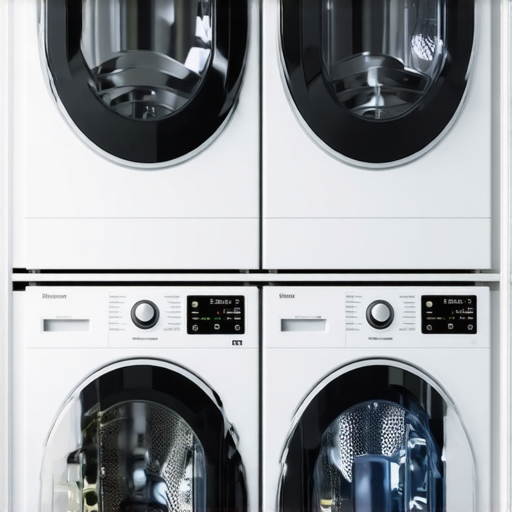
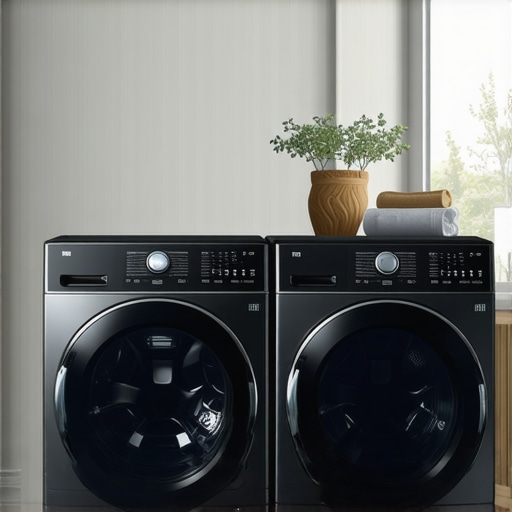
It hit me one Saturday morning—sorting through a mountain of laundry, I realized I had underestimated my washer’s capacity for years. Clothes piled high, frustration mounting, I wondered why my laundry days felt endless. It was then I had my *lightbulb moment*: selecting the right washer isn’t just about brand or features—it’s about the capacity that matches your lifestyle. If you’ve ever found yourself hauling laundry countless times or dealing with overflowing machines, you’re not alone. Today, we’re going to demystify the process and help you choose between front and top load washers based on capacity needs, saving you time and frustration.
Why Your Washer Choice Can Make or Break Your Laundry Routine
The capacity of your washing machine directly influences how efficiently you tackle laundry day. An undersized machine means multiple loads, wasting water, energy, and valuable time. Conversely, an overly large one can be a costly investment and unnecessary for smaller households. My initial mistake was picking a washer based purely on looks and price, overlooking what capacity I really needed. That oversight led to longer laundry days and increased utility bills. Research shows that choosing the right capacity can reduce your laundry time by up to 50%, making this a decision worth your attention. Curious about the perfect size for your household? You can explore the nuances and get tailored advice by visiting this comprehensive guide. Now, let’s dive into the key differences and how they suit various laundry needs, so you can make an informed decision that feels right for you.
Assess Your Household Size and Laundry Habits
Start by evaluating how many people live in your home and how often you do laundry. A family of five will need a washer with larger capacity than a single adult. Reflect on your laundry routines—if you tend to wash bulky items like comforters or curtains regularly, factor that into your capacity choices. I once underestimated my family’s needs and bought a small top load washer, leading to multiple loads per week and frustration. To prevent this, list typical loads and compare them to washer capacities using the guide here.
Match Washer Capacity to Load Sizes
Understanding washer capacity is about matching it to your typical laundry load. Capacity is measured in cubic feet; a standard full-sized washer usually ranges from 3.5 to 5.0 cu ft. Think of it like a bucket—the larger the bucket, the more clothes you can wash in one go. For regular laundry, a 4.5 cu ft front load washer often suffices for most families. If you handle larger items frequently, opt for 5.0 cu ft or more, as detailed in the comparison here. During my last upgrade, I realized that my single load of bedding exceeded my old washer’s capacity, causing multiple cycles and wasted energy. Choosing a larger capacity saved me time and utility bills.
Consider Your Space and Accessibility
Measure your laundry area to ensure the washer fits comfortably, leaving room for opening doors and stacking. Front load washers are wider but stackable, ideal for tight spaces, while top load models offer easier access but may require more horizontal space. I once struggled with a top load washer in a narrow closet, making loading cumbersome. Positioning your washer properly ensures you don’t sacrifice convenience for capacity, which is especially critical if you have limited space. See tips on space planning via this resource.
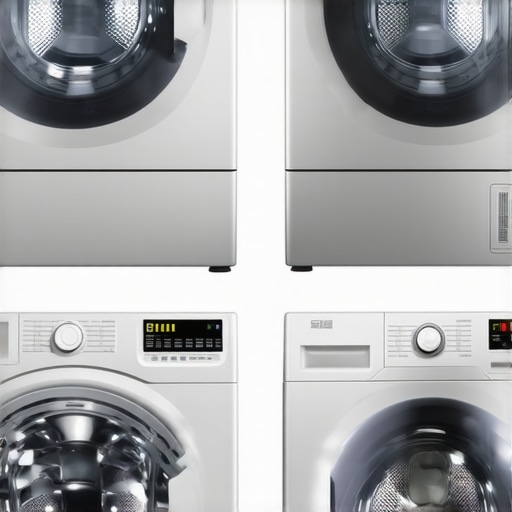
Include an image of a side-by-side comparison of front load and top load washers, highlighting their size and capacity differences.
Analyze Energy and Water Efficiency Needs
Larger capacity washers often have better efficiency ratings due to their ability to wash more clothes simultaneously, reducing total cycles. However, they can also consume more energy per cycle if not properly rated. Think of it like a refrigerator—you want the biggest one that still runs efficiently. During my research, I found that some high-capacity machines using the latest inverter motors consume less energy per load, even with higher capacity. Review the energy ratings and read reviews on models like here to select a capacity that balances size and efficiency.
Make an Informed Decision Based on Your Priorities
Deciding between a front or top load washer involves considering capacity, space, budget, and preferred features. I recommend visiting this comprehensive guide to compare models, capacities, and benefits. Aim for a machine that handles your typical loads without excess energy use or space constraints. Remember, the right capacity isn’t just about size—it streamlines your laundry routine and saves time in the long run.While many believe selecting a washer is straightforward—just pick the largest capacity or the newest model—there’s a crucial nuance that often escapes notice: the interaction between washer capacity and actual laundry habits. Many assume that bigger capacity means better, but overspending on a machine with excessive capacity can lead to inefficiency and unnecessary costs. Conversely, opting for a smaller machine might seem budget-friendly but can cause recurrent overload issues, damaging clothes and increasing wash cycles. The real skill is understanding *how* your specific laundry routine aligns with the washer’s capacity, not just the number on the label. For example, a common myth is that front load washers always handle larger loads better than top load models; however, recent studies show that some top load washers with optimized drum designs deliver comparable performance with less energy consumption, provided they suit your load size. This subtlety becomes even more relevant when considering energy efficiency ratings, where larger machines don’t automatically mean greener performance. According to a recent report by the Department of Energy, selecting a machine with the right capacity—matching your household’s load patterns—can reduce energy use by up to 30%. So, instead of blindly choosing the largest or most feature-rich washer, evaluate your typical laundry loads and routine. Measure how often you wash bulky items like comforters or employee uniforms and compare this behavior against models’ capacity specifications. Remember, a machine that perfectly fits your needs promotes longevity, reduces utility bills, and minimizes environmental impact. Don’t fall into the trap of overestimating capacity as a one-size-fits-all solution. Instead, focus on matching capacity to your habits, ensuring efficiency and durability. Have you ever fallen into this trap? Let me know in the comments. To deepen your understanding, review the detailed nuances at this comprehensive guide and learn how the right capacity can transform your laundry routine.
Tools That Protect Your Washing Machine Over Time
Investing in the right tools ensures your washing machine remains efficient and durable. I personally use a high-quality water filter attached to my home’s main water supply. This simple addition prevents mineral buildup and sediment from damaging internal components, significantly extending the lifespan of my washer. Additionally, I recommend a digital moisture meter for delicate appliances—this helps me monitor the humidity levels in my laundry area, preventing mold growth that can compromise the machine over time. Regularly using a maintenance brush on filter screens and inlet valves also keeps clogs at bay. These tools have saved me from costly repairs and keep my washer performing at its best season after season.
Establishing a Maintenance Routine
Routine maintenance is crucial. I schedule a deep clean of my front load washer’s gasket and drum every three months using a specialized washer cleaner. This prevents mold and unpleasant odors, ensuring my laundry stays fresh. Running an empty hot water cycle with a cup of vinegar or commercial cleaner dissolves mineral deposits and soap scum, which can impair performance. For smaller issues like squeaking or unusual vibrations, I keep a torque wrench and a set of screwdrivers handy for minor adjustments. Consistency is key—by integrating these steps into my weekly cleaning routine, I maintain the machine’s efficiency and avoid unexpected breakdowns.
Recommended Software and Monitoring Methods
Modern washers often come equipped with integrated diagnostic apps. I leverage my washer’s Wi-Fi connectivity to perform remote diagnostics and receive maintenance alerts, saving me time and money. For example, using the manufacturer’s app, I receive notifications when filters need cleaning or parts require replacement. If your washer lacks smart features, I recommend a tablet-based checklist system where I log each maintenance task and track performance over time. Additionally, I keep record of utility bills and cycle times to identify efficiency drops early, allowing preemptive repairs. Incorporating these digital tools and methods helps me ensure my washer remains in peak condition long-term and scales effectively as my household’s laundry demands grow.
How do I keep my washing machine functioning over the years?
One proven method involves regular visual inspections of hoses, seals, and the drum for signs of wear or leaks, as recommended by appliance experts. Replacing worn parts proactively, such as inlet valves or drive belts, prevents major malfunctions. Furthermore, consulting resources like this guide can inform you about the latest maintenance practices and component innovations. For instance, investing in a washer with a ceramic bearing system can reduce noise and increase longevity. I urge you to try cleaning your washer’s valve filters and running regular maintenance cycles—it’s an inexpensive yet highly effective step that produces noticeable results over time. Staying ahead with these tools and routines ensures your washing machine continues delivering pristine laundry and remains a reliable workhorse in your home.
Lessons Only I Learned the Hard Way about Washer Capacity and Laundry Efficiency
One unexpected lesson I discovered is that bigger isn’t always better; choosing a washer with an excessively large capacity can lead to wasted energy and money, especially if it exceeds my household’s actual needs. I once prioritized large capacity without considering space constraints or routine laundry habits, resulting in underutilized features and increased utility bills. Additionally, I realized that regular maintenance routines, like inspecting hoses and running deep clean cycles, extend the lifespan of my washer far more than I anticipated. Finally, I learned that integrating smart monitoring tools not only saves time but also provides peace of mind, ensuring my washing machine functions optimally over years of heavy use.
Tools That Keep Your Washer Running Strong
My go-to toolkit includes a high-quality water filter to prevent mineral buildup, which has dramatically reduced repair costs. I also use a digital moisture meter to optimize humidity levels in my laundry area, protecting my washer from mold and corrosion. Regularly cleaning inlet valves with specialized brushes keeps clogs at bay, ensuring consistent performance. I’ve found that these simple yet effective tools are invaluable in maintaining a healthy, efficient laundry setup and avoiding costly breakdowns.
Embrace the Future of Laundry Care Today
Your journey toward an optimized laundry routine begins with understanding your household’s unique needs and selecting the right washer capacity. Don’t wait for costly repairs or inefficiencies to prompt change—take proactive steps now. By paying attention to your habits and space, you can ensure your washing machine serves you reliably for years to come. Are you ready to make smarter choices for your laundry setup? Share your thoughts and experiences below—I’d love to hear what’s worked (or not worked) for you!