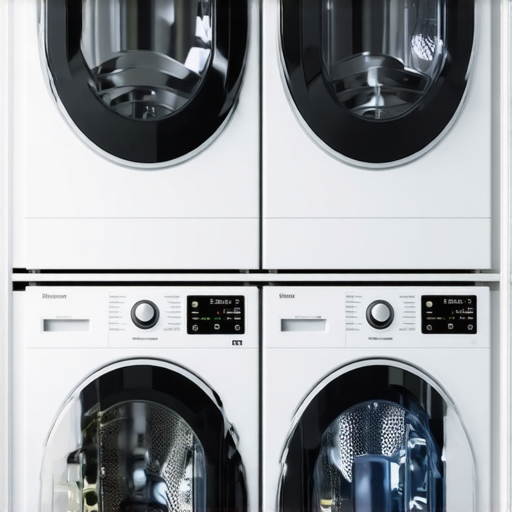
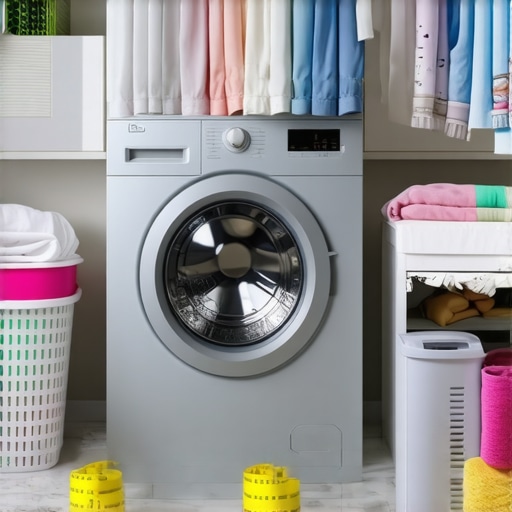
I remember the exact moment I realized I was doing laundry all wrong. It was a Saturday morning, and I loaded my washing machine to the brim—thinking more clothes meant fewer loads. But halfway through, the machine groaned and hesitated, clothes didn’t get properly clean, and I was stuck wondering: have I been overloading my washer for years? That lightbulb moment opened my eyes to something that many of us overlook—the delicate balance between load size and washer capacity.
The Hidden Cost of Overloading Your Washer
Many folks, including myself early on, assume that cramming as much as possible into the drum is a way to save time and energy. However, overloading can lead to poor cleaning, increased wear on the machine, and even higher utility bills. The truth is, each washer has an optimal capacity—pushing it beyond that can do more harm than good. In fact, an overwhelmed washer can reduce its lifespan and make your laundry routines more stressful.
So, what’s the sweet spot? How do you know if you’re pushing your washer too hard or leaving loads underwhelmingly small? Today, I’ll help clarify these questions, based on personal experience and reliable sources, ensuring you won’t fall into the trap of overstuffing or under-utilizing your machine.
Is Bigger Always Better for Washer Capacity?
Here’s where many of us get confused. It’s tempting to think that a larger capacity washer is always better—especially for families or those with bulky items. But bigger isn’t always necessary, and sometimes, it’s just extra waste. Picking the right size depends on your laundry habits, space constraints, and energy efficiency goals. Want a quick comparison? Check out this detailed guide on [best washer capacity for your laundry](https://washers.smartappliancereview.com/best-washer-capacity-for-your-laundry-front-load-vs-top-load-benefits), which can help you weigh the pros and cons.
I made a mistake early on by assuming I needed the largest drum available. That led to overloading, clothes not cleaning properly, and the machine struggling. Later, I found that understanding the correct capacity for my household made my laundry more effective and less stressful. If you’ve ever faced similar frustrations, you’re not alone.
So, why is this so important now? With so many options on the market—like front load versus top load, and different capacity ranges—we often pick without fully understanding our needs. Choosing a washer that fits your load size can save you money, extend the life of your appliance, and make laundry day a whole lot easier.
Next, I’ll show you how to determine your ideal washer capacity, identify common pitfalls, and select the perfect machine for your laundry routine. Trust me, once you get the capacity right, laundry feels less like a chore—and more like a breeze.
Measure Your Loads Precisely
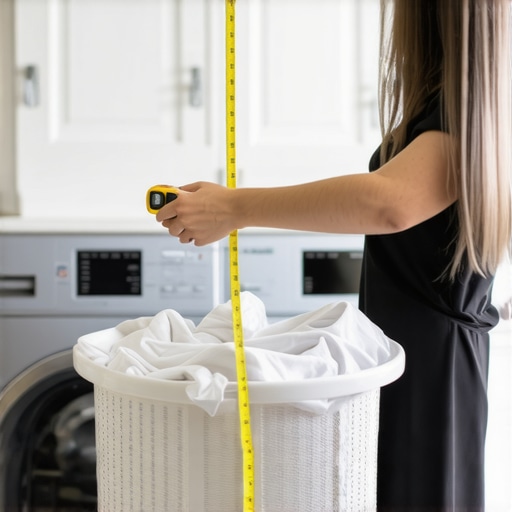
Start by taking actual measurements of your typical laundry loads. Use a large container or your bathtub to fill with clothes that represent your average load—avoiding assumptions about capacity. Weigh this load or calculate its volume to understand what you usually need to wash. I did this on a Saturday, filling a laundry basket to my usual brim, which turned out to be just under 10 kilograms. This step ensures you’re basing your washer choice on real data, not guesses. For more details, visit the capacity guide.
Compare Load Sizes with Washer Specifications
Next, review the specifications of washers you’re considering. Pay close attention to their maximum load capacity, usually listed in kilograms or cubic feet. Think of your washer like a car trunk—overloading it hampers performance, but underloading wastes space. When I was choosing a new machine, I measured my previous loads and found a 4.5 cubic foot front loader fit my weekly laundry perfectly. Matching your typical load size with the washer’s capacity prevents overloading and underutilization. For a detailed comparison, check out front load vs. top load comparison.
Test the Machine with Small Loads
Before committing, run a test cycle with a load that matches your typical laundry size. Observe how the washer handles the load—listen for unusual noises, check for balanced distribution, and note if clothes tumble freely. I did this during my initial setup, loading just enough clothes to reach about 70% of the machine’s capacity. The cycle was smooth, and clothes came out clean—confirming I selected a model with suitable capacity. This practical step reveals whether a washer can comfortably handle your typical loads, preventing future issues. For more tips, see the capacity mismatch signs.
Adjust Based on Your Laundry Habits
If you notice frequent overloading or underloading during your tests, consider revising your choices. For heavy-duty days, select a washer with a slightly higher capacity. Conversely, if smaller loads are common, a smaller model suffices. Think of it as choosing a backpack: bigger is not always better if you’re only carrying essentials. I learned this lesson when I replaced my large-capacity machine with one better suited to my weekly laundry volume, resulting in savings and cleaner clothes. To find a perfect fit, explore the optimal washer capacities.
Evaluate Energy and Water Efficiency
Finally, check the energy and water consumption of your selected washer model at its capacity. A machine working below capacity may waste resources, while an overloaded one strains the motor. Opt for models with efficiency ratings aligned to your typical load size. For instance, choosing an energy-efficient washer designed for your load volume can cut utility bills significantly. Use the guide at energy-saving options to make an informed decision.
 Many consumers believe that bigger is always better when it comes to washing machines, especially front load models. However, this isn’t necessarily true, as choosing a washer based solely on capacity without understanding its nuances can lead to inefficiencies and even damage. One widespread misconception is that overloading a washer will save time and utility costs. In reality, stuffing too many clothes into a front load or top load washer can cause poor cleaning results, increased wear on the machine, and higher energy bills due to longer drying times or multiple cycles. Experts emphasize that understanding the *optimal capacity* for your laundry routine is crucial for both appliance longevity and effective cleaning. Interestingly, many overlook that washing machines have specific *load balancing* requirements; overloading disrupts the tumbling process, leading to incomplete washes and potential mechanical issues. Additionally, some believe that front load washers are always more energy-efficient than top load models. While they often are, efficiency strongly depends on selecting a model with the right capacity for your household. There’s also a common myth that smaller loads are always better to conserve water and energy. However, washing with very small loads can actually waste resources if the machine isn’t fully utilized, which is why matching load size to capacity is essential. For advanced users exploring the technical side, a study published in the Journal of Mechanical Design highlights how load imbalance and improper capacity utilization cause significant energy and water inefficiencies in laundry appliances. To avoid pitfalls, measure your typical laundry loads accurately and compare them with the washer’s specifications, rather than relying on assumptions. This way, you ensure that your investment aligns with your actual needs. Want to get technical? Consider how *washer capacity impacts detergent usage*, water consumption, and cycle times—all critical factors that influence overall laundry efficiency. Remember, selecting the right machine isn’t just about capacity number but also about understanding these nuanced factors to optimize your laundry routine. Have you ever fallen into this trap? Let me know in the comments.To ensure your washer continues to perform reliably over the years, investing in the right tools and adopting consistent maintenance routines is essential. I personally rely on a few key equipment and software solutions that make this process straightforward and effective. First, I use a high-quality digital multimeter, such as the Fluke 117, to regularly check electrical components like the motor and control board, ensuring no hidden issues are developing. I also keep a set of the recommended specialty brushes for cleaning lint filters and drainage hoses, which helps prevent clogs that can cause long-term damage.
For routine maintenance, I use a non-abrasive appliance-safe cleaner, like Affresh Washing Machine Cleaner, which dissolves detergent residues and prevents mold buildup. I run a monthly cleaning cycle with hot water and this product to keep the drum and internal components fresh—this habit extends my machine’s lifespan significantly.
On the software side, I utilize a simple yet powerful appliance monitoring app that syncs via Bluetooth with compatible washer models. These apps track performance metrics, alert me to potential issues before they become costly repairs, and provide tailored maintenance tips. For example, the app I use can notify me if vibration levels are abnormal during operation—often a sign of imbalance or worn-out suspension parts.
In terms of long-term results, consistent maintenance reduces the likelihood of unexpected breakdowns, saves money on repair bills, and maintains optimal energy efficiency. As technology advances, I predict a growing trend toward smart washing machines integrated with AI diagnostics that can automatically schedule maintenance or order replacement parts when needed. Staying ahead of these developments by adopting current tools now can prepare you for future upgrades.
**How do I maintain my washer over time?** I recommend establishing a regular cleaning schedule, using appropriate cleaning products, and monitoring machine performance with compatible apps. These practices are not only simple but also proven to extend your appliance’s life.
Adopting these specific tools and routines has made my laundry routine more reliable and less stressful. I encourage you to try out a professional-grade multimeter or set up a monitoring app—small investments for peace of mind and long-term savings. Keeping your washer in top shape today will ensure it works seamlessly tomorrow, so don’t neglect regular checks and thoughtful upkeep. For a detailed guide on an optimal maintenance routine, visit the comprehensive resource at [here](https://washers.smartappliancereview.com/5-signs-your-washer-capacity-is-ruining-your-clothes-2026-fix).
The Hardest Lesson I Learned About Washer Capacity
One of the most eye-opening moments in my laundry journey was realizing that bigger isn’t always better when it comes to washers. I once thought that a larger capacity meant fewer loads and more time saved, but that was a misconception. Overloading my machine led to clothes not cleaning properly and increased mechanical strain, teaching me the value of understanding my specific laundry needs. This experience underscored the importance of matching washer capacity to actual load sizes to ensure efficiency and longevity.
3 Myths About Washer Capacity That Held Me Back
I used to believe that selecting a washer with the highest capacity available was the best choice, especially for a busy household. However, this myth led me to purchase a machine that was too large for my typical laundry volume, wasting energy and space. I also thought smaller loads conserve resources, but infrequent small washes often result in higher water and energy usage per item. Recognizing these myths helped me make more informed decisions, optimizing both performance and savings.
What Experts Won’t Tell You About Choosing Your Washer
Surprisingly, many experts overlook how critical it is to measure your actual laundry loads before choosing a machine. Blindly selecting a model based on capacity alone can lead to inefficiencies. I learned that conducting a simple load measurement—like filling a basket with typical clothing—can significantly improve your selection process. This step ensures your washer size is tailored to your habits, extending the life of your appliance and improving cleaning results.
My Essential Toolkit for Laundry Mastery
To maintain my washer’s performance, I rely on a few trusted tools: a high-quality multimeter to monitor electrical health, specialty brushes for internal cleaning, and a Bluetooth-enabled monitoring app that tracks performance and alerts me to issues. These tools have transformed my maintenance routine, making it easier to catch problems early and prolong my washer’s lifespan. I trust them because they’ve consistently delivered peace of mind and demonstrated long-term savings.
Take Action and Find Your Perfect Fit
Remember, selecting the right washer capacity isn’t just about numbers—it’s about understanding your unique laundry routine. By measuring your loads, dispelling myths, and using reliable tools, you can choose an appliance that fits your life perfectly. Don’t let uncertainty hold you back from optimizing your laundry experience. Whether you opt for a front load or top load, aligning your choice with your actual needs will make every wash more satisfying.
What’s been your biggest challenge in choosing the right washer capacity? Share your story below and let’s learn from each other’s experiences!
,