It was a typical Saturday afternoon, and I found myself staring at a mountain of laundry, feeling the weight not just of the clothes but of my mounting electricity bills. My old washing machine groaned as it struggled to handle the load, and I couldn’t help but wonder—how much energy is this thing really wasting? That moment was a lightbulb for me: I needed to upgrade to a smarter, more efficient washer, not just for convenience but to cut costs significantly.
Why Upgrading Your Washing Machine Matters More Than Ever
In recent years, I discovered that the secret to lowering my household expenses isn’t just about cutting back on essentials but making smart investments in appliances that are designed to be energy-efficient. And with new models emerging in 2026, the opportunity to save on electricity bills has never been greater. Did you know that laundry appliances account for about 14% of household energy use, making them one of the top energy consumers in an average home? (Source: U.S. Department of Energy)
This realization motivated me to explore the latest in washing machine technology, especially models that deliver optimal performance while consuming less power. But with so many options, it’s easy to get overwhelmed. What should you look for? Are these energy-efficient washers truly worth the hype? And how can you avoid the common pitfalls some early adopters like myself have fallen into?
Is the Buzz Around Energy-Efficient Washers Just Hype? Or Real Savings?
Early on, I made the mistake of chasing flashy features instead of focusing on actual energy savings. I bought a machine that looked good but turned out to be inefficient in real-world use. If you’re like I was, questioning whether these new washers are truly worth the investment, you’re not alone. The good news is that many models in 2026 deliver impressive efficiency, but it’s essential to choose wisely. Curious to see some of the best options? Check out our detailed reviews on smart washing machines in 2026 and find out which models stack up in terms of savings and performance.
In the next sections, I’ll guide you through the key factors to consider when selecting your next laundry powerhouse—so you can make an informed decision and start saving money from day one.
Assess Your Laundry Needs First
Before jumping into models, evaluate your household’s laundry volume. Do you have a large family producing daily loads or a small apartment with occasional washes? For high-volume households, investing in a washer with greater capacity saves time and energy, especially if you opt for a front load model that handles bigger loads efficiently. Consider using resources like capacity tips to determine the ideal size for your space.
Explore Front Load Versus Top Load Options
Determining whether a front load or top load washer fits your needs is crucial. Front loaders typically use less water and energy per load, making them more efficient in the long run, but they might have a higher upfront cost. Conversely, top loaders generally are easier to load and unload but may consume more resources. To understand which suits your lifestyle, review comparative analyses like front load vs. top load washers.
Calculate the Capacity That Meets Your Laundry Volume
Picking the right capacity prevents under- or over-sizing the machine, both of which impact efficiency. A common trap is choosing a washer with a volume that’s too small, leading to multiple loads per week, or too large, causing unnecessary energy use. Use tools like washer capacity guides to identify your optimal size based on your laundry habits.
Prioritize Energy Efficiency Ratings and Features
When shopping, focus on washers with high ENERGY STAR ratings or similar certifications. These appliances are tested for lower energy and water consumption. Features like load sensing, eco modes, and smart controls optimize resource use further. Check reviews at Smart Appliance Review to verify real-world savings, not just marketing hype.
Test and Assess Before Committing
If possible, test the machine in-store or read extensive user reviews about its performance and efficiency. During my purchase, I requested a demo to see how well it handled a full load and checked the noise levels. This hands-on approach revealed that some models marketed as energy-efficient struggled with larger loads, prompting me to choose one with better real-world reviews, ultimately saving me money and frustration.
Many homeowners assume that selecting a larger washing machine capacity automatically leads to better efficiency and convenience, but in my experience, this is a common misconception. Oversized units often waste water and energy when used improperly, leading to higher utility bills with little tangible benefit. Conversely, some believe that front load washers always outperform top load models, but the reality is nuanced; different household needs demand different configurations. One trap I see frequently is choosing a washer based solely on capacity without considering load size and frequency, resulting in underperformance or unnecessary expense.
Can You Optimize Washer Capacity Without Sacrificing Efficiency?
The secret lies in understanding that not all capacities are created equal, and within each type, smart features and usage habits can dramatically influence efficiency. For instance, a washer with a high capacity but poor load sensing might run unnecessarily long cycles or waste water, negating its advantages. Experts recommend evaluating your real laundry needs and matching them with machines that have appropriate load sensors and eco modes. Studies show that improperly sized washers lead to overuse of resources; choosing the right capacity based on your actual laundry volume enhances both efficiency and longevity (source: Expert Guide to Washer Capacity). Additionally, many users fall into the trap of thinking larger capacity equals future-proofing, but if your household size doesn’t change, an appropriately sized machine will serve you better and save money. When considering between front load and top load options, don’t just focus on capacity—look at their overall energy profiles and feature sets that suit your lifestyle.  In this context, understanding capacity nuances—such as how load sizes influence cycle times and resource consumption—is essential for making an informed purchase. Do you realize that using small loads in a large-capacity washer can actually increase per-unit energy use? It’s a common oversight that many overlook in the quest for convenience. To fine-tune your selection, review our comprehensive resources on best washing machine choices for 2025 and see how features impact efficiency. Have you ever fallen into this trap? Let me know in the comments.
Keeping Your Washer Running Smoothly
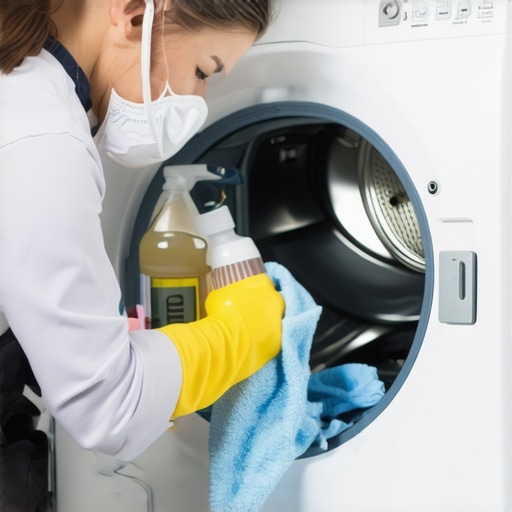
Proper maintenance of your washing machine is essential to ensure it continues to operate efficiently and prolong its lifespan. From routine inspections to targeted cleaning, adopting a proactive approach can save you money and prevent unexpected breakdowns. I personally recommend establishing a regular maintenance schedule that includes cleaning filters, inspecting hoses, and running cleaning cycles with specialized detergents. These small steps prevent buildup, mold, and mineral deposits that can impair performance. Smartphones and smart home systems have become invaluable tools in this process; I use an app linked to my washer to schedule maintenance reminders and track performance metrics, helping me spot issues before they become costly repairs.
How do I maintain my washing machine over time?
In the future, I predict that integration of IoT-enabled washers will make maintenance even more intuitive, alerting users to potential problems via smartphone notifications and diagnostics. This technological evolution aims to minimize downtime and optimize resource use, aligning with the trend towards smart home appliances. Currently, one effective tip is to regularly check and clean the filter to prevent lint and debris from clogging drainage systems. Additionally, periodically running a hot water cycle with vinegar or specialized washing machine cleaner can eliminate mold, bacteria, and mineral buildup, ensuring your laundry washer remains hygienic and efficient.
If you haven’t already, try using an eco-friendly cleaning cycle combined with load sensing features to maximize efficiency. These tools help your washer operate at optimal capacity and reduce energy consumption, tying into the growing emphasis on sustainability in home appliances. For an in-depth review of smart washing machine features and their benefits, visit our comprehensive analysis.
Remember, regular maintenance isn’t just about preventing issues—it’s about optimizing long-term results. A well-kept laundry washer performs better, lasts longer, and ultimately saves you money. Don’t wait for a breakdown—integrate these maintenance habits today and keep your washing machine working at its best for years to come.
Throughout my journey in upgrading my laundry equipment, I uncovered lessons that many might overlook—lessons that can save you money, time, and frustration. Embracing these real-world truths has made my laundry days smoother and more cost-effective, and I believe they can do the same for you.
Why I Stopped Chasing Big Capacity and Started Prioritizing Smart Features
Initially, I thought bigger was better, but I realized that a washer with excessive capacity often leads to unnecessary resource use. Instead, I now focus on models equipped with smart load sensing and efficient cycles, which genuinely optimize resource consumption. This shift has significantly reduced my utility bills and stress.
The Trap of Overestimating Needs and How I Avoid It
Many homeowners assume their household size demands the largest machine available, but in practice, a properly sized washer with the right features offers better efficiency. Evaluating my actual laundry habits helped me select a machine that perfectly fit my needs, preventing waste and unnecessary expenditure.
Focusing on Real-World Performance Over Marketing Hype
I learned to scrutinize reviews and ask for in-store demonstrations rather than relying solely on marketing claims. This approach revealed which washers genuinely deliver on their promises, saving me from costly mistakes and setting me up for long-term satisfaction.
Investing in Maintenance Before Problems Arise
Consistent upkeep, like cleaning filters and running descaling routines, extends my washer’s lifespan and maintains efficiency. Incorporating smart home alerts for maintenance reminders has made it easier to stay proactive, avoiding costly repairs down the line. This habit ensures my laundry routine remains smooth and economical.
Where I Found Truly Reliable Resources
My go-to sources include Smart Appliance Review for in-depth comparisons of energy-efficient models, capacity guides that help match machines to actual needs, and comprehensive user reviews that provide honest insights beyond marketing. These resources have been invaluable in making informed decisions that pay off in savings and performance.
Embrace the Power to Make Smarter Laundry Choices
Understanding these behind-the-scenes insights has empowered me to select appliances that serve my household better and last longer. I want you to feel confident in your choices too—your ideal washer is out there; you just need the right knowledge to find it. Ready to take control of your laundry experience and start saving today?