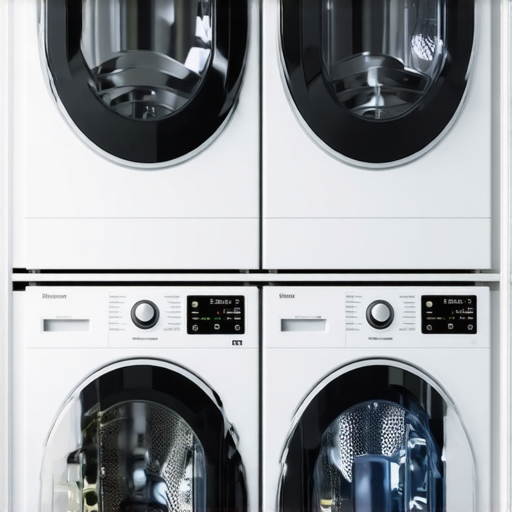
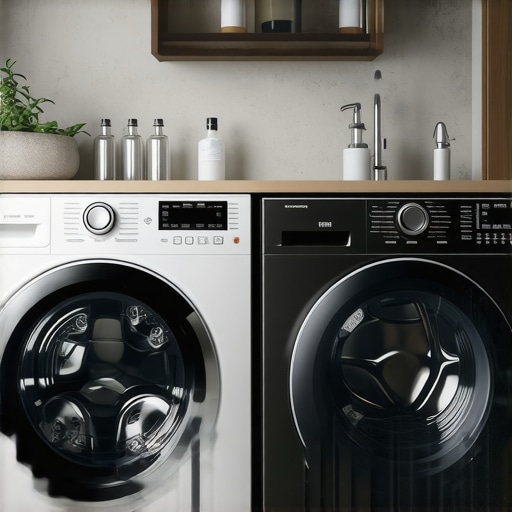
If you’ve ever stood in front of a laundry appliance aisle, feeling utterly overwhelmed by the choices, you’re not alone. I remember the first time I had to pick a new washer — I spent hours reading reviews, comparing specs, and still felt unsure if I was making the right decision. That moment of confusion was a lightbulb for me: choosing between a front load and a top load washer isn’t just about brand or price; it’s about understanding what fits your life best.
The Real Struggle with Laundry Machines
Every week, I faced the same frustration: laundry piles up faster than I can wash it, and my old machine was just not cutting it anymore. I knew I needed an upgrade, but the options? They felt endless. Some friends swore by front loaders, saying they save water and energy, while others insisted top loaders are more convenient and quicker. I felt caught in the middle, unsure which type would actually make my laundry routine smoother.
Eventually, I realized that my biggest mistake early on was ignoring my daily habits and needs. I focused too much on bells and whistles, not on capacity or accessibility. That’s when I landed on the idea of really understanding what I needed from a washer, instead of just following hype. If you’re in the same boat, don’t worry — I’ll help you cut through the noise and find a machine that’s perfect for your lifestyle.
What’s the Big Deal Anyway?
Choosing the right washer can transform your laundry days from a chore into a breeze. Whether you’re a busy parent, a single professional, or a small business owner, the right machine can save you time, water, and energy. But how do you know which type is better? Is one actually worth the hype over the other? That’s what we’re about to explore.
If you’re tired of laundry struggles, or just want to make smarter appliance choices, stick around. I’ll walk you through the key differences, backed by my own experience and expert insights. And yes, I’ll even address whether the latest trends are worth jumping on. Ready to stop guessing and start choosing?
Let’s dive into the details so you can finally pick the washer that works for you. Curious about how capacity impacts your decision? Check out this detailed guide on washer capacity to get started.
Identify Your Laundry Needs Clearly
Start by assessing your laundry volume and frequency. Do you wash bulky bedding or small loads? Remember, a machine that matches your capacity prevents overloads and inefficiencies. For example, I once purchased a small top loader thinking it would save space, only to find myself doing laundry twice as often because it couldn’t handle large loads. Use this experience to guide your choice and check this guide on capacity needs.
Match Your Space and Accessibility Requirements
Consider where your laundry area is located. Front load washers are typically stackable, ideal for tight spaces, and easier to load for people with limited mobility. Top loaders are often more accessible for quick loading and unloading. I found that installing a front load machine in my cramped laundry closet made a huge difference because I could stack it with a dryer, freeing up space. Think about your physical space and choose accordingly. For detailed space planning tips, see this comparison guide.
Understand Water and Energy Efficiency
Front load washers generally use less water and energy, making them more economical long-term. They often have higher spin speeds, which reduce drying time. I tested a front load machine and noticed my clothes dried faster because of better water extraction. If saving on utility bills matters to you, prioritize models with high efficiency ratings. Check out this ultimate guide to efficiency.
Evaluate Convenience and Speed
Top loaders usually wash and spin faster, making them suitable for quick turnaround. I once needed a quick wash before leaving town and opted for a top loader, which completed the cycle faster. However, front loaders often require bending down to load and unload, which might be inconvenient for some. Think about your daily routine—do you prefer quick cycles or ergonomic access? For a detailed comparison, see this comparison.
Factor in Maintenance and Durability
Front load washers tend to have more intricate parts, which might mean higher maintenance but often longer lifespan if properly cared for. Top loaders are simpler mechanically, making repairs easier. I learned this after my front loader’s seal needed replacing; it was a bit of a process but worth it for the energy savings. Review this maintenance guide for insights.
Weigh the Long-Term Costs
Initial price is just one factor; consider energy bills, water costs, and potential repairs. Sometimes paying more upfront for a front load washer pays off over years thanks to lower utility costs. I recommend reading this comprehensive tips guide to understand cost implications better.
Test Before You Buy
If possible, visit a store and load the machine yourself. Check how easy it is to access, how noisy it is, and how intuitive the controls are. I tested a few models in-store and found that handling and sound levels made a difference in daily use. Use this approach to ensure your choice feels right. For more detailed shopping tips, see this buying guide.
Many people believe that the decision between a front load and a top load washer is purely based on cost or brand reputation. However, this oversimplification often leads to mistakes that could cost time, money, and frustration down the line. Let’s dig deeper into some misconceptions and advanced pitfalls that even experienced homeowners sometimes overlook.
Why the popular belief that front loaders are always better might be misleading
A prevailing myth is that front load washers are superior because they save water and energy. While this is generally true, it’s crucial to recognize that not all front loaders are created equal. Some models have higher spin speeds that can damage delicate fabrics, or longer cycle times that decrease efficiency if your laundry volume is small. Additionally, front load washers often require more maintenance, especially regarding mold buildup around the door seal, which many overlook. This can lead to costly repairs if not properly managed. For a nuanced view, check out this comprehensive guide.
Common mistake: ignoring the importance of capacity matching
One trap I see often is choosing a machine based solely on features or price, without considering whether its capacity matches your actual laundry needs. A machine that’s too small will force you to do more loads, negating any energy savings. Conversely, an oversized machine can waste water and electricity. It’s a subtle but critical nuance: understanding your weekly laundry volume and choosing a machine that aligns with it. Overlooking this can lead to increased utility costs and frustration. For insights, see this detailed capacity guide.
What advanced users should consider when evaluating efficiency ratings
Beyond the basic efficiency ratings, experienced buyers should look into the specific features that contribute to long-term savings. For instance, some front loaders have higher spin speeds, which reduces drying time but may damage fragile clothes if not carefully selected. Others feature smart sensors that adjust water levels dynamically, preventing waste. Additionally, pay attention to the machine’s durability and repairability—some models, despite high efficiency ratings, have intricate parts that are costly to fix. Research from experts like Consumer Reports emphasizes that long-term maintenance and repair costs are often underestimated in initial decisions. To explore more, visit this expert review.
Have you ever fallen into this trap? Let me know in the comments and share your experiences!
Maintaining your washer over time is essential to ensure it continues to perform efficiently and lasts for years. From routine cleaning to using specialized tools, I’ve found that a proactive approach saves me money and hassle in the long run. In this article, I’ll share the specific equipment, software, and methods I rely on to keep my laundry machine running smoothly.
How do I maintain my washing machine over time?
First, I always start with a monthly deep clean. I use a mixture of white vinegar and baking soda to eliminate odors and prevent mold buildup, especially around the door seal of front load washers. This simple routine is incredibly effective and inexpensive. For stubborn residue, I recommend investing in a washing machine cleaning tablet—these are designed to dissolve soap scum and mineral deposits that accumulate over time. My go-to is Affresh or similar brands, which I run through an empty cycle monthly.
Next, I keep a set of basic tools handy for minor repairs. A digital multimeter helps me troubleshoot electrical issues, such as faulty switches or timers. A set of screwdrivers and pliers is useful for tightening loose parts or replacing worn-out belts. I also keep a replacement door seal and hoses in stock, so I can address mold or leaks early before they escalate.
For monitoring the machine’s performance, I rely on smart diagnostic tools. Many modern washers come with built-in Wi-Fi and companion apps that alert me to errors or maintenance needs. I use the Samsung Smart Washer app, which provides real-time feedback and troubleshooting tips. For older models, a generic OBD-II scanner can help diagnose electrical or sensor problems, though it’s more technical.
Software-wise, I utilize scheduling and maintenance reminders via my phone calendar. Setting a monthly notification ensures I don’t forget to run cleaning cycles or inspect hoses. Additionally, I track repair history and maintenance logs using a simple spreadsheet, which helps me identify recurring issues and decide when it’s time for professional service or replacement.
Future Trends in Maintenance and Tools
Looking ahead, I predict that smart appliances will become even more autonomous. With AI-driven diagnostics and predictive maintenance, washers will alert us before problems occur, potentially saving hundreds of dollars in repairs. Technologies like IoT sensors can monitor vibrations, water flow, and motor health in real time, making maintenance more precise and less reactive.
So, I encourage you to try incorporating a few of these tools today. Start with a regular cleaning routine using vinegar and baking soda, and consider investing in a smart app or diagnostic tool compatible with your model. These small steps can significantly extend your washer’s lifespan and keep your laundry routine hassle-free.
Don’t forget to check this comprehensive maintenance guide for more expert tips. Keep your machine in top shape, and enjoy fresh, clean laundry every week!
The Hardest Lesson I Learned About Choosing a Washer
One of my biggest mistakes was ignoring how my actual laundry habits match machine features. I once bought a sleek front load washer thinking it was the best, only to realize I needed a larger capacity for my bulky bedding. That taught me to evaluate my weekly laundry volume before making a decision. Remember, a machine that’s perfect in specs can still be a poor fit if it doesn’t align with your routine.
My Essential Toolkit for Maintaining Your Washer
Regular deep cleaning with vinegar and baking soda is crucial—it’s simple but effective at preventing mold and odors. Keep a small repair kit, including screwdrivers, a multimeter, and spare hoses, to handle minor issues early. Plus, leverage smart diagnostic apps compatible with your machine to stay ahead of potential problems. These tools have saved me from costly repairs and ensured my washer runs smoothly for years.
Don’t Let Laundry Challenges Hold You Back
Take control of your laundry days today. Whether you choose a front load or top load, understanding your needs and maintenance tips can dramatically improve your experience. Don’t wait for the next breakdown—start implementing these insights now and enjoy fresh, hassle-free laundry every week. Remember, your perfect washer is out there waiting for you to discover it.
What’s the biggest mistake you’ve made when choosing or maintaining your washer? Share your story below and let’s learn together!
This post really resonated with me, especially the part about matching your washer to your actual needs rather than just going for the most popular or stylish options. I made the mistake of choosing a high-end front loader without considering my laundry volume, and it ended up being more than I needed, leading to unnecessary water and energy use. Since then, I’ve learned that understanding your weekly load is crucial. I also agree with the importance of regular maintenance — using vinegar and baking soda has kept my machine odor-free and functioning well. Considering future trends, I’m curious if anyone has experience with smart washers that detect issues early? Do they really save money on repairs in the long run? I’d love to hear more real-life stories or tips on how to balance upfront costs with long-term savings when choosing your laundry appliances.
Reading through this post, I can definitely relate to the importance of understanding your laundry habits before jumping into a purchase. When I got my first washer, I overlooked the capacity and ended up doing twice as many loads because my machine was too small for my family’s needs. It’s a classic case of focusing on features rather than what actually works for your routine. I’ve also had experience with maintenance tools; a simple leak repair kit and availability of spare parts have saved me a lot of time and money. Regarding smart washers, I’ve recently upgraded to a model with diagnostic alerts, and it’s been a game-changer in catching small issues early, which definitely seems to reduce costly repairs over time. Has anyone else noticed a real difference with these smart features in preventing major breakdowns? I think combining proper upfront research with regular maintenance tools is the best way to extend the life of your washer and keep those utility bills down.