Have you ever stood in front of a laundry appliance aisle, feeling overwhelmed by the endless choices, and wondered if you’re making the right decision? I remember the first time I bought a washing machine. I was eager to upgrade but ended up choosing something that didn’t quite fit my needs, leading to frustration and wasted money. It was a lightbulb moment that made me realize how crucial it is to understand the differences between front and top load washers before making such a significant purchase.
Why Your Laundry Room Deserves Better Choices
Choosing the right washing machine isn’t just about brand or price. It’s about understanding how each type operates and which one aligns with your lifestyle. A wrong choice can mean longer wash cycles, higher energy bills, or even damage to your clothes. As someone who’s been there, I know how easy it is to fall for marketing hype without digging into the details. That’s why I want to help you navigate this decision with practical insights and honest advice. If you’ve been stuck wondering which laundry machine will serve you best, you’re not alone.
Is Front or Top Load Actually Worth the Hype
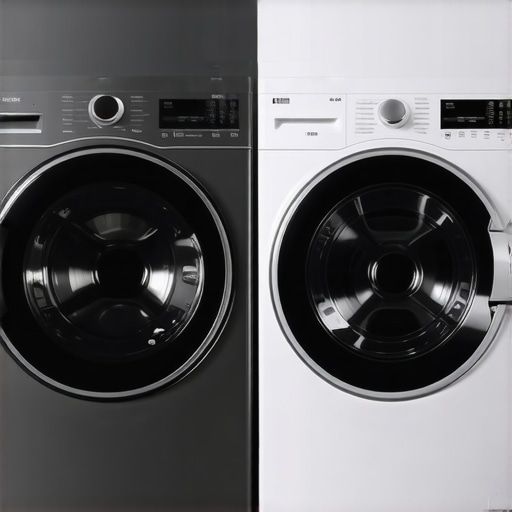
Early on, I made the mistake of assuming that all washers are created equal. I didn’t realize that the differences in design affect performance, efficiency, and maintenance. For instance, I overlooked that front loaders are generally more energy-efficient but can be pricier and require more maintenance, while top loaders tend to be more budget-friendly and faster but may use more water. Want to see how these factors stack up? Check out this comprehensive guide on washer capacity and efficiency to get a clearer picture.
Understanding these nuances can save you from costly mistakes and ensure your laundry routine is smooth and hassle-free. So, are you ready to dive into the details and find out which laundry machine suits your needs best? Let’s explore the key differences and help you make an informed decision that you’ll be happy with for years to come.
Assess Your Laundry Capacity Needs
Start by measuring how much laundry you typically wash in one load. This step is crucial because it directly influences your choice between a front or top load washer. To do this accurately, gather a few laundry baskets and fill them with your usual load. Note the weight or volume. For more precise guidance, check out this capacity selection guide which helps you understand how capacity impacts performance and efficiency.
Determine the Right Capacity
If your daily laundry is small, a compact model might suffice, but for larger families or frequent laundry, consider a machine with higher capacity. Use a capacity tips article to match your needs with the appropriate washer size, ensuring fewer loads and better energy use.
Compare Efficiency and Performance
Once you know your capacity, analyze how each washer type performs in key areas like water and energy consumption. Front loaders typically use less water and energy, but they might require more maintenance. Top loaders are generally faster and often more budget-friendly but tend to use more resources. To see detailed performance comparisons, review this performance comparison guide.
Assess Your Maintenance Tolerance
Consider how much effort you’re willing to invest in maintenance. Front loaders often need routine gasket cleaning and careful handling to prevent mold. Top loaders usually require less upkeep but may have shorter lifespan. For a balanced view, this benefits comparison can help you decide which suits your cleaning habits better.
Evaluate Space and Design Preferences
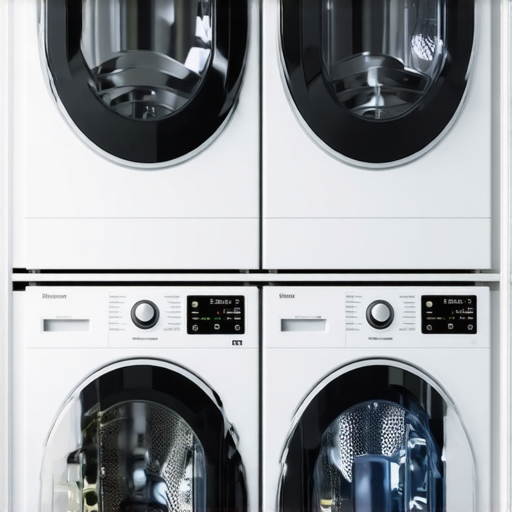
Measure your laundry room space carefully. Front loaders are stackable, saving room vertically, while top loaders require more horizontal space. Decide which configuration fits your laundry area best. If you need space-saving solutions, see this stackability analysis for detailed insights.
Consider User Experience
Think about ease of use. Top loaders allow you to add clothes mid-cycle easily, which might be a plus for busy households. Front loaders often have more gentle cycles, which benefit delicate fabrics. To explore these features further, this comprehensive guide breaks down user experience factors.
Make a Data-Driven Decision
Integrate your findings: capacity needs, efficiency, maintenance, space, and user experience. Use decision matrices or comparison tools, such as the comparison resources, to visualize which washer aligns best with your lifestyle.
Applying this step-by-step approach saved me from impulsive buying. I measured my laundry, checked performance data, and considered my space. The result? I chose a front loader with the right capacity and features, which has made my laundry routine more efficient and less stressful.
Many people believe that selecting a washing machine type is straightforward, but in reality, there are nuanced pitfalls that can trip up even the most diligent buyers. One common misconception is that front and top load washers are interchangeable in terms of efficiency and maintenance, which couldn’t be further from the truth. For instance, while front loaders are often lauded for their energy savings, many overlook that improper maintenance, like neglecting gasket cleaning, can lead to mold buildup and unpleasant odors. This issue isn’t just cosmetic; it can impact hygiene and appliance longevity. According to appliance experts, regular gasket maintenance is essential to keep front loaders running smoothly and avoid costly repairs or replacements. Therefore, understanding these subtle differences helps you avoid the trap of assuming all washers are low-maintenance and durable.
Another hidden nuance involves capacity misjudgment. Many assume that larger capacity equals better value, but this is a trap that can backfire if your household’s laundry habits don’t match the machine’s size. Overestimating capacity might lead to longer wash cycles and inefficient use of water and energy, especially if the machine is seldom filled to capacity. Conversely, choosing a machine that’s too small forces more loads, increasing energy consumption over time. To prevent this, it’s vital to assess your typical laundry volume accurately. Check out this capacity selection guide to make an informed decision.
Now, let’s address a common myth: that front loaders inherently outperform top loaders in every aspect. The truth is, performance varies based on specific models, and many overlook the importance of matching features to your needs. For example, some top loaders offer faster cycle times and easier maintenance, which can be more suitable for busy households. Meanwhile, front loaders excel in gentle cleaning and energy efficiency, but they might require a more careful approach to maintenance. This misconception can lead buyers to dismiss top loaders prematurely, missing out on models that might suit their lifestyle better. To compare these options comprehensively, review this performance comparison guide.
Have you ever fallen into this trap? Let me know in the comments. Understanding these subtle yet significant differences ensures your washer choice is truly aligned with your habits and expectations, saving you money and hassle in the long run.
Keep It Running Smoothly with the Right Tools
Maintaining your washing machine is essential to ensure it stays efficient and lasts for years. From routine cleaning to tackling common issues, the right tools make all the difference. Personally, I swear by a high-quality digital infrared thermometer. I use it to monitor the temperature of the washing drum and check for uneven heating, which can indicate motor or bearing problems. This simple device helps me catch issues early before they escalate, saving time and money. Additionally, a set of precision screwdrivers and plastic pry tools are invaluable for routine maintenance and minor repairs. I prefer tools with comfortable grips and magnetic tips to prevent losing small screws during disassembly.
For cleaning, a specialized gasket cleaner is a game-changer. I recommend a product like Affresh Washer Cleaner, which I use monthly to prevent mold buildup and keep the gasket seals in top condition. Regular maintenance extends the life of your washer and keeps it running at peak performance. As technology advances, I predict smart diagnostic tools will become more accessible, allowing homeowners to troubleshoot issues remotely via smartphone apps. Staying ahead with these innovations can significantly reduce downtime and repair costs.
How do I maintain my washer over time?
The key is consistency. Regularly wiping down the gasket with a cloth soaked in vinegar or specialized cleaner prevents mold and odors. Running an empty hot water cycle with a cleaning agent every month is also effective. Don’t forget to check and clean the filter and drain pump periodically—these small steps prevent clogs and ensure smooth operation. For electronic components, keeping software firmware up to date, if applicable, can fix bugs and improve performance. Lastly, always follow the manufacturer’s maintenance guidelines for your specific model to avoid voiding warranties or causing damage.
Remember, investing in quality tools and adopting a routine maintenance schedule can dramatically improve your laundry experience. Try integrating a digital thermometer and regular gasket cleaning into your routine, and you’ll notice fewer breakdowns and better wash results. Consistent upkeep not only preserves your appliance but also saves money in the long run, making laundry day less of a chore and more of a breeze.
To deepen your maintenance game, explore advanced diagnostic apps that connect with your washer via Bluetooth or Wi-Fi. These tools can provide real-time alerts and troubleshooting tips, empowering you to address issues quickly. As these technologies become more mainstream, staying informed and proactive will be vital for homeowners aiming to keep their laundry systems in top shape for years to come.
Choosing the right washing machine can feel overwhelming, but with a few insider tips, you’ll be making confident decisions that enhance your laundry routine. After all, your washer is a long-term investment that impacts your energy bills, clothing care, and daily convenience. Let me share some lessons I learned the hard way and how you can avoid common pitfalls.
How I Learned That Not All Washers Are Created Equal
- My biggest mistake was assuming front loaders are always better for energy efficiency. I didn’t realize that proper maintenance, like gasket cleaning, is essential to prevent mold and odors. Regular gasket cleaning keeps your front loader fresh and extends its lifespan.
- I underestimated the importance of capacity matching my household size. Choosing a machine that’s too large or small for my needs led to longer cycles or unnecessary water use. Use tools like the capacity selection guide to find your perfect fit.
- Assuming all top loaders are quick and budget-friendly is a myth. Some models offer faster cycles and easier maintenance, making them viable alternatives to front loaders depending on your lifestyle. Check out detailed comparisons to see what aligns best with your routines.
My Essential Tools for a Hassle-Free Laundry Experience
Investing in a digital infrared thermometer helps me monitor drum temperature and catch issues early. A set of precision screwdrivers and cleaning brushes makes routine maintenance straightforward. Regular gasket cleaning with products like Affresh keeps mold at bay and saves money on repairs. As technology advances, smart diagnostic tools that connect via Wi-Fi will make troubleshooting even easier, so stay tuned for future innovations.
Take Action and Make Laundry Day Better
Now that you’ve gained some insider wisdom, it’s time to evaluate your laundry needs carefully. Measure your typical laundry load, assess your space, and consider maintenance habits. Armed with this knowledge, you’ll make informed choices that make laundry less of a chore and more of a breeze. Remember, your perfect washer is out there—waiting to transform your laundry routine.
Reading this comprehensive guide really resonated with me. When I was choosing my last washer, I overlooked the importance of maintenance, especially gasket care for front loaders. It’s true that neglecting small upkeep can lead to mold and odors, which I experienced firsthand. Since then, I’ve adopted routine gasket cleaning and run monthly cleaning cycles, and my machine runs much more smoothly. I’ve found that planning ahead for maintenance is just as crucial as choosing the right capacity or space fit. I’m curious, does anyone have recommendations for user-friendly maintenance tools or eco-friendly cleaning products? Also, does anyone have experience with newer smart diagnostic apps that can help troubleshoot issues remotely? I think integrating these smart tools could make routine maintenance even easier and prevent costly repairs down the line.
This article hits home for anyone who’s ever felt overwhelmed standing in front of a laundry aisle. Like many, I initially assumed that bigger capacity was always better, but I learned the hard way that this isn’t the case. I found that choosing a washer that’s too large for my needs resulted in longer cycles and higher energy costs. It’s fascinating to see how proper assessment of your laundry habits can really optimize your appliance choice. I’ve started measuring my loads more carefully and selecting machines that match my routine, which has made my laundry days much more efficient. Does anyone have tips on how to estimate household laundry volume without buying a special scale or container? Also, I wonder how much differences in energy efficiency impact total utility bills for the average household over a year. Would love to hear more insights or personal experiences on this aspect.
Reading this article really made me reflect on my own laundry habits. I used to think bigger capacity was always better, but after experiencing longer cycles and higher utility bills, I started paying closer attention to my actual needs. I measured my typical loads and realized that a smaller, more efficient machine suits my lifestyle better, especially since I do laundry daily rather than in large batches. The tips on maintenance are also very helpful—I’ve been neglecting gasket cleaning, which I now see is crucial to prevent odors and mold in front loaders. I recently heard about smart diagnostic apps that can alert you to issues before they become major problems. Has anyone tried these? Do they truly save time and money? For those considering a new washer, I’d suggest taking a day to really analyze your laundry volume and habits first. That way, you can choose a machine that balances performance, efficiency, and maintenance easily. What’s been your biggest challenge in maintaining your washer, and how did you overcome it?
This post really made me reassess my own laundry choices. I used to assume that larger capacity washers would always save me time and energy, but I now realize that this isn’t always the case. I overestimated my household’s laundry needs and ended up with a machine that was underused, which led to longer cycles and higher utility bills. After measuring my actual laundry volume, I opted for a smaller, more efficient model that better matches my daily routine. I also appreciated the tips on maintenance, especially gasket care for front loaders — neglecting that was a mistake I made early on! I’ve started using eco-friendly gasket cleaner and running monthly cleaning cycles, which has significantly reduced odors. Has anyone tried automated maintenance alerts or smart diagnostic tools? I’m curious if those really make a difference in preventing breakdowns and extending the life of the washer. It’s impressive how a little planning upfront can save so much hassle and money in the long run. What’s been your biggest challenge with maintaining your washing machine and how did you tackle it?
This post really made me think about my own laundry routines and the importance of choosing the right machine based on my habits rather than just price or brand hype. I used to go for larger capacity washers, thinking it would cut down on laundry days, but I quickly realized that if my household doesn’t fill the machine completely, it results in longer cycles and wasted water, which isn’t cost-effective. Measuring my typical loads, I found a smaller, more efficient machine suited my needs perfectly, saving both time and resources.
The maintenance tips resonated with me, especially gasket cleaning for front loaders—neglecting that can indeed cause odors and mold, which is unpleasant and costly over time. I’ve started using eco-friendly gasket cleaners and run monthly deep-clean cycles to keep everything fresh. Has anyone tried smart diagnostic apps yet? I’ve been considering one that connects via Wi-Fi to monitor performance and alert me to issues early—seems like a smart way to extend the lifespan of my washer and prevent unexpected breakdowns.
What strategies have others found most helpful for balancing initial costs with long-term maintenance and efficiency? Finding that sweet spot makes laundry less of a chore and more of a smooth routine.