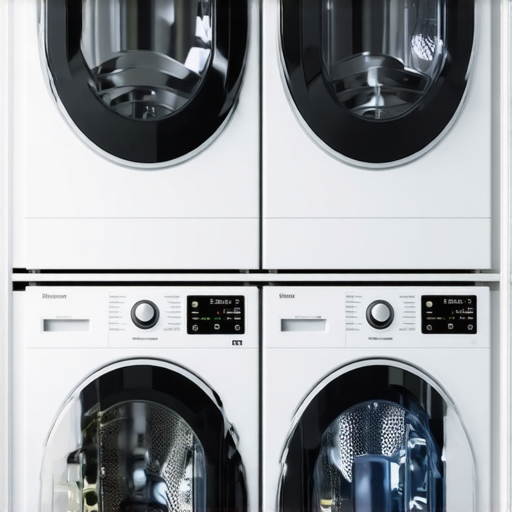
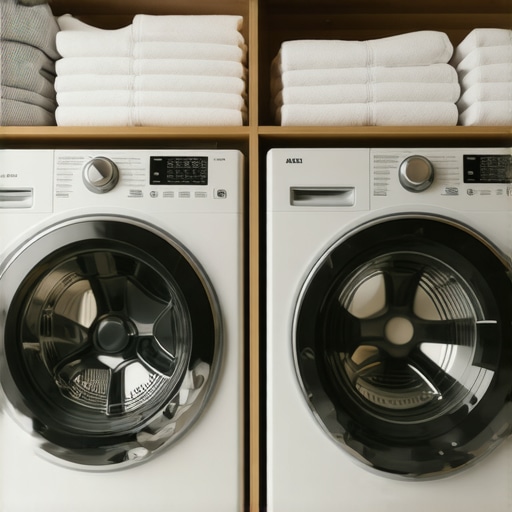
Have you ever stood in front of your laundry room, staring at a mountain of clothes, only to realize your washing machine just isn’t cutting it? I remember a time when I overloaded my old top-load washer, and the machine groaned under the weight. Not only did my clothes come out half-clean, but it also left me frustrated and questioning my choice of appliance. That lightbulb moment made me realize something crucial: the capacity and type of washer I select can make or break my laundry experience.
Why Your Washer Choice Matters More Than You Think
Choosing the right washer isn’t just about size; it’s about efficiency, convenience, and even saving money in the long run. An ill-suited washer can lead to longer wash cycles, higher energy bills, and more frequent repairs. According to a recent study, about 30% of appliances break down due to improper use or selecting the wrong size for your needs. That statistic hit home for me, because I had been guilty of ignoring capacity guidelines, leading to premature wear and tear.
Are You Making This Common Washer Mistake?
Early in my laundry journey, I made a mistake I see many others make—focusing solely on price or brand without considering capacity. I bought a compact washer thinking I’d save space, but I quickly found it was too small for my family’s needs. This oversight forced me to run multiple loads, wasting time and energy. I wish I had known earlier about the importance of matching washer capacity with my laundry habits. If you’re unsure whether to go for a top or front load, or what size suits your household, you’re not alone. I encourage you to explore this guide, which will help you make an informed decision, backed by insights from experts and real-world experience.
The Big Decision: Top Load vs. Front Load
Assess Your Laundry Habits Before Picking a Washer
Start by tracking how many loads you do weekly and the typical size of your laundry. For example, I once kept a laundry journal for a week and realized I was running small loads multiple times daily, indicating I needed a larger capacity washer. This helps avoid the trap of purchasing a washer that’s too small or unnecessarily large, both of which can lead to inefficiency.
Determine the Right Capacity Based on Household Size
For Singles and Couples
Consider a washer with a capacity of 3.5 to 4.5 cubic feet. These models handle daily laundry without waste. When I upgraded to a 4.2 cu ft model, I noticed I could wash a full load of bedding or multiple days’ worth of clothes in one go, saving time and energy.
For Families of 3-4
Opt for a capacity of 4.5 to 5.5 cubic feet. This size accommodates bulky items and larger loads comfortably. I recommend checking the capacity tips to match your specific needs.
For Larger Families or Heavy Laundry
Choose models with 5.5+ cubic feet. These are designed for frequent, large loads. I once had to wash a mountain of laundry for a family reunion, and a larger capacity washer made the process much smoother.
Compare Top Load and Front Load Washers for Capacity
Front load washers generally offer larger capacities within a compact footprint, ideal for maximizing space. Top load models tend to be more budget-friendly and easier to load for some users. To see which fits your needs, review this comparison guide.
Match Washer Size with Your Space Constraints
Measure your laundry area carefully. For small spaces, a front load washer can be stacked with a dryer, saving room. I once repurposed a closet for stacking a front load washer, which freed up space for storage while maintaining capacity needs. Use this capacity tips for optimal selection.
Test Your Chosen Washer with a Full Load
Before finalizing your purchase, test the washer with a typical load to ensure it fits comfortably and washes effectively. I visited a showroom and tested a few models, noting how easily I could load and unload. This practical step prevents future frustration and ensures your selected washer meets your capacity needs.
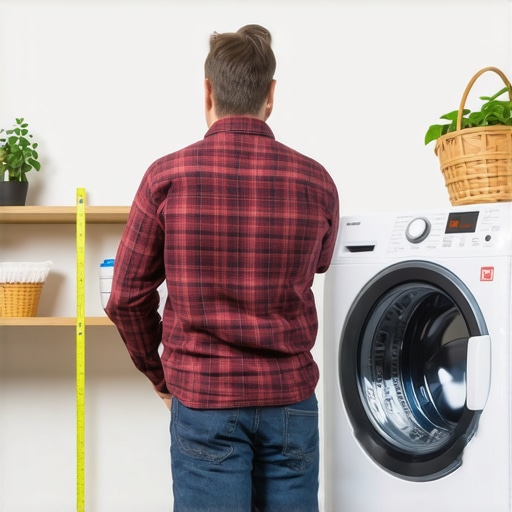
Many laundry enthusiasts and even seasoned homeowners often operate under misconceptions when selecting a washing machine, believing that size and brand are the sole factors. However, let’s dig deeper into the nuances that can significantly impact your washer’s performance and longevity. Understanding these advanced details can save you from costly mistakes and ensure your laundry routine is both efficient and effective.
Contrary to Popular Belief: Bigger Is Not Always Better
While it seems intuitive that a larger capacity washer is better for big families, this is a misconception. Oversizing your washer can lead to inefficiency, as full loads are seldom achieved, resulting in wasted water and energy. Conversely, undersized washers strain under larger loads, causing premature wear. The key is to match capacity precisely to your typical laundry volume. For example, a 4.2 cu ft washer might be perfect for a family of four, but a 5.5+ cu ft model may be unnecessary, leading to higher upfront costs and energy consumption. To fine-tune your choice, consider your weekly laundry habits and consult expert capacity guidelines.
The Oops Factor: Overloading and Underloading
One common trap is overloading, which many assume boosts efficiency. In reality, it hampers cleaning performance, damages clothes, and stresses the machine’s components. Underloading, on the other hand, wastes water and energy. The optimal load size is typically about 80% of the drum capacity. Be cautious with this rule—overloading can also affect spin efficiency, leading to longer drying times and increased energy use. Always refer to your washer’s manual for loading recommendations to prevent these pitfalls.
Advanced Mistake: Ignoring Washer Type and Its Nuances
Many consumers focus solely on capacity without considering the differences between top load and front load washers. Each type has unique nuances affecting capacity utilization, cycle options, and maintenance needs. For instance, front load washers generally offer larger capacities in a smaller footprint and are gentler on clothes, but they require more maintenance to prevent mold buildup. Top load washers, while often more budget-friendly, may have limitations in capacity and cycle flexibility. Understanding these distinctions allows you to choose a machine that aligns with your specific laundry demands and space constraints. To explore this further, check out this comprehensive guide.
Expert Tip: The Myth of Energy Efficiency and Cycle Speed
Many assume that faster cycles always mean less energy consumption, but this isn’t necessarily true. Shorter cycles may require higher water temperatures or aggressive agitation, which can increase energy use. Conversely, longer, eco-friendly cycles often use less energy overall, especially if paired with proper load sizes. According to a study by the Department of Energy, choosing eco modes and appropriate cycle times based on load size results in significant savings. Be cautious of marketing claims that emphasize speed over efficiency—look for machines with adjustable cycle options that match your laundry needs.
In summary, mastering the nuances of washer selection involves understanding capacity alignment, load management, washer type differences, and cycle efficiency. Avoid the common myths and traps, and you’ll ensure a longer-lasting, more efficient laundry setup. Have you ever fallen into this trap? Let me know in the comments.
Maintaining your washing machine is crucial for ensuring it operates efficiently and lasts for many years. Over time, even the best appliances require regular care to prevent breakdowns and maintain optimal performance. In this post, I’ll share the specific tools and methods I personally use to keep my washer in top shape, along with insights into long-term care and future trends in appliance maintenance.
How do I maintain my washing machine over time?
First and foremost, I recommend investing in a high-quality digital multimeter. I use mine monthly to check the electrical connections, ensuring there are no loose wires or electrical faults that could cause issues down the line. Regularly inspecting the power supply and control board helps catch problems early, saving money on costly repairs. Additionally, a set of basic screwdrivers and a soft brush are essential for cleaning lint filters, drain filters, and accessible internal parts. Keeping these components free of debris prevents clogging and ensures smooth operation.
Another tool I swear by is a dedicated washing machine cleaner. I use a commercial descaler once every three months, following the manufacturer’s instructions, to dissolve mineral buildup and soap scum that can impair drum rotation and water flow. This simple step prolongs the life of vital components like the drum bearings and the water inlet valves. For example, I prefer products like Affresh or Glisten, which are proven to remove residues effectively.
What about software and monitoring tools?
In the age of smart appliances, I’ve integrated a Wi-Fi-enabled diagnostic tool that connects to my washer’s control panel. This device alerts me to error codes, maintenance reminders, and cycle data via a smartphone app. This proactive approach has saved me from unexpected breakdowns—by catching issues early, I can plan repairs or maintenance at my convenience.
Looking ahead, I predict that appliance maintenance will become increasingly automated, with IoT (Internet of Things) devices monitoring key components and predicting failures before they happen. This trend will make long-term maintenance more accessible and less intrusive for homeowners.
Why is regular maintenance important?
Regular upkeep reduces the risk of costly repairs and downtime. It also helps maintain energy efficiency, saving you money on utility bills. In my experience, simple tasks like cleaning the lint filter, checking hoses for leaks, and running eco-friendly cleaning cycles every few months extend the lifespan of the machine significantly.
Finally, I encourage everyone to document their maintenance routine and keep a log of any repairs or part replacements. This habit not only helps track the health of your appliance but also assists future troubleshooting efforts. For more detailed guidance on routine maintenance tailored to your specific washer model, consult the manufacturer’s manual or visit trusted review sites like this resource.
Start implementing these precise tools and methods today, and you’ll enjoy a reliable, efficient laundry process for years to come!
The Hardest Lesson I Learned About Washer Capacity
One of my biggest realizations was that bigger isn’t always better when it comes to washing machines. I once bought a massive 5.5 cu ft front load washer for my small apartment, thinking it would save me time. Instead, I often found myself running half-empty loads, wasting water and energy. The lightbulb moment was understanding that capacity should match my actual laundry volume, not just what I wish I had. This taught me to assess my weekly laundry needs carefully before choosing a machine.
3 Myths About Washer Capacity That Held Me Back
Initially, I believed that a top-load washer was inherently less efficient than a front load, which isn’t true. I also thought that larger capacity always meant better, and that I should opt for the biggest model available. Finally, I assumed that overloading would improve efficiency—big mistake. My experience taught me to look beyond these myths and focus on matching capacity with household size and actual laundry habits. For expert insights, I recommend checking out comprehensive guides like this resource.
What Experts Won’t Tell You About Washer Capacity
Many professionals emphasize that selecting the right capacity isn’t just about size—it’s about understanding load management. Overloading damages clothes and the machine, while underloading wastes resources. Experts also highlight the importance of considering washer type; for example, front load washers often offer larger capacities in smaller footprints, but require proper maintenance to prevent mold. These nuanced insights can drastically improve your laundry routine and extend your appliance’s lifespan.