I remember the first time I overloaded my washing machine—clothes spilling out, water pooling on the floor, and a sinking feeling in my stomach. That mishap wasn’t just a mess; it was an eye-opener about how much waste our appliances can generate without us realizing it. Since then, I’ve been on a mission to find out which washing machine type truly conserves water—top load or front load—and how we can avoid wasting it in our busy lives
Why Water Conservation in Laundry Matters More Than Ever
In 2026, as water scarcity becomes a growing concern worldwide, understanding how our household appliances impact our precious resources is crucial. Did you know that laundry accounts for about 22% of household water usage? That’s a significant share, and choosing the right washer can make a real difference (source). But here’s the frustrating part: many of us buy laundry machines based solely on capacity or price without considering their water efficiency. That’s a mistake I made early on, thinking all washers are created equal. Instead, I discovered that some models, especially front load washers, can significantly cut down water usage—saving both the environment and my utility bill. If you’ve ever wondered whether your current machine is wasting more water than it should, or if you’re debating a replacement, this post is for you. We’ll dive into real-world insights and practical tips to help you make a smarter choice. Ready to learn which washer actually waters down less? Keep reading, because understanding this can change the way you do laundry—without sacrificing clean clothes or your wallet.
Is the Hype Around Front Load Washers Overblown? Why I Learned the Hard Way
Early in my appliance journey, I thought bigger was better, and I stuck with the familiar top load models. My mistake was overlooking the small but mighty differences—like water efficiency—that could have saved me hundreds over time. Trust me, it’s easy to fall into traps like overestimating capacity or assuming all machines are equally eco-friendly. For a helpful comparison, check out this guide to washer capacity. It’s packed with insights to help you avoid my pitfalls and choose a washer that’s not just suitable but optimal for your water-saving goals. Now, with that cautionary tale in mind, let’s explore the real differences between top load and front load washers—and see which one truly conserves water in 2026.
Select the Optimal Washer Count and Size for Your Laundry Needs
Start by evaluating your typical laundry volume. For small households, a washer with a smaller capacity will prevent water wastage from overloading. My first step was to measure how many loads I do weekly, then compare that to washers’ capacities to avoid running partial loads, which waste water and energy.
Determine Your Ideal Capacity Exact
To match capacity, consider the specific size of your typical loads. Think of your washer as a bucket — a larger one can hold more, but if you mainly wash small loads, it’s like having a giant bucket that remains mostly empty. This saves water and extends your appliance’s lifespan. Use the capacity comparison guide to find the sweet spot for your household.
Pick the Right Washer Type Based on Efficiency
Choosing between front load and top load washers is crucial. Front load washers generally use less water per cycle like a well-designed watering can, whereas top load models are more like a hose — faster but potentially wasteful if overloaded. I switched to a front load model after realizing it minimizes water use, particularly for smaller loads. Check the full comparison before deciding.
Assess Your Space and Accessibility Needs
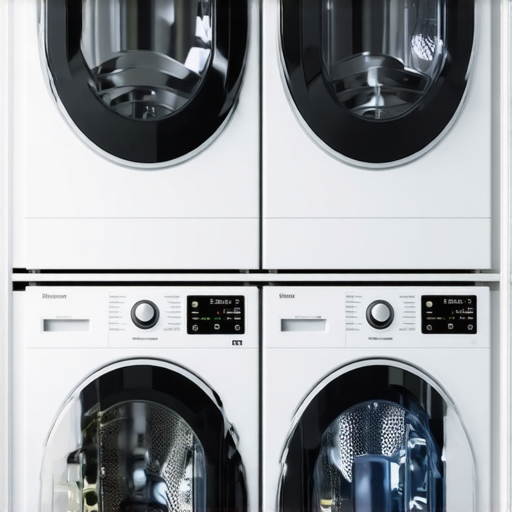
Quantity isn’t the only factor. Your laundry space matters. If you have limited room, a front load washer stacked with a dryer might be more efficient, but ensure it’s accessible as bending or reaching high can lead to less frequent use, defeating the water-saving purpose. Visualize placing your washer and understand the access implications, similar to fitting a bicycle into a small garage — smart placement is key.
Test Before Committing
Once you’ve shortlisted models, test their water consumption if possible. Many local appliance stores provide demonstrations. Alternatively, read reviews to see real-world water use reports. I once borrowed a demo model and ran a few test cycles, noticing how some brands used significantly less water for comparable loads, confirming my choice.
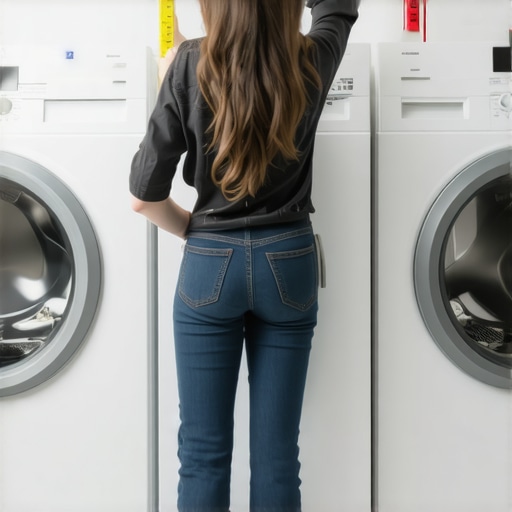
Illustration of a person measuring laundry load sizes against washer capacities, emphasizing the importance of matching load size to washer capacity for water efficiency.
Many laundry enthusiasts believe that bigger capacities and more features automatically lead to cleaner clothes and better efficiency, but that’s a misconception worth challenging. One common myth is that top load washers always use less water because they’re traditional and familiar. In reality, modern front load models are often more water-efficient, especially if you’re mindful of load sizes. Relying solely on capacity numbers without understanding the nuances can lead to significant waste; for instance, overloading a washer can reduce cleaning effectiveness and cause long-term damage—yet many still push their machines to max capacity, thinking more is better. This mistake may seem minor, but it undermines water conservation efforts and shortens appliance lifespan.
A less obvious but critical aspect is the importance of selecting the right capacity for your typical laundry loads. Using a washer that’s too large for your needs results in unnecessary water and energy use, while a too-small model forces extra cycles, also wasting resources. Advanced users understand that matching the washer capacity precisely to their laundry volume is key, and this involves more than just capacity numbers—consider load weight and fabric type as well. To make smarter decisions, consult detailed guides such as this resource on capacity tips.
Furthermore, many assume that all washing machines are equally eco-friendly by default, but this overlooks the latest technological innovations. Energy-efficient models incorporate smart water usage algorithms and spin cycle optimizations that cut water waste and energy bills. Choosing these models can be complex, and it’s wise to look beyond brand labels and focus on the actual features. For instance, front load washers often incorporate eco modes that can reduce water consumption by up to 50%, according to industry experts. Yet, if you ignore these nuances and opt for the cheapest or most familiar model, you might miss out on substantial savings and environmental benefits.
Have you ever fallen into this trap? Let me know in the comments! Remember, the key to smarter laundry isn’t just about capacity or brand popularity but understanding the subtle little details that can make a big difference in water conservation and ongoing costs. Approaching your washing machine habits with an expert eye can help you avoid costly mistakes and contribute to a more sustainable lifestyle.Maintaining your washing machine in top condition is essential for long-term efficiency and performance. Personally, I rely on a combination of dedicated cleaning tools and smart software to ensure my laundry routines remain smooth and water-efficient. One tool I swear by is a high-quality washing machine cleaning tablet, like Affresh. I use it every three months to dissolve soap scum and mineral buildup — common culprits behind vibration issues and water wastage in front load washers. Regular cleaning with these tablets helps maintain optimal water flow and prevents mold from developing, which can compromise cleaning efficiency over time. For manual cleaning, a soft brush is invaluable for cleaning detergent dispensers and door seals, areas prone to grime accumulation. These small but vital tasks reduce the risk of blockages that can lead to uneven washing cycles and extra water use. On the software side, I recommend installing a smart maintenance app synchronized with your washing machine, especially if your model supports Wi-Fi connectivity. Many modern washing machines come with built-in diagnostic features. For instance, LG’s ThinQ app provides remote alerts for filter cleaning or unusual vibrations that could indicate underlying issues. Having this real-time feedback allows proactive maintenance, extending the appliance’s lifespan and saving water and energy in the long run. As technology advances, I predict we’ll see more AI-driven diagnostics that learn usage patterns, predicting maintenance needs before problems arise. This trend is likely to make appliance care more intuitive and less reactive, enabling us to prevent issues like overloading or imbalance that waste water. If you’re serious about keeping your machine working efficiently, I suggest integrating both physical cleaning tools with smart management software. Regularly scheduled use of cleaning tablets combined with monitoring apps can dramatically improve your washer’s performance and longevity. To deepen your understanding, I recommend reading the detailed maintenance routines outlined in industry experts’ guides, such as the comprehensive approach discussed in Appliance Magazine. Implementing these tips will help you avoid common pitfalls, like overloading or neglecting filter cleaning, which can lead to increased water consumption and premature machine failure. Start with a bi-monthly cleaning routine using high-quality tablets and explore available smart diagnostics—these small steps pay off by ensuring your washer remains water-efficient and reliable for years to come. Remember, proactive maintenance isn’t just about avoiding breakdowns; it’s about optimizing your entire laundry process for long-term savings and sustainability.
What I Wish I Knew Before Upgrading My Washer
One of the most valuable lessons I learned was always prioritizing water efficiency over capacity alone. I used to believe bigger was better, but in reality, choosing a washer that matches my actual laundry needs saved me hundreds of gallons annually and reduced my utility bills.
Another insight came from realizing that many modern front load washers incorporate eco-friendly features that dramatically cut down water use. Switching to one wasn’t just about saving water; it also shortened cycle times and extended the machine’s lifespan, proving the importance of reading beyond specs.
Lastly, maintaining my washing machine regularly — especially through simple tasks like cleaning filters and seals — kept it running efficiently, avoiding unnecessary water wastage caused by blockages or mold. Proactive care made a significant difference, highlighting that appliance longevity goes hand-in-hand with water conservation.
My Top Resources for Smarter Laundry Choices
- Comprehensive Capacity Guides: I rely on articles like this guide to understand how to match washer capacity exactly to my laundry volume, preventing waste.
- Efficiency Feature Listings: Websites highlighting eco modes and smart sensors help me identify models that genuinely conserve water, saving me from overspending on features I won’t use.
- Maintenance Checklists: Regular care routines from trusted appliance sites keep my washer in top shape, ensuring continuous water efficiency.
- Award-Winning Brands: I trust brands recognized for innovation and sustainability—reviews from industry experts have guided my purchases and upkeep routines.
Your Next Step Toward Smarter Laundry
Embracing water-efficient washing machines is more than just a purchase—it’s a commitment to sustainability and financial savings. Dive into detailed guides, consider your specific laundry habits, and choose a model that aligns with your values and needs. Small changes today can lead to significant environmental impacts tomorrow. Ready to make smarter laundry choices? Let’s start the journey now!
I really appreciate this detailed look at water conservation in laundry, especially the emphasis on load size matching and choosing eco-friendly features. When I upgraded my washer last year, I was surprised to learn that front load models often have eco modes that can cut water use by nearly half if used correctly. It’s a game-changer for those of us trying to reduce our environmental impact. What’s been your experience with smart maintenance tools like diagnostic apps? I’ve found that scheduling regular cleanings not only preserves water efficiency but also extends the lifespan of the machine, saving money long-term. For someone on the fence about switching to a front load, would you recommend testing a few models at local stores first, or are online reviews sufficient to gauge water efficiency? I’d love to hear how others are balancing convenience with eco-consciousness—any tips for making the most of these new tech features?