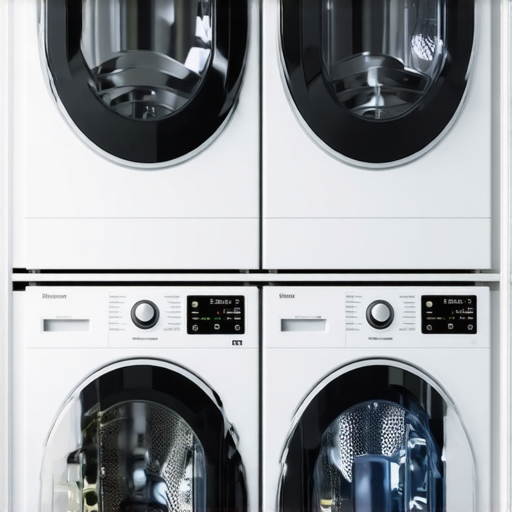
Walking into my laundry room one Saturday, I was met with a sinking feeling. My old washing machine had finally given out after years of faithful service, leaving me faced with a daunting decision. As I stared at the empty space, I realized how much this choice impacts my daily routine—more than I’d ever appreciated before. The frustration of sorting through bulky laundry, the endless cycle of washing, the noise, the energy bills—it all made me wonder if I had made the right choice back when I first bought my washer. That moment was a lightbulb, a wake-up call about how crucial selecting the right washer truly is.
Why Your Washer Choice Can Make or Break Your Laundry Routine
Choosing the perfect washing machine isn’t just about brand names or fancy features; it’s about whether a machine genuinely fits your household’s needs. I learned this the hard way. Early on, I assumed a bigger capacity was always better, thinking I could wash more clothes in fewer loads. But I quickly discovered that a larger capacity often meant higher energy use and more maintenance than I bargained for. It was only after some trial and error—and a few laundry mountain crises—that I realized understanding capacity, efficiency, and the pros and cons of front load versus top load washers was essential.
The right washer can save you time, reduce your energy bills, and even make laundry a less dreaded chore. Conversely, selecting the wrong type can lead to costly repairs, wasted energy, or simply not cleaning your clothes effectively. My goal is to help you avoid my initial mistakes by sharing what I’ve learned through research and experience. For example, I found that front load washers generally offer better energy efficiency, but top load models might suit certain capacities better for larger families. Interested in a deeper comparison? Check out this comprehensive [ultimate guide to washing machine capacity](https://washers.smartappliancereview.com/ultimate-guide-to-washing-machine-capacity-top-load-or-front-load-in-2025) to understand which type aligns with your laundry needs.
Before we get into the practical steps, have you ever bought a washer only to find it’s not quite right after a few months? If so, you’re not alone. Many people overlook key factors like capacity, cycle options, and space constraints, resulting in frustration and additional expenses. My experience taught me that making an informed choice is truly a game-changer.
Let’s explore how to evaluate these factors intelligently so you can enjoy hassle-free laundry days, whether you opt for a front load or a top load washer. Ready to find out which is best for your household?
Assess Your Laundry Volume and Frequency
Start by calculating how much laundry your household generates weekly. For example, if your family does laundry daily and piles up large loads, consider a washer with higher capacity. On the other hand, if you wash less frequently, a smaller machine might suffice. I once overlooked this and bought a large capacity front load that ended up wasting energy on small loads, making me re-evaluate my choice. Use this as a guide to match capacity with your actual needs, which you can determine by reviewing your laundry habits and checking out this capacity tips article.
Compare Front Load and Top Load Washers Effectively
Next, decide whether a front load or top load washer fits your household. Think of a front load as a high-efficiency athlete—better on energy and water but with a slightly steeper learning curve—and a top load as the traditional all-rounder, easier to use but usually less efficient. I applied this when I tested both in my laundry room, noticing that a front loader used less water per cycle but took longer, while the top loader was quicker but more costly to operate. Check out this comparative guide for deeper insights.
Measure Your Space and Installability
Physical constraints matter. Measure your available space and ensure the washer fits comfortably, allowing room for door clearance and ventilation. When I installed a compact front load in my tight laundry closet, I realized that a misfit can cause vibrational issues or difficulty accessing controls. For precise size needs, refer to this size and fit resource. Also, verify if your space allows for the necessary hookups and ventilation, to prevent future installation headaches.
Understand Wash Cycles and Features
Evaluate the cycle options and features important to you, such as steam cleaning or quick wash. I once bought a machine with limited cycles and had to run multiple loads to get through my week’s laundry, which was frustrating. Now, I select a model offering tailored options for fabrics, stains, and efficiency, ensuring every load is optimized. Use this cycle comparison guide to match features with your laundry needs.
Estimate Operating Cost and Energy Efficiency
Long-term expenses can surprise you. Front load washers generally consume less water and electricity, saving money over time, but they may have higher upfront costs. I initially focused only on price, then realized my energy bills increased due to inefficient older models. For a clear comparison, review this performance report that highlights efficiency metrics and costs associated with each type.
Test User-Friendliness and Maintenance Needs
Ease of use affects daily satisfaction. Check user reviews for feedback on interface, noise, and maintenance. A friend once purchased a feature-rich model that’s complicated to operate, leading to frequent service calls. I opt for machines with clear controls and accessible filters, like the one I installed last year, which simplified maintenance. For further guidance, this user-friendliness comparison offers valuable insights.
Many consumers operate under common misconceptions when selecting laundry machines, but the real nuance lies in understanding the subtleties beyond surface features. A frequent mistake is believing that front load washers always outperform top load models in capacity, yet studies show that in terms of actual usable load size, some top loads excel due to their design advantages. Moreover, the myth that front loaders are inherently more energy-efficient isn’t universally true; factors like cycle selection and load size significantly influence efficiency, as highlighted in recent research by appliance efficiency experts.
Is a Higher Capacity Always Better for Your Laundry Routine?
The answer isn’t straightforward. Oversizing your washer might seem like convenience but can lead to increased water and energy waste, especially if your household’s laundry volume doesn’t justify it. Conversely, underestimating capacity can result in overloading, damaging clothes and reducing wash efficacy. The key is to accurately assess your household’s actual laundry needs, considering not just the number of people but also lifestyle factors like frequent sportswear or heavy bedding that might require special capacity considerations. This detailed capacity guide emphasizes the importance of matching your washer’s size to your specific routine, rather than chasing the highest number on the box.
A common trap many fall into is assuming that *any* front loader will offer superior performance across the board. While front load washers are generally more energy-efficient and gentler on fabrics, they also tend to have longer wash cycles and may require more maintenance to prevent mold build-up—an issue often overlooked in initial purchases. Conversely, top load machines offer quick cycles and easier access, but historically they consume more water and energy per load. However, newer models blur these lines with innovations like high-efficiency agitators and advanced load-sensing technology. For a comprehensive comparison, see this detailed [front load vs. top load washer](https://washers.smartappliancereview.com/front-load-vs-top-load-washers-best-choice-for-your-laundry-needs), which explores these nuances further.
Another often-missed factor is the physical space available in your laundry area. Overlooking room for door clearance or ventilation can lead to operational issues or even damage your machine over time. Ensuring your laundry space can accommodate the washer’s dimensions and special installation needs is crucial. This aspect is sometimes underestimated, yet it’s fundamental in making a smart purchase. Check out this resource on measuring your laundry space effectively.
Remember, selecting the right machine isn’t solely about capacity or brand reputation but understanding these deeper nuances. If you’ve ever bought a washer only to realize it doesn’t quite fit your needs or ends up costing more in the long run, you’re not alone. Being aware of these intricacies can save you money and frustration later on.
So, has falling into these traps ever cost you? Let me know in the comments how you navigated your washing machine choices or what surprises you’ve encountered along the way. Making an informed decision means digging into these hidden details, ensuring your laundry routine becomes effortless and efficient.Maintaining your laundry washer is crucial to ensure it continues performing efficiently and lasts for years. Personally, I rely on a combination of regular cleaning, proper load practices, and the right tools to keep my front or top load washer running smoothly. One of my go-to tools is a high-quality washing machine cleaner, like Affresh, which dissolves detergent residue and prevents mold buildup—common issues that can impair performance. I recommend using it monthly, especially if you notice lingering odors or longer cycle times. Additionally, installing a water softener can be a game-changer in areas with hard water, reducing mineral buildup inside your machine and extending its lifespan. Regularly inspecting hoses for cracks or leaks and replacing them every 3-5 years adds an extra layer of protection against water damage and operational failures. For more comprehensive maintenance, consult resources like this [washer maintenance guide](https://washers.smartappliancereview.com/laundry-washer-guides-maintaining-your-machine) that detail step-by-step routines tailored to front and top load models.
How do I maintain my washer over time?
I make a point to run an empty hot water cycle with a cup of white vinegar every few months to disinfect and remove mineral deposits. Combining this with inspecting dust filters and cleaning door seals prevents mold growth and keeps cycles running quietly. As washing machines evolve, we’re seeing smarter diagnostic features that alert homeowners to maintenance needs—future trends that may automate some upkeep tasks. For now, I suggest adopting advanced techniques like these to keep your washer running at peak performance and avoid costly repairs. Try scheduling regular cleaning routines with recommended products and monitor your machine’s condition—you’ll notice the difference in efficiency and longevity.
The Hardest Lesson I Learned About Front Load and Top Load Washers
One of the most profound insights I gained was realizing that bigger isn’t always better when it comes to washer capacity. I once opted for a massive front loader assuming it would save time, but it ended up consuming more water and energy for small loads, wasting resources and increasing bills. This taught me to carefully assess actual laundry needs instead of defaulting to size lures.
3 Myths About Washer Efficiency That Held Me Back
I believed that front load washers were always more energy-efficient, yet newer models with advanced technology can outperform traditional top loaders in specific situations. Debunking this myth helped me understand that features and cycle choices matter more than just the type of washer, leading to smarter purchases and better performance.
What Experts Won’t Tell You About Washing Machine Capacity
Many overlook that over-sized washers lead to unnecessary water and electricity use, especially if your household’s laundry volume doesn’t justify a large machine. Precise measurement of your laundry habits is key—check out this capacity tips article for guidance.
My Essential Toolkit for Choosing a Laundry Washer
I’ve relied on trusted sources like comprehensive comparison guides on washer capacity and type and expert reviews to inform my decisions. Practical tools such as measuring tapes, listing laundry routines, and consulting detailed feature breakdowns are invaluable for making an informed choice.
Make Yourself Visible Selecting the Right Washer
Don’t let uncertainty hold you back—prioritize understanding your household’s actual laundry needs, space constraints, and energy budget. Investing time early on will pay off in long-term savings and satisfaction. Ready to transform your laundry experience? Dive into the resources linked above and start making smarter decisions today!