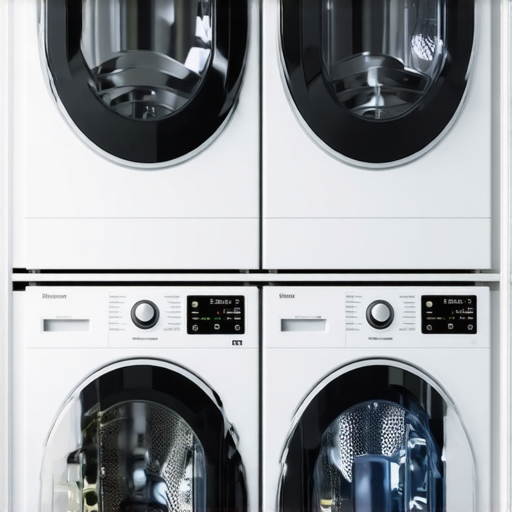
Ever wrestled with laundry day and felt overwhelmed by the sheer amount of dirty clothes piling up? I remember the moment I realized my old washer just couldn’t keep up with my family’s needs. Clothes were overflowing, and I was wasting precious hours re-washing loads because I underestimated how much my machine could handle. That lightbulb moment led me down the rabbit hole of washer capacity and the eternal debate between front load and top load washers. If you’ve faced similar frustrations, you’re not alone. Today, I promise to help you cut through the confusion and find the perfect washer that matches your laundry habits and space. We’ll dive into the capacity differences, real-world benefits, and how to choose what’s best for your home.
Why Washer Capacity Matters More Than You Think
When I first bought my washer, I thought size didn’t matter much — until I realized I was doing laundry twice as often because my machine was too small! It’s a common mistake I see people make: they pick a washer based on price or appearance, not capacity. But the truth is, a washer’s capacity impacts your daily routine, energy bills, and even how long your machine lasts. Choosing the right size can save you time and money, and keep laundry from turning into a never-ending chore. For a detailed comparison and tips, check out this ultimate guide on washer selection. It’s surprising to learn that some models on the market today are designed specifically to maximize capacity without sacrificing efficiency, making your laundry room more functional.
Is Bigger Always Better When It Comes to Washers?
That’s a question I wrestled with early on. I made the mistake of assuming a larger capacity meant better performance. Turns out, bigger isn’t always the answer. It’s about matching capacity to your actual laundry volume. For instance, if you have a big family or do a lot of bedding, a larger front load washer might be ideal. But if space is tight or your laundry loads are smaller, a top load with a moderate capacity could be perfect. The key is understanding your needs, which can be clearer after reading reviews like the best washer options for 2025. Avoid my early mistake of choosing a model just because it looked impressive — instead, focus on what actually fits your lifestyle.
Measure Your Laundry Loads Accurately
Start by tracking how much laundry you typically wash in one session. For example, I once filled a large laundry basket with clothes my family of four accumulated in just a few days. To get precise data, I weighed a typical load or counted the items. This helps determine the capacity you need—whether it’s a compact top load or a spacious front load. Remember, a washer’s capacity is measured in cubic feet or kilograms, so knowing your typical load size guides you to the right choice. For more detailed insights, check out this ultimate guide.
Match Capacity to Your Household Needs
Think about your household size and laundry habits. If you have a large family or wash bulky items like bedding frequently, aim for a washer with a higher capacity—something around 4.5 to 5.0 cubic feet for front loaders or 4.0 cubic feet for top loaders. Conversely, if you live alone or have small loads, a smaller model around 3.0 cubic feet might be enough. I once bought a huge front load washer for my apartment, thinking bigger was better, but I realized the smaller model suited my light laundry needs better and saved space. Use this capacity comparison guide to find your match.
Consider Space Constraints and Machine Dimensions
Measure your laundry room space meticulously. Use a tape measure to record the width, depth, and height available. For example, I once attempted to fit a large front load washer into a tight closet—only to realize later that I needed at least 2 inches of clearance around the machine for proper ventilation. Remember, a larger capacity machine often requires more space, so balance your laundry needs with your room’s dimensions. Check the product specifications and compare them with your measurements. For visual clarity, see this space and capacity guide.
Evaluate Your Laundry Frequency and Convenience
Think about how often you do laundry. If you need to wash large loads weekly, investing in a higher-capacity washer will cut down on trips to the laundry room. I made this switch when my kids started school, and it significantly reduced my laundry time. Larger machines can handle bigger loads in one go, saving you time and effort. However, ensure your household’s routine aligns with the machine’s capacity to avoid underutilization or overload. For a detailed comparison, visit capacity tips for efficiency.
Many homeowners operate under misconceptions about washing machines, especially when it comes to choosing between front load and top load models, or understanding what washer capacity truly entails. Let’s dig deeper into some of the most common pitfalls and myths that can trip you up in your laundry journey. Recognizing these nuances can help you make smarter, more efficient decisions, ultimately saving you time and money. Have you ever fallen into this trap? Let me know in the comments.
Myth: Bigger Washers Always Mean Better Performance
It’s a widespread belief that opting for the largest washer available guarantees the best cleaning results. While larger capacity machines can handle more laundry per load, they don’t automatically outperform smaller models in cleaning efficiency. In fact, an oversized washer used for small loads can lead to longer drying times, increased water and energy consumption, and even mechanical strain. The key is to match your washer’s capacity to your typical laundry volume. For example, if you mostly do small loads, a compact model might serve you better and conserve resources. To understand how capacity affects performance, check out the capacity comparison guide.
Why Many Overestimate Washer Capacity and Waste Resources
A common mistake is overestimating what constitutes a full load. People often load their washers to the brim, assuming it’s the most efficient way to wash. However, overcrowding can cause clothes to not tumble freely, leading to poor cleaning and increased wear. Conversely, underloading wastes water and energy. Accurate measurement of your typical laundry load, either by weighing or counting items, can help you select a washer with the right capacity. This precision ensures you’re not wasting resources on inefficient cycles. Find more tips on measuring your laundry needs in the ultimate guide.
Are Front Load Washers Really Better Than Top Load?
Many believe front load washers are superior because they are often marketed as more efficient and gentle on clothes. While they do tend to use less water and energy, they are also more prone to mold and require more maintenance. Top load washers, on the other hand, typically have a faster cycle time and are easier to load and unload. The choice depends on your specific needs, space constraints, and laundry habits. For a detailed comparison, explore the front load vs. top load comparison. Remember, the best washer is the one that fits your lifestyle, not just the marketing hype.
The Hidden Factor: How Washer Design Affects Capacity and Efficiency
Beyond size specifications, the internal drum design plays a critical role in how much laundry a machine can handle effectively. Some models have a more spacious drum that allows for larger loads without sacrificing cleaning quality. Others might have a smaller drum but use innovative agitation systems to maximize capacity. Additionally, load balancing features can prevent overloading, which is a common cause of mechanical issues. When shopping, consider these design nuances and read reviews to gauge real-world performance. For expert insights, the ultimate guide to washer design offers valuable tips.
In essence, understanding these hidden nuances and avoiding common myths will help you choose a washing machine that truly meets your needs. Don’t just go for the biggest or most popular model—think about your laundry habits, space, and long-term efficiency. When in doubt, seek out detailed guides and reviews to inform your decision. Happy laundry!
How do I maintain my laundry washer over time
Maintaining your washer is crucial for ensuring it performs efficiently and lasts longer. My go-to strategy involves a combination of routine cleaning, using the right detergents, and scheduling regular inspections. I personally recommend running a monthly cleaning cycle with a specialized washer cleaner, such as Affresh or Tide Washing Machine Cleaner, to remove soap scum and mineral deposits that can cause mold and odors. Additionally, I always leave the door or lid slightly open after laundry to promote airflow and prevent mold buildup, especially in front load washers which are more prone to this issue. For top load washers, I check and clean the agitator and filter periodically to prevent clogs and maintain optimal washing power. These simple habits dramatically extend your machine’s lifespan and keep your laundry fresh and efficient.
Tools I recommend to keep your washer in top shape
One of my most valued tools is a digital multimeter, which I use to periodically check the electrical connections and ensure the motor and control board are functioning correctly. I also rely on a high-quality vacuum with a narrow nozzle to clean dust and lint from the vents and behind the machine, reducing overheating risks. For cleaning, a soft microfiber cloth and a gentle brush are perfect for wiping down seals, door gaskets, and detergent dispensers to prevent mold and residue buildup. Lastly, I highly suggest investing in a water hardness test kit; knowing your water quality can help you choose the right detergent and descaling schedule, especially if you live in areas with hard water. These tools empower me to troubleshoot minor issues before they escalate, saving time and money in the long run.
Advanced maintenance tips for long-term washer health
Beyond routine upkeep, I recommend periodically inspecting the hoses for signs of wear or leaks. Replacing hoses every 3-5 years can prevent catastrophic flooding. Also, consider checking the drum’s balance and alignment—an unbalanced drum can cause excessive wear and noise. For front load washers, cleaning the door seal with a vinegar solution removes hidden mold and detergent residue. For top loaders, I suggest running an empty hot water cycle with a cup of white vinegar and baking soda every few months to dissolve mineral deposits and sanitize the drum. As technology advances, manufacturers are incorporating smart diagnostics, which can alert you to issues early. I predict that in the future, more washers will integrate IoT sensors to monitor performance and predict failures, making maintenance even easier and more proactive.
What are the best methods to extend the lifespan of your washer
One effective approach is to adhere strictly to load size recommendations based on your washer’s capacity. Overloading or underloading can strain components and reduce cleaning efficiency. Also, always use the appropriate type of detergent—HE (high-efficiency) detergents for front loaders, and avoid overuse, which leads to buildup. Regularly inspecting and cleaning filters, seals, and hoses prevents minor issues from becoming major repairs. Moreover, scheduling annual professional inspections can help identify issues like motor wear or electrical problems early. To maximize your washer’s performance, try implementing a monthly maintenance routine that includes running cleaning cycles, inspecting parts, and monitoring water quality. This proactive approach not only extends your machine’s lifespan but also ensures your laundry stays hygienic and odor-free.
Looking ahead, I believe that integrating more sophisticated sensors and AI diagnostics will become standard, helping homeowners maintain their washers with minimal effort. Staying ahead of potential issues by leveraging these innovations will save you both money and frustration. For a detailed guide on how to choose the best washer capacity and keep it running smoothly, check out this comprehensive ultimate guide. Remember, a little maintenance goes a long way in ensuring your laundry machine remains a reliable workhorse for years to come. Don’t forget to try my favorite tip: running a monthly vinegar and baking soda cycle to keep everything fresh and functioning efficiently. Happy washing!
Lessons the Laundry Room Taught Me That No One Else Will Share
- My biggest mistake was assuming bigger washers always meant better results. I learned that choosing the right capacity based on my actual laundry needs saved me resources and frustration.
- Understanding the internal drum design and load balancing features transformed my approach to maintenance, helping me prevent costly repairs and extend my washer’s lifespan.
- Routine small habits like running monthly cleaning cycles and inspecting hoses can dramatically improve performance and keep my laundry fresh, proving that consistent care beats reactive fixes.
- Experimenting with different models and reading real user reviews revealed that the perfect washer isn’t just about size but about how well it fits your space, routine, and long-term efficiency.
- Finally, I realized that proactive maintenance and smart capacity choices turn laundry from a chore into a manageable, even satisfying, part of my weekly routine.
Tools and Resources I Trust for Laundry Longevity
- Ultimate Guide to Choosing the Right Washer: This comprehensive resource helped me understand capacity, front load vs. top load differences, and space considerations. It’s my go-to for making informed decisions.
- Quality Washer Cleaners like Affresh: Regularly using these keeps mold and residue at bay, ensuring my washer stays hygienic and efficient.
- Water Hardness Test Kits: Knowing my water quality helped me pick the best detergent and plan descaling routines, which extended my machine’s life.
- Online Forums and Real User Reviews: Sharing experiences and tips with other homeowners has been invaluable for troubleshooting and discovering maintenance hacks.
Your Turn to Make Laundry Easier
Optimizing your washer capacity and establishing a simple maintenance routine can significantly reduce your laundry stress and extend your machine’s lifespan. Remember, the best washer is one that adapts seamlessly to your lifestyle and space, making laundry less of a chore and more of a breeze. Start small, stay consistent, and enjoy the results of a well-cared-for laundry machine. What’s your biggest laundry challenge right now? Let me know below and let’s troubleshoot together!
,
This post really hit home for me, especially the part about measuring your laundry loads accurately. I used to just toss everything in without much thought, which often resulted in overloaded or underloaded cycles. Since I started weighing my laundry or counting items, I’ve noticed my machine runs more efficiently, and I save on water and energy. It’s surprising how much of a difference a small step like this can make. I wonder if others have found that measuring loads has helped them reduce their utility bills or improve their washing results? Also, I agree with the point about space constraints—my laundry room is tight, so choosing a washer with the right dimensions has been crucial. Do you all have tips for maximizing small laundry spaces while still getting a machine that fits your needs? Would love to hear how others have managed this balance.