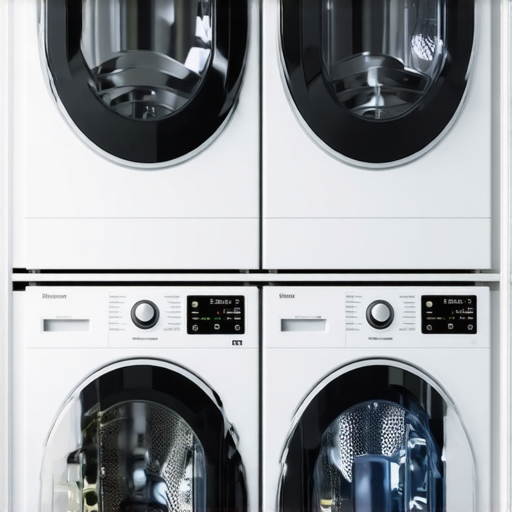
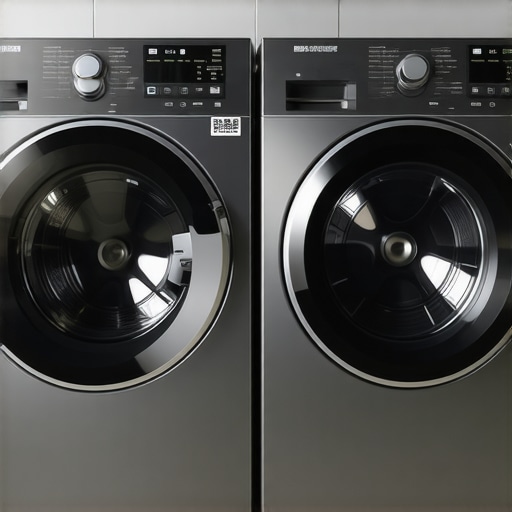
I remember the first time I tackled laundry for my family, hands trembling over a giant mountain of clothes, wondering if my washing machine could handle it all. It was a Saturday morning, and as usual, I underestimated how much laundry we had accumulated. The machine groaned, struggled, and then, suddenly, a loud clunk — I was faced with a stalled cycle and a pile of damp clothes.
That lightbulb moment made me realize how crucial choosing the right washer capacity truly is. It’s not just about how much laundry your machine can hold; it’s about how seamlessly it integrates into your life, prevents breakdowns, and saves you time and frustration. For years, I’ve been navigating this process myself, often stumbling over misconceptions about top load versus front load washers and their capacity offerings.
Today, I’m here to share what I’ve learned — because everyone deserves a washing machine that works as hard as they do. Whether you’re upgrading your current machine or buying your first, understanding how to select the appropriate capacity can transform your laundry routine from a chore into a breeze.
Let’s dive into the core questions that puzzle many homeowners: how do I choose a washer that fits my laundry load without wasting energy or space? How can I avoid the common pitfalls that lead to overloading or underusing my machine? And what should I really look for in a washer’s capacity in 2025?
If you’ve ever faced the disappointment of a machine that can’t handle your weekly laundry or a cycle that takes forever, you’re not alone. Many of us make the mistake of simply choosing the biggest or cheapest option without considering our actual needs, leading to wasted resources or frequent repairs.
According to recent studies, selecting an inappropriate washer capacity can increase energy consumption by up to 30%, and premature wear and tear become inevitable when overloading or underloading frequently. That’s why making an informed decision now is more important than ever.
In the upcoming sections, I’ll walk you through practical tips to assess your laundry habits, demystify the differences between top load and front load washers, and help you find your perfect match in capacity for 2025. Ready to ditch the laundry woes for good? Let’s get started.
Assess Your Laundry Habits Accurately
Begin by tracking how much laundry you typically wash in a week. Gather your laundry over several days and weigh or estimate the total load. For example, I once kept a laundry journal for a week, noting that I usually washed around 12 pounds per load, which is typical for most households. This step ensures you’re not overestimating or underestimating your needs.
Measure Your Space to Fit the Right Size
Next, measure the space where your washer will sit. Consider the dimensions of potential machines, leaving room for ventilation and easy access. Think of your laundry room as a closet—choosing a machine that’s too large might block pathways, while too small could lead to overstuffing. The goal is harmony between capacity and physical space.
Understand Washer Types and Their Capacity
Recognize the key difference between top load and front load washers—their capacities aren’t directly comparable in size, but they serve similar load volumes. Front loaders generally have larger capacity per cycle, suitable for bigger families or bulky items. Conversely, top loads excel in quick, small loads. For clarity, check out capacity comparison guides that detail these differences.
Match Capacity to Your Laundry Volume
Match your estimated weekly laundry load to a washer’s capacity. If you wash about 15 pounds weekly, a 4.5 to 5.0 cu. ft. front load machine suffices. Larger families, with weekly loads exceeding 20 pounds, benefit from machines with 5.0+ cu. ft. capacity. Remember, overloading leads to poor cleaning and machine strain, while underloading wastes energy—think of it like trying to fill a swimming pool with a garden hose.
Plan for Future Needs and Flexibility
Consider future changes, such as a growing family or new laundry habits. If you anticipate increased loads, invest in a slightly larger capacity. Skip the temptation to buy the biggest machine possible just because it’s on sale – instead, prioritize suitability over size. For detailed tips, explore capacity selection strategies.
Test and Adjust After Installation
After purchasing, test your machine by washing your typical loads. Observe cycle times and cleaning results. If you find yourself overstuffing, leading to longer cycles or less effective cleaning, consider upgrading or adjusting your laundry routine. Remember, selecting the right capacity is an ongoing process, not a one-time decision.
Many homeowners fall into the trap of oversimplifying washer capacity, thinking bigger is always better. But in my experience, this misconception can lead to inefficiency and costly repairs. One prevalent myth is that a top load washer with a higher cubic foot capacity will automatically handle larger loads more effectively than a front load. However, the reality is nuanced; front loaders often offer larger effective capacity in a more energy-efficient design, but they require proper loading to maximize benefits. Another common mistake is choosing a machine solely based on capacity, without considering the types of laundry loads or the machine’s wash cycle features, which are critical for optimal cleaning and longevity.
Why Do So Many People Misjudge Their Washer Needs?
The issue often stems from not analyzing actual laundry habits and load sizes, leading to overestimation of capacity needs. Studies from appliance experts highlight that overestimating capacity results in underutilized features and increased energy consumption. Additionally, many assume that higher capacity means better performance, but this overlooks factors like drum size-to-load ratio, wash cycle efficiency, and machine placement constraints. To truly optimize your laundry experience, it’s essential to balance capacity with your specific needs, space dimensions, and preferred wash routines. For example, a large capacity front load washer might be ideal for bulky items or large families, but if most laundry consists of small loads, a mid-capacity top loader could be more practical and cost-effective.
Avoid falling into common traps by thoroughly assessing your actual laundry volume and understanding the differences between load types. Remember, choosing the right capacity isn’t just about size—it’s about matching the machine’s capabilities with your lifestyle. Want to explore more about top load versus front load washers and their capacity nuances? Take a look at this comprehensive guide for insights tailored for 2025. Have you ever fallen into this trap? Let me know in the comments.
How Do I Maintain My Laundry Washer Over Time?
Proper maintenance of your washing machine, whether it’s a front load or top load, is essential to keep it functioning efficiently and extend its lifespan. I personally prioritize regular cleaning of the drum and seals, as buildup from detergent residue and dampness can lead to mold, odors, and mechanical issues. For example, I run a monthly hot cycle with vinegar and baking soda, which effectively dissolves soap scum and prevents mold growth. Additionally, inspecting hoses for leaks or cracks every six months helps prevent water damage and costly repairs. It’s also crucial to keep the lint filters (if applicable) clean to ensure optimal water flow and washing performance.
Furthermore, I recommend using high-efficiency (HE) detergent in appropriate amounts—overuse can cause residue buildup that hampers the machine’s operation. Checking the manufacturer’s manual for specific maintenance tips tailored to your model ensures you don’t miss critical steps. Staying proactive with these routines allows your laundry washer to perform consistently over the years, saving you money and hassle. Emerging trends point towards smart diagnostic tools integrated with Wi-Fi-enabled washers, which can alert you to maintenance needs before problems escalate—an investment worth considering for future-proofing your laundry setup.
Tools I Recommend for Effective Maintenance
For routine cleaning, I rely on a non-abrasive microfiber cloth and a soft brush to clean the door seals and detergent drawers. For deeper maintenance, I use a specialized washing machine cleaning tablet, like Affresh, which dissolves and removes mineral and detergent buildup effectively. I also keep a digital moisture meter, which helps monitor humidity levels around the machine, especially in shared laundry spaces, minimizing mold risks. Additionally, I utilize an external water pressure gauge to ensure hoses aren’t subject to excessive pressure, protecting the integrity of your plumbing connections.
To track maintenance schedules and alerts, I use an App connected to my smart washer. This allows me to schedule regular cycles and receive notifications if manual intervention is needed—these smart tools are becoming increasingly reliable and cost-effective, making maintenance less of a chore and more of a proactive routine. As I see it, embracing this technology is a step towards more sustainable and hassle-free laundry routines, and I encourage you to try integrating these tools into your setup.
Best Practices for Scaling Your Laundry Routine
When considering scaling your laundry capacity, the key is to keep your machine well-maintained to handle increased loads without stress. Larger-capacity front load washers especially benefit from regular maintenance, as their complex components are more sensitive to residue buildup. If you’re running multiple loads daily, investing in the right cleaning routines and tools becomes even more critical. Manufacturers suggest that regular maintenance can improve energy efficiency by up to 20% and reduce the risk of breakdowns, according to recent industry reports. Planning your routine with these insights ensures long-term reliability, especially as your laundry needs grow.
To stay ahead, periodically consulting resources like this comprehensive guide can provide advanced tips tailored for your machine type and capacity. Remember, consistent upkeep combined with knowledge allows your laundry setup to serve you well for years to come. So, take the time to optimize your cleaning routines now—your washer—and your wallet—will thank you.
,
The Hardest Lesson I Learned About Washing Machines and Their Capacity
One surprising insight I gained is that bigger isn’t always better. I once invested in a high-capacity front load washer, thinking it would solve all my laundry headaches. However, I discovered that overloading it led to longer cycles and less effective cleaning—an expensive mistake that taught me the importance of matching machine size to actual needs.
Tools That Transformed My Laundry Routine
To optimize my washer’s performance, I started using smart diagnostic tools like Wi-Fi-enabled monitors and maintenance apps, which alert me to issues before they become costly repairs. I also rely on specialized cleaning tablets, like Affresh, for deep cleaning. These tools have been invaluable, making maintenance straightforward and preventing untimely breakdowns, ensuring my laundry routine remains smooth and stress-free.
What My Experiences Have Revealed About Washer Capacity
- Size isn’t everything — it’s about suitability: Choosing a machine that fits your weekly load prevents overuse and environmental waste.
- Ignore trends, focus on habits: Assess your laundry volume accurately—this prevents costly overbuying or underutilizing features.
- Maintenance is key: Regular upkeep, especially in larger machines, prolongs lifespan and keeps energy efficiency high.
Resources That Changed How I View Washing Machines
- The capacity guides from Smart Appliance Review have been instrumental in understanding the nuances between different washer types and capacities, helping me make informed decisions.
- This comprehensive ultimate guide offered deep insights into selecting washers that suit specific household needs.
- Your tailored selection tips for front load versus top load washers helped me weigh pros and cons based on my laundry habits.
Step Into Your Laundry Future with Confidence
Understanding and selecting the right washer capacity isn’t just a technical decision—it’s a step toward making laundry chores less stressful and more efficient. The journey from trial and error to informed choices has been empowering, and I encourage you to embrace this knowledge. Your laundry setup should serve your life, not complicate it. So, take action today and find that perfect match—your future self will thank you.
What has been your biggest challenge in choosing the right washer capacity? Share your experiences and questions below—I’d love to hear your story!
,