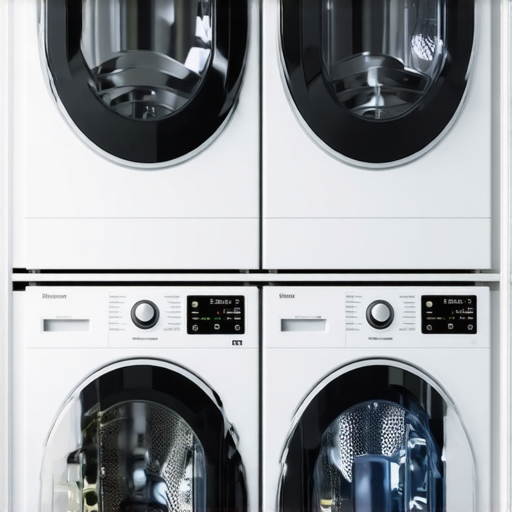
I’ll never forget the moment I overloaded a top load washer—water spilling over, the machine groaning under the weight, and me frantically trying to stop it before disaster struck. That lightbulb moment made me realize how crucial choosing the right washing machine is, especially when it comes to capacity and efficiency. With so many options on the market, I felt overwhelmed and unsure if I was making the best choice for my family’s laundry needs.
Today, I want to share what I’ve learned along the way about front load vs top load washers in 2025. Whether you’re battling limited space, aiming to save water, or just tired of constantly replacing your old machine, making an informed decision can save you time, money, and frustration. Together, we’ll explore how to assess your capacity needs and efficiency goals, so you can pick the perfect washer that fits your lifestyle.
Why Your Washer Choice Matters More Than Ever
Choosing the right washing machine isn’t just about brand names or flashy features. It directly impacts your energy bills, water consumption, and even the longevity of your laundry routine. According to recent studies, selecting an efficient washer can cut your water usage by up to 50% and energy costs dramatically over its lifespan. This is especially relevant in 2025, as households seek sustainable, cost-effective solutions amidst rising utility rates.
However, with so many options, it’s easy to make costly mistakes. I did early on—believing that bigger was always better, only to find myself with an enormous machine I never fully utilized. It wasn’t until I explored washer capacity guides that I understood how important size and efficiency are in harmony. Making the right choice between front load and top load, considering your laundry volume and space constraints, can transform your washing experience.
Have you faced the dilemma of choosing a washer that’s too big, too small, or just plain inefficient? If so, you’re not alone. Let’s dive into the practical differences and benefits of each type, so you can confidently decide which one suits your laundry habits best.
Assess Your Laundry Volume
Start by tracking how many loads you do weekly. For example, I once spent a Sunday measuring my family’s laundry; I realized we average about 8 loads per week. This concrete step helped me determine the capacity I needed, avoiding the mistake of choosing a machine too small or excessively large. Remember, selecting a washer that matches your actual laundry habits ensures efficiency and prevents waste. For more insights, check out this capacity guide.
Determine Capacity Needs Accurately
Understanding washer capacity is crucial: a 4.5 cu. ft. front loader can handle a king-size comforter and several bath towels at once, while a 3.0 cu. ft. top loader suits lighter loads. I initially bought a large capacity machine thinking bigger was better, but my laundry room wasn’t equipped for its size. Measure your largest items, like bedding or bulky jackets, and compare their volume to the washer capacity. This practical step reduces energy and water usage by preventing overloads or underutilization. For a detailed comparison, visit capacity comparison guides.
Match Washer Type to Laundry Style
Decide whether a front load or top load washer aligns better with your lifestyle. Front load washers are energy-efficient and gentle on delicate clothes, but they often require bending down and might have longer cycle times. Top loaders are quicker to load and unload, making them ideal for busy mornings. I once installed a front loader, but I noticed my children disliked reaching into it, leading to lower usage. Experiment with your daily routines, and consider the ergonomics—this ensures you pick a washer that you’ll actually use consistently. To explore the pros and cons more, see this front load vs. top load comparison.
Calculate Space and Fit
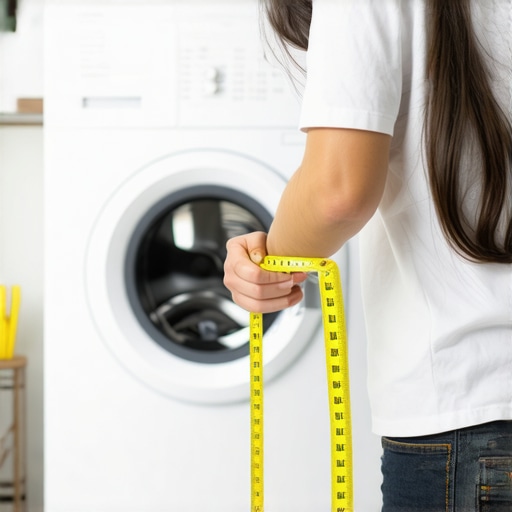
Measure your laundry area precisely. I once underestimated the space a large front loader needed, which caused a last-minute rearrangement. Allow at least a few inches on all sides for ventilation and ease of access. Consider door swinging directions—some models have reversible doors, which can be a game-changer in tight quarters. Visualize the machine’s placement by sketching your laundry layout or using online room planners. This concrete planning prevents frustration after purchase and ensures seamless integration with your space. For tips on fitting your machine, review space-fitting advice.
Prioritize Water and Energy Efficiency
Choose models with high EE ratings, which save money long-term. I opted for a top load with increased efficiency and noticed a 20% drop in my water bill within three months. Look for ENERGY STAR labels and features like load-sensing technology that adjust water levels based on load size. Reading actual performance reviews helped me eliminate models billed as efficient but underdelivering. Plus, consider load size sensors, which prevent wasteful over-watering. For more on selecting energy-efficient machines, visit efficiency-focused guides.
Test and Confirm Before Final Purchase
If possible, test your chosen washer in-store. I once tested an in-store model, observing its cycle noise and gauge ease of use—factors I hadn’t considered. Check door seals, wash cycles, and drum size by asking the salesperson for a demonstration or visiting a showroom. Reading reviews from real users provides additional insights into potential issues. This hands-on approach ensures your choice aligns with your expectations and lifestyle. For comprehensive buying tips, explore buying process guides.
 Many homeowners operate under misconceptions about washing machines, and these myths can lead to costly mistakes. One widespread belief is that loading a machine to its maximum capacity always results in cleaner laundry. In reality, overloading can strain your washer’s motor and compromise wash quality, especially in top load models where clothes need space to move freely. To truly optimize performance and longevity, it’s better to adhere to the manufacturer’s recommended capacities, ensuring your machine functions efficiently and lasts longer. For insights on choosing the right washer capacity, check out this capacity guide.
Another common myth involves the durability of front load versus top load washers. Many believe front loaders are inherently more fragile because of their complex drum and seal systems. However, when properly maintained, front load washers are actually more durable and energy-efficient. The key lies in understanding the nuances — such as regular gasket cleaning and avoiding overuse of harsh detergents — which can extend the lifespan of your appliance. Ensuring proper maintenance is often overlooked, leading to premature breakdowns, especially in high-efficiency models. Want to learn how to maintain your washing machine effectively? Explore this maintenance guide.
Have you ever fallen into this trap? Let me know in the comments.
It’s also a misconception that washing machine efficiency is solely about having the latest technology. While new features like load-sensing water levels and eco-wash cycles are beneficial, the true efficiency depends on how you use these features. For example, running partial loads with a high-capacity machine wastes electricity and water, masking the benefits of advanced cycles. On the other hand, fully utilizing sensor technology can significantly reduce utility bills and environmental impact. To maximize your machine’s potential, it’s worth understanding these advanced features, which are thoroughly explained in this efficiency tips article.
A typical mistake that many consumers make is choosing a sleek, feature-rich model without considering the placement and physical constraints of their laundry space. This oversight can result in awkward installation, difficulty in maintenance, or even incomplete door swings. For instance, some front load washers come with reversible doors or require particular clearance for vibration reduction, details that are often overlooked. Planning ahead, including measuring your space carefully, can prevent these issues. For practical space planning tips, visit this space-fitting guide.
Lastly, many believe that choosing between front load and top load washers is purely a matter of preference. But in reality, the decision can profoundly impact your laundry routine’s efficiency, ergonomics, and even your utility costs. Front load washers are superior in washing delicate clothes and saving water, but they may require more maintenance. Conversely, top load machines often have faster cycle times and easier loading, ideal for busy households. For a balanced view, read about the specific advantages of each in this comprehensive comparison.
Keeping It Running Smoothly
Once you’ve selected the perfect washing machine—whether it’s a front load or a top load model—maintaining it properly is key to ensuring long-term efficiency and durability. Regular maintenance not only extends the lifespan of your appliance but also preserves its washing performance, saving you money and hassle down the road. Over the years, I’ve refined my maintenance routine with specific tools and methods that I highly recommend for any homeowner looking to keep their laundry setup in tip-top shape.
The first tool I rely on is a high-quality digital moisture meter, which allows me to monitor residual moisture levels after cycles aim to prevent mold and mildew buildup in seals and gaskets. This is especially important for front load washers, where trapped moisture can cause unpleasant odors and damage if not addressed promptly. Using this device regularly helps me catch issues early before they become costly repairs.
Next, I utilize a vacuum nozzle attachment with a flexible, narrow end to clean out debris trapped in the detergent drawer, vents, and door seals. This simple step keeps the internal components free of lint and detergent buildup, which can impair function over time. Cleaning these parts monthly with these tools keeps the washer operating at peak efficiency and reduces the need for professional service.
For cleaning the drum itself, I recommend running a monthly vinegar and baking soda cycle. I fill the detergent dispenser with white vinegar and add baking soda directly into the drum before starting a hot cycle. This natural cleaning method dissolves soap scum and mineral deposits, maintaining the drum’s cleanliness and preventing strange noises. In the future, I predict this eco-friendly approach will become even more popular as consumers seek sustainable maintenance options.
Another advanced tip is scheduling automated diagnostic scans using manufacturer-specific software or apps. Many modern washing machines have integrated diagnostics that detect issues like unbalanced loads or sensor errors. I use apps that connect to my washer via Wi-Fi, running regular checks to troubleshoot potential problems proactively. This early detection can save hundreds in repair costs and prevent unexpected breakdowns.
Consistent maintenance is especially critical as washing machines age, akin to an engine in a car. As part of my routine, I replace worn-out door seals and filters based on manufacturer recommendations, often checking the manufacturer’s maintenance guides. This ensures optimal water flow and prevents leaks, which are common culprits of appliance failure.
Looking forward, I believe smart home integration will play an increasing role in washing machine care. Imagine receiving alerts on your phone about maintenance needs or blockages—making upkeep even easier. To keep your washer in perfect condition, I strongly recommend adopting these advanced methods now. Start with running a vinegar cycle this weekend, and experience firsthand how simple, targeted maintenance can prolong your appliance’s performance.
If you’re ready to take your washer maintenance to the next level, consider investing in a smart diagnostic kit compatible with your model. It’s an investment that pays off by preventing costly repairs and ensuring your laundry routine remains seamless.

For more detailed strategies on selecting and maintaining your laundry equipment, remember to visit our comprehensive guides. Proper upkeep is the secret to enjoying efficient, appliance-lasting laundry days.
Over the years, I’ve discovered that the true power lies in understanding the nuances between different washing machine types and capacities. One of the most impactful lessons I learned is that bigger isn’t always better — tailoring capacity to your actual laundry needs prevents resource waste and prolongs your machine’s life. Additionally, I realized that maintenance routines are crucial; simple steps like vinegar cycles and regular gasket cleaning can keep your washer performing at its best for years to come.
It’s been a journey of trial and error, but these insights have transformed my laundry experience. By choosing the right washer type and capacity, and maintaining it properly, you can save time, money, and frustration. My hope is that sharing these lessons helps you avoid common pitfalls and makes your laundry days smoother and more sustainable.
The Hidden Truths That Changed How I Approach Laundry
- Overloading damages more than your clothes: I used to believe filling the machine to the brim was efficient, but I learned it strains the motor and reduces cleaning effectiveness. Always stick to manufacturer capacities for optimal results.
- Maintenance saves money in the long run: Regular cleaning with eco-friendly solutions like vinegar and baking soda keeps odors at bay and prevents costly repairs—something I wish I started sooner.
- Matching your washer to your routine makes all the difference: Whether you prefer quick loads or gentle washing, selecting a machine aligned with your lifestyle increases satisfaction and longevity.
- Space planning is vital: Properly measuring your laundry area and considering door swing or vibration reduction features avoid surprises after installation.
- Efficiency isn’t just about features—it’s about how you use them: Load-sensing technology and eco-cycles are beneficial, but only if used correctly. Learning to maximize these features has noticeably cut my utility bills.
Tools and Resources That Changed My Laundry Game
- Capacity comparison guides: They helped me understand how to match capacity with my laundry volume, avoiding waste and overloads.
- Comprehensive type guides: They offered insights into the benefits of front load versus top load models aligned with my needs.
- Efficiency tips: Simple steps to optimize usage and maintenance, saving me both time and money.
- Space fitting advice: Ensured I measured accurately before choosing my machine, preventing costly mistakes.
Your Turn to Shine — Take Action Today
Choosing and maintaining the right washing machine is more than just picking a model; it’s about creating a laundry routine that serves your lifestyle sustainably. With the right knowledge and tools, you can enjoy efficient, long-lasting performance that makes laundry days less of a chore. Remember, the journey to optimal laundry health starts with small, informed steps—your future self will thank you for making them today!
What was the most surprising thing you learned about choosing or maintaining a washer? Share your experiences or questions below—I’d love to hear your story!
.
Your detailed insights on choosing the right washer and maintaining it are really helpful. I especially appreciate the emphasis on capacity matching with real laundry needs—I’ve made the mistake of getting a larger machine than necessary in the past, which ended up wasting water and energy. I also found the tip about running monthly vinegar and baking soda cycles quite practical; I might start implementing that to keep my washer odor-free and functional longer. One aspect I struggle with is space in my laundry room—there’s limited room for larger models, so I wonder, how would you recommend balancing capacity needs with space constraints? Also, do you find that certain features like reversible door hinges really make a noticeable difference in small spaces? I’d love to hear your thoughts or any additional tips for making the most of a compact laundry area while choosing an efficient washer.
Reading through your experience, Melissa, I can relate to the space constraints quite a bit. My laundry nook is pretty tight, and I once tried squeezing in a larger front loader without considering the door swing clearance, which was a mistake. I’ve found that models with reversible doors and vibration reduction features really help maximize small spaces—allowing more flexibility in placement and reducing noise. I also prioritize compact, stackable washers and dryers when space is limited, which helps boost capacity without expanding the footprint. Regarding capacity planning, I think measuring your space in detail and comparing it with the actual door swing area is crucial, especially if you’re dealing with tight corners or alcoves. Do you think investing in models with reversible doors really makes a practical difference, or are there other space-efficient features I should consider? It’d be great to hear others’ insights—those little details often make a big difference in optimizing small laundry spots.