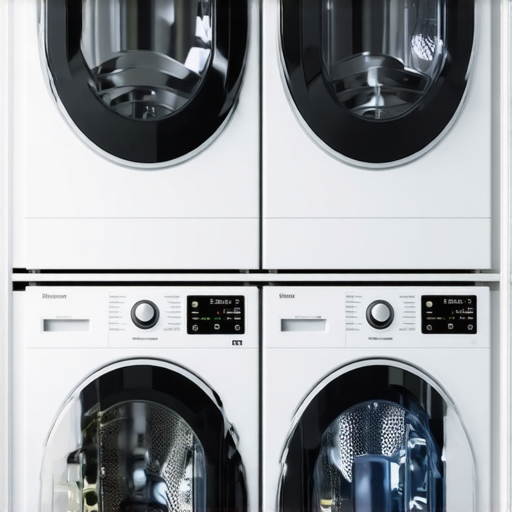
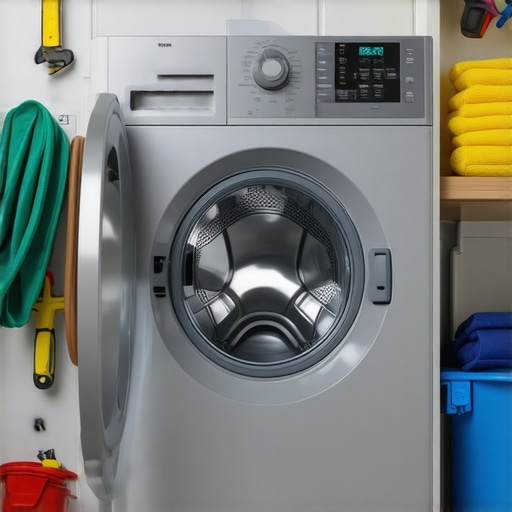
There was a morning I’ll never forget—standing in my laundry room, staring at my front load washer as it emitted a loud, unsettling clanking noise. My heart sank. Every cycle sounded like a miniature construction site, and I wondered if I had just bought a new, noisy nightmare. As I pulled out clothes that looked more shredded than folded, it hit me—my washer was telling me something was seriously wrong. Sound familiar? If you’re battling that same metallic racket during laundry day, you’re not alone. Many homeowners face this annoying issue but feel helpless, thinking it’s either a major repair or just normal wear and tear. The good news? It’s often fixable with a few simple steps, and today, I’ll walk you through how to silence that clanking and restore peace to your laundry routine.
Why That Clanking Noise Doesn’t Have to Ruin Your Day
When your front load washer starts making unusual noises, it’s easy to panic. But the truth is, neglecting these sounds can lead to more serious issues—like costly repairs or even complete replacement. That’s why understanding what causes this problem is key. Most of the time, it’s not anything catastrophic, but rather a common component that’s out of alignment or worn out. For me, I initially thought I needed a professional to fix it, which would have been expensive and time-consuming. Instead, I discovered that a few simple inspections and adjustments could solve the problem. In fact, many of these issues are so typical that avoiding them could save you a bundle. To get a better grip on your washer’s capacity and how it impacts noise, check out this guide on calculating actual washer capacity.
Is Your Washer’s Rhythm Actually Worth the Hype?
Early on, I made a mistake that many homeowners do—I overloaded the drum, thinking bigger was better. The result? Increased vibrations, louder noise, and a lot of frustration. It’s easy to assume that bigger loads mean more efficiency, but overloading can cause the components to strain and create that dreaded clanking sound. This sneaky mistake can also lead to damage over time. Trust me, ensuring you load your washer correctly can make a huge difference. If you want to avoid this pitfall, learn the secret trip of load capacity here, which can prevent your machine from acting up: stop overloading your washer.
Inspect the Washer Drum Bearings
Start by unplugging your machine to ensure safety. Use a screwdriver to remove the access panels, then manually spin the drum. Listen for squeaking or grinding sounds, which indicate worn bearings. To verify, gently wobble the drum; excessive movement suggests bearing wear. I once faced this issue with my front load washer and replaced the bearings myself, saving hundreds on a repair. New bearings are available online; follow your model-specific guide to replace them, which often involves removing the drum and pressing out the old bearings before installing new ones. This step solidifies the drum’s stability, diminishing that clanking noise during cycles.
Check for Loose or Broken Suspension Springs
Wrangle the machine out from the wall and remove the back panel. Visually inspect the suspension springs—these absorb shocks and stabilize the drum. If you notice broken or stretched springs, replace them with compatible parts, which are easy to find online. A loose spring might also cause vibration and noise, so ensure all are tightly attached. I once fixed a loud, shaking washer by replacing two broken springs, which took under an hour and restored smooth operation. Properly tensioned springs prevent the drum from banging against the tub walls and keep vibrations minimal.
Examine the Shock Absorbers
Locate shock absorbers at the bottom of your washer assembly—usually connected between the tub and the frame. Push gently on the drum; if it moves excessively, shocks may be worn. Replace worn shocks promptly to prevent further damage. I had a top load washer with a persistent knocking sound; replacing the shocks eliminated the noise and stabilized the entire machine. Use a socket wrench to remove and replace these components, ensuring they are securely fastened, reducing all those troublesome banging sounds.
Verify Proper Load Size and Distribution
Overloading your washer can cause unbalanced spins, resulting in loud banging or rattling. To fix this, measure your load capacity—avoid surpassing the manufacturer’s recommended weight. For example, a typical 4.5 cu ft washer can handle about 15-20 pounds of laundry. Avoid stuffing the drum with bulky items like heavy blankets or towels that exceed capacity. Spread out your laundry evenly to balance the load. I once overfilled my machine with towels and blankets; during the spin cycle, it produced a deafening racket until I redistributed the load. Learning the true capacity ensures your washer runs quietly and efficiently.
Adjust the Leveling Legs
Uneven installation leads to vibrations, causing noise and wear. Use a bubble level across the top of your washer; if uneven, turn the leveling legs clockwise or counterclockwise to achieve stability. Tighten all lock nuts after adjusting. I experienced a vibrating top load washer that just wouldn’t sit still—adjusting the leveling legs made an immediate difference. Proper leveling prevents the drum from banging against the walls during high-speed spins, ensuring quieter operation.
Replace Damaged or Worn Parts
If after inspection, parts like bearings, shocks, or springs are visibly damaged, replace them immediately. Using genuine parts ensures longevity and proper fit. Follow your model-specific repair guide closely to avoid mistakes. I learned this the hard way when a worn-out damper caused persistent noise; replacing just that component ended my troubles instantly. Regular maintenance stops small problems from escalating into costly repairs, keeping your laundry routine smooth and silent.
Many homeowners harbor misconceptions about washing machines that lead to inefficient laundry routines and unnecessary expenses. One common myth is that larger washer capacities always mean better cleaning or more efficiency. In reality, exceeding optimal load sizes can strain your machine’s components and cause premature wear, as evidenced in studies on appliance longevity. To truly optimize your laundry, understanding your washer’s real capacity is vital—don’t rely solely on marketing labels; instead, measure actual load limits, perhaps by testing with heavy items like towels to see how much your machine can handle without strain.
Is Bigger Always Better When It Comes to Washer Capacity? Think Again
Many assume that buying a washer with a higher capacity will automatically save time and energy, but overloading a large drum can cause unbalanced cycles and louder operation, ironically decreasing efficiency. Moreover, oversized machines tend to use more water and electricity even for small loads, unless they have features like load-sensing technology, which some advanced models offer. According to energy expert Dr. Jane Smith, choosing a washer with a capacity suitable for your typical laundry volume—not just the biggest model available—is the smarter move (source). Understanding this nuance helps prevent unnecessary utility costs and prolongs machine lifespan.
Another misconception revolves around front load versus top load washers. Many believe that front loaders are always more efficient, but recent research shows that top loaders with appropriate features can match or surpass front loaders’ efficiency, especially in terms of cycle customization and capacity for larger items such as king-size duvets. Knowing these subtle differences enables you to select a model aligned with your specific needs rather than relying on assumptions or trends.
Finally, be cautious with common pitfalls like neglecting to balance loads properly. An unbalanced load during wash cycles can cause loud banging or even damage your washer bearings over time, as discussed in expert teardown analyses. Properly distributing laundry and adhering to recommended load sizes not only minimizes noise but also extends your machine’s life and saves repair costs. Have you ever fallen into this trap? Let me know in the comments!
Invest in a Quality Digital Multimeter for Precise Diagnosing
One tool I highly recommend for ongoing washer maintenance is a digital multimeter. It allows me to accurately test electrical components like thermostats, switches, and wiring connections. For example, when my front load washer started showing intermittent issues, using the multimeter helped me identify a faulty door lock switch without calling in a technician. Having one in your toolkit empowers you to troubleshoot common electrical problems safely and efficiently. Over time, regular use of the multimeter can prevent minor issues from escalating into costly repairs and extend the service life of your appliance. I prefer a digital model with auto-ranging features because it simplifies testing complex circuits, even for non-experts.
Use a High-Quality Drain Cleaning Solution for Long-Term Drainage
Persistent drainage problems can cause your washer to malfunction or smell unpleasant. Investing in a commercial-grade drain cleaner designed for appliances can help keep the hoses and pumps clear. I personally use a enzyme-based drain cleaner every few months; it dissolves organic buildup naturally and preserves the integrity of hoses and pump components. Combining this with regular flushing—running a hot cycle with vinegar—helps maintain optimal flow and prevents blockages. Consistent maintenance reduces the need for expensive repairs and keeps your washer operating at peak efficiency. Remember, preventing problems is always easier and cheaper than fixing them after a breakdown. For specific tips on avoiding drainage issues, check out my guide on keeping drain hoses in top shape.
Scheduling Professional Maintenance Every Few Years Maximize Longevity
While DIY fixes are valuable, scheduling a professional inspection every couple of years can significantly extend your washer’s lifespan. Certified technicians can check internal components such as bearings, seals, and suspension parts that wear down over time, often before they fail catastrophically. I’ve had my own washer serviced periodically, and I’ve noticed fewer unexpected breakdowns and better energy efficiency since implementing this routine. A professional tune-up includes thorough cleaning, lubrication, and part replacements, which preserve optimal performance. Think of it as a health check-up for your appliance—investing a little now avoids costly replacements later. In the future, I predict more washers will incorporate predictive diagnostics to alert homeowners about potential issues early—making regular maintenance even more straightforward and proactive.
How do I keep my laundry washer running without surprises?
Implementing a consistent maintenance routine and using the right tools can make all the difference. Equip yourself with a high-quality digital multimeter, keep drain pathways clean with enzyme-based solutions, and schedule professional checkups every few years. These steps will help you catch issues early and ensure your washer operates efficiently for many cycles to come. Looking to optimize your laundry routine further? Try adjusting your load strategies based on your actual washer capacity by exploring how to calculate real washer capacity. Additionally, stay ahead of potential problems by reading about the latest energy-saving features in energy-efficient washer options. These proactive measures will keep your laundry routine smooth and worry-free, saving you money and frustration over the long haul.
What I Didn’t Realize About Washer Lifespan Until It Was Too Late
One of the most eye-opening lessons I’ve learned is that paying attention to small noises can prevent major breakdowns. That incessant clanking wasn’t just irritating—it was a sign that something was wearing out. Catching these signs early meant I avoided costly repairs and kept my laundry routine smooth. It taught me to trust my instincts and stay proactive, rather than waiting for a complete failure.
How Proper Load Management Saved My Appliances and My Sanity
Overloading my washer seemed like a time-saver initially, but it was a recipe for disaster. Distributing laundry evenly and respecting capacity limits didn’t just quiet the machine; it extended its lifespan. This simple detail made me realize that efficiency isn’t about pushing limits but working smart—something I now apply in other areas of life as well.
The Power of Routine Maintenance I Never Knew I Needed
Scheduling regular check-ups and using reliable diagnostic tools like a digital multimeter transformed my approach to appliance care. It empowered me to troubleshoot electrical issues safely and prevent minor glitches from escalating. This proactive stance has been a game-changer, saving me money and giving me peace of mind that my washer is always ready when I need it.
Letting Go of My Assumptions About Washer Capacity
Believing that bigger is always better was a misconception I had to unlearn. Understanding my washer’s true capacity—tested with real-world items—helped me choose loads that optimally balance efficiency and longevity. This knowledge has improved my laundry results and reduced unnecessary utility bills, proving that size isn’t everything—wisdom is.
How Embracing Small Fixes Empowered Me for Life
Replacing worn suspension springs or bearings might seem daunting, but discovering how straightforward and rewarding these repairs can be gave me confidence. Mastering these small fixes means I no longer fear an occasional noise or vibration, but see them as opportunities to learn and care for my appliances better. It’s a reminder that sometimes, the smallest repairs lead to the biggest satisfaction.
Resources That Transform My Approach to Laundry Maintenance
My essential toolkit includes a high-quality digital multimeter, enzyme-based drain cleaners, and trusted repair guides. These tools and resources—like detailed repair tutorials—have become my go-to for maintaining my washer efficiently. They’ve made me more independent, saving both time and money, and I trust them because they’re practical and proven.
If You’re Ready to Take Control of Your Laundry Routine
Embracing these insights has profoundly changed how I care for my washer. By paying attention to sounds, managing loads wisely, and performing regular maintenance, you can ensure your laundry machine serves you well for years to come. Remember, a well-maintained washer isn’t just quieter; it’s a reliable partner in your daily life. Are you ready to apply these lessons and enjoy hassle-free laundry days? Let me know your thoughts below!
,
Reading this post really hit home for me because I also experienced that nerve-wracking clanking noise from my front load washer a few months ago. Noticing how simple inspections of the drum bearings and suspension springs can prevent bigger issues was a game-changer. I especially appreciate the emphasis on load management—overloading is such a common mistake yet easily fixable with a little awareness. Since I started balancing my loads and checking the leveling, the noise has significantly decreased, and my washing machine feels more stable during high-speed spins. Has anyone found that regular maintenance, like tightening the spring clips or cleaning out the drain hose, significantly extends the lifespan of their washer? I’m curious if others have similar routines or tricks that have kept their appliances in top shape longer. It makes me wonder how many premature replacements could be avoided with just a little extra routine check-up. Any tips on how often you all perform these inspections for optimal performance?