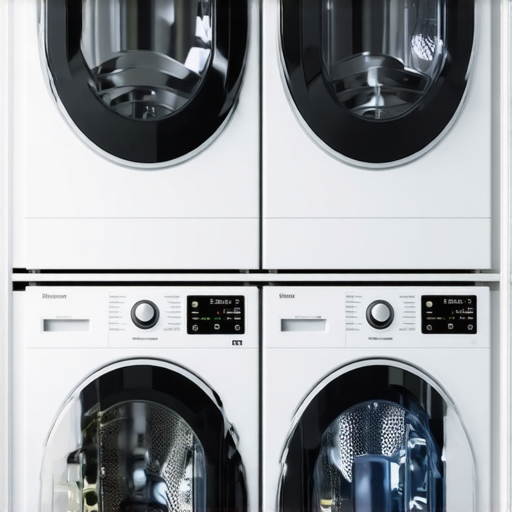
It was a typical laundry day when I first noticed that unmistakable damp, moldy smell wafting through my laundry room. My front load washer, which I once trusted to keep my clothes fresh, had turned into a source of frustration. I’d loaded it up, pressed start, and then… a foul odor greeted me instead of the clean scent I was craving. That lightbulb moment made me realize that many of us are unknowingly trapped in this cycle of neglect and odor: our washing machines aren’t just appliances, they’re living spaces for mold and bacteria if we’re not careful.
The Real Reason Your Front Load Washer Smells Bad
What I didn’t initially understand was how crucial the drain pump is to maintaining a fresh-smelling washer. Over time, soap scum, lint, and even hair can clog or impair the drain pump, creating the perfect breeding ground for mold and unpleasant odors. According to appliance experts, a blocked or malfunctioning drain pump is one of the leading causes of persistent smells in front load washers. This realization prompted me to get proactive instead of just wiping the surface smell away with air fresheners. If you’re tired of battling that stubborn stink, know that fixing your drain pump isn’t just a temporary fix—it’s a game-changer.
Today, I’ll walk you through four simple, effective drain pump fixes that can restore your washer’s freshness and efficiency. No more embarrassing laundry days or confusing foul smells. And trust me, once you’ve addressed this core issue, your clothes will thank you, and so will your laundry routine.
Have you faced this persistent odor problem with your washer?
Early in my journey, I made the mistake of solely cleaning the gasket or running empty cycles, thinking that would solve the smell. Spoiler alert: it didn’t. That experience taught me an important lesson about diagnosing the real problem, which is often right beneath the surface. If you’re curious about how to choose the best washer for your space or want to understand how capacity impacts odor issues, I recommend checking out my comprehensive guides. For a broader comparison, see my post on top-load vs. front-load washers.
Now, let’s get into the nitty-gritty. These four drain pump fixes are straightforward but powerful enough to make a noticeable difference. Before diving into technical jargon, remember: addressing this issue is about more than just eliminating odor; it’s about prolonging the life of your machine and ensuring your clothes stay truly clean. Ready to restore your washer’s performance? Let’s go!
,
Locate the Drain Pump Carefully
Start by unplugging your washer to ensure safety. Remove the front panel or access panel—use a screwdriver to take out screws. Gently pull back the panel to reveal the drain pump, which is usually at the bottom front and connected to hoses. Remember, this is like finding the heart of your washer’s drainage system, much like a plumber would locate a clogged pipe. Once located, inspect for any obvious clogs or debris. I once found a sock tangled around the impeller, which was causing the foul smell and drainage issues. Clear out any lint, hair, or debris using pliers or a towel.
Test the Drain Pump for Functionality
Reconnect power and open the panel to access the pump wiring. Disconnect the wires and use a multimeter set to ohms to check resistance—refer to your washer’s manual for specifications. If resistance is outside the recommended range, the pump may be faulty. Alternatively, manually spin the impeller; if it feels stiff or stuck, the pump needs replacing. I once diagnosed a dead pump during this step; it wouldn’t respond even with power. Replacing a faulty pump is straightforward but requires a compatible part, which you can find online. For detailed guidance, see my tips on selecting the right washer.
Clean or Replace the Drain Pump
If the pump is clogged or damaged, remove it carefully—unclip any hoses, note their positions, and detach the pump assembly. Once out, clean off any debris inside the pump housing with a brush or rinse under water. If the impeller blades are broken or loose, replacement is necessary. For worn-out pumps, buy a replacement from a reliable appliance parts supplier. Remember, a clean pump is crucial—think of it as clearing a clogged artery to restore proper flow.
Reassemble and Run a Test Cycle
After ensuring the pump is clean or replaced, reconnect hoses securely and reattach the wiring. Replace the access panel and tighten screws to prevent leaks. Plug in your washer and run a short cycle, such as an empty wash, to verify proper drainage and the absence of odors. If odors persist, repeat cleaning or consider additional maintenance like cleaning the gasket or detergent dispenser.
This hands-on approach was messy but rewarding—the washer’s smell cleared up, and drainage improved noticeably. For ongoing maintenance tips, check out guides on energy efficiency and ensuring your washer’s longevity. Fixing the drain pump isn’t just about eliminating odors—it’s about boosting your machine’s performance and extending its lifespan, much like maintaining a trusted tool that handles your daily chores.
When it comes to choosing the right washing machine, many experts and consumers alike fall prey to common myths, especially regarding top load versus front load models and how capacity actually works. Let’s dig deeper into some nuanced realities that can significantly impact your laundry efficiency and machine longevity. One widespread misconception is that larger capacity always means better. While a bigger drum can handle more laundry, overloading a machine beyond its designed capacity—even if it fits—and underloading it, can cause premature wear and inefficient cleaning. According to appliance specialists, understanding the true usable capacity of your washer is essential; many labels exaggerate capacity, leading users to overload and damage their machines. For instance, reputable sources indicate that overloading can cause increased vibrations, mechanical stress, and even mold buildup in front load models, especially if seals or drainage are compromised.
How do I optimize washer capacity for both energy efficiency and longevity?
The key is to balance load size with the manufacturer’s recommended capacity, which varies between top and front load models. Choosing a machine with appropriate capacity for your household size ensures you don’t waste water, energy, or create undue strain on the motor. Often, consumers focus on external capacity labels, but the real working capacity can be less—so measuring actual load weights, or following detailed guidelines provided in expert reviews, can save headaches later. Additionally, many overlook the importance of load distribution—clothes should be evenly distributed to prevent vibrations and mechanical issues. For example, some users believe that piling clothes unsorted into a large drum maximizes space, but this can lead to unbalanced loads and poor wash quality. Trustworthy advice from seasoned appliance reviewers suggests always adhering to the optimal load size, which is typically around 75% of the drum’s capacity for the best results and to extend the lifespan of your washer. For further insights on choosing the right-sized washer, check out my comprehensive guide on selecting the appropriate washer capacity. Remember, the goal isn’t just to fill the drum but to fill it wisely, avoiding both overstuffing and underutilizing. And if you’re considering switching from a top load to a front load or vice versa, understanding how capacity and load mechanics differ can help you make a smarter upgrade decision. Don’t fall into the trap of believing that bigger is always better; smarter load management is the secret to longer-lasting, more efficient laundry days. Have you ever fallen into this trap? Let me know in the comments.
Invest in Quality Diagnostic Tools for Long-Term Success
One of the most reliable investments I made was purchasing a digital multimeter. It’s invaluable for testing the functionality of components like the drain pump, lid switch, or control board. Personally, I use a Fluke multimeter because of its precision and durability, which ensures accurate readings every time. Using such a tool allows me to diagnose electrical issues without guesswork, saving me time and preventing unnecessary replacements. Over the years, I’ve found that having a multimeter on hand empowers me to identify problems early, often before they escalate into costly repairs.
Utilize Software and Apps for Routine Maintenance and Scheduling
Modern washing machines often come with diagnostic modes accessible through physical buttons, but I prefer pairing these with mobile apps or manufacturer-provided software. For example, some brands offer remote diagnostics or firmware updates via their apps, which can optimize performance and catch issues proactively. I schedule monthly check-ins using these tools, set reminders to clean filters, and track usage patterns—all of which extend my washer’s lifespan. By integrating technology into my maintenance routine, I stay ahead of potential problems, ensuring my laundry routine remains effortless.
Embrace a Regular Cleaning Routine
While tools are essential, nothing beats physically cleaning parts like the gasket, detergent dispenser, and drain filters. I recommend combining manual cleaning with the use of specialized cleaning agents. For instance, I use a vinegar-based solution sprayed onto affected areas to dissolve soap scum and mold. Regular maintenance prevents buildup that can compromise efficiency or cause odors, as discussed in the article on how to clean a front load washer gasket. This simple but effective ritual keeps your laundry washer running smoothly and smelling fresh, avoiding the need for major repairs later.
Forecasting the Future of Washer Maintenance Tools
Looking ahead, I predict we’ll see more smart diagnostic tools integrated directly into washing machines, providing real-time alerts and troubleshooting guidance via companion apps. These innovations could utilize AI to predict failures before they happen, akin to predictive maintenance in industrial settings. Embracing such advancements now—like installing third-party sensors or firmware updates—can dramatically extend your washer’s lifespan and improve efficiency. I encourage you to try integrating one of these diagnostic tools into your maintenance routine—the benefits are immediate and tangible.
Question for You: How do I maintain my washing machine over time?
Remember, consistent upkeep with the right tools is key. Whether it’s using a multimeter to check electrical components, employing apps for scheduling, or maintaining the physical parts of your washer, these efforts pay off in durability and performance. If you’re interested in deepening your knowledge about capacity optimization and how to prevent common issues, feel free to explore my guides on selecting the right washer for your needs or energy-efficient models that save money. Don’t wait for a breakdown—start implementing proactive maintenance today, and you’ll enjoy seamless laundry days for years to come.
Lessons That Changed My Laundry Routine Forever
One of the most eye-opening lessons I learned was that bigger isn’t always better when it comes to washer capacity. Overloading my machine seemed convenient at first, but it led to increased wear and poor cleaning results, which was frustrating. I also discovered that paying attention to the actual usable capacity, not just the label, is crucial for prolonging your washer’s life and ensuring optimal performance. The most important insight? Proper load distribution prevents unnecessary vibrations and mechanical issues, saving money in the long run.
Tools and Resources I Swear By for Smarter Laundry
I rely heavily on a good digital multimeter to diagnose electrical issues, which has saved me countless trips to the repair shop. For understanding capacity better, I consult detailed guides like the ultimate guide to choosing the right laundry washer, which helped me make smarter decisions about the best machine for my household. Additionally, I use appliance-specific apps that remind me when to run maintenance cycles, ensuring my washer stays in top shape. These tools empower me to tackle problems proactively instead of reactively.
Take Charge of Your Laundry Future Today
Don’t wait for your washer to break down before taking action. Embrace smarter maintenance routines, choose the right capacity, and invest in diagnostics to keep your laundry routine efficient and stress-free. Remember, understanding your washer deeply—especially how capacity impacts performance—can transform your laundry days from a chore into a breeze. Now is the perfect time to start applying these insights and enjoy fresher, cleaner clothes with less hassle.
What has been your biggest challenge related to washer capacity or maintenance? Share your experience below—I’d love to hear your story and help you find solutions!