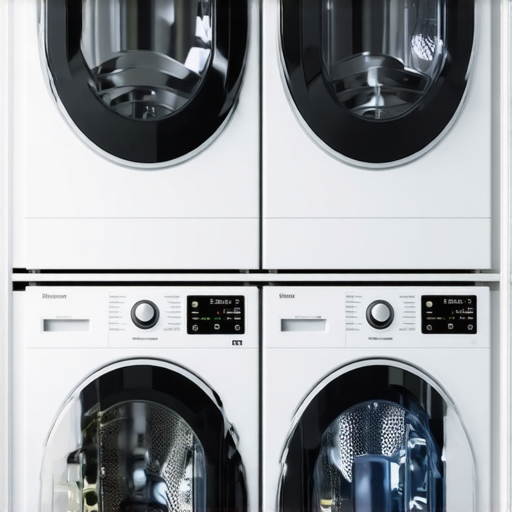
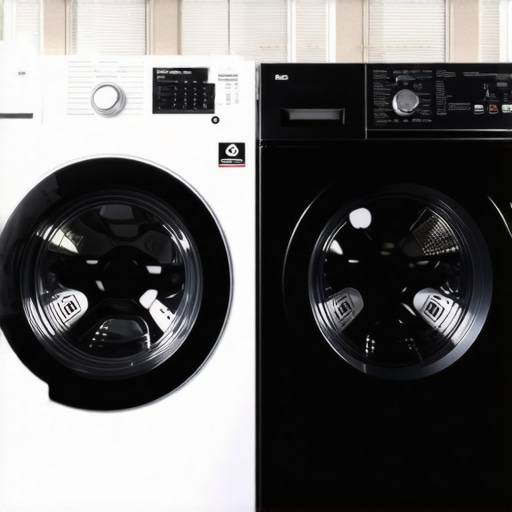
Ever stood in your laundry room, staring at two seemingly similar machines, feeling overwhelmed by the decision? I remember the moment I bought my first washer—confident I was making the right choice, only to realize later that I had overlooked some crucial differences. That lightbulb moment made me dive deep into understanding what really matters when selecting between a top load and a front load washer.
Why Picking the Right Washer Changes Your Laundry Game
Choosing the wrong type can turn laundry day into a frustrating marathon. From energy bills to how well your clothes get cleaned, the right washer can save you money, time, and headaches. Believe me, I’ve made my fair share of mistakes early on—like ignoring capacity needs or not considering water efficiency—mistakes that cost me in the long run. For instance, I once bought a top load machine simply because it seemed faster, but I didn’t think about how much water it used or how it fit my family’s laundry volume. That was a costly oversight.
Today, I want to help you avoid those pitfalls. We’ll explore the core differences, benefits, and what to prioritize based on your lifestyle. If you’re tired of washing clothes in a machine that doesn’t quite fit your needs or wastes resources, this guide will set you straight. And if you’ve ever wondered whether the hype around front loads is justified, I’ll break down what actually matters.
Is the Front Load craze really worth the investment?
Early in my search, I fell for the marketing hype. I thought front load washers were the ultimate solution—until I realized they can be more expensive upfront and require more maintenance. My mistake was not researching capacity and efficiency thoroughly. Did you know that some models offer better energy savings and water efficiency, but only if you choose the right size and features? It’s a fine balance, and I’ll show you how to find it. For a detailed comparison, check out this resource.
Understanding your laundry needs, capacity, and how much space you have can make or break your satisfaction with your new washer. Ready to become an informed shopper? Let’s dive into the differences that will help you make a confident decision and streamline your laundry routine.
Assess Your Laundry Needs and Space
Start by evaluating your household’s laundry volume and available space. If you have a large family or do laundry frequently, opting for a washer with higher capacity can save time and effort. Measure your laundry area to ensure the machine fits comfortably, considering door clearance and ventilation. This initial step prevents the costly mistake of purchasing a washer that either underperforms or overwhelms your space.
Determine Capacity Requirements
Capacity is crucial. A small family might get by with a 4.5 to 5.0 cubic foot top load or front load washer, while larger households benefit from models offering 5.5 cubic feet or more. For detailed insights, see this guide on washer capacity. Remember, choosing a machine with too little capacity leads to multiple loads, increasing water and energy usage. Conversely, oversized machines may waste resources and cost more upfront.
Compare Energy and Water Efficiency
Next, scrutinize the energy and water efficiency ratings. Front load washers generally use less water and energy compared to top loads, especially in high-efficiency models. However, not all front loads deliver these benefits unless they are appropriately sized and feature eco-friendly settings. Use this resource to compare specific models’ efficiencies and choose one that aligns with your eco and budget goals.
Evaluate Maintenance and Durability
Consider the maintenance requirements. Front load washers often need regular gasket cleaning to prevent mold, but they tend to be more durable if properly maintained. Top load machines are typically easier to access and clean, but may have shorter lifespans. Reflect on your willingness to perform routine upkeep and choose accordingly—this decision impacts long-term satisfaction and costs.
Test the User Experience and Features
Visit appliance stores to test the user interface and cycle options. Is the control panel intuitive? Do you prefer the loading door on top or front? Features like steam cleaning, delay start, or Wi-Fi connectivity can influence your choice. Remember, a machine that feels user-friendly encourages regular maintenance and proper use, extending its lifespan.
Make Your Decision Based on Research and Practicality
Finally, synthesize all information. Cross-reference your needs with model reviews using this comprehensive guide. Balance upfront costs with long-term savings in water, energy, and maintenance. Applying these steps ensures you pick a washer that not only meets your capacity and efficiency needs but also fits seamlessly into your lifestyle—making laundry less of a chore and more of a breeze.
Many homeowners believe that picking the right washer is simply about capacity and efficiency. However, there are nuanced pitfalls that even seasoned shoppers often overlook. Let’s dig deeper into what most people get wrong about selecting a laundry machine, and how understanding these subtleties can make a huge difference in your long-term satisfaction.
Why You Shouldn’t Trust Marketing Hype Alone
It’s common for consumers to be swayed by marketing claims like “best energy savings” or “most durable” without scrutinizing the actual specs. For example, a popular front load washer might boast low water use, but if it’s not matched to your household’s size, you could end up with multiple, inefficient loads. The real advantage comes from choosing a model that aligns with your specific laundry volume and frequency, not just the latest advertising hype. To avoid this mistake, compare models based on real-world reviews and detailed efficiency ratings, such as those found in this resource.
The Oops Factor: Overestimating Capacity
Many assume that bigger is always better when it comes to capacity. But oversizing your washer can lead to unnecessary energy consumption and higher upfront costs. Conversely, selecting a machine too small will force you into more loads and waste water and electricity. The key is to accurately assess your household’s laundry needs and space constraints. Remember, a machine that’s perfectly sized will save you money and reduce your ecological footprint. For detailed guidance, check out this article.
Can Front Load Washers Be a Hidden Trap?
While front load washers are often praised for their efficiency, many users underestimate the maintenance they require. Mold buildup in door gaskets and the need for regular cleaning can be unexpected annoyances. Moreover, some models have shorter lifespans due to complex parts and higher repair costs. If you’re considering a front load, ensure you’re prepared for routine upkeep and choose a model with good reviews on durability. Otherwise, your initial savings might be eroded by costly repairs or mold issues. For an in-depth comparison, see this guide.
Advanced Question: How Do Eco-Settings Impact Long-Term Performance?
Many advanced users wonder whether eco-friendly cycles truly save resources without sacrificing cleaning power. According to a study by the Environmental Protection Agency, eco settings can significantly reduce water and energy use, but only if the machine and cycle are correctly matched to your laundry load. Using eco cycles on heavily soiled items or with small loads may diminish cleaning effectiveness, leading to re-washes and waste. Therefore, understanding the nuance of eco-settings—when to use them and when not—is crucial for maximizing savings without compromising cleanliness. For more insights, consider exploring this detailed comparison.
Have you ever fallen into this trap? Let me know in the comments. By being aware of these hidden nuances, you’ll be better equipped to choose a washer that truly fits your needs and minimizes surprises down the line.
How do I maintain my washing machine over time
Keeping your washer in top shape requires regular attention and the right tools. I personally swear by using a high-quality microfiber cloth and an eco-friendly cleaner like Affresh to wipe down the gasket, control panel, and drum every few months. This routine prevents mold buildup and keeps the machine smelling fresh. For deep cleaning, I run an empty hot wash cycle with a cup of white vinegar and baking soda. This not only removes detergent residues but also maintains optimal water flow and mechanical function, extending the lifespan of my washer.
In addition, inspecting and cleaning the inlet filters monthly ensures consistent water pressure and prevents blockages. Many people overlook this simple step, but clogged filters can strain the pump and lead to costly repairs down the line. I recommend using a pair of needle-nose pliers and a soft brush to gently remove debris from these filters. Regular upkeep like this reduces the likelihood of breakdowns and keeps your laundry routine hassle-free.
Looking ahead, the trend points toward smart appliances with built-in diagnostics that alert you to issues before they escalate. Investing in a model with Wi-Fi connectivity allows me to receive maintenance alerts on my phone and schedule repairs proactively, saving money and inconvenience. As technology advances, I predict more washers will feature predictive maintenance, making it easier than ever to keep your machine running smoothly without guesswork.
Why you should prioritize tools and routines for long-term results
Implementing a consistent maintenance routine with the right tools has drastically improved my washer’s performance. For example, I use a digital infrared thermometer to monitor the temperature of the wash water, ensuring cycles are operating efficiently and saving energy. This small investment in a tool pays off by preventing overuse of heating elements and extending their lifespan. Additionally, I keep a log of maintenance tasks and cycle times, which helps me identify patterns and potential issues early.
By focusing on these proactive strategies, you can avoid unexpected breakdowns and costly repairs. Regularly checking and cleaning parts, using compatible cleaning agents, and embracing smart technology will keep your washer performing at its best. Remember, the key to long-term savings and efficiency is consistency—think of it as giving your appliance a health check-up every few months.
Try adopting a routine maintenance schedule today, and you’ll notice fewer interruptions and better cleaning results. For more detailed tips, explore this comprehensive guide.
What I Wish I Knew Before Picking My Washer
- Size Matters More Than Marketing Claims: I once bought a larger capacity washer thinking more is better, but it turned out to be inefficient for my laundry habits. The key lesson was aligning capacity with my household’s actual needs, not just chasing bigger numbers.
- Maintenance Is a Long-Term Investment: I underestimated the routine upkeep of front load washers, especially gasket cleaning. Regular maintenance saved me from costly repairs and mold issues, proving that a little effort goes a long way.
- Eco-Settings Are Not One-Size-Fits-All: Using eco cycles on heavily soiled loads reduced cleaning power, forcing re-washes. Knowing when to use eco modes helps balance savings and cleanliness effectively.
- Smart Features Can Prevent Surprises: Investing in a washer with Wi-Fi alerts helped me catch issues early. Proactive maintenance keeps appliances running smoothly longer.
- Research Beyond Marketing: I learned to compare real-world reviews and efficiency ratings instead of relying solely on advertising. This approach led me to a machine that truly fit my lifestyle.
Tools and Resources That Changed My Laundry Game
- Smart Appliance Review Guides: The comprehensive resources at this site helped me understand the nuances of capacity, efficiency, and durability, enabling smarter choices.
- Efficiency Comparison Tools: Using detailed comparison charts allowed me to evaluate models based on real-world performance, saving me money in the long run.
- Maintenance Checklists: Keeping a routine with simple tools like microfiber cloths and vinegar solutions kept my washer clean and functioning optimally.
- Smart Technology Features: Investing in a Wi-Fi-enabled washer with diagnostic alerts from this resource helped me stay ahead of repairs and extend the appliance’s lifespan.
Seize the Moment and Make Laundry Easier
Choosing the right washer isn’t just a purchase; it’s a commitment to making your daily routines simpler and more sustainable. With the insights and tools I’ve shared, you’re now equipped to select a machine that perfectly matches your needs and lifestyle. Dive into your research, prioritize maintenance, and don’t be afraid to explore smart features—your future laundry days will thank you. Ready to transform your laundry routine? Share your experiences or questions below and start your journey toward smarter laundry management!” ,
This guide really resonated with me because I once bought a large capacity washer without considering my actual laundry volume. It was an expensive mistake, leading to wasted resources. Now, I always measure my space and assess my needs carefully before making a purchase. What’s been helpful for me is reading detailed reviews about maintenance and durability, especially for front load models, since I’ve heard they can develop mold issues if not cleaned regularly. I appreciate the emphasis on maintenance routines and the potential for smart features like diagnostics to save money in the long run. Has anyone found that smart washer features truly make a difference in ongoing maintenance? I’m considering upgrading, but I want to be sure it’s worth the investment.