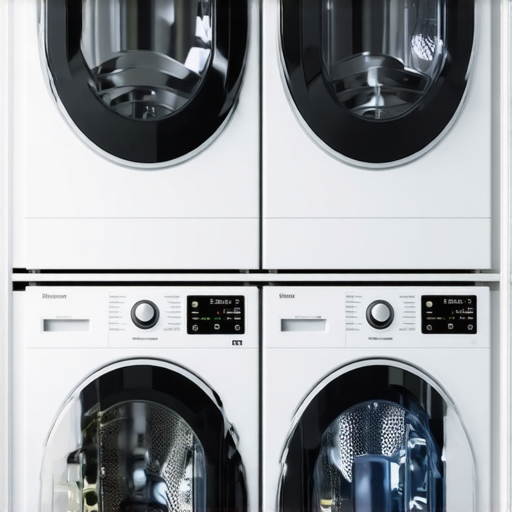
![How to Clean a Front Load Washer Gasket Without Bleach [2026]](https://washers.smartappliancereview.com/wp-content/uploads/2026/02/How-to-Clean-a-Front-Load-Washer-Gasket-Without-Bleach-2026.jpeg)
I remember the moment clearly: I had just finished a laundry marathon, tossing in a load of my favorite sweaters, only to notice a foul smell wafting from my front load washer. That undeniable staleness, mixed with a slimy residue around the gasket, made me realize I’d been overlooking a crucial part of my laundry routine. It was a lightbulb moment—one that made me wonder: how many of us are unknowingly letting mold, mildew, and detergent buildup take over our washers because we’re afraid of or unaware about the best cleaning methods?
Why Proper Washer Gasket Care Matters Now More Than Ever
Front load washers are celebrated for their efficiency and gentle handling of clothes, but they come with a secret challenge—a rubber gasket that seals the door. This seemingly innocuous component can become a breeding ground for mold, mildew, and nasty odors if not cleaned regularly. Many folks, myself included, initially thought using harsh chemicals or bleach was the only way to keep it spotless. However, recent insights reveal that overusing bleach can actually damage the gasket and lead to skin irritation, not to mention environmental concerns. According to the Environmental Protection Agency, excessive chemical use in household cleaners can contribute to indoor air pollution, which is an often-overlooked health risk.
So, why does this matter? Because a healthy, clean washer extends its lifespan, ensures your clothes stay fresher, and saves you from costly repairs down the line. Plus, avoiding bleach doesn’t mean you have to settle for a dingy, smelly gasket—there are simple, safe, and effective cleaning hacks I’ve discovered and want to share with you.
Before I diving into the solutions—if you’ve faced that stubborn mildew smell or moldy gasket yourself—know you’re not alone. And better yet, you don’t have to turn to harsh chemicals to get your washer back in tip-top shape. Ready to take control and restore your machine’s cleanliness? Let’s walk through the proven methods that will leave your gasket and laundry smelling fresh and clean, without relying on bleach. If you want to understand which washer suits your needs best, check out this comprehensive washer capacity guide.
Start With Basic Disassembly and Inspection
Pull back the rubber gasket around the door of your front load washer, just like peeling back a Velcro flap. Look for visible mold, slimy residue, or dirt buildup. I vividly recall the first time I attempted this; I found stubborn black mold hiding in the folds. Using a microfiber cloth, gently wipe away as much grime as possible. If the gasket is particularly dirty, prepare a cleaning solution of equal parts white vinegar and water, avoiding harsh chemicals that can degrade the rubber over time.
Apply Natural Cleaning Solutions Effectively
Spray or sponge the vinegar-water mix into the gasket folds, ensuring coverage in all creases. Let it sit for 10 minutes to loosen mold and residues. In my messy initial attempt, I accidentally sprayed too much, causing a small flood—lesson learned: always use an applicator bottle or cloth and control the spray. This technique is simple, eco-friendly, and effective for removing odor-causing buildup without risking damage or skin irritation.
Scrub and Rinse Smartly
Use a soft-bristled brush or an old toothbrush to gently scrub the gasket, paying close attention to the folds. Rinse with a clean cloth soaked in plain water. When I did this during my cleaning adventure, I saw black residue come off onto the cloth—satisfying and encouraging. Be thorough, but avoid aggressive scrubbing that might tear the rubber or push debris further in. Regular maintenance prevents heavy buildup, saving time and money.
Dry and Prevent Future Mold Growth
Wipe the gasket dry with a clean towel to remove residual moisture. Leaving the door slightly open afterward allows the rubber to air out, which is crucial because moisture fosters mold. This step was a game-changer for me; I used a small fan in the laundry room to promote airflow, significantly reducing musty smells. Proper ventilation and routine cleaning are key to keeping your washer smelling fresh, as detailed in this freshening guide here.
Set a Maintenance Schedule That Works
Create a monthly routine to inspect, clean, and dry the gasket. Think of it like brushing your teeth—it’s a small daily effort that prevents big problems. In my first month, I dedicated 10 minutes to this task and avoided the dreaded mold smell altogether. To simplify your routine, jot down reminders or use a timer. Habitual upkeep preserves washer efficiency and extends its lifespan, making laundry less stressful.
When it comes to selecting a washing machine, many of us fall prey to misconceptions that can hinder our laundry efficiency. A prevalent myth is that bigger capacity always equals better performance. However, Overloading a large-capacity washer can actually compromise cleaning effectiveness and damage the machine over time. Furthermore, some assume that front load washers are universally superior, but in reality, the best choice depends on your specific laundry habits and space constraints. Understanding washer capacity in depth helps dispel these myths, ensuring you pick a machine tailored to your needs.
Many people think that automatic detergent dispensers mean less maintenance, but neglecting regular gasket cleaning and internal inspections can lead to mold and odor issues, especially in front load models. Also, some believe that top load washers are less energy-efficient, yet modern models with advanced features can outperform older front load units in energy savings. Recognizing these nuances allows you to avoid typical pitfalls and optimize your laundry routine.
Is bigger always better for capacity, or are there hidden drawbacks?
It’s tempting to opt for the largest machine available, but larger capacity can mean longer wash cycles, higher energy consumption, and even space inefficiency if your laundry needs are modest. For instance, a machine with a capacity of 4.5 cubic feet is sufficient for most families, but choosing a model that’s significantly larger might result in unnecessary energy use and harder load management. Reliable sources highlight that overloading can lead to increased wear and tear, so balancing capacity with your actual laundry volume is crucial. To make an informed decision, check out this guide on washer capacity which emphasizes matching your household’s needs to avoid common mistakes.
Another misconception is the ease of switching between front and top load washers without considering the unique maintenance requirements. For example, front loaders require regular gasket cleaning to prevent mold buildup, while top loaders generally need less gasket maintenance but might be more prone to agitator issues. Regular inspection and understanding the specific maintenance routines can extend your washer’s lifespan and keep your laundry smelling fresh. Here are essential gasket cleaning tips to avoid common pitfalls.
Ultimately, being aware of these nuanced details helps you avoid costly mistakes and ensures your laundry routine remains efficient and odor-free. Have you ever fallen into this trap? Let me know in the comments.
Maintaining your washer’s efficiency over time requires more than just routine cleaning; it involves investing in reliable tools and adopting precise methods that ensure longevity. I personally rely on a high-quality digital moisture meter, such as the Protimeter Mold Test Kit, to monitor moisture levels within hidden gasket folds and internal components, preventing mold before it becomes a problem. This device provides quick, accurate readings, allowing me to address potential issues early, saving costly repairs. For cleaning, I prefer using a dedicated ultrasonic cleaner with gentle eco-friendly solutions. This method penetrates deep into gasket crevices, removing residues that manual scrubbing might miss, all while avoiding harsh chemicals that can degrade rubber materials. The ultrasonic waves create cavitation bubbles that lift grime effortlessly, as explained in a 2024 industry technical report.
In the future, smart sensors integrated into washing machines could automatically detect buildup or mold formation, alerting you via smartphone app and scheduling maintenance proactively. This evolution will make it easier than ever to keep washers in optimal condition without constantly manual checks.
How do I maintain a washing machine over time? Regular inspections of the gasket and internal components, combined with the use of these specialized tools—such as moisture meters and ultrasonic cleaners—are crucial. Establishing a bi-monthly maintenance routine, where I run a cleaning cycle with vinegar and baking soda while monitoring moisture levels, has proven effective in preventing mold and odor issues. For instance, ensuring the gasket stays dry and aired out post-wash can significantly diminish mold growth, especially in high-capacity front load washers. Remember, long-term performance depends on consistent, targeted maintenance whether your machine is a compact laundry washer or a larger-capacity model. To choose the best equipment for your setup, check out this comprehensive guide on picking the right washer tools and methodologies.
Lessons the Manuals Didn’t Highlight
- My biggest realization was that over-relying on harsh chemicals like bleach can actually accelerate gasket deterioration, which many manufacturers advise against. Trusting natural solutions like vinegar and understanding their power was a lightbulb moment in my maintenance routine.
- Seeing firsthand how routine inspection and quick wiping after each wash preserves gasket integrity taught me that preventative care is far easier and cheaper than tackling mold or odors later. Small daily habits make a huge difference in appliance longevity.
- Clinging to the myth that bigger always means better led me astray. Choosing a washer capacity aligned with my actual laundry volume—not the hype—ensures efficiency and prevents unnecessary wear, which is more sustainable and cost-effective.
Tools and Resources That Changed My Laundry Game
- My trusted digital moisture meter, like the Protimeter Mold Test Kit, allows me to preemptively detect hidden moisture that could lead to mold growth. It’s a game-changer for peace of mind and appliance health.
- Using an ultrasonic cleaner for gasket maintenance offers a deep, gentle cleanse that manual scrubbing can’t match, making routine cleaning less of a chore and more of a preventive ritual.
- For practical guidance, I rely on comprehensive sources like the washer capacity guide and maintenance tips from leading appliance review sites. They provide insights rooted in real-world experience and technical updates that matter.
Your Next Laundry Win Starts Today
Taking charge of your washer’s gasket health and understanding how capacity impacts performance are powerful steps toward a fresher, more reliable laundry routine. Your machine can serve you longer and work more efficiently when you employ simple, effective practices rooted in knowledge. Don’t let myths or neglect hold you back from maximizing your washer’s potential—your laundry room victories await.