I remember the frustration vividly—loading my washing machine to the brim, only to find that a few stubborn stains and a mountain of laundry still remained. It felt like my trusty old washer was suddenly shrinking! That lightbulb moment made me wonder: Is my washer actually telling the truth about its capacity? As someone who loves efficient cleaning without wasting water or energy, I started digging into what makes a washer truly capable. Turns out, many of us are misled by labels and assumptions, leading to overloading or underutilizing our machines.
Why You Might Be Misjudging Your Washer’s True Capacity
Looking back, I realize I made a key mistake early on—taking the manufacturer’s stated capacities at face value. I didn’t bother to test what my top load or front load washer could handle in real-world scenarios. Believe it or not, a study by the EPA shows that overloading washers not only compromises cleaning performance but also wears out the machine faster, costing us more in repairs and energy bills (source). So, how can we ensure we’re getting accurate information and making smart choices?
The good news is, there are straightforward tests to see if your washer is genuinely capable of handling heavy loads without sacrificing performance. By doing a few simple experiments, you can avoid overloading, prevent damage, and ensure your laundry comes out spotless every time. Ready to discover whether your machine’s claims hold up in real life? Keep reading—next, I’ll share 5 proven tests for heavy laundry loads that will change how you wash forever.
Set up Your Test Environment
Before you start, clear your laundry area and gather a variety of typical laundry loads that match your usual washing habits. Use clean, dry clothes or towels to ensure consistency. Place a measuring tape or scale nearby to record weight or volume. Think of this as preparing a recipe—accuracy is crucial for reliable results.
Understand Your Washer Types for Accurate Testing
If you own a top load washer, loading technique differs from a front load. Top loads require stacking clothes loosely, filling the drum without packing it densely, similar to filling a basket—leave room for movement. Front load washers usually accommodate larger batches, so consider how much laundry you typically toss in. Review your machine’s specifications at this comparison to understand capacity norms.
Perform the Basic Load Test
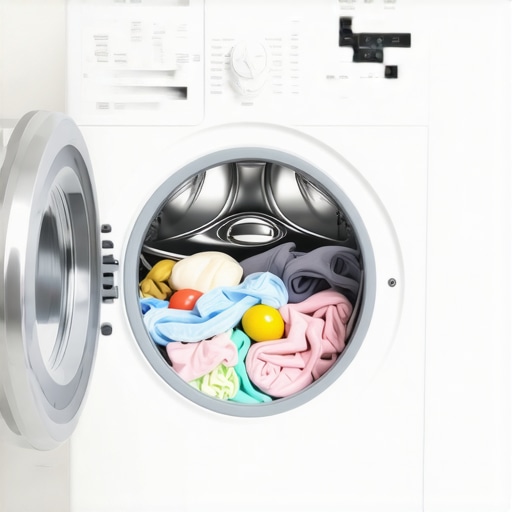
Start by filling the washer to what you think is its maximum capacity—then remove some items until the load feels balanced and not overly tight. For example, in my case, I was surprised how much more I could add by loosely stacking towels in my front load washer. Record this initial load weight or volume. This is your baseline to compare future tests against.
Apply a Standard Heavy Load Test
Next, load the washer with a typical heavy load—about 75% of the manufacturer-rated capacity—following your earlier method. Run the cycle as usual. Observe if the washer completes the cycle without excessive vibration or noise, which indicates it handles the load well. If the drum struggles, it might be an overestimation of its true capacity. For detailed guidance, refer to this resource.
Adjust Based on Results
If the washer struggles or leaves clothes wet, reduce the load size significantly—by 10-15%—and rerun the test. A machine’s effective capacity is often less than the label claims, especially if overloaded frequently. Remember, overloading can cause premature wear, akin to overloading a backpack—eventually, straps break.
Monitor Water and Energy Use
This step involves measuring water and energy consumption during your heavy load cycles. Using a smart meter or utility tracking can reveal if larger loads are truly efficient. If energy use spikes or clothes aren’t clean, your load size exceeds what the machine can handle optimally. For more in-depth techniques, see this article.
Keep a Log for Future Reference
Document your tests meticulously—record weight, cycle time, water and energy consumption, and drying results. This log will help you decide the ideal load size for your specific washer, reducing guesswork and prolonging the machine’s lifespan. Think of it as tuning your personal laundry engine for peak performance.
Many experts emphasize adhering to manufacturer labels when choosing a washing machine, but the real nuance lies in understanding what those ratings truly mean. Contrary to popular belief, the “capacity” listed isn’t always a practical reflection of everyday use, especially when considering different washer types like front load or top load models. For instance, many assume a 4.5-cubic-foot front load washer can effortlessly handle a full king-sized bedding set, but in reality, overloading can compromise cleaning performance and accelerate wear. This misconception often leads to overestimating a machine’s true capacity, risking mechanical issues and subpar laundry results. Furthermore, there’s a widespread myth that front load washers inherently have larger capacities than top load variants; however, recent studies reveal that capacity differences are more nuanced, depending on design and model specifications (source). An advanced mistake many make involves neglecting the dynamic factors influencing effective capacity, such as load distribution and fabric types. For example, densely packed clothes or bulky items can hinder agitation and water circulation, leading to incomplete washing and increased energy consumption. To optimize laundry routines, consider performing capacity tests with your specific load types, rather than relying solely on labeled ratings. A key question arises: How does load shape and distribution impact washer performance beyond mere weight? This is critical because improper loading—like stuffing the drum tightly—can cause excessive vibration, uneven cleaning, and strain on components, ultimately shortening your machine’s lifespan. Experts recommend understanding these nuances through practical load assessments and adjusting loads accordingly (see more here). Remember, the goal is to match your laundry habits with your machine’s real capacity for efficiency and longevity. Have you ever fallen into this trap? Let me know in the comments and share your experiences.
Tools I Trust for Maintenance
To ensure my washer remains efficient and durable, I rely on a few key tools and methods. First, a set of high-quality hex wrenches helps me perform periodic internal checks without damaging delicate components. I also use a microfiber cloth and mild cleaning solution to regularly wipe down the door seals and detergent drawers, which are hotspots for mold and mildew. For more thorough cleaning, I employ a specialized washing machine cleaning tablet, such as Affresh, which effectively dissolves hidden debris and grime, extending the appliance’s lifespan.
Another essential tool is a digital moisture meter; this helps me monitor the level of residual moisture after drying cycles, ensuring that the machine’s drainage and spin functions are operating correctly. Additionally, a basic multimeter is invaluable for diagnosing electrical issues quickly and safely. These tools collectively empower me to perform routine maintenance, catch problems early, and avoid costly repairs down the line.
Implementing Preventative Maintenance Routines
Beyond tools, establishing a regular maintenance routine is crucial. I recommend checking and cleaning filters monthly, inspecting hoses for leaks or cracks every few months, and leaving the door slightly ajar after cycles to promote ventilation and prevent mold buildup. Using a maintenance wash cycle every 30 cycles with a cleaning solution helps dislodge mineral deposits and soap scum, maintaining optimal performance.
It’s also wise to keep an eye on water pressure levels and schedule professional inspections annually, especially if you notice longer cycle times or unusual vibrations. Staying proactive with these practices ensures your washer continues to handle laundry loads effectively over the years.
Future Trends in Laundry Maintenance
Looking ahead, I predict smart diagnosis technology will become standard, allowing washers to alert homeowners proactively about component wear or the need for maintenance via smartphone apps. Features like self-cleaning cycles and predictive maintenance will revolutionize how we care for our laundry appliances. Embracing these innovations will keep your washer performing at peak efficiency longer, saving you time and money.
How do I maintain my washing machine over time?
Consistently using the right tools, performing routine checks, and staying ahead of potential issues are key. I recommend setting reminders to clean filters and run maintenance cycles, and investing in diagnostic tools like a multimeter or moisture meter to detect problems early. Incorporate these habits into your laundry routine, and you’ll extend your washer’s lifespan significantly.
Remember, a well-maintained machine not only performs better but also conserves energy and water, contributing to a more sustainable household. To dive deeper into effective maintenance strategies, check out this comprehensive guide. Try implementing one advanced tip today—like regularly checking your drainage system’s performance—and experience the difference in your laundry results.
The Biggest Wake-Up Call I Had About Washer Capacity
One morning, after overloading my washer in an attempt to cut down on laundry days, I noticed my clothes weren’t as clean and the machine was vibrating loudly. That moment made me realize I had been misjudging my washer’s true capacity and paying the price in energy, water, and wear and tear. Sometimes, what the label says isn’t what your machine can handle in real-life scenarios—it’s a lesson many of us learn the hard way, but better late than never.
Why Relying Solely on Labels Can Lead You Astray
It’s tempting to trust manufacturer ratings, but the reality is, these figures often don’t account for fabric type, load distribution, or the way you load your machine. For example, stuffing the drum with bulky towels can dramatically reduce effective capacity, causing longer cycles and reduced cleaning performance. Dive deeper into understanding what capacity truly means in this comprehensive guide to make smarter choices.
Practical Tests That Unveil Your Washer’s Real Limits
Instead of guessing, perform simple load tests. Start with a load you believe is the maximum, then gradually see if your machine can handle it without excessive vibration or incomplete spinning. This hands-on approach helps tailor your laundry routine, prolongs your washer’s lifespan, and saves you energy in the process. Consider revisiting your routine periodically, especially when you change laundry habits or buy new detergents.
How to Prevent Overloading and Protect Your Investment
Overloading not only hampers cleaning but also puts strain on your washer’s motor and suspension. Think of your machine as a well-tuned athlete—pushing beyond its limits hampers performance and causes early fatigue. Use a simple measuring cup or a bathroom scale to gauge your typical load sizes and stay within the effective capacity. For tips on maintaining your washer’s health, explore this maintenance guide.
I Wish I Knew the Power of Load Distribution Sooner
Distributing laundry evenly is crucial; uneven loads cause excessive vibrations and wear. After experimenting, I discovered that loosening and balancing my loads improved both cleanliness and machine longevity. It’s a small change with a big impact—so next time, give your laundry a gentle shake before starting the cycle. Want to see how load balance affects your cleaning results? Try it today and monitor any differences.
My Trusted Tools for Laundry Longevity
Keeping my washer in top shape isn’t just about the loads I put in—it’s about proper maintenance. I swear by a good microfiber cloth for wiping seals, a cleaning tablet like Affresh for internal cleaning, and a digital moisture meter to check drying effectiveness. These tools help me catch issues early, minimize repairs, and ensure each load is as efficient as possible. Incorporate these into your routine for peace of mind and longer-lasting appliances.
What Adapting My Routine Taught Me
Implementing these insights transformed my approach to laundry. Not only do I extend my washer’s lifespan, but I also save on water and electricity, all while getting cleaner clothes. It’s empowering to know that understanding and respecting my machine’s capacity can make such a difference. If you’re ready to take control of your laundry routine and avoid common pitfalls, start small—measure, test, and observe.
The Future of Washing Machines Is Smarter Than Ever
Exciting innovations like smart sensors and predictive maintenance are on the horizon, which will make managing washer capacity even easier. Embracing these advancements means fewer surprises and better longevity for your appliances. As this technology becomes mainstream, investing in a machine with these features can pay off in energy savings and peace of mind. Keep an eye on evolving tech, and don’t hesitate to upgrade when the time is right.
Take Charge of Your Laundry Experience Today
The key to maximizing your washer’s potential lies in understanding its real capacity and respecting its limits. Small adjustments—like measuring loads and balancing clothes—can lead to significant benefits. Remember, a well-maintained, appropriately loaded machine not only cleans better but also lasts longer, saving you money and hassle. Ready to unlock your washer’s full potential and keep your laundry routine hassle-free? Start experimenting today, and share your discoveries below!