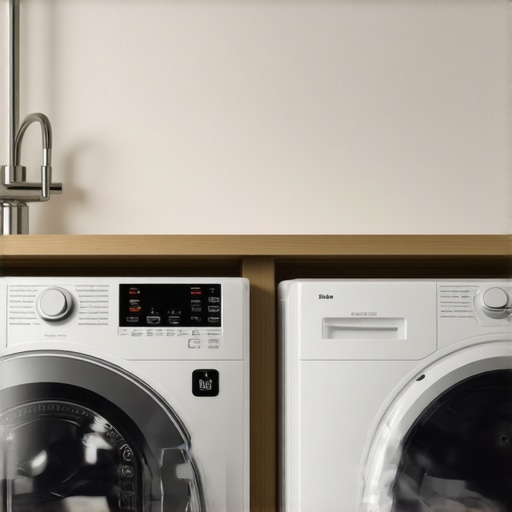
Have you ever stood in your laundry room, staring at two very different machines, feeling utterly overwhelmed? I remember those mornings well. I used to think that choosing between a top load and a front load washer was just a matter of preference, but I quickly discovered it’s much more nuanced—and surprisingly critical to my daily routine.
Why Your Laundry Choice Matters More Than You Think
It’s easy to dismiss the decision as trivial, but the truth is, your washer impacts your time, water and energy bills, and even how well your clothes get cleaned. When I first bought my washer, I made a classic mistake: I went for the cheapest option without considering capacity or efficiency. That led to endless re-washing and frustration. It wasn’t until I dug into the differences that I realized how choosing the right machine could genuinely transform my laundry days.
Today, I want to help you cut through the confusion. Whether you’re upgrading or just starting out, I’ll walk you through what matters most—so you can finally find the perfect fit for your home and habits. And trust me, the right choice isn’t just about what’s trendy or popular, but what works best for your specific needs.
Is the Hype Around Front Load Washers Justified?
Many people, including myself early on, wonder if front load washers are worth the hype. They’re often promoted as superior in efficiency and gentle on clothes, but are they really better for everyone? I initially thought so too, but I learned that the benefits depend heavily on your laundry volume and space constraints. For a detailed comparison, check out this guide on capacity and efficiency.
One mistake I made early was assuming all washers are created equal. I didn’t consider the importance of capacity or how much water they use, which led to inefficient cycles and higher bills. It’s a common error, but one you can avoid by understanding the key differences between these two types.
So, if you’ve ever felt stuck trying to decide which washer fits your lifestyle, you’re not alone. This decision can seem daunting at first, but once you understand your priorities—capacity, energy savings, space—you’ll see it’s easier than you think. Now, let’s explore what makes each type unique and how to choose the best fit for your laundry needs.
Compare Capacity to Match Your Laundry Load
Start by evaluating how much laundry you typically do. If you usually wash large comforters or family-sized loads, a high-capacity machine is crucial. For smaller households or quick washes, a smaller capacity might suffice. I once underestimated my capacity needs and bought a compact washer. It was fine at first, but during laundry day, I found myself doing multiple loads, wasting time and energy. To avoid this, check out this detailed guide on washer capacity to find the perfect fit for your laundry habits.
Assess Space and Design Preferences
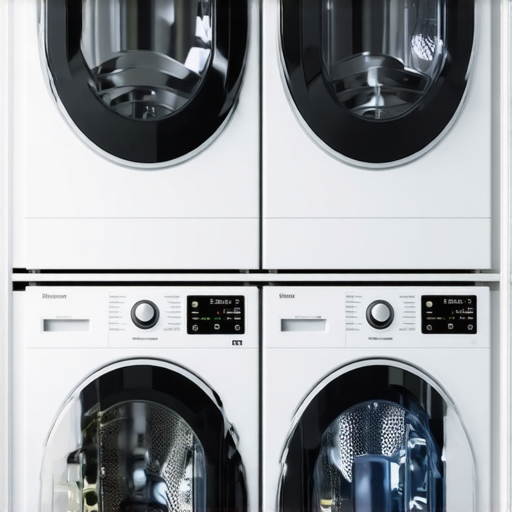
Measure your laundry area carefully. Front load washers are generally stackable, saving space, which is ideal for small rooms. Top load washers need more vertical clearance but are easier to load and unload. I once installed a front loader in a tight closet, and it fit perfectly, but I had to be precise with measurements. If your space is limited, consider a stackable model to maximize space. Also, think about whether you prefer the traditional top load or the modern front load style for ergonomic reasons.
Think About Water and Energy Efficiency
Front load washers typically use less water and energy, which can reduce utility bills. If saving on water is a priority, a front loader might be your best choice. I tested this myself when I switched from a top load to a front load; my water bill dropped noticeably. Check out this comprehensive guide for insights on efficiency and long-term savings.
Evaluate Ease of Use and Maintenance
Top load washers are generally easier to load and unload, especially for those with back issues. Front loaders require bending down or stacking, which might be less convenient but often offer better cleaning performance. I initially struggled with bending over to load my front loader, but after a week, I adapted and appreciated its quiet operation. Consider your physical needs and maintenance willingness. For detailed comparisons, see this comparison of front load vs. top load washers.
Match Features to Your Laundry Style
Look for features like cycle options, spin speed, and smart technology. Front load washers often have more advanced features, but they can come at a higher price. If you prefer simplicity, a top load might be better. I chose a top load with basic cycles, and it served me well for years. To explore the best options, visit this review of top-rated washers.
Estimate Your Budget and Long-term Costs
Price varies significantly. Front load washers tend to cost more upfront but save on water and energy. Top loads are usually cheaper initially. I invested in a front loader, and over time, my savings on utilities offset the initial cost. Use this guide on budgeting for a washer to plan your purchase.
Many homeowners believe that the choice between top load and front load washers is straightforward—simply pick what fits your space and budget. However, this common misconception masks deeper complexities that can significantly affect your laundry efficiency and long-term costs. Let’s dig deeper into the nuances most people miss, so you can make smarter decisions and avoid costly mistakes.
Why Myths About Energy Efficiency Could Be Costing You More
A prevalent myth is that front load washers always consume less water and energy, making them the greener choice. While this holds true in general, it’s not a universal truth. Some high-efficiency top load models now rival front loaders in water and energy savings, especially when paired with eco-friendly cycles. The key is to compare specific models using the latest data, rather than relying on outdated assumptions. For instance, this guide highlights current efficiency standards to look for when shopping.
Overlooking the importance of cycle customization can be a costly mistake. Many assume all washers have similar options, but advanced models offer features like steam cleaning, allergen removal, and specialized fabric care—features that can extend the lifespan of your clothes and improve cleanliness. Missing out on these can lead to re-washing and wasted energy. Be sure to evaluate the specific features your chosen machine offers, not just the basic functions.
How to Avoid the Trap of Overestimating Capacity
One of the most common pitfalls is overestimating your laundry needs, leading to bigger, more expensive machines that aren’t fully utilized. Conversely, underestimating capacity results in multiple loads, wasting water and energy. To truly optimize, consider your typical laundry load size and frequency. For example, if you frequently wash bulky items like comforters, a larger capacity machine is justified. Check out this comprehensive guide for insights on matching capacity with your household’s needs.
Advanced users should also consider the impact of load distribution and cycle duration, which can vary significantly based on capacity and model. A larger machine may save time and water per load but requires more space and investment initially. The decision should balance current needs with future growth, not just the hype surrounding capacity figures.
Are You Falling for the Efficiency Trap?
Many believe that high-efficiency machines always outperform traditional models, but this isn’t always accurate. Some highly efficient top load washers now incorporate smart technology that adapts wash cycles based on load size and dirt level, maximizing efficiency. However, these features often come with a higher price tag and potential maintenance costs. Be wary of assuming that newer or more expensive equals better—review real-world performance data and user reviews to gauge actual savings and reliability.
In summary, the world of laundry machines is more nuanced than most realize. From efficiency myths to capacity misjudgments and feature overestimations, understanding these hidden factors can save you money and frustration. Have you ever fallen into this trap? Let me know in the comments and share your experiences!
Keeping your laundry machines in top shape requires the right tools and a proactive maintenance routine. Over time, even high-quality washers and dryers can develop issues, but with a few simple strategies, you can extend their lifespan and ensure optimal performance. I’ve personally found that investing in specific maintenance tools and following a consistent schedule saves me time and money in the long run.
How do I maintain my laundry machines over time?
The key to long-term performance is regular upkeep. I recommend starting with a high-quality cleaning kit designed specifically for washing machines. A good example is a washer cleaning tablet, which I use monthly to prevent mold and soap scum buildup. These tablets dissolve in your washer, cleaning out residues that can cause odors or mechanical issues. For stubborn deposits, I turn to a dedicated internal brush with soft bristles, which allows me to scrub the rubber door seals and detergent dispensers thoroughly without damaging delicate parts.
Additionally, I always keep a set of microfiber cloths handy to wipe down the exterior and control panels, keeping dust and lint from accumulating. For more stubborn lint buildup in the dryer vent, I use a specialized lint brush or vacuum attachment to clear out the ductwork. This not only improves efficiency but also reduces fire risks—a critical safety tip that many overlook.
Another essential tool is a multimeter, which I occasionally use to check electrical connections or troubleshoot minor issues before calling a professional. If your washer or dryer starts acting up, testing the outlet voltage or checking the motor connections can save you a service call. I also recommend keeping a basic repair manual or accessing online tutorials for your specific model, so you can diagnose common problems yourself.
Future trends in laundry maintenance and tools
Looking ahead, I predict smart maintenance tools will become more prevalent. For example, washers with integrated sensors can alert you when filters need cleaning or parts are wearing out. Additionally, IoT-enabled apps can guide you through troubleshooting steps remotely, reducing downtime. Investing in these smart features now can make maintenance even more straightforward and help catch issues early.
To get started with effective maintenance, try incorporating a monthly cleaning routine using quality tablets and brushes, and keep basic electrical testing tools on hand. These simple steps will help you maintain peak performance and extend your washer’s lifespan. Remember, a well-maintained machine not only performs better but also saves you money and stress over time.
For a comprehensive overview of maintenance routines tailored for your specific washer or dryer, check out this detailed guide. Start small, stay consistent, and enjoy the benefits of a smoothly running laundry system!
The Hardest Lesson I Learned About Laundry Machines
One of my biggest surprises was realizing that not all washers are created equal—what seems like a simple choice actually has profound implications on your utility bills, clothes, and peace of mind. I once bought a cheap top load without considering efficiency or capacity, only to find myself doing extra loads, wasting water, and frustrated with the results. The lesson? Invest time in understanding the hidden differences before making a purchase.
My Essential Toolkit for Choosing the Right Washer
Over the years, I’ve curated a set of tools and resources that help me make smarter decisions. The first is a comprehensive guide on washer types and efficiency standards, which I consult whenever I’m considering a new model. I also rely on user reviews and performance data from trusted sites to verify claims about water savings and durability. For capacity planning, I use these detailed tips on matching capacity to household needs. These resources have saved me from costly mistakes and helped me find a machine that truly fits my lifestyle.
Believe in Your Power to Transform Your Laundry Routine
Choosing the right washer isn’t just about specs; it’s about aligning your machine with your daily habits and physical space. I’ve learned that making an informed decision empowers you to enjoy cleaner clothes, save money, and reduce stress. Start by assessing your laundry load, space, and budget, then leverage the right tools and knowledge. Remember, you’re capable of transforming what once felt overwhelming into a smooth, efficient process. Your laundry routine is within your control—embrace the knowledge, and step confidently into your next purchase.
What’s the biggest challenge you’ve faced when selecting a washer? Let me know below, and let’s troubleshoot together!
,