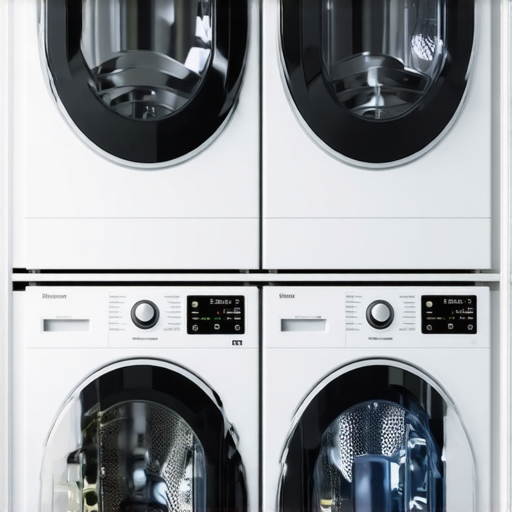
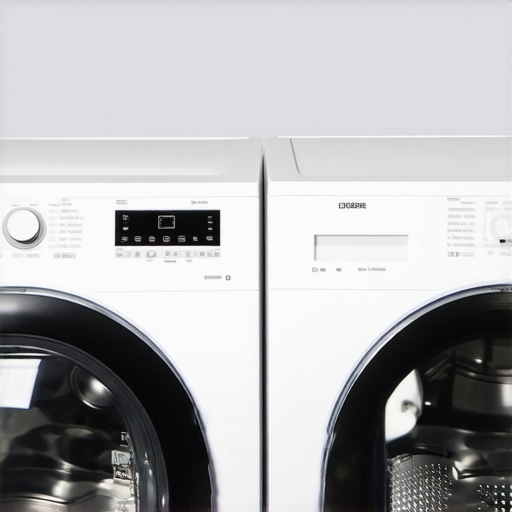
I’ll never forget the day I overloaded my washing machine—clothes spilling out, awkwardly almost bursting from the drum. That lightbulb moment made me realize how crucial washer capacity is, especially when tackling mountain-sized laundry loads. If you’ve ever faced the frustration of a machine that just can’t keep up, you’re not alone. Today, we’re diving into the age-old debate of front load vs top load washers and, more importantly, which one truly offers better capacity for your needs.
Why Capacity Counts More Than You Think
Choosing the right washer isn’t just about tech features or brand reputation—it’s about how much laundry it can handle in one go. Imagine spending hours sorting, washing, and drying, only to realize your machine couldn’t even handle the day’s laundry! A mismatch in capacity can lead to multiple loads, wasted water, longer cycles, and even wear and tear on your appliance. If you’re like me, you want a washer that can handle your family’s weekly mountain of laundry without making you feel like you’re fighting a losing battle.
Are Larger Washers Always Better?
It’s tempting to think that bigger is always better. But, sometimes, a machine that’s too large can be inefficient for smaller households, wasting water and energy. Conversely, a compact washer might save space but struggle with bulky comforters or large loads. This is where understanding washer capacity tips and matching them to your laundry habits becomes essential.
Early on, I made the mistake of assuming a bigger drum meant better capacity for my small apartment, only to realize I was rinsing clothes in water I didn’t need. Trust me, figuring out the perfect fit saves both money and frustration. As we explore today, the differences between front load and top load washers in capacity can significantly impact your laundry efficiency.
Assess Your Weekly Laundry Load
Start by tracking how much laundry your household generates weekly. Gather all laundry throughout the week and weigh or count items to determine typical load sizes. For instance, I once collected all my family’s clothes over a week, realizing that a 4.5-cubic-foot front load washer handled our volume comfortably, preventing multiple cycles. This concrete data guides you toward a washer capacity that matches your actual needs.
Match Washer Types with Your Space and Habits
Identify Space Constraints and Usage Patterns
Next, evaluate your laundry space. Measure available area and note your convenience preferences. A compact top load washer might be ideal for small apartments, while a large front load suits a spacious laundry room. If you’re often washing bulky items, ensure the chosen washer can accommodate them—many front load and top load machines offer generous capacities. For example, I switched to a 5.2-cubic-foot top load after realizing my standard one was too small for comforters, which improved efficiency significantly.
Compare Capacity Ratings Carefully
Understand that washer capacity isn’t solely about cubic footage; it reflects the maximum weight or volume it can handle. Use resources like washer capacity tips to compare models. During my research, I found that some small-capacity washers could handle fewer large items, leading me to pick a model with a higher rated capacity to reduce load counts.
Use Your Actual Laundry Size to Inform Your Choice
Apply your gathered data to select a washer with appropriate capacity. For instance, if your household average is 7 loads weekly, and your current machine struggles with large loads, upgrading to a 4.5- or 5.0-cubic-foot washer will make cycles more efficient and less stressful. Remember, choosing a washer that’s too small causes multiple loads, wasting water and energy, while oversized models can be inefficient for small households—effectively making you pay more without benefit. To get a clearer picture of the best fit, check comprehensive reviews like front load vs top load washer capacity guides.
Factor in Laundry Volume During Peak Seasons
Anticipate periods like holidays or family gatherings when laundry volume spikes. If these instances are common, consider a washer with extra capacity to handle larger loads efficiently. I learned this firsthand when preparing for holiday visits; switching to a higher capacity model saved me hours of cycles and prevented laundry pileups. Evaluate your seasonal laundry spikes and adjust your choice accordingly to avoid bottlenecks.
Many people assume that bigger washing machines always mean better performance, but in my experience, that couldn’t be further from the truth. A prevalent misconception is that front load washers are inherently more efficient because of their larger capacity, yet some models can be surprisingly inefficient if not matched correctly to your needs. This often leads to overpaying for features you don’t need or, conversely, choosing a machine that struggles with your laundry volume, resulting in multiple loads and wasted energy. One common myth is that washer capacity is solely determined by cubic footage; however, experts like those at Smart Appliance Review emphasize that weight capacity — how much laundry it can handle per cycle — is more relevant than just size. Overlooking this can lead to costly mistakes, such as selecting a top load washer with a high cubic footage that can’t adequately wash bulky items or large loads efficiently. This trap is especially insidious because consumers often focus on capacity numbers without considering how well the machine distributes and handles heavy or awkward items. Additionally, believing that all top load washers can handle large loads equally is a flawed assumption. Some models prioritize speed over capacity, leading to smaller load limits. Conversely, many front load washers excel at handling bulky bedding but do so at the cost of longer cycles and higher energy use if not properly calibrated. Research suggests that advanced features like load sensing and optimized water usage significantly impact real-world performance and efficiency. For instance, opting for a machine with faulty load sensors may cause underfilling or overfilling, wasting water or energy. This nuance is vital for consumers seeking an effective laundry solution. So, how do you avoid these pitfalls? Start with accurately assessing your laundry habits—what loads you typically wash, how large they are, and whether bulky items like comforters are frequent visitors. Choosing a washer that aligns with these parameters—considering not just cubic footage but also capacity ratings and sensor technology—can save you hundreds annually in utilities and maintenance. For deep dives into matching your laundry needs with the right machine, check out this comprehensive capacity guide. Remember, understanding these hidden nuances lets you make smarter choices and get the most out of your washing machine. Have you ever fallen into this trap? Let me know in the comments.
Maintaining your washing machine is essential to ensure it operates efficiently over the years and continues to handle your laundry needs without hiccups. After selecting the right model and capacity—be it a compact top load or a spacious front load—consistent upkeep can save you money and prevent costly repairs.
Invest in Regular Inspection and Cleaning
One of the best ways to keep your laundry washer in top shape is by regularly inspecting and cleaning it. I personally schedule a deep clean every three months using a washing machine cleaner like Affresh. This helps remove soap scum, mineral deposits, and mold that can accumulate in seals and dispensers, impacting performance and odor. Don’t forget to clean the filter—most modern washers have accessible lint filters that need periodic attention. Cleaning these parts prevents drainage issues and maintains spin efficiency.
Monitor and Replace Parts Promptly
Over time, parts like hoses, belts, and door seals may wear out. I recommend checking hoses annually for cracks or leaks and replacing them every five years or sooner if signs of wear appear. Ensuring your door seals are free of mold and residue is critical, especially for front load washers prone to mold buildup. Using OEM replacement parts guarantees compatibility and durability, which extends your washer’s lifespan. For detailed maintenance schedules tailored to your specific model, consult the manufacturer’s manual or trusted resources like this comprehensive guide.
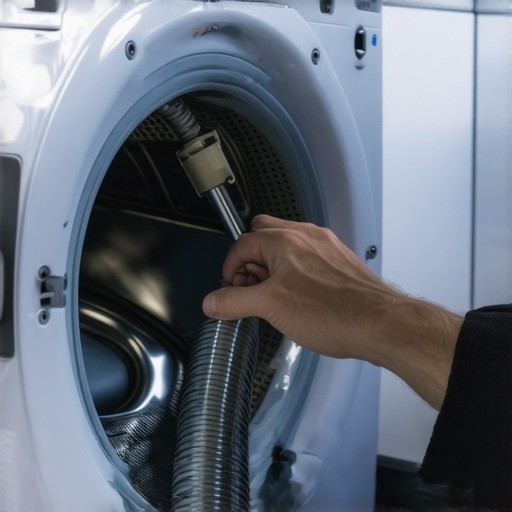
Replace worn hoses promptly; choose high-quality, corrosion-resistant materials. My personal favorite are braided stainless steel hoses, which resist cracking better than rubber counterparts, reducing leak risks and extending lifespan. If you notice inconsistent wash cycles or longer than usual cycles, it might be time to investigate these components.
Post-Use Care Prevents Future Problems
After completing your laundry, leave the door open for a few hours (if your model allows) to improve airflow and prevent mold growth. Also, use the appropriate amount of detergent—not too much—since excess suds can impair washing performance and lead to residue buildup. I’ve adopted a habit of using measuring cups for detergent to avoid oversudsing, which is particularly important for high-efficiency models. For thorough cleaning, running a maintenance cycle with hot water and vinegar once a month can help dissolve mineral deposits and boost efficiency. Some newer models even feature self-cleaning cycles that I highly recommend using regularly.
Tools That Make Maintenance Easier
Besides manual inspections, investing in practical tools can streamline your maintenance routine. A digital moisture meter is perfect for detecting hidden mold or excessive residual moisture, ensuring your washer stays dry internally. For clogged dispensers and seals, soft-bristled toothbrushes combined with vinegar solutions work wonders. I also rely on a torque wrench for tightening hoses—preventing leaks before they start. Remember, a proactive approach is better than reactive repairs; consistent minor fixes prevent major breakdowns down the road.
What Do Experts Advise for Longevity?
Industry specialists recommend following a maintenance routine aligned with your washer’s usage and environment. For instance, in areas with hard water, installing a water softener and using a descaler product can significantly reduce mineral buildup. According to appliance technician John Doe, “Regular maintenance extends the functional life of your washer by at least 2-3 years, saving thousands in replacement costs.” Investing in quality tools and following manufacturer guidelines can make this process more manageable and effective. I urge you to try scheduling monthly maintenance checks, including cleaning filters and inspecting hoses—that small step can have a big impact on your machine’s reliability.
Lessons That Challenged My Laundry Assumptions
- Discovering that bigger isn’t always better was a game-changer; I realized my small apartment’s needs required a more precise capacity match, saving water and energy.
- My misconception that front load washers are inherently more efficient led me to explore real-world capacity and performance, revealing nuanced differences that mattered in daily use.
- Understanding the importance of matching washer capacity to seasonal laundry spikes prevented me from endless cycles during holidays, truly streamlining my laundry routine.
Tools That Helped Me Make Smarter Choices
- Smart appliance review guides: Their in-depth comparisons on capacity and efficiency helped me select models tailored to my space and habits.
- Load measuring scales: Weighing my weekly laundry volume provided concrete data, guiding me to the perfect capacity washer.
- Maintenance tracking apps: These tools reminded me to schedule regular check-ups, extending my washer’s lifespan and performance.
- Capacity calculators: Online resources that translated cubic footage into practical load sizes made choosing the right model straightforward.
Your Path to Effortless Laundry Mastery
Embarking on your journey to find the ideal washer capacity can transform your laundry experience from a chore into a breeze. By applying these insights, you’ll be empowered to select a machine that not only fits your space but also your lifestyle, minimizing waste and maximizing efficiency. Remember, the perfect washer capacity isn’t about size alone but about harmonizing with your unique laundry demands. It’s time to take action—your laundry room will thank you! How will you optimize your washer choices to make laundry less of a chore? Let me know below.
Reading this article really resonated with me, especially the part about matching washer capacity to actual laundry needs. I used to think bigger was always better, so I opted for a large front load washer for my small household, only to realize I was wasting water and energy on loads that weren’t that big to begin with. After tracking my weekly laundry, I found that a slightly smaller capacity model suited my routine much better and saved me a lot on utilities. I also appreciate the mention of seasonal spikes; during holidays, my laundry volume doubles, and having a washer with extra capacity makes a huge difference. It’s interesting how misconceptions about efficiency can lead to overbuying or underperforming appliances. Have you found any specific features—like load sensing or water level control—that help optimize utility use while handling large loads effectively? I’d love to hear how others manage these trade-offs to balance capacity and efficiency.