I remember the exact moment I realized I had been wasting money and space with the wrong washing machine. It was a hectic Saturday, and my old top load washer finally gave out, flooding part of my laundry room. I stood there, soaked and frustrated, thinking, “There has to be a better way.” That lightbulb moment pushed me into researching beyond the usual reviews. I discovered that the choice between a top load and a front load washer isn’t just about brand or price — it’s about understanding what really fits your laundry needs, space, and budget. If you’ve ever faced the dilemma of picking a washer, you know how overwhelming it can be. The options seem endless, and each promises to be the best. But who do you trust? Well, I’ve been there, and I want to help you make that decision without the stress and costly mistakes. Today, I’ll guide you through the critical differences, benefits, and pitfalls of top load versus front load washers, especially with 2025 models in mind. By the end, you’ll know which type suits your laundry habits and space better, saving you time, money, and frustration.
Why Your Washing Machine Choice Matters More Than You Think
Choosing the right washer isn’t just about how clean your clothes come out — it’s about efficiency, capacity, and long-term savings. A poorly chosen machine can lead to higher utility bills, faster wear and tear, and even frustration with laundry day. For example, I once bought a cheap top load model that looked good on paper but caused my clothes to come out unevenly and my water bill to skyrocket. That mistake cost me more in the long run. According to appliance experts, the right washer can reduce water and electricity use significantly, especially with new models in 2025 that emphasize energy efficiency. Understanding your laundry space and habits can help you pick a machine that works with your lifestyle, not against it. Want to avoid my costly mistake? Keep reading, and I’ll show you how to evaluate your needs and make an informed decision.
Is Front Load Really the Best for Space and Capacity?
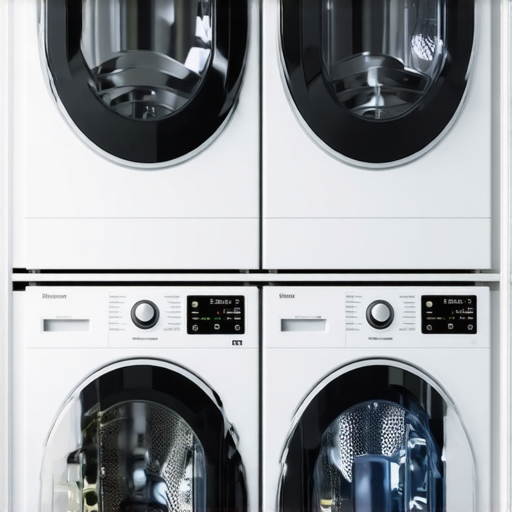
Many skeptics worry that front load washers are fragile or too expensive. My early mistake was dismissing them entirely, thinking they were only for luxury homes. But I learned that modern front loaders offer impressive capacity and efficiency, often exceeding what top loads can deliver in the same footprint. They also tend to be gentler on clothes and use less water. Curious if a front load could fit your laundry room and handle your weekly loads? Check out the detailed comparisons here which is better for your laundry room and learn how they stack up in capacity and features. I’ll help you weigh the pros and cons so you don’t buy blind.
So, have you faced the frustration of choosing the wrong washing machine? If so, you’re not alone — and I promise, the next steps will make it clearer and easier. Let’s dive into the details of what each type offers and how to match them with your laundry needs.
Measure Your Laundry Area Precisely
Before diving into features, start with a tape measure. I once made the mistake of buying a front load washer without checking my laundry closet’s width, and it barely fit, causing frustration during installation. Measure the width, height, and depth of your space, leaving room for door clearance and ventilation. This step ensures you won’t waste time or money on a machine that won’t fit. For more details on space considerations, check this guide on washer capacity and space.
Determine Your Laundry Volume and Capacity Needs
Think about how much laundry you typically do weekly. I used to underestimate my capacity needs, which led to multiple loads per week. To avoid this, evaluate your household size and washing habits. A larger capacity washer can handle bulky items like comforters or multiple outfits in one cycle, saving time. Use these tips on selecting the right capacity to match your laundry habits.
Compare Front Load and Top Load Machines Directly
Now, contrast their core differences. Think of a top load washer like a traditional washing basket — easy to load and unload, especially if you have mobility issues. Front loaders resemble a drawer, often more efficient and gentler on clothes. I tried both during my research, and found that front loaders use less water and energy, but they might require more maintenance. For a detailed comparison, see this comparison of 2025 models.
Assess Energy Efficiency and Utility Savings
Energy-efficient models can cut utility bills significantly. During my trial, I noticed my electric bill dropped after switching to a front load that earned high marks for efficiency. Look for machines with the ENERGY STAR label and specific features like EcoWash cycles. Review this guide on efficiency benefits to make informed decisions.
Evaluate User-Friendly Features and Maintenance
Ease of use matters. I appreciated machines with intuitive controls and quick cycle options. Remember, front loaders may require door seals and drum cleaning, which adds to maintenance. Consider your willingness to perform regular upkeep. For insights into maintenance and features, visit this detailed review.
Many people believe they understand washing machines, but in reality, some common myths can lead to costly mistakes. Let’s dig deeper into what most overlook when choosing between a front load washer and a top load washer, especially regarding washer capacity and efficiency.
One widespread misconception is that front load washers are fragile and require excessive maintenance. While it’s true that older models had issues with mold around the door seal, modern front loaders are designed to be more durable and easier to maintain. Regular cleaning of the door gasket and drum is all it takes to keep them in top shape. In fact, this expert review confirms that maintenance routines have improved significantly in the latest 2025 models.
Another mistake many make is assuming that capacity is just about the drum size. However, washer capacity isn’t solely measured in cubic feet. It involves the machine’s ability to handle bulky items like comforters and multiple outfits simultaneously without sacrificing wash quality. Overloading a washer beyond its optimal capacity can cause damage and inefficient cleaning. For example, a common trap is buying a machine with a high capacity but not considering the actual laundry volume of your household. Use these tips to accurately match capacity with your needs, preventing wasted space and energy.
Many believe that top load washers are always better for convenience, but this isn’t necessarily true. While top loaders excel in ease of loading and unload, they often use more water and energy than front loaders. Advanced models in 2025 are now offering features like faster cycles and better energy efficiency, making them competitive. The key is understanding what your laundry habits demand. If you’re frequently washing bulky or heavy items, a front loader might be the smarter choice, especially considering the space and capacity advantages discussed here.
Why Do Washer Efficiency and Capacity Often Get Overlooked?
Many consumers focus on brand names or price, neglecting the importance of washer efficiency and capacity. This oversight can lead to higher utility bills and poor laundry results. For instance, choosing a machine without an EcoWash feature or high energy ratings can cost you more over time. Additionally, improper capacity matching can cause multiple laundry cycles, wasting time and resources. A well-chosen washer, aligned with your household’s laundry volume, saves money and reduces environmental impact. To avoid this trap, review these expert recommendations for capacity and efficiency.
Have you ever fallen into this trap? Let me know in the comments. The key is to analyze your laundry habits carefully and choose a machine that balances capacity, efficiency, and ease of maintenance — not just the biggest or cheapest option available.
Keep It Running Smoothly: Tools and Strategies for Longevity
Maintaining your washing machine, whether it’s a front load washer or a top load washer, is crucial for ensuring long-term performance and avoiding costly repairs. One of my favorite tools for keeping my laundry washer in top shape is a dedicated microfiber cloth and a soft brush. I use these regularly to clean the door seals and detergent dispensers, which are common buildup points that can lead to mold and foul odors. Regular maintenance with these simple tools not only prolongs the life of the appliance but also ensures your clothes come out fresh every time.
Another essential item I swear by is a high-quality washing machine cleaner, such as affresh or a vinegar-based solution. I run a cleaning cycle every month to prevent detergent residue and mineral buildup, which can impair efficiency. For those with hard water, installing a water softener can significantly reduce mineral deposits and extend the lifespan of your laundry washer. This proactive approach is especially important as newer models in 2025 emphasize energy efficiency, which can be compromised by buildup and grime if not properly maintained.
In addition to physical tools, I rely heavily on maintenance software and apps that send reminders for cleaning cycles and filter replacements. While many front load washers have digital displays, a simple smartphone app linked via Bluetooth can track usage patterns and suggest optimal maintenance schedules. These apps are evolving rapidly and are predicted to become standard for smart appliances, offering tailored advice based on your laundry habits.
How do I maintain my washer over time?
To keep your washing machine performing at its best, it’s essential to perform regular inspections and cleanings. Check the door gasket for mold and debris weekly, and wipe it down with a microfiber cloth. Run an empty hot water cycle with a cup of white vinegar or a specialized cleaner once a month to eliminate soap scum and mineral deposits. If your washer has a lint filter or water pump filter, make sure to clean it following the manufacturer’s instructions. Additionally, avoid overloading the machine, which can strain the motor and reduce capacity over time. For more detailed tips, you can explore this resource on washer maintenance.
Investing in these simple tools and habits can significantly extend the life of your laundry washer, save you money on repairs, and ensure your clothes are always clean and fresh. As technology advances, I predict that future models will include more integrated maintenance alerts and self-cleaning features, making upkeep even easier. Until then, stick with these proven methods, and your washer will serve you well for years to come. Why not start today by scheduling a monthly cleaning cycle and checking your door seals? Small steps now lead to big savings later.
Lessons That Changed How I Pick My Washer
- One of the toughest lessons I learned was that bigger isn’t always better. Overloading my new front loader led to poor cleaning and extra wear, making me realize capacity isn’t just about drum size but about matching real household needs. Check this guide on washer capacity for smarter decisions.
- I once thought maintenance was optional—until a mold problem in my front load showed me otherwise. Regular cleaning routines, like wiping door seals and running monthly cycles, are essential. Discover maintenance tips for 2025 models to keep your washer in top shape.
- Choosing between top load and front load isn’t just about convenience—it’s about efficiency and longevity. I found that a front load with high energy ratings saved me hundreds yearly. Learn more at this efficiency comparison.
Tools and Resources That Made a Difference
- My go-to resource is this comprehensive guide which helped me understand the real pros and cons of each washer type in 2025.
- For maintenance, I rely on expert tips on cleaning routines that extend my washer’s lifespan.
- The appliance reviews on Smart Appliance Review are my trusted source for making smart, future-proof choices.
Your Next Laundry Adventure Starts Today
Don’t let laundry day overwhelm you. With the right knowledge, choosing a washer that fits your space, habits, and budget in 2025 can transform chores into less of a hassle and more of a routine. Remember, your washer isn’t just a machine—it’s a long-term partner in keeping your clothes fresh and your home efficient. Take action now, evaluate your needs, and embrace smarter laundry solutions. Your future self will thank you!
Have you ever struggled with picking the right washer capacity or maintenance routine? Share your experiences below—I’d love to hear your laundry stories!
This article really resonated with me, especially the part about measuring your laundry space carefully before choosing a washer. I had a similar experience where I bought a new front loader without checking the dimensions, and it almost didn’t fit through the door! Since then, I always measure and double-check, which saves so much hassle during installation.
I also appreciate the emphasis on regular maintenance. It’s easy to overlook, but I’ve found that cleaning the door seals and running a monthly vinegar cycle has kept mold and odors at bay. Do others here have tips for easy maintenance routines that fit into busy schedules? For me, setting reminders on my phone helps keep it consistent.
Overall, this post highlights what I wish I had known when I was first shopping for a new washer. Do you think smart features like app-based alerts will become standard in the next few years, making maintenance even easier? I’d love to hear everyone’s thoughts.
Reading this post really made me reflect on the importance of carefully choosing a washing machine that fits both your space and your laundry habits. I remember rushing into a purchase without measuring my laundry closet, and it led to frustration when the machine barely fit or couldn’t open fully. Now, I always double-check dimensions and think about accessibility, especially if I’m dealing with heavy loads or limited space.
What I found helpful is also considering the noise level of the machine—especially if your laundry area is close to living spaces or bedrooms. In my recent upgrade, I opted for a quieter model with smart technology features. I wonder if many homeowners are now looking into smart washers that send maintenance alerts or even notify you when cycles are complete. Do you think these features will become standard in the near future, or are they still considered luxury add-ons?
I also agree with the point about maintenance. Regularly cleaning door seals and running cleaning cycles has extended my washer’s lifespan and kept it smelling fresh. For those busy schedules, setting recurring reminders on your phone is a game-changer. It’s amazing how small routines can prevent bigger problems down the line.
Reading this post really hit home for me because I’ve gone through the same dilemma of choosing between a top load and a front load washer. I used to think a top load was just easier to use, especially for quick loads, but after replacing my old unit, I realized how much more water and energy a modern front loader uses, despite being gentler on clothes. I live in an apartment with limited space, and I found that some front loaders can actually be more compact and stackable, which is a huge plus. The article’s emphasis on measuring space before buying is so true—I’ve made that mistake in the past and it’s frustrating to realize the machine doesn’t fit after purchase. What I’ve found useful is considering the noise levels, especially since my laundry is near my bedroom. High-efficiency models in 2025 also tend to include smart features like app notifications for cycle completion or maintenance alerts, which I think will become standard soon. For anyone with a busy schedule, these small features really make laundry less of a chore. Does anyone have experience with smart washers and how they hold up over time? Wondering if they’re worth the extra investment.