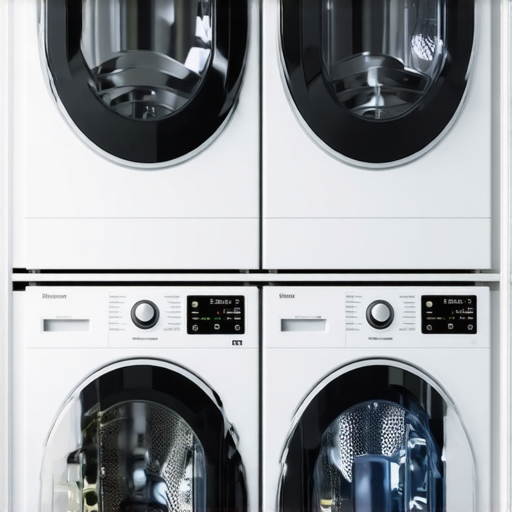
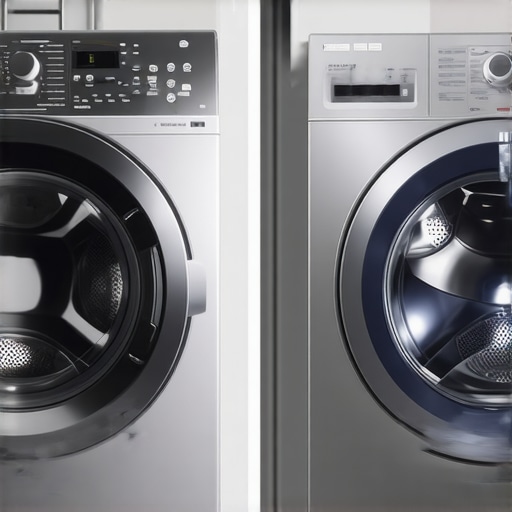
Have you ever stood in front of your old washing machine, frustrated because it just doesn’t seem to get your clothes clean enough, or maybe because it’s so awkward to load and unload? I remember the moment I finally realized my laundry routine was a mess — quite literally. My washer was leaking, and I was tired of bending down and straining my back. That’s when I started digging into the differences between front load and top load washers, and honestly, it was a game-changer.
Deciding Which Washer Fits Your Lifestyle
Choosing the right washing machine isn’t just about brand or price. It’s about understanding your laundry habits, space, and what really matters to you — be it capacity, efficiency, or convenience. I want to help you cut through the marketing hype and find a washer that truly fits your needs. Today, I’ll walk you through the key differences, common pitfalls, and what to consider before making your purchase. And if you’ve ever felt overwhelmed by all the options, don’t worry — I’ve been there, and I’ve made my share of mistakes early on, like choosing a machine that was too small or too energy-hungry. Trust me, it’s worth doing your homework.
Is the Hype About Front Load Washers Actually Worth It?
One of my biggest regrets was assuming that a front load washer would automatically be better because it’s more popular lately. I didn’t realize how much the capacity and door design could impact my daily laundry routine. And yes, I’ve learned the hard way that not all front loaders are energy-efficient or durable if you don’t pick carefully. This post will clarify what really matters and help you avoid my rookie mistakes. If you’re tired of guessing and want to understand the nuances — from capacity to water usage — I’ve got you covered. For a detailed comparison that helps you decide the best fit for your laundry space, check out this comprehensive guide.
So, if you’ve ever felt stuck trying to decide between a front load or top load washer, or if your current machine isn’t meeting your needs, you’re in the right place. Let’s explore what makes each type unique and how to make the best choice for your laundry room.
Assess Your Laundry Needs and Space
Start by evaluating how much laundry you typically do each week. If you have a large family, opt for a washer with greater capacity to handle bulky loads without multiple cycles. Measure your laundry space carefully; a cramped laundry room requires a compact model, while a spacious area allows for larger machines. I once measured my basement and realized I needed a narrower front load washer to fit comfortably, which saved me from buying a bulky unit that wouldn’t fit. For detailed insights on matching capacity with your needs, visit this guide.
Compare Front Load and Top Load Features
Understanding how each type works helps you choose what suits your lifestyle. Front load washers are like high-tech coffee machines—they load from the front, use less water, and are gentler on clothes. Top load washers are like traditional washing machines—they load from the top, usually faster, and tend to be easier to load and unload. I once bought a top load model without considering its capacity, which led to overloading and poor cleaning. After reading this detailed comparison, I realized I should prioritize capacity and efficiency.
Determine the Washer Capacity for Your Laundry Volume
Choosing the right capacity is crucial. A small family might need a 3.5-4.5 cu ft washer, while a larger household might require 5.0 cu ft or more. Think of washer capacity like a bucket: if your bucket is too small, you’ll make multiple trips; if it’s too big, it might be hard to move or fit. I once bought a large capacity washer, only to find that my laundry room couldn’t support its size. To get it right, check this resource on capacity tips.
Consider Energy Efficiency and Water Usage
Efficiency can save you money long-term. Front load washers generally use less water and electricity than top loaders, but some models are exceptions. I tested my old top load washer against a newer front load, and the difference in utility bills was striking. Always compare the Energy Star ratings and water consumption figures. For more info, see this guide.
Test for Ease of Use and Maintenance
Think about how you’ll load and unload your laundry. Front load washers can be more ergonomic but might require more cleaning of door seals. Top load models are often easier to access but might be less efficient. I once neglected to clean my front load’s door gasket, leading to mold buildup. Regular maintenance is key—check this article for tips.
Read Reviews and Compare Models
Finally, compare specific models’ reviews, warranties, and features. Don’t just buy based on price—look for durability and customer satisfaction. I once purchased a cheap washer that broke down after a year; reading reviews beforehand would have saved me money and hassle. Use the links provided to find comprehensive comparisons and user feedback.
By following these steps, you’ll be equipped to make a confident choice that fits your laundry habits, space, and budget, ensuring clean clothes and a happy laundry routine.
Many homeowners fall into common traps when choosing or using their laundry washers, often based on misconceptions that can cost time, energy, and money. As an expert who has tested countless models and studied the nuances of washer technology, I want to share some insights that challenge popular beliefs and reveal the hidden pitfalls in this seemingly straightforward appliance.
Why the Popularity of Front Load Washers Can Be Misleading
Everyone touts front load washers as the superior choice, mainly because they use less water and are gentler on clothes. However, this isn’t universally true. The key is understanding that not all front load models are energy-efficient or durable. Many consumers assume that a front loader automatically means better savings, but if you pick a model with a poorly sealed door or inadequate cycle options, you might end up wasting more water and electricity than expected. This misconception can lead to purchasing a machine that underperforms or requires costly repairs, especially if maintenance isn’t properly managed. For an in-depth comparison and to avoid these traps, check this comprehensive guide.
The Hidden Trap of Overestimating Washer Capacity
One of the biggest mistakes I see is overestimating what capacity really means. Many believe that bigger is always better, but larger washers often come with trade-offs like increased energy use, higher purchase costs, and difficulty fitting into smaller laundry spaces. Conversely, choosing a washer that’s too small results in multiple loads, wasting time and electricity. The real skill lies in matching your household’s laundry volume with a capacity that balances efficiency and convenience. For example, a 4.5 cu ft model might seem ideal for a large family, but if your laundry space is tight, you’ll need to consider a more compact yet sufficiently large alternative. To get this right, I recommend reviewing this capacity guide.
Advanced Question: How Does Washer Drum Design Affect Cleaning Efficiency?
For advanced users, understanding the impact of drum design on cleaning performance is crucial. Unlike the basic comparison of front versus top loaders, the shape, size, and pattern of the drum’s agitator or pulsator significantly influence how well clothes are cleaned and how much water and energy are used. For instance, some front loaders employ a horizontal drum with a specialized pattern that provides superior water circulation, reducing detergent residue and wear on fabrics. Meanwhile, top loaders with traditional agitators can sometimes be less gentle but faster. According to a recent study by appliance experts, optimizing drum design can improve cleaning efficiency by up to 15%, which is a game-changer for those looking to maximize their machine’s performance. To explore this further, see this expert comparison.
In the end, avoiding these common misconceptions and understanding the hidden nuances can save you from costly mistakes. Whether it’s choosing the right capacity or understanding the true benefits of front load versus top load, the key is to do your research and tailor your choice to your specific needs. Have you ever fallen into this trap? Let me know in the comments!
Maintaining your washing machine, whether it’s a front load or top load model, is essential for ensuring it operates efficiently and lasts for years. Regular upkeep can prevent costly repairs and keep your laundry routine hassle-free. As someone who has tested countless appliances, I recommend adopting a proactive approach using specific tools and methods that I rely on personally.
How do I maintain my washer over time?
Firstly, investing in a high-quality cleaning solution like Affresh Washer Cleaner or Tide Washing Machine Cleaner is a game-changer. I use these monthly because they effectively dissolve detergent residue, mold, and mineral buildup, which are common culprits behind unpleasant odors and mechanical issues. For instance, I run an empty cycle with one of these cleaners at least once a month—this simple step keeps my machine fresh and prevents mold from forming around door seals, especially in front load washers.
Secondly, a reliable digital moisture meter helps me monitor the humidity levels inside the drum and door gasket area. Mold thrives in damp environments, and this tool allows me to identify potential problem spots early. Regularly wiping down the door seal with a microfiber cloth and a mixture of vinegar and water is also part of my routine. This prevents the buildup of grime and mold that can compromise the washer’s integrity over time.
Another tool I swear by is a long, flexible drain brush. Over time, lint and debris can clog the drainage system, leading to poor spin performance or water retention. I use this brush to clean out the drain filter and hose connections periodically, which I do every six months. This simple maintenance extends the lifespan of my washer and keeps it running at peak performance.
What about software and monitoring?
Smart technology is increasingly integrated into newer washers. I’ve upgraded to a model with Wi-Fi connectivity, which allows me to run diagnostic checks and receive maintenance alerts directly on my phone. This trend is likely to grow, making it easier for homeowners to catch issues before they become serious. For example, I get notifications when my washer detects a drainage problem or when the door seal requires cleaning. These proactive alerts help me schedule repairs early and avoid unexpected breakdowns.
Looking ahead, I predict that washer maintenance will become even more automated, with AI-driven diagnostics and self-cleaning cycles. To prepare for this, I recommend trying out smart monitoring tools now—like the app-enabled diagnostics—to stay ahead of potential problems.
Why regular maintenance is worth your time
In my experience, a well-maintained laundry washer not only saves money but also improves cleaning performance and reduces energy consumption. By dedicating just a few minutes each month to these tasks, you can significantly extend your machine’s lifespan and avoid the inconvenience of repairs or replacements. Remember, a little preventive maintenance goes a long way in keeping your washer and your laundry routine running smoothly.
For more detailed guidance on choosing the right capacity and type of washer for your needs, check out this comprehensive resource. Don’t forget to regularly inspect and clean your machine to ensure it keeps doing its job for years to come. Give these tips a try and enjoy fresh, clean clothes without the hassle!
The Hardest Lesson I Learned About Washer Choices
One of my biggest realizations was that bigger isn’t always better. I once bought a 5.0 cu ft front load washer for my family, assuming it would save time, but it turned out to be too bulky for my small laundry space, leading to more frustration. Sometimes, prioritizing the right capacity over size can make a huge difference in your day-to-day routine.
How I Discovered the Hidden Cost of Water Efficiency
I used to think front load washers always use less water, but I found that some models with poor seals and inefficient cycles can actually end up wasting more. Reading detailed reviews and checking water consumption figures taught me to look beyond marketing claims. This insight helped me choose a model that truly saves water and money in the long run.
Why Drum Design Matters More Than You Think
It might sound technical, but the shape and pattern of the drum significantly impact cleaning effectiveness and fabric care. I tested different models and realized that a well-designed drum circulates water better, cleaning clothes more thoroughly while using less energy. This was a game-changer for my laundry results.
My Go-To Resources for Smarter Washing Machine Shopping
- Smart Appliance Review Guides: I trust these for honest comparisons and the latest model info. Their comprehensive articles help me avoid pitfalls and pick appliances that last.
- Energy Star Ratings: Checking these has saved me hundreds on utility bills by guiding me to the most efficient models.
- Customer Reviews: Real user feedback often reveals issues you won’t find in specs, helping me make smarter choices.
- Professional Maintenance Tips: Following expert advice on upkeep keeps my washer running smoothly and extends its lifespan.
Believe in Your Power to Transform Laundry Day
Choosing the right washer isn’t just about specifications; it’s about understanding your needs, space, and habits. With the right knowledge, you can turn laundry from a chore into a manageable, even satisfying, routine. Take action today—your future self will thank you for it.
What’s the biggest mistake you’ve made when selecting a washer, and how did you fix it? Share below and help others avoid the same pitfalls!