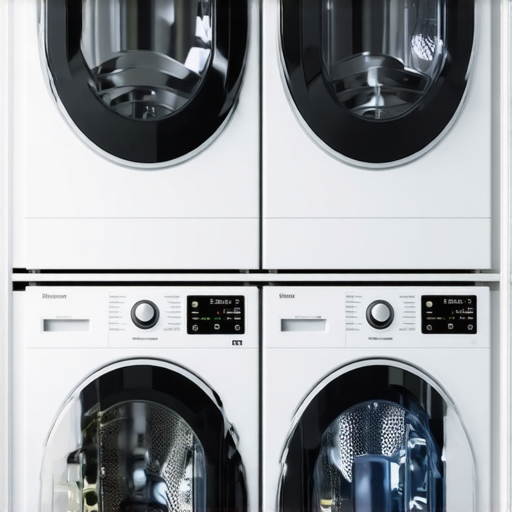
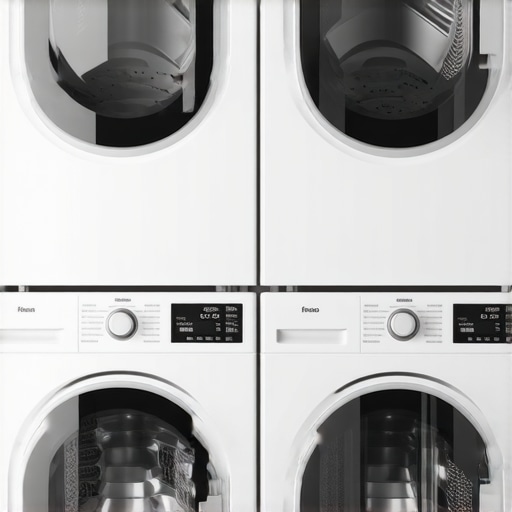
Ever found yourself staring at a mountain of laundry, frustrated because your washing machine just doesn’t seem to cut it? I’ve been there. One day, I loaded up a tiny top load washer with a massive pile of clothes, only to watch it struggle and spin endlessly. That lightbulb moment hit me hard: choosing the right washer isn’t just about brand or price — it’s about capacity and type. And trust me, the difference it makes is huge.
Why Picking the Right Washer Matters More Than Ever
In 2025, the laundry room can be a battleground of choices. With so many options out there — front load, top load, high capacity, energy-efficient models — it’s easy to get overwhelmed. But here’s the truth: selecting the wrong washer can lead to wasted time, higher utility bills, and even premature machine breakdowns. According to the U.S. Department of Energy, choosing an appropriately sized washer can save you hundreds of dollars annually in energy and water costs.
So, how do you find the perfect fit? Well, that’s exactly what we’re about to unpack. I’ll share my personal journey, mistakes I made early on, and most importantly, practical tips to help you avoid the same pitfalls. Whether your laundry needs are modest or sprawling, there’s a washer out there that fits your lifestyle — and I’ll show you how to find it.
Have You Faced the Frustration of a Washer That Just Can’t Keep Up?
If you’ve ever crammed your washer with too many clothes and watched it struggle, you know the pain. Trust me, I’ve learned the hard way that understanding your laundry volume and choosing the right capacity can make all the difference. This is especially true as appliances become more advanced in 2025, offering smarter features and better efficiency. But if you pick the wrong type or size, all that innovation doesn’t matter.
Let’s dive into the nitty-gritty. I’ll guide you through the essentials of washer capacity, the differences between front load and top load machines, and how to match your needs with the best options available. Ready to stop the laundry battles and start washing smarter? Great — let’s get started.
Assess Your Laundry Volume
Start by estimating how much laundry you do weekly. If you typically wash a small load, a compact washer might suffice, but for larger families or frequent laundry, a high-capacity machine will save you time. I once tried to cram a standard-sized washer with an entire week’s laundry, only to find it struggling and extending wash times. To avoid this, measure your typical load weight and compare it with washer capacity guidelines.
Measure Your Laundry Loads Accurately
Use a scale or a laundry basket to weigh your regular loads. For reference, a full load for a standard washer is around 6-8 kg (13-17 lbs). If your typical load exceeds this, consider upgrading to a larger capacity washer.
Select Between Front Load and Top Load Washers
Both types have their advantages, but your choice should align with your space, budget, and laundry habits. I initially bought a top load washer because I thought it was more affordable, but after reading this comparison, I realized a front load was more efficient for my energy consumption. To decide, think about accessibility, cleaning efficiency, and space constraints.
Consider Space and Accessibility
If space is tight, front load washers stack easily and fit into tighter spots. For easier loading and unloading, top load washers are more convenient. Measure your laundry area carefully before making your choice.
Match Your Needs with Washer Features
Modern washers come with smart features like load sensors, steam cleaning, and water efficiency. I once selected a machine without considering these features, which led to longer wash cycles. Afterward, I looked into capacity and efficiency tips and chose a model that saved me both water and energy.
Focus on Efficiency and Longevity
Prioritize machines with high Energy Star ratings and good reviews for durability. Remember, a well-chosen washer is an investment that pays off over years of reliable service.
Use Capacity Guidelines for Optimal Performance
Stick to the manufacturer’s recommended load sizes. Overloading reduces cleaning effectiveness and strains the machine, while underloading wastes resources. I learned this the hard way when my overloaded washer broke down after a few months. Check out capacity tips to fine-tune your choice.
Balance Load Size and Wash Cycle Time
Smaller loads wash faster and use less energy, but frequent small washes can add up. Larger loads are more efficient but require a capable, high-capacity machine. Find your sweet spot based on your laundry volume and machine capacity.
Many homeowners believe that choosing a washing machine is simply a matter of picking the most popular brand or the lowest price. However, this common misconception overlooks the complex nuances that can significantly impact laundry efficiency and appliance longevity. Let’s dig deeper into what often gets misunderstood about washers, especially regarding front load versus top load models and capacity considerations.
Myth of Capacity Oversimplification
A frequent mistake is assuming that bigger capacity always equals better performance. While larger washers are ideal for families, they can be counterproductive if the household’s laundry volume is modest. Overloading a high-capacity washer not only strains the motor but also diminishes cleaning quality. Conversely, underutilizing a large drum can lead to unnecessary water and energy consumption. The key is matching washer capacity to your typical laundry load, as outlined in expert reviews like this guide.
Why Front Load Isn’t Always Superior
Many assume front load washers are universally better due to their energy efficiency and gentler wash cycles. While this is often true, it’s not a one-size-fits-all solution. Front load models tend to be more prone to mold and odor issues if not maintained properly, which can be a surprise to new users. Additionally, they usually come with a higher upfront cost and require more space for stacking. Analyzing your specific needs and usage habits will help determine if a front load or top load washer aligns better with your lifestyle, as discussed in this comparison.
Common Misconceptions About Washer Durability
Another trap is believing that all washers are equally durable regardless of brand or model. In reality, many overlook the importance of load sensors and build quality. An advanced feature like load sensing, which adjusts water levels based on load weight, can dramatically extend the lifespan of your machine by reducing unnecessary strain. Choosing models with high Energy Star ratings and positive reviews for durability, as recommended in this resource, ensures your investment lasts for years.
How to Avoid the Hidden Trap
The real trap many fall into is ignoring the importance of proper load size and capacity matching. Overloading or underloading not only affects cleaning but can cause mechanical issues down the line. Regular maintenance and understanding your household’s laundry patterns are crucial. Remember, the goal is to optimize both efficiency and longevity, which requires more than just picking the latest model. Take the time to assess your laundry habits and select a washer that fits your needs, rather than following popular trends blindly.
Have you ever fallen into this trap? Let me know in the comments. The more you understand these nuanced details, the smarter your laundry choices will be!
Keeping your washing machine running smoothly over the years requires more than just occasional cleaning. Investing in the right tools and adopting a consistent maintenance routine can significantly extend your washer’s lifespan and ensure optimal performance. I personally rely on a few specialized tools and methods that have proven effective in my experience, and I highly recommend them to anyone serious about laundry machine longevity.
Why I Swear By a Quality Drain Cleaning Tool
One of the most common issues I’ve encountered with laundry washers, especially front load models, is drain clogs. Over time, lint, detergent residue, and small debris can build up in the drainage system, leading to poor drainage and potential water damage. I use a high-quality drain snake or auger designed specifically for appliance drains. This tool allows me to clear out stubborn clogs without costly calls to a plumber. Regularly cleaning the drain ensures that your washer doesn’t have to work harder than necessary, which can save energy and prolong its life.
Using a Digital Multimeter to Prevent Electrical Failures
Electrical components are often overlooked, yet they are critical for the longevity of your laundry machine. I use a digital multimeter to periodically check the motor, control board, and wiring continuity. This proactive approach helps me spot potential electrical issues before they cause complete failure. With a multimeter, I can also verify that voltage levels are within specifications, which prevents unnecessary strain on the appliance’s electrical system. As appliances evolve, incorporating smart diagnostics, knowing how to troubleshoot electrically has become an invaluable skill.
Applying a Silicone-Based Lubricant for Moving Parts
Worn-out bearings and door seals can cause leaks and noise, reducing your washer’s efficiency. I recommend applying a silicone-based lubricant on door seals, hinges, and any moving parts that exhibit friction. This simple step reduces wear and tear, preventing expensive repairs down the line. It’s a small investment of time that pays off by keeping your machine operating quietly and smoothly for years.
Smart Monitoring with IoT Devices
Looking ahead, I see the trend moving toward smart, connected appliances. Installing IoT-enabled sensors or smart plugs can help monitor your washer’s performance, detect anomalies, and schedule maintenance reminders automatically. These tools can notify you of unusual vibrations, leaks, or power consumption spikes—early indicators of trouble. Embracing such technology now can save money and reduce downtime in the future.
How do I maintain my washer over time?
The key to long-term washer health is consistent maintenance. Regularly cleaning the detergent dispenser, running a hot water cycle with vinegar or specialized cleaning agents, and inspecting hoses for cracks are simple yet effective practices. Additionally, checking the washer’s capacity adherence—avoiding overloading—helps prevent undue strain on its motor and suspension system. For detailed guidance on optimal load sizes and capacity management, I recommend reviewing these expert tips.
By combining the right tools with disciplined maintenance routines, you’ll keep your laundry washer functioning efficiently for years. Don’t wait until a breakdown occurs—start implementing these proactive measures today and enjoy hassle-free laundry days ahead.
Lessons From My Laundry Room Mistakes
One of the biggest lessons I learned was that bigger isn’t always better — especially when it comes to washer capacity. I once bought a massive high-capacity machine for my small household, only to find myself wasting water and energy on oversized loads. It took a few costly breakdowns and wasted cycles to realize that matching capacity to my actual laundry volume was crucial. Trust me, understanding your laundry habits before buying can save you time and money in the long run.
Another insight came from assuming front load washers are the best for everyone. I thought their energy efficiency meant they were the only smart choice, but I overlooked maintenance issues like mold and the need for more space. A quick read through this comparison helped me see that top load models can be just as effective for certain lifestyles. The key is assessing your space, budget, and laundry frequency.
Lastly, I underestimated the importance of load sensors and quality build. Choosing a machine with smart features and high durability ratings has extended my washer’s lifespan significantly. It turns out that investing in a model with good reviews for longevity, like those recommended in this guide, pays off over years of hassle-free laundry.
My Go-To Tools for a Long-Lasting Washer
Regular drain cleaning with a quality drain snake prevents clogs that can cause water damage and strain. I use a sturdy auger designed for appliances, which keeps my drainage system clear and my washer running smoothly. For electrical health, I periodically check components with a digital multimeter, catching issues before they escalate. Applying silicone lubricants on moving parts helps prevent leaks and noise, saving me from costly repairs. As technology advances, I’m also exploring smart IoT sensors that monitor performance and alert me to potential problems—making maintenance proactive rather than reactive.
Consistent care, like cleaning detergent dispensers and inspecting hoses, is the secret to extending my washer’s life. Combining these tools and routines, I’ve managed to keep my laundry machine in top shape for years. If you’re serious about longevity, these tips are worth adopting today.
Keep Your Laundry Game Strong in 2025
Choosing the right washer isn’t just about specs; it’s about understanding your specific needs and investing wisely. I encourage you to evaluate your laundry habits, space, and budget carefully. Remember, the best washer for you is one that fits your capacity, energy needs, and lifestyle, not just the latest trendy model. For in-depth guidance, check out this comprehensive guide to make an informed decision. Don’t wait for breakdowns—take control today and enjoy effortless laundry days tomorrow.