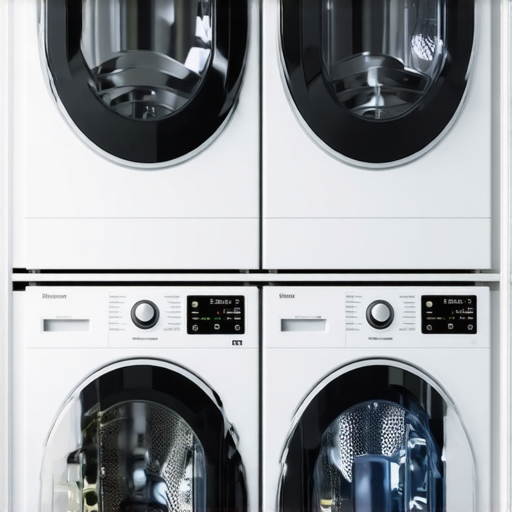
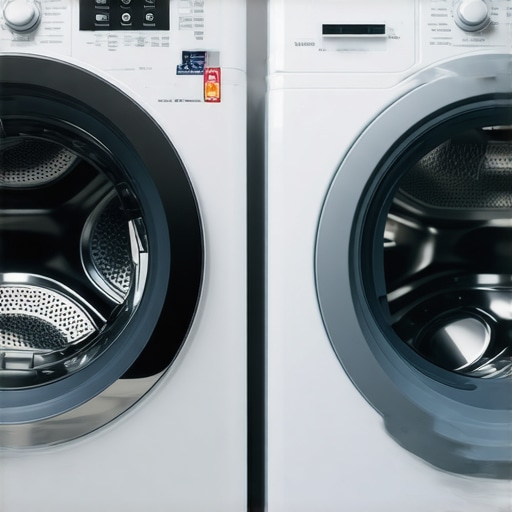
Ever had that moment in the laundry room when you’re staring at two seemingly perfect machines and felt completely overwhelmed? I remember the first time I had to pick a new washer. I stood there, confused, thinking, “Do I go with the reliable top loader I grew up with or try the sleek front loader everyone raves about?” It was a lightbulb moment for me—realizing how much this decision could impact my everyday life, from energy bills to laundry convenience.
Why Picking the Right Washer Matters More Than You Think
Choosing between a top load and a front load washer isn’t just about looks or brand names. It’s about understanding your laundry habits, space constraints, and long-term savings. A wrong choice can lead to frustration, higher costs, or worse—an appliance that doesn’t suit your needs at all. According to a report from the Department of Energy, upgrading to an energy-efficient washing machine can save you up to $150 annually in utility costs. That’s a significant impact, especially if you do laundry weekly.
Have You Faced This Dilemma Before?
If you’ve ever felt stuck deciding which washer fits your household best, you’re not alone. I made my mistake early on—buying a cheap top loader that couldn’t handle large loads, which meant multiple washes and wasted time. That’s why I want to help you avoid the same pitfalls. We’ll explore the key differences, benefits, and drawbacks of each style, so you can make a confident decision. Curious about the nitty-gritty? Check out the ultimate guide to choosing the right laundry washer for more detailed insights.
Now, let’s dive into what really sets top load and front load washers apart, and which one might be the perfect fit for your home.
Select the Right Washer Capacity for Your Needs
Start by assessing your laundry habits. Do you frequently wash large loads or small ones? If your family has multiple members or you often wash bulky items like comforters, a larger capacity washer will save you time and energy. For instance, a 4.5 to 5.0 cubic foot front load washer is ideal for bigger households, while a 3.0 to 4.0 cubic foot model suits smaller families or singles. To determine the best size, check out the washer capacity tips.
Compare Top Load and Front Load Washer Benefits
Next, clarify your priorities to narrow down your options. Do you want a machine that’s easier to load and ergonomic? Front loaders excel here, especially if you’re taller or have back issues. If you prefer a quicker cycle and easier maintenance, top loaders might be better. Remember, front load washers generally use less water and energy, which can translate into savings over time. Explore more details at the front load vs top load comparison.
Measure Your Laundry Space Carefully
Before making a final decision, measure your laundry area. Front load washers tend to be wider but are often stackable, saving vertical space. Top loaders usually have a smaller footprint but may require additional clearance for lid operation. Use a tape measure to record exact dimensions, then compare with model specs. For detailed sizing advice, visit the washer capacity and space guide.
Evaluate Energy Efficiency and Cost
Energy efficiency impacts your utility bills. Look for washers with the ENERGY STAR label, which consume less water and electricity. Front load models are typically more efficient but may have higher upfront costs. To compare models and costs, check out the latest washer reviews. Remember, investing in an efficient model can save hundreds over its lifespan.
Consider Your Budget and Long-term Savings
Finally, set a budget that balances upfront costs with long-term savings. While top loaders may be cheaper initially, front loaders often pay off in energy and water savings. Check current deals and warranties to ensure value. For a comprehensive comparison, consult the full guide to choosing your washer.
Many homeowners and laundry enthusiasts fall into misconceptions when selecting their washing machines, often based on outdated advice or surface-level comparisons. As an expert who has studied appliance efficiency and consumer behavior, I want to clarify some of the most common myths that lead people astray in their decision-making process.
Myth 1: Front load washers are always better for energy savings
While it’s true that front load washers generally use less water and energy, this isn’t a universal truth. The efficiency of a machine greatly depends on the specific model, its features, and how you use it. Some high-efficiency top load washers now incorporate advanced technology that rivals or surpasses older front load models. The key is to look for ENERGY STAR-rated appliances and compare their features rather than relying solely on the type. For detailed comparisons, check out the latest washer reviews.
Myth 2: Top loaders are more durable and less prone to breakdown
This is a common misconception. In reality, front load washers tend to have more complex mechanics, which can sometimes lead to higher repair rates if not properly maintained. However, with proper care, both styles can last equally long. The durability is more dependent on the brand, model, and how you treat the machine than on its style. Regular maintenance, like cleaning filters and checking seals, can extend the lifespan regardless of type.
Why do so many still believe in this myth?
This misconception persists because of earlier models that had issues with mold and mechanical failures, issues that have been largely addressed in recent designs. It’s important to research specific models and read reviews, rather than generalizing by washer style.
Common Trap: Overlooking Capacity and Space Constraints
One trap I see often is people choosing a washer based solely on style or initial cost, without considering capacity and available space. A front load washer might be perfect for a spacious laundry room but impractical if your space is tight or if you need a large capacity to handle bulky items. Conversely, a top loader might fit better in a small laundry closet but may not offer the same energy efficiency benefits. For a comprehensive understanding of capacity needs, visit the capacity and space guide.
Have you ever fallen into this trap? Let me know in the comments.
How do I maintain my washing machine over time?
Maintaining your washing machine isn’t just about fixing problems when they occur; it’s about establishing a routine that ensures longevity and optimal performance. I personally recommend setting a monthly schedule to check key components like door seals, filters, and detergent dispensers. For front load washers, regularly inspecting and cleaning the door gasket with a soft cloth prevents mold buildup and keeps everything sealing tightly. This simple step can save you from costly repairs down the line and improve the machine’s efficiency.
In addition, running an empty cycle with a cup of white vinegar or a commercial washing machine cleaner every few months helps eliminate soap scum, mineral deposits, and odors. I’ve personally found that using a cleaning product like Affresh or Tide Washing Machine Cleaner once quarterly keeps my machine smelling fresh and functioning at peak level. This practice is especially crucial if you live in an area with hard water, which can cause mineral buildup and damage components over time.
Keeping your washer in a well-ventilated space also matters. Avoid trapping excess moisture around the machine, which can lead to mold and mildew. Ensuring that the area is dry and that the machine has enough clearance for air circulation extends its lifespan. For those with limited space, stacking kits or side-by-side arrangements need careful attention to ventilation and accessibility.
Tools I recommend for long-term maintenance
One of my favorite tools is a digital multimeter. It’s invaluable for troubleshooting electrical components like door switches and control boards. I use the multimeter to verify if a faulty door lock switch is preventing the washer from starting, saving me a service call. For mechanical checks, a good set of screwdrivers and pliers are essential for removing panels or seals. I also swear by a microfiber cloth and a soft brush for cleaning the gasket and filters without damaging delicate parts.
To keep track of maintenance, I use a simple spreadsheet where I log cleaning dates, repairs, and parts replacements. It helps me spot patterns, like recurring issues with certain models, and plan proactive maintenance. If you prefer apps, there are smartphone tools like “Home Maintenance Scheduler” that send reminders for routine checks, which I’ve found handy.
Looking ahead, I predict that smart appliances will become more self-maintaining, alerting homeowners when filters need cleaning or parts are wearing out. Investing in a washer with advanced diagnostic capabilities can save money and reduce downtime. For now, sticking to these practical maintenance routines and tools can make your washing machine last years longer and perform better than ever.
Don’t forget—regular maintenance is the secret to a reliable, long-lasting washer. Try implementing a monthly cleaning routine and see the difference it makes in your appliance’s performance and lifespan. Want more tips? Check out the ultimate guide to choosing the right laundry washer for comprehensive advice on appliance care and selection.
The Hardest Lesson I Learned About Washing Machines
- One time, I chose a cheaper top load washer without considering capacity or efficiency, only to realize it couldn’t handle bulky bedding, forcing me to do multiple loads and wasting time and energy. That taught me the importance of understanding my laundry habits before buying.
- I used to believe front load washers were always more energy-efficient, but after comparing models, I learned that high-quality top loaders with advanced technology can match or surpass their efficiency. Always look for ENERGY STAR ratings instead of relying on generalizations.
- Regular maintenance saved me from costly repairs—cleaning the door gasket, running vinegar cycles, and keeping the area dry significantly extended my washer’s lifespan and kept it performing at its best. Routine care isn’t optional; it’s essential.
My Essential Toolkit for Laundry Success
- White Vinegar and Commercial Cleaners: I trust Affresh or Tide Washing Machine Cleaner for periodic deep cleans, especially in hard water areas. They keep odors and mineral buildup at bay.
- Multimeter and Basic Tools: A digital multimeter helps me troubleshoot electrical issues like door lock failures. Screwdrivers and microfiber cloths are my go-to for mechanical checks and cleaning delicate parts.
- Maintenance Log: I track cleaning and repairs in a spreadsheet, which helps me spot recurring issues and plan proactive maintenance, saving money and stress.
Seize the Laundry Power: Your Next Step
Choosing the right washer can transform your laundry routine from a chore to a breeze. Remember, understanding your space, habits, and long-term savings can make all the difference. Don’t wait until your machine breaks down—start with a smart choice today. Want to dive deeper? Check out the ultimate guide to choosing the right laundry washer for comprehensive insights. Your perfect laundry companion is out there—time to find it!
This post really hits home for me. I vividly remember last year when I was overwhelmed trying to choose between a front loader and a top loader. Initially, I was drawn to the sleek look of front loaders, but after reading about space constraints, I realized a top loader would better fit my small laundry closet. What I found most helpful was paying close attention to energy efficiency ratings. I switched to an ENERGY STAR-rated model, and I’ve noticed a clear difference in my utility bills. It’s interesting how these small details can significantly impact our long-term savings.
I’m curious, for those of you living in hard water areas, do you find that regular maintenance like vinegar cycles really makes a difference? I’ve heard mixed reviews, but I want to keep my machine in top shape without frequent repairs. Also, do you prefer stacking units or side-by-side configurations? I’m contemplating stacking to save space but worry about accessibility.
Overall, I think the key is understanding your laundry habits and space before making a decision. Has anyone else experienced a similar dilemma and found a solution that worked surprisingly well? Would love to hear your stories and tips!