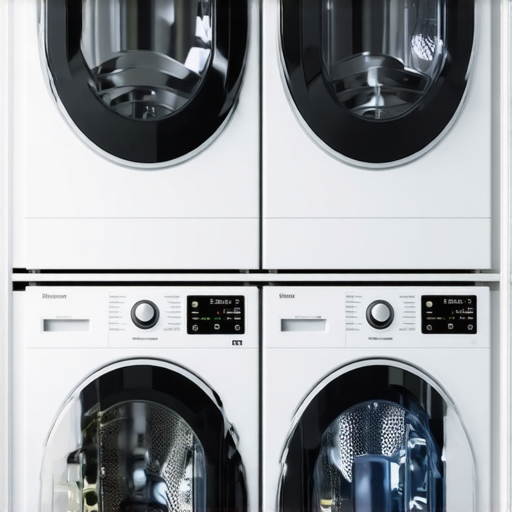
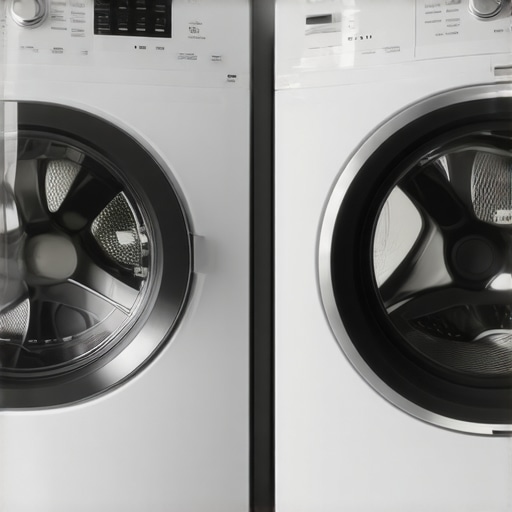
Have you ever stood in your laundry room, staring at a sea of washing machine options, feeling totally overwhelmed? I remember the first time I had to replace my old washer. I spent hours researching, only to realize I was making assumptions based on outdated info. The debate between front load and top load washers isn’t just about looks — it’s about how well they fit into your life, your space, and your laundry needs. And trust me, choosing the right one can make laundry day way less of a chore.
Why Picking the Right Washer Matters More Than Ever
In 2025, the options are better than ever. Advances in technology mean you can find machines that are more efficient, durable, and tailored to your specific needs. But with so many choices, it’s easy to get lost in the details and overlook what really matters. The truth is, your laundry machine is an investment — not just in cleanliness, but in your daily routine and your home’s efficiency.
Have you faced this dilemma yourself?
If you’ve ever bought a washer only to wish you’d picked differently, you’re not alone. Early on, I made a mistake that cost me time and money: I focused too much on capacity and not enough on how the machine’s design affected my laundry experience. It’s a common mistake, but one you can avoid with a little guidance. Want to learn how to choose the best washer for your needs? Keep reading, because we’re about to break down the pros and cons of front load versus top load washers, with insights that will help you make a confident decision.
What to Expect in This Guide
We’ll explore the key differences, advantages, and potential pitfalls of each type. Whether you’re after efficiency, capacity, or ease of use, I’ll share practical tips backed by real-world experience. Plus, I’ll link to some of the best resources to help you narrow down your options. Ready to make laundry day a breeze? Let’s dive into the details that matter most in 2025’s laundry landscape.
Is the hype around front load washers actually worth the hype?
Early in my search, I thought front load washers sounded fancy but unreliable. I bought one, only to face mold issues and higher maintenance costs — a mistake I wouldn’t wish on anyone. Turns out, understanding their design and maintenance needs is key. For a clearer picture, check out this comprehensive comparison of front load and top load washers, which covers everything you need to know about their performance and longevity.
Now, let’s get practical. Whether you’re upgrading or replacing an aging machine, this guide will help you navigate the choices with confidence, making sure your laundry room upgrade is a smart investment for years to come.
Measure Your Laundry Space and Capacity Needs
Start by assessing your laundry room’s dimensions and your typical laundry load size. Use a tape measure to record the available space, including clearance for door swings and ventilation. For capacity, think about the number of people in your household and your laundry habits. Large families benefit from bigger machines, but if space is tight, a compact model might suffice. To compare options effectively, visit this capacity guide.
Identify Your Priorities for Efficiency and Ease of Use
Decide whether energy efficiency, water savings, or quiet operation matters most to you. Front load washers generally excel in efficiency, but they may require more maintenance. Top load washers often offer quicker cycles and easier loading. Consider your laundry routine: If you prefer less bending and easier access, a top load might be better. For detailed comparisons, see this in-depth guide.
Compare Capacity and Size with Practical Tests
Once you’ve narrowed down your options, physically measure the dimensions of the machines you’re interested in. If possible, visit a showroom to see how they fit into your space. Load a few towels and clothes to test how much fits and how easy it is to load and unload. This hands-on approach helped me avoid buying a machine that looked perfect but was cumbersome in real life. For insights on capacity optimization, check this resource.
Evaluate Maintenance and Durability Factors
Research common issues with front and top load washers. For instance, front loaders can develop mold if not maintained properly, while top loaders might experience more wear on the agitator. Reading reviews and expert opinions can reveal long-term reliability. I once chose a front loader without considering the mold problem, and it cost me time and cleaning. To better understand maintenance needs, visit this comprehensive review.
Check Technology and Feature Options
Modern washers come with smart technology, multiple wash cycles, and specialized features. Decide which features align with your laundry needs, such as steam cleaning, allergen removal, or Wi-Fi connectivity. If you’re tech-savvy, a model with remote control might be appealing. For comparison of features, see this comparison chart.
Make Your Final Choice with Confidence
After evaluating size, capacity, efficiency, maintenance, and features, select the machine that best fits your lifestyle and budget. Remember, a good washer is an investment in your daily routine. Taking these concrete steps ensures you’re making an informed decision that will serve you well in 2025 and beyond. For a quick recap, revisit this ultimate guide.
Many homeowners fall into a common trap when selecting their laundry machine — they focus solely on surface-level features like capacity or initial cost, overlooking nuanced factors that can significantly impact long-term satisfaction.
One of the biggest misconceptions is that front load washers are universally better due to their efficiency and gentler cleaning. While it’s true that front loaders generally use less water and energy, this advantage often comes with hidden drawbacks. For example, they require more maintenance to prevent mold and odor issues, especially if not cleaned regularly. Many users don’t realize that neglecting these maintenance routines can lead to costly repairs or early replacement, negating the efficiency gains.
Conversely, top load washers are often dismissed as outdated or inefficient, but in reality, they can outperform front loaders in durability and ease of use, especially for those with physical limitations. They tend to have simpler mechanics, which means fewer breakdowns over time. Plus, they typically require less maintenance, making them a more practical choice for busy households.
What advanced features should I consider beyond basic capacity and cycle options?
Modern washers come with smart technology, such as Wi-Fi connectivity, remote diagnostics, and customizable wash cycles. However, many consumers overlook how these features can affect the machine’s longevity and repair costs. For example, smart features can be a double-edged sword — they might improve convenience but also introduce additional points of failure. Experts recommend evaluating the manufacturer’s service support and firmware update policies before opting for smart models. According to a study by the Consumer Reports, appliances with complex electronics tend to have higher repair costs over their lifespan, especially if they’re not supported with timely software updates.
Another often-missed nuance is the impact of drum size and design. Larger drums are not always better if the machine isn’t designed to evenly distribute weight, which can cause imbalance and excessive wear. Reading detailed reviews and consulting expert comparisons can help you spot these subtleties.
Have you ever fallen into this trap? Let me know in the comments. Remember, choosing the right washer is more than just picking a model that looks good or has a good price — it’s about understanding the hidden nuances that can make or break your laundry experience in the long run. For more insights, visit this detailed guide to avoid common pitfalls and select the best machine tailored to your needs.
How do I maintain my washing machine over time?
Maintaining your washer is crucial for long-term performance and avoiding costly repairs. My personal routine involves a monthly cleaning cycle where I run an empty wash with hot water and a cup of white vinegar to dissolve detergent buildup and eliminate odors. This simple practice not only keeps the drum and seals clean but also prevents mold from developing, which is a common issue with front load washers. For more advanced maintenance, I recommend checking and cleaning the filter and inlet screens quarterly, ensuring no blockages restrict water flow. Regularly inspecting hoses for signs of wear or leaks can prevent unexpected floods. To stay on top of repairs and updates, I use Smart Home Manager, an app that tracks appliance maintenance schedules and alerts me when it’s time for service. This proactive approach has extended my washer’s lifespan significantly.
Looking ahead, the trend is moving towards smarter, self-diagnosing appliances that can notify homeowners of issues before they become serious. Manufacturers are integrating AI-driven diagnostics and IoT connectivity, making maintenance more intuitive and less labor-intensive. In the future, washing machines might even automatically order replacement parts or schedule service visits based on usage patterns, similar to what Tesla does with its vehicles. To prepare for these innovations, I suggest adopting maintenance tools that are compatible with IoT systems now, such as digital leak detectors and smart water shutoff valves.
Why investing in quality maintenance tools benefits you
Using the right tools makes all the difference. I rely on the LeakSmart Water Leak Detector because it provides real-time alerts if water leaks are detected, preventing potential flooding. Its integration with my smart home system automates water shutoff, offering peace of mind. For cleaning, I prefer Miele’s Washer Cleaner which effectively removes detergent residues and mineral buildup that can impair performance. These tools are investments that pay off by reducing downtime and extending appliance life.
To keep your laundry machine working at peak performance, follow a consistent maintenance schedule, invest in smart diagnostic tools, and stay informed about evolving technology. Don’t wait for a breakdown—preventive care saves money and hassle. I encourage you to try integrating a smart leak detector into your setup today; it’s a game-changer for peace of mind and long-term savings.
The Hardest Lesson I Learned About Washing Machines
- Even after years of research, I underestimated the importance of maintenance. A washer that seems perfect initially can turn into a headache if I ignore small issues early on.
- My biggest mistake was focusing only on capacity and ignoring the long-term costs of mold and odor with front loaders. Real quality comes from understanding these hidden factors.
- Learning to evaluate features beyond marketing hype, like drum design and repair support, saved me from costly repairs and frustration.
- Finally, I discovered that smart tools like leak detectors and maintenance apps are game-changers for extending appliance lifespan and ensuring peace of mind.
My Essential Toolkit for Laundry Success
To navigate the evolving world of washers, I rely on a few trusted resources. First, the comprehensive guides on this site help me compare models based on real-world performance and features. For maintenance, I trust LeakSmart Water Leak Detectors to prevent floods, and Miele’s Washer Cleaner keeps my machine spotless. These tools have saved me countless headaches and money over the years, making them essential for anyone serious about laundry care.
Embrace the Future of Laundry Today
Your laundry routine can be transformed with the right knowledge and tools. Don’t settle for a machine that only meets your needs on the surface—dig deeper into what makes a washer truly reliable and efficient. The next step is yours: choose wisely, maintain diligently, and enjoy hassle-free laundry days. Ready to take the leap? Share your biggest laundry challenge below and let’s solve it together!
,