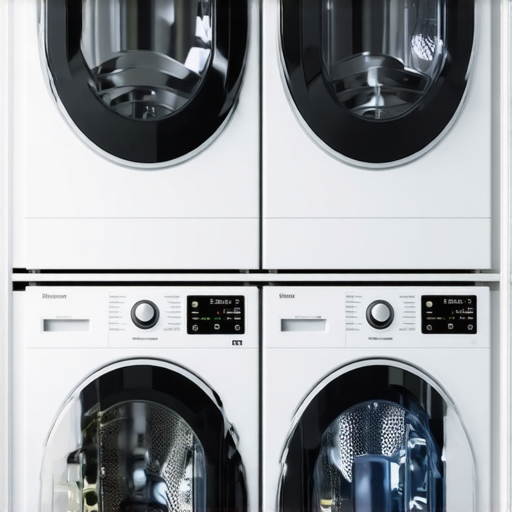
Ever found yourself staring at a mountain of laundry and feeling overwhelmed because your old washer just isn’t cutting it anymore? I remember those days well. I used to struggle with noisy machines, long wash cycles, and disappointingly small capacity, especially when family laundry was at its peak. One day, I had a lightbulb moment—why am I settling for less when the perfect laundry solution is right there? Since then, my laundry routine has transformed, and I want to share that journey with you.
Why Your Washer Choice Matters More Than Ever in 2025
Choosing the right washing machine isn’t just about having clean clothes. It’s about efficiency, capacity, and how well your machine fits into your lifestyle. In 2025, the market is flooded with options, making it tougher than ever to decide between a front load and a top load washer. But here’s the thing: your decision impacts your energy bills, water usage, and even the longevity of your appliance. With newer models offering smarter features, understanding what works best for your needs can save you hundreds in the long run. Did you know that selecting the wrong type could lead to up to 30% more water and energy consumption? That’s a big deal when you consider how often laundry happens in most households.
Is the Hype Around Front Load and Top Load Washers Justified?
When I first started researching, I made a mistake I see many others make—assuming all washers are created equal. I overlooked the importance of capacity and how it aligns with my laundry habits. Early on, I bought a top load machine because I thought it was more familiar and straightforward. Turns out, that was a mistake. It didn’t handle large loads efficiently, and water usage was higher than I expected. That experience taught me the importance of doing thorough research. If you’re wondering whether the hype around front load versus top load washers is justified, I can tell you from experience: it’s worth digging into the details. For a comprehensive comparison, check out this detailed analysis on [top load vs front load washers](https://washers.smartappliancereview.com/top-load-vs-front-load-washing-machines-which-laundry-washer-fits-your-needs).
Now, I want to help you avoid the same pitfalls and find a washer that truly fits your capacity and efficiency needs. Whether you’re a small household or a busy family, understanding the core differences can make laundry day less of a chore.
Measure Your Laundry Needs Precisely
Before diving into specific models, take stock of your laundry habits. Count how many loads you do weekly and the typical size of each load. For example, if you’re a family of five, a washer with a capacity of 4.5 to 5.0 cubic feet will handle large loads efficiently without multiple cycles. I once underestimated my family’s laundry needs and bought a 3.0 cubic feet front load machine; it struggled with big bedding and multiple towels, forcing me into extra cycles that wasted water and energy. To avoid this, use this capacity calculator for precise guidance.
Compare Capacity and Efficiency Side by Side
Understanding the core difference between capacity and efficiency helps narrow options. Think of capacity as the size of your suitcase—bigger means more clothes, but also heavier to carry and potentially more resource consumption. Efficiency, on the other hand, measures how well that suitcase uses space and energy. When I upgraded, I focused on models that balanced both. Check out this comparison guide to see how top and front load washers stack up in 2025 for capacity and efficiency.
Match Your Lifestyle with Washer Features
If you’re busy and need quick cycles, look for models with fast wash options. For larger households, prioritize washers with higher capacity and water-saving features. I found that front load washers often excel in water efficiency, especially in newer models, which can save hundreds on utility bills. To identify the best fit, review this latest performance comparison for 2025 washers. Remember, the right choice depends on your daily routine and laundry volume.
Test Drive Your Options
Once you’ve shortlisted models, visit stores or read detailed reviews to see how they perform. I once ordered a top load machine online based solely on specs, but when it arrived, it was noisier than expected and didn’t handle large loads well. After that, I tested a few front load models in person, paying attention to drum size and cycle options. This hands-on approach helped me choose a machine that truly matched my capacity needs without sacrificing efficiency. Use this test drive checklist to evaluate potential washers effectively.
Balance Cost and Long-term Savings
While premium models might seem tempting, consider the long-term savings from energy-efficient washers. A slightly higher upfront cost often results in lower water and electricity bills. For instance, my investment in a front load washer with a high efficiency rating paid off within a year. Use the cost-benefit analysis to determine the best value for your budget. Remember, the goal is to find a washer that offers optimal capacity and efficiency aligned with your lifestyle, not just the lowest price tag.
Many people believe that the choice between front load and top load washers is straightforward, but in reality, there are several misconceptions that can lead you astray. For instance, a widespread myth is that front load washers are always water-efficient. While they generally outperform top load models in this regard, not all front loaders are created equal. Some older or budget models may still consume significant water and energy, undermining their reputation. It’s crucial to examine the latest models and their efficiency ratings, especially for 2025, since manufacturers have made substantial improvements. I recommend reviewing this performance comparison to get a clearer picture.
Another common mistake is assuming that larger capacity always means better. While a bigger drum can handle more laundry at once, it can also lead to higher water and energy consumption if not paired with efficient features. Sometimes, a well-designed smaller washer with smart load sensors can outperform a larger, more basic machine. This is especially true if your laundry needs are moderate. Don’t fall into the trap of size obsession without considering efficiency and your actual use case. For more insights, check out this capacity tips guide.
How do advanced features influence long-term savings?
Many advanced features like smart sensors, automatic water level adjustment, and quick wash cycles sound appealing, but they can be a double-edged sword. In some cases, these features add complexity and cost without significantly improving performance or savings. However, when effectively integrated, they can optimize water and energy use, ultimately reducing your utility bills. For example, a model with load-sensing technology can adapt water usage precisely to the laundry load, preventing waste. According to a recent study by the Department of Energy, such smart features can improve efficiency by up to 20% in modern appliances. To maximize benefits, choose models that combine these innovations with proven efficiency standards. This ultimate guide offers a comprehensive overview of how to select truly efficient washers for 2025.
Are you aware of the hidden pitfalls when selecting a washer? Many overlook the importance of durability and repairability, which can greatly influence the total cost of ownership. Cheaper models might seem attractive initially but could cost more in repairs and replacements down the line. I’ve learned from experience that investing in a reputable brand with good service support pays off in the long run. Don’t let initial savings blind you to the bigger picture. For detailed tips, see this cost-benefit analysis.
In conclusion, understanding these nuances and avoiding common myths can significantly improve your washer selection process. The key is to balance capacity, efficiency, features, and long-term durability. Have you ever fallen into this trap? Let me know in the comments.
How do I keep my washing machine running smoothly over time?
Regular maintenance is key to ensuring your washer remains efficient and durable. I personally recommend adopting a routine that includes cleaning the drum, inspecting hoses, and running maintenance cycles monthly. For instance, I use a mixture of white vinegar and baking soda to clean the drum every few months—this natural solution helps remove soap scum, mold, and odors without harsh chemicals. Additionally, checking water inlet hoses for leaks or cracks prevents unexpected floods and costly repairs. Over time, these small steps can significantly prolong your washer’s lifespan and maintain its efficiency.
In the future, I believe smart maintenance tools will become more integrated into appliances, offering predictive diagnostics and automated cleaning alerts. This trend will make upkeep even easier, reducing the risk of breakdowns and optimizing performance without manual intervention.
Tools I recommend for keeping your washer in top shape
One of my favorite tools is the affresh Washer Cleaner. I use it every three months to deep-clean my machine, especially the drum, door seal, and detergent dispenser. It’s simple to use and highly effective at removing buildup that can cause odors or reduce washing efficiency. For inspecting hoses, I rely on a digital leak detector. I personally own the Networx WD-1, which alerts me instantly if there’s a leak or pressure drop, helping prevent water damage.
Additionally, I utilize a smartphone app called SmartThings to connect my washer and monitor its status remotely. This app not only tracks cycle progress but also sends maintenance reminders based on usage patterns. As appliance technology advances, integrating these smart tools will become standard, making it easier to keep your washer in prime condition.
The importance of routine inspections and cleaning
Beyond specialized tools, don’t underestimate the value of regular visual inspections. I recommend checking the door seal for mold or debris monthly. A clean seal prevents mold buildup and maintains hygiene standards. Also, periodically running an empty hot wash cycle with a commercial cleaner helps eliminate residues and bacteria, ensuring your laundry remains fresh and your machine functions optimally.
As trends move forward, I expect more washers will feature self-cleaning cycles and built-in sensors that detect when maintenance is needed. These innovations will make appliance upkeep more proactive and less labor-intensive. For now, though, sticking to a routine with proven tools like the ones I mentioned will keep your washer working at its best for years to come.
Try incorporating these maintenance tips and tools into your routine today and experience the difference in your washer’s performance. A little effort now can save you money and hassle in the long run, ensuring your laundry machine remains a reliable part of your home.
Choosing the right washing machine in 2025 can feel overwhelming with so many options on the market. From capacity to efficiency, every detail impacts your laundry routine and your utility bills. Over the years, I’ve learned that the most crucial factor isn’t just price or brand but understanding what truly fits my lifestyle. I want to share some insider lessons that helped me avoid common pitfalls and make smarter choices, so you can enjoy hassle-free laundry days too.
What I Wish I Knew Before Picking My Washer
- The Hardest Lesson I Learned About Capacity— Bigger isn’t always better. A larger drum doesn’t mean more efficiency if it’s not paired with smart features. My first mistake was overestimating my needs, leading to wasted water and energy. Now, I focus on balancing capacity with efficiency standards to get the best value.
- Why Some Features Can Be Deceiving— I once thought that all quick wash cycles saved time, but many just use more energy without cleaning better. It’s essential to read reviews and understand what features genuinely add value, not just marketing hype.
- Long-term Durability Matters More Than Initial Cost— Cheaper models may seem appealing, but investing in reputable brands with good support pays off in fewer repairs and replacements. I trust brands that prioritize build quality and offer comprehensive warranties.
Where to Find Tools That Make Your Life Easier
- Capacity calculator— This tool helped me determine the perfect drum size for my family, preventing unnecessary water and energy waste.
- Performance comparison guides— These guides provided detailed insights on the latest models, saving me time and guesswork in my research.
- Efficiency ratings— Checking these ratings ensured I picked a machine that minimizes utility bills while maximizing cleaning power.
Keep Your Laundry Machine Running Like a Pro
Regular maintenance isn’t just a chore—it’s a way to prolong your washer’s life and keep it performing at its best. I swear by routine drum cleaning with natural solutions, inspecting hoses for leaks, and using smart apps for alerts. These small steps have saved me from costly repairs and unexpected breakdowns. As technology advances, I look forward to even smarter appliances that can self-diagnose issues and suggest proactive maintenance, making my laundry routine easier and more reliable.
What’s your biggest challenge when choosing or maintaining a washer? Let me know below—I’d love to hear your experiences and tips!
This post resonated with me because I also underestimated my laundry needs at first. I used a smaller top load washer and kept running extra cycles, which ended up wasting water and increasing my utility bills. Since upgrading to a high-capacity front load washer with smart features, laundry day has become much more manageable. It makes me wonder, how many people out there are still holding onto older, inefficient models without realizing how much they’re overpaying in the long run? I recently read about load sensors that automatically adjust water levels, which seems like a game-changing feature. Has anyone tried these, and if so, do they truly make a noticeable difference in savings? I’d love to hear real experiences, especially from busy households juggling multiple loads—balancing capacity, efficiency, and cost is no small feat.
Reading this post really made me reflect on how much I underestimated my actual laundry needs. I used to stick with an older, smaller top load machine because I thought bigger was unnecessary, but I found myself running multiple cycles just to get through the week. Upgrading to a high-capacity front load washer with load sensors has genuinely changed my laundry routine—less water, fewer cycles, and more time saved. My question is: have others noticed a tangible difference in utility bills after switching to models with smart load sensing features? I’ve seen some reviews claiming significant savings, but I wonder how consistent that is across different brands and household sizes. Also, for those with bigger families, do you have recommendations for models that combine large capacity with fast cycle options? It’s crucial for busy households like mine to find that perfect balance of efficiency and speed, especially to prevent laundry piling up.
This post really hits home for me, especially since I’ve recently upgraded to a front load washer with smart features. I used to think that a smaller, traditional top load was enough, but I quickly realized how much time and water I was wasting—especially with bulky items like bedding and towels. Since switching, my utility bills have noticeably decreased, and laundry feels less of a chore. One thing I’ve noticed is that newer models with load-sensing technology do seem to truly adapt water levels accurately, which makes a big difference for my household of three. Has anyone experienced a significant drop in water or energy bills after switching to these smarter washers? I’d be interested to hear whether others found these features worth the investment in the long run, especially for moderate to large households.