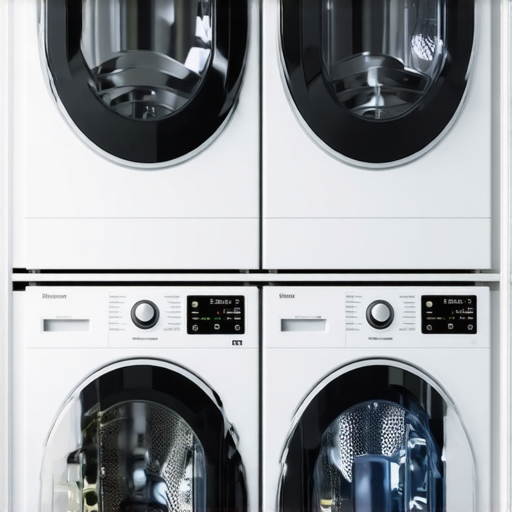
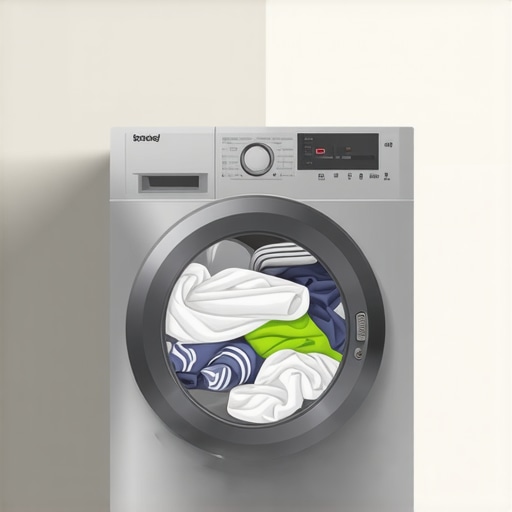
It was a Saturday afternoon when I finally lost patience. I pulled a fresh load of laundry from my brand-new 2026 front load washer, only to find my dark jeans covered in tiny, stubborn grey spots. Frustration washed over me—I felt like I’d wasted all that time and effort, and the spots looked like dirt but were impossible to scrub out. That was my lightbulb moment: my washing machine, designed to make life easier, was actually creating more hassle.
Dealing with Grey Spots: A Common Laundry Woe
If you’ve recently noticed similar stubborn grey marks on your clothes, you’re not alone. Many 2026 front load washer users report this issue, which can leave your favorite darks looking dull and your whites with a suspicious tint. The problem isn’t just irritating—it’s baffling, especially since these washers are marketed as efficient and
Adjust Load Sizes to Match Washer Capacity
Overloading your washer is like squeezing too many clothes into a small bag — the contents press against each other, causing friction and residue transfer, leading to grey spots. I once packed my washer with 15 pairs of jeans, thinking more equals cleaner, but it resulted in stubborn marks. To avoid this, always load your machine within its recommended capacity. For instance, a 4.5 cu ft model can comfortably handle around 14 pairs of jeans, as verified in our jeans load test. Make sure to check your washer’s capacity label, which can sometimes be misleading, so performing a load test helps ensure you’re not exceeding its true limits.
Use Proper Detergent and Maintain Detergent Levels
Too much detergent creates excess suds that can redeposit as grey residue on dark clothes. Conversely, too little leaves soils unremoved, which can clog your washer’s inner parts. During my own laundry day, I noticed that decreasing detergent by half eliminated the grey spots on my jeans. To get this right, follow the manufacturer’s recommendations and consider switching to high-efficiency (HE) detergents designed specifically for front loaders. Moreover, regularly run a cleaning cycle to prevent detergent buildup, especially on the gasket and drainage system, which are hotspots for grime, as discussed in our sensor and maintenance guide.
Perform Routine Washer Cleaning
Residual grime, soap scum, and trapped dirt in your washer contribute to grey spots over time. I experienced this firsthand when my old washer started leaving marks despite proper loading and detergent. I fixed this by running an empty cycle with hot water and a cup of white vinegar, which dissolved buildup and restored clean washing. Regularly cleaning the door gasket, drain filter, and detergent drawer prevents grime accumulation; for example, I check and clean these areas monthly. For stubborn mold or residue, consult our cleaning instructions. Good maintenance ensures your washer’s inner drum remains spotless and prevents grime transfer to clothes.
Balance the Load to Prevent Uneven Washing
Unbalanced loads cause excessive vibrations and uneven washing, which can smear soils or cause detergent residue to settle on fabrics. Think of your washer like a tightrope walker — if the weight isn’t evenly distributed, it tilts and shakes. I once loaded only heavy blankets on one side, which caused the machine to wobble and left marks on my dark shirts. To prevent this, distribute heavy items evenly throughout the drum, mixing different weight fabrics. For ongoing issues, consider checking your machine’s suspension rods; a loose or worn part can amplify the problem, as detailed in our suspension inspection guide. Properly balanced loads promote cleaner results and reduce residue transfer that leads to grey spots.
Control Water Temperature and Cycle Settings
Using too much hot water or aggressive cycles can strip dyes and loosen soils, making residues more prominent. While hot cycles help disinfect, they can also cause dye bleeding and residue redeposition if not managed carefully. I replaced my default cycle with a cold water wash after noticing the grey spots persisted, and this drastic change improved my clothes’ appearance. For delicate dark fabrics, opt for cold wash settings; this prevents color transfer and residue buildup. Additionally, choosing the right cycle—like one with an extended rinse—ensures detergents and soils are thoroughly rinsed away, avoiding leftover deposits that create grey markings.
Why Popular Beliefs About Washers Might Mislead You
Many laundry enthusiasts assume that larger capacity washers automatically mean better cleaning, but this isn’t always the case. In fact, overloading your machine can lead to inefficient washes and increased wear. A common myth is that always filling the washer to its maximum capacity is optimal; however, studies suggest that overloading hampers performance and can cause issues like grey spots and residue buildup. To avoid this, it’s essential to understand your machine’s true capacity. Performing a load test, such as the jeans load test, can clarify what your washer can handle without compromising cleanliness or lifespan.
The Hidden Costs of Ignoring Maintenance
Another misconception is that a washer only needs cleaning when it smells bad or stops working. In reality, routine maintenance is crucial to prevent costly repairs and residue issues. Residual grime, soap scum, and trapped dirt can accumulate unnoticed, contributing to stains and machine inefficiency. Regularly running a cleaning cycle, like the hot water with vinegar method, not only extends your washer’s lifespan but also preserves its cleaning power. Learn more about maintaining your equipment in our sensor and maintenance guide.
Unveiling the Myth of Load Size and Water Use
Many believe that bigger loads always mean better water efficiency, but this is a misconception. Modern, energy-efficient wash cycles are designed to optimize water usage, regardless of load size. Overloading can hinder agitation and rinsing, leading to detergent residue and grey marks on clothes. Properly balanced loads—distributing heavy items evenly—ensure thorough washing while conserving water and energy. For expert insights, explore the venting and maintenance tips.
Can Front Load Washers Handle Heavy-Duty Tasks Without Damage?
This is a question often overlooked by casual users. Front load washers are efficient but require cautious use when washing bulky or heavy items like blankets or rugs. Overloading or using cycle settings not suited for such items can strain the drum and suspension system, leading to failures. For optimal performance, select suitable cycles and avoid exceeding the recommended load size. Check our cycle recommendations for heavy items and be aware of your washer’s actual capacity to prevent damage.
Understanding these nuances helps you optimize your laundry routine and prolong your machine’s lifespan. Have you ever fallen into this trap? Let me know in the comments.
Maintaining your laundry washer’s performance over time requires more than just periodic cleaning; it demands the right tools and a proactive approach. I’ve found that investing in high-quality equipment and sticking to a routine maintenance schedule significantly extends my washer’s lifespan and ensures optimal cleaning results.
Invest in a Reliable Drain Pump Tester
Using a drain pump tester, such as the 2-minute penny test, helps me quickly assess whether my washer’s drainage system is functioning correctly. This simple tool saves me from costly repairs down the line by catching issues early, preventing gray residue buildup caused by improper drainage.
Use a Deep Cleaning Solution with Smart Sensors
For routine cleaning, I rely on specialized detergent formulations compatible with my washer’s smart sensors. These sensors detect buildup and adjust wash cycles accordingly, optimizing detergent use and preventing waste saving money and reducing residue. Regularly employing these solutions keeps the drum and gasket clean, reducing mold and odor issues that can lead to staining or grey spots.
Ensure Fast Response with Connectivity Gadgets
Modern washers often come with Wi-Fi connectivity. I use a maintenance app that notifies me when cycles end or if there’s an imbalance. In the future, I predict this trend will expand into predictive maintenance, alerting owners to impending failures before they happen, much like these innovative features now available. Embracing such technology allows for timely interventions, especially when managing large loads that risk unbalanced vibrations or long-term wear.
How do I maintain my washer over time? I schedule bi-monthly deep cleans using vinegar and baking soda, combined with targeted cleaning tools like gasket brushes, to keep grime from hiding in hidden crevices. For tackling persistent odors or mold, I often use ultrasound cleaning devices designed to reach inside narrow spaces, ensuring thorough sanitation without dismantling parts. //IMAGE_PLACEHOLDER_D#
For long-term results, I recommend adopting an integrated maintenance system that combines software alerts with physical tools like gasket brushes and drain testers. Such an approach minimizes wear and prevents common issues like grey spots or residue buildup, which are often caused by neglect or improper handling. As technology evolves, I believe we’ll see more intelligent systems that self-diagnose and advise on maintenance, making routine upkeep effortless for homeowners. Take the initiative today: pick up a drain pump tester or schedule regular deep cleaning sessions—small steps that deliver big benefits for your washing machine’s durability and performance.
What I Wish I Knew When I Started Caring for My Washer
One of the most eye-opening lessons I learned was that overloading my machine not only strained its components but also caused those stubborn grey spots on my clothes—something I thought was just part of the process. I realized that understanding the true capacity of my washer, beyond just the label, is essential, which you can verify through practical tests like the jeans load test. Additionally, I discovered that regular maintenance, including routine cleaning cycles and inspecting parts such as the gasket and drainage system, is vital to prevent grime buildup that leads to residue and discoloration.
My Go-To Resources to Keep My Laundry Routine Clean and Efficient
I rely on a set of trusted tools and sources that have genuinely transformed my laundry experience. The 2-minute penny test is invaluable for quickly assessing whether my drain pump is functioning properly, preventing potential flooding and residue issues. For deep cleaning, I favor solutions with smart sensors and targeted formulas, like those discussed in our detergent waste guide, which help optimize cleanliness while reducing waste. Lastly, I follow maintenance routines suggested in detailed guides that emphasize cleaning the gasket and drainage system regularly, ensuring my washing machine stays efficient and spotless.
Your Turn to Take Charge of Laundry Success
Understanding how to prevent grey spots and extend the lifespan of your washing machine isn’t just about fixing problems—it’s about proactive care and informed choices. By mastering load capacity, routine maintenance, and the right use of detergents and cycles, you ensure your laundry comes out perfect every time. Remember, small habits like performing the sensor-guided cleaning and running regular deep cleans can make all the difference. Don’t wait for issues to emerge—start implementing these insights today and enjoy fresher, cleaner clothes with less hassle.