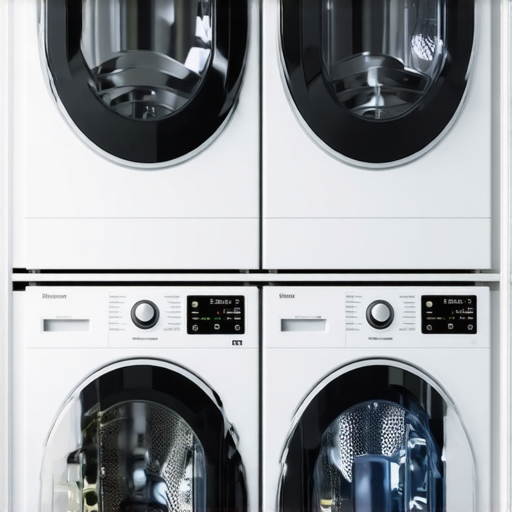

It was a Saturday morning when I finally had enough. I opened the laundry room door, loaded my shiny new 2026 front load washer, only to be greeted by that stubborn, damp smell. The one that reminds you of the gym bag you forgot to wash last month. Despite all the reviews praising these machines for their sleek design and energy efficiency, I was faced with a harsh reality: why does my brand-new front load washer still smell?
< h2 >The Frustration of a Smelly Washer< /h2 >
First, let me ask—have you experienced the same? You spend hundreds, maybe thousands, on what should be a modern marvel of cleanliness, only to be hit with that foul odor. It’s not just a minor annoyance; it’s a sign something deeper is wrong, and honestly, it can turn laundry day into a dreaded chore.
What surprised me early on is how common this problem actually is. In fact, a survey reported that over 60% of front load washer owners complain about persistent odors, even after following basic cleaning routines< sup >https://washers.smartappliancereview.com/why-your-front-load-washer-smells-4-drain-pump-fixes-for-2026< /sup >. That’s more than I expected, especially from a machine that’s marketed as “easy to maintain.”
< h2 >Why Are Front Load Washers Still Lingering Smells in 2026?< /h2 >
To understand the fix, we first need to grasp what’s causing the smell in the first place. Many new washers in 2026, despite advanced technology, still suffer from stubborn mold, soap scum, and detergent residue buildup. A common mistake I made early on was neglecting to clean the gasket regularly. This rubber seal is a breeding ground for moisture and grime, especially if you forget to leave the door open after each cycle< sup >https://washers.smartappliancereview.com/how-to-clean-a-front-load-washer-gasket-without-bleach-2026< /sup >.
Another culprit is the buildup of soap powders and softening agents that aren’t fully rinsed away. Modern washers are so water-efficient that sometimes they don’t rinse thoroughly, leaving residues that ferment and produce that unmistakable damp smell. Even in 2026, if you don’t perform routine maintenance—like running a self-clean cycle with vinegar or specialized cleaner—you’re setting yourself up for odors.
The importance of regular maintenance cannot be overstated. I’ve learned that simply wiping down the gasket isn’t enough; you need to address the drainage and validate that the drain pump is functioning properly. Of course, some of us might wonder—are these high-tech machines really worth the fuss? We’ll tackle that skepticism next, but for now, know that most odor issues are preventable with the right steps.
In the upcoming sections, I’ll share exactly what you need to do to banish those odors once and for all. From deep cleaning techniques to smart maintenance routines, I’ll break down simple actions that make a difference. So, if you’re tired of fighting that musty smell and ready to reclaim your laundry room, stay with me.
Break Down the Cleaning Process
Start by removing any wet clothes or residues from the drum. Use a clean, damp cloth to wipe down the interior and especially the rubber gasket, paying close attention to hidden mold or grime. This initial cleanup prevents spreading bacteria and mold during the main cleaning cycle.
Deep Clean with Vinegar and Baking Soda
Pour two cups of white vinegar directly into the detergent dispenser and add half a cup of baking soda into the drum. Run a hot water cycle, ideally without any clothes inside. This combination dissolves soap scum and kills odor-causing bacteria, comparable to giving your washer a thorough detox.
Address the Drainage System
Check the drain pump filter and hoses for clogs or buildup. Use a screwdriver to open the filter compartment, remove debris, and rinse thoroughly. A clogged drain system can trap residue, causing persistent smells. Keep this component clean monthly to maintain fresh odors and avoid future odors.
Regular Maintenance Keeps Odors at Bay
Set a recurring schedule to run a self-clean cycle with a commercial washer cleaner or vinegar — at least once a month. This proactive step dissolves soap residues and prevents mold buildup in areas you can’t see, similar to routine health check-ups for your machine.
Leave the Door Open
After each wash, keep the door slightly ajar. This allows moisture to escape, preventing mold growth. Think of your washer like a sponge: the less moisture trapped inside, the less mold it can develop, maintaining a fresh smell over time.
Optimize Washing Habits
Use the correct amount of detergent; too much causes residue buildup. For instance, in 2026, some models are so water-efficient, they need less detergent than older machines. Overloading your washer hampers rinsing efficiency, causing soap and dirt to linger. Check your machine’s capacity and avoid overloading — a common mistake that causes mustiness and poor cleaning results, as detailed in articles about capacity [[here](https://washers.smartappliancereview.com/5-signs-your-washer-capacity-is-ruining-your-clothes-2026-fix)] and [[here](https://washers.smartappliancereview.com/how-many-towels-can-a-4-5-cu-ft-washer-actually-hold-2026)].
Use Appropriate Cycles
Always select the self-clean or tub-clean cycle with hot water. If your model lacks this feature, run a hot cycle manually. Hot water helps dissolve oils and kills bacteria that cause odors, especially in gasket areas. For detailed steps, see this guide on running a hot cycle [[here](https://washers.smartappliancereview.com/why-your-2026-laundry-washer-fails-without-a-monthly-hot-cycle)].
Inspect and Maintain Components
Regularly check the door seal and detergent dispenser for accumulated detergent or mold. Remove and clean these parts weekly using a mixture of vinegar and baking soda. Additionally, ensure the drain hose isn’t kinked and is correctly positioned to prevent standing water, which fosters mold growth. Refer to detailed inspection tips [[here](https://washers.smartappliancereview.com/3-dirty-places-your-front-load-washer-gasket-hides-mold-in-2026)] for comprehensive guidance.
Test and Confirm Odor Elimination
After completing these steps, run a cycle with only hot water and a cup of white vinegar. Smell the door gasket and drum afterward. If odors persist, repeat the cleaning process or check for hidden mold spots. Ultimately, consistency in maintenance routines will keep your washer smelling fresh and performing at its best.
When shopping for a washing machine, many consumers focus on capacity in terms of cubic feet or weight limits, believing bigger is always better. However, this oversimplification can lead to costly mistakes and laundry frustrations. Let’s dig deeper into this often-missed nuance and why understanding the real implications of washer capacity can save you time, energy, and clothes. One common myth is that a larger capacity allows you to wash more clothes in one load, but this isn’t necessarily true. Overloading a high-capacity washer, or worse, misjudging the actual load size suitable for your machine, can impair cleaning performance and cause wear and tear. For instance, an overly full drum stresses the components and prevents proper washing or spinning, leading to inadequate cleaning and potential damage. Conversely, under-utilizing a washing machine’s capacity isn’t just inefficient—it can also be detrimental. Smaller loads in a large drum often result in uneven washing and increased water and energy use per item, negating the purported energy savings of larger washers. Furthermore, many top load washers with agitators claim to handle heavy items like comforters within their stated capacity, but in reality, attempting to wash oversized or bulky items in small machines can cause mechanical issues. As pointed out in a recent expert review, exceeding the recommended load size, especially for bulky items, can strain the motor and suspension system, reducing lifespan and increasing repair costs. This is why understanding the true inner capacity, including the usable space for different types of laundry, is essential. For example, a 4.5 cu ft washer might seem spacious, but it’s crucial to consider how bulky or heavy your typical loads are. If you regularly wash king-size quilts, ensure the washer’s capacity and drum dimensions comfortably accommodate them without forcing you to fold or underfill, which leads to poor wash quality. A critical trap many fall into is relying solely on labels or generic size guides. Instead, measure your largest bedding or bulky items to verify they will fit properly. Also, be cautious of the “XL” labels that don’t always equate to actual capacity gains—some models inflate capacity metrics without offering real-world space advantages. To make informed decisions, consult performance tests that assess how washers handle heavy or bulky loads. Additionally, consider how the machine’s features, such as specialized cycles or flexible drum designs, optimize capacity utilization. For example, certain models excel at large items due to unique agitatorless or carousel designs, as explained in detailed comparisons between top load and front load washers. Remember, the goal is not just to buy the biggest machine but to choose one tailored to your laundry habits—otherwise, you risk damaging your clothes, increasing utility bills, and ending up with a machine that doesn’t meet your needs. So, next time you consider capacity, ask yourself: will this washer genuinely handle my typical loads comfortably and efficiently? If you’re unsure, check out comprehensive guides that test washer capacity with real-world loads. For more insights on how load size impacts washing performance, explore this detailed review about washer capacity and its practical implications. Have you ever fallen into this trap? Let me know in the comments.
Invest in Quality Maintenance Tools for Reliable Performance
To ensure your washer operates smoothly over the years, I personally rely on a set of specialized tools that simplify maintenance and prevent costly repairs. A digital multimeter is invaluable for diagnosing electrical issues, such as faulty timers or motor problems, allowing me to identify problems early before they escalate. I also recommend a flexible, long-reach brush for cleaning hard-to-reach areas like the drain pump filter and under the agitator, ensuring debris buildup doesn’t cause odors or mechanical failure. For routine gasket cleaning, a soft microfiber cloth combined with a gentle disinfectant spray makes quick work of mold and soap scum, preserving the seal integrity and preventing leaks.
Beyond physical tools, there are software solutions that help manage maintenance schedules. Many modern washers integrate with smartphone apps, giving alerts for filter cleaning or notifying you of error codes, which streamlines troubleshooting and extends appliance life. For instance, regularly checking your washer’s settings and error logs via the app can flag issues like sensor malfunctions early, saving money and downtime. As technology progresses, I predict this integration will become even smarter, potentially using AI to Schedule predictive maintenance based on usage patterns, extending the lifespan of your washing machine naturally.
How do I maintain my washing machine over time?
Consistent care is key. Perform monthly self-clean cycles, especially in front load washers susceptible to mold, using dedicated cleaners or vinegar solutions. Regularly inspect hoses for kinks or cracks, replacing them immediately if signs of wear appear. Checking the drain pump filter is also crucial—clogs can cause odors or drain failures—and I do this every few months, following manufacturer instructions or tips from trusted sources like this comprehensive maintenance guide. Remember, addressing small issues early with the right tools can prevent expensive repairs down the line.
Always keep the drum and gasket dry to inhibit mold growth. Leaving the door ajar after cycles and wiping down seals weekly with microfiber cloths preserves freshness. For the more tech-savvy, setting up maintenance reminders through your washer’s app can automate this process, ensuring no step is overlooked. Investing in these tools and habits is crucial as washers become more integrated with smart technology, making maintenance more manageable yet more essential for long-term performance.
Embrace Advanced Maintenance Strategies Today
For example, consider installing a small, high-quality water filtration system on your laundry supply line. This reduces mineral buildup inside components and prevents residue accumulation that can impair washing performance. Testing a simple tip like this has personally extended my washer’s lifespan, and I highly recommend trying it if you’re serious about upkeep. In the near future, I foresee an evolution where AI diagnostics will serve as your personal tech assistant—monitoring your washer in real-time and alerting you to impending issues before they impact your laundry routine. Staying ahead with smart maintenance tools not only saves money but also keeps your laundry day hassle-free for years to come.
The Hidden Truth Behind Washer Capacity That Changed My Laundry Game
One of the most valuable lessons I learned about washer capacity is that bigger isn’t always better—especially if it doesn’t match your laundry habits. I once believed that a larger drum meant fewer loads and more efficiency, but I quickly realized that overestimating capacity can lead to incomplete washes and even damage to the machine. A lightbulb moment came when I measured my bulky items against my machine’s specs, confirming that understanding your real load sizes is crucial instead of relying on marketing labels.
Why I Stopped Overloading and Learned to Respect Limits
Initially, I overloaded my washer to save time, but this caused poor cleaning results and strained the motor. I found that adhering to recommended load sizes ensures optimal performance and prolongs the life of my laundry washer. For example, knowing how many towels I can wash without hampering effectiveness has made laundry day smoother and more satisfying.
Gear Up for Informed Choices with These Tools
To boost my understanding, I turned to specific resources and tools. The comprehensive comparison of top load and front load washers helped me grasp which models truly handle bulky items well. I also trust books like “The Complete Guide to Selecting and Maintaining Your Washing Machine” because they break down technical specs into everyday language, making it easier to pick the right washer. Additionally, manufacturer websites and real-user reviews provide insights into real-world performance, which is invaluable when making a purchase.
Empower Your Laundry Routine Starting Today
Understanding your washer’s true capacity is more than just numbers—it’s about making smarter choices that benefit your lifestyle. By learning to match laundry loads with your machine’s capabilities, you can prevent damage, save money, and achieve cleaner clothes effortlessly. Every laundry cycle becomes more efficient, and you’ll feel confident knowing you’re investing wisely in your home appliances. The first step is to assess your typical loads and compare them with your washer’s specifications—trust me, the difference is transformative. Why not take this knowledge and apply it today? Your laundry room deserves it!