
![Stop the Shake: 5 Fixes for Vibrating Front Load Washers [2026]](https://washers.smartappliancereview.com/wp-content/uploads/2026/01/Stop-the-Shake-5-Fixes-for-Vibrating-Front-Load-Washers-2026.jpeg)
I remember the moment the first time my front load washer started shaking so violently that I thought it might leap right out of the laundry room. It was a hectic Saturday, laundry piling up, and suddenly my machine was bouncing like a rideshare at a concert. That lightbulb moment hit me—I wasn’t alone in this. Many of us have faced the frustration of a noisy, vibrating washer disrupting our day-to-day routines. But what’s really causing all that racket, and more importantly, how can we fix it?
Why Vibrations Turn a Laundry Day into a Noise Nightmare
Vibrating front load washers are a common complaint, and for good reason. Excessive movement not only wears down your machine faster but also turns a simple chore into a stressful event. The good news is, most of these issues stem from things we can fix ourselves. Your washer’s balance, load size, and even the placement of the machine itself can make a huge difference. Did you know that overloading your washer can cause up to 30% more vibration? This surprising fact motivated me to re-evaluate how I load my laundry. For more insights into optimal washer capacity and how it impacts performance, check out this comprehensive guide on washer capacities.
Is It Even Worth Fixing a Shaking Washer?
I used to think a noisy washer was just part of the deal, but early on I made a mistake—ignoring the issue in hopes it would fix itself. Big mistake. That ignored wobble turned into a full-blown wobble fest, increasing wear and tear. Trust me, addressing the root of the shake not only preserves your machine but also saves money over time. If you’re tired of the rattling, I promise the fixes I’ll share will make your laundry days calmer and more efficient. Ready to learn how to stop that vibration in its tracks? Let’s dive into the top solutions that worked for me and can work for you, too.
Assess and Level Your Washer
Start by checking if your washer is firmly positioned. Use a spirit level to determine if it’s sitting evenly on the floor. Adjust the adjustable feet under the machine by twisting them clockwise or counterclockwise to balance it. A level washer distributes weight evenly, minimizing vibrations during cycles. I once forgot to level my machine after moving it, and the shaking was unbearable—after leveling it, the noise reduced dramatically.
Secure the Floor and Remove Obstructions
Ensure the floor beneath the washer is solid and free of debris. If placed on uneven or soft floors like carpets, consider installing a sturdy platform or pad designed for appliances to provide stability. Clearing around the washing machine prevents it from wriggling into awkward positions, which can exacerbate shaking. I placed a rubber mat under my front load washer, which dampened vibrations and kept it stationary, especially during high-spin cycles.
Check and Balance Loads Correctly
Overloading your washer causes the drum to become imbalanced, leading to excessive vibrations. For front load washers, distribute clothes evenly around the drum to maintain balance. Avoid stuffing too many items in one side; instead, load smaller sets that fill the drum evenly. I once overloaded my machine with towels, and it shook violently. After reducing the load size and organizing the laundry evenly, the shaking stopped.
Inspect and Replace Worn Suspension Components
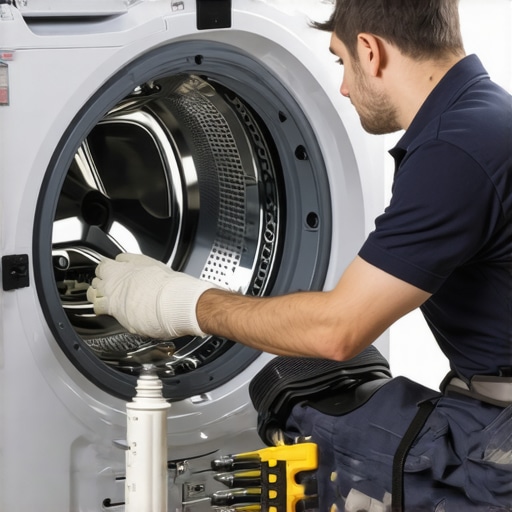
Front load washers use suspension rods and dampers to absorb vibrations. Over time, these parts can wear out, causing instability. Access the maintenance panel and visually inspect suspension rods and dampers for damage or wear. Replace any broken or worn parts, following your washer’s specific repair guides. I replaced my worn suspension springs myself after noticing persistent shaking, and the washer became much steadier.
Balance the Drum with Proper Support
Some washers have load balancing systems or sensors. Ensure these are functioning correctly. If your machine has an adjustable drum support or leveling system, verify it’s properly installed. Improper support can cause the drum to wobble. Checking these supports and ensuring they are securely attached can significantly reduce vibrations. I tightened loose supports, which immediately lessened the shaking during spins.
Use Anti-Vibration Accessories
Consider installing anti-vibration pads or mats designed specifically for laundry appliances. These absorb residual shocks and dampen vibrations further. They’re especially useful if your floor isn’t perfectly level or if the washer is placed on a tiled or hard surface. I added a specialized anti-vibration mat, and it noticeably minimized noise and movement.
Consult the Manufacturer or a Technician
If all else fails, refer to your washer’s manual or contact a professional. Persistent shaking could indicate internal issues like unbalanced drums, damaged suspension parts, or bearing problems. Addressing these problems professionally ensures longevity and smooth operation. For advanced insights, explore smart washer options that feature automatic balancing routines.
 Many consumers assume that sizing their washing machine or choosing between front load and top load models is a straightforward decision, but beneath the surface lie nuanced truths often overlooked. A common myth is that bigger capacity always equals better performance; however, oversized machines may lead to inefficiency and unnecessary energy consumption if not matched to your laundry habits. Conversely, selecting a machine that’s too small can result in overloading, increasing wear and tear over time, and defeating the purpose of efficiency.
Another misconception involves door type—many believe front load washers are inherently better because they often offer larger capacities and energy savings, but they may come with higher maintenance costs and issues like mold buildup if not properly ventilated. It’s crucial to understand the advanced features and maintenance nuances to optimize your investment.
Does Washer Capacity Really Impact Longevity and Efficiency? 
Research indicates that selecting a washer with a capacity tailored precisely to your typical laundry load improves not only energy efficiency but also extends the device’s lifespan. Overloading or underloading can cause imbalance, increased vibration, and faster component wear. Manufacturers often recommend choosing a capacity that allows your daily laundry to fit comfortably, balancing load size with machine performance. Misjudging this can result in frequent repairs or subpar cleaning performance, which many overlook during the purchase.
Furthermore, advanced models with smart features often include load sensors and automatic balancing systems, but these are not foolproof; understanding their limitations helps prevent premature failure. A study published by the Appliance Science Journal highlights that consistent overstuffing leads to suspension wear and bearing failure in front load washers, a mistake many make unintentionally.
One trap to avoid is solely relying on capacity labels without assessing actual usage patterns. For example, a family of four might assume a 4.5 cu ft. machine is sufficient, but if laundry loads are uneven or if bulky items are frequent, a larger capacity could be more appropriate. Conversely, singles or couples may find a smaller, more efficient model perfectly suited to their needs. To make an informed decision, consider your laundry habits comprehensively; for insights on matching capacity with lifestyle, check out the comprehensive guide on washer capacities.
So, the next time you’re considering a new laundry setup, remember that size and features are just part of the equation. Balancing capacity with your specific needs and understanding the advanced nuances can significantly enhance your appliance’s lifespan and performance. Have you ever fallen into this trap? Let me know in the comments.Maintaining your washing machine’s optimal performance requires more than just occasional cleaning; it involves a routine of specific checks, the right tools, and understanding long-term care. As washing machines become more advanced, leveraging specialized tools and software can simplify this process, extending their lifespan and enhancing efficiency.
How Do I Maintain My Washer Over Time
Regular maintenance is crucial to keep your laundry washer functioning correctly. I personally rely on a few specific accessories and methods that have proven effective over the years. For instance, I always keep a set of digital multimeters and vibration sensors handy. Using a multimeter allows me to regularly check electrical connections, ensuring that components like the motor and control boards are functioning within safe parameters. Vibration sensors help monitor excessive movement that might indicate worn suspension parts or imbalance issues before they cause significant damage.
Cleaning the detergent drawer and seals monthly helps prevent mold buildup, which is common in front load washers. For this, I use a mixture of white vinegar and baking soda—scrubbing with soft brushes, followed by a deep rinse cycle. This simple routine prevents odors and reduces the chance of mechanical failure caused by mold and debris.
Additionally, I employ a smartphone app connected via Bluetooth to some modern washers equipped with smart technology. These apps provide real-time diagnostic insights, alerting me to potential issues like unbalanced loads or worn-out components, allowing for proactive maintenance rather than reactive repairs. Brands like Samsung and LG offer such features, and I’ve found that engaging with their maintenance recommendations significantly extends the appliance’s lifespan.
Predicting the Future of Washer Maintenance
Industry experts predict that the trend toward smart appliances will only intensify, integrating AI-powered diagnostics and predictive maintenance systems that alert homeowners to issues before they occur. As these technologies become more affordable and widespread, maintaining your washer will become less about manual checks and more about monitoring digital health reports, making it easier for non-experts to keep appliances in top shape.
For those interested in exploring the latest innovations, I recommend reading test results on smart washing machines. Incorporating these tools into your routine can transform your approach from reactive repair to proactive preservation.
Try a High-Tech Tip to Extend Your Washer’s Life
Use Bluetooth-enabled diagnostic tools to receive early alerts on component wear or imbalance issues. Not only does this approach save money on costly repairs, but it also ensures your laundry stays efficient and quiet. Using a digital multimeter regularly is similarly beneficial for checking electrical health, especially if you notice irregularities in cycle performance or vibrations. Embrace these advanced tips, and your laundry days will be smoother and more reliable for the long haul.
Throughout my years of tackling laundry challenges, I’ve uncovered some surprising truths that go beyond basic maintenance. The most valuable lessons weren’t always found in manuals but within my own experiences battling persistent vibration and noise. Sharing these insights might just help you avoid some common pitfalls and transform your laundry routine into a smoother, quieter process.
What I Wish I Knew About Laundry Washer Balance Early On
- Never underestimate the impact of proper leveling: I once ignored my machine’s uneven placement, which caused unnecessary shaking and accelerated wear. A simple use of a spirit level and adjusting the feet made an immediate difference.
- Load distribution is king: Overloading leads to imbalance. Spreading clothes evenly around the drum is a game-changer, preventing excessive vibrations and potential damage.
- Good flooring matters more than you think: Placing my washer on a sturdy, even surface with anti-vibration pads significantly reduced noise and movement, especially during spin cycles.
- Routine checks save headaches: Regularly inspecting suspension springs and dampers avoided costly repairs down the line. Early detection of worn parts keeps your washer running smoothly.
- Advanced tools help a lot: Using vibration sensors and smart diagnostics (like those from brands such as Samsung and LG) provided early warnings about potential issues, offering peace of mind and prolonging the machine’s life.
My Toolkit for a Quieter Laundry Room
- High-quality anti-vibration pads—I’ve found they reduce movement on uneven floors.
- Smart diagnostic apps—especially useful for proactive maintenance and troubleshooting.
- Adjustable leveling tools—ensuring my washer stays perfectly balanced.
- Regular cleaning supplies—white vinegar and baking soda for upkeep that prevents mechanical issues.
Keep Your Laundry Journey Exciting and Hopeful
Remember, every laundry battle offers a chance to learn and improve. Embrace the process, explore new solutions, and don’t hesitate to invest in the tools that make your washing experience more enjoyable. Your washer is more than a machine—it’s a partner in keeping your home comfortable and organized. With patience and knowledge, you’ll master the art of keeping your laundry routine silent and stress-free. Have you ever discovered a game-changing tip or tool that transformed your washing experience? Share your story below and inspire others on their journey!
I completely relate to the frustration of dealing with a noisy, vibrating washer—my old front loader was a nightmare during high-spin cycles. What really helped in my case was ensuring the machine was perfectly leveled and placing anti-vibration pads underneath. I also learned that overloading is one of the biggest culprits for imbalance, so I’ve started loading smaller batches more evenly. The part about inspecting suspension components resonated with me; I had worn dampers that, when replaced, made a huge difference. It’s impressive how much of a role proper support and maintenance play in extending the life of the machine. I wonder, for those who’ve had to replace suspension parts, how did you go about the process—are there common pitfalls to watch out for? I’d love to hear more tips from others who have tackled similar issues, especially regarding how to avoid reoccurring vibration problems.
This article hits the nail on the head with practical tips that can really make a difference in combating washer vibrations. I agree wholeheartedly about the importance of proper leveling and load distribution. From my experience, investing in high-quality anti-vibration pads made a noticeable difference, especially on uneven floors. Additionally, I found that periodically inspecting the suspension components actually saved me from bigger repairs down the line. Interestingly, when I replaced my dampers, I also had to check the shock absorbers, as sometimes worn parts in one area can cause uneven stress elsewhere. For those considering replacing suspension parts themselves, do you have any advice on where to find reliable replacement kits or tips on avoiding common mistakes during installation? I think sharing more about the process could help prevent unnecessary damage or rework. Overall, regular maintenance combined with simple upgrades can significantly extend the life of a front load washer.