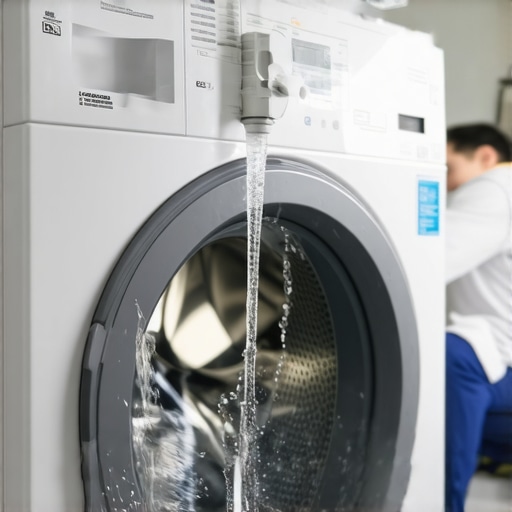
One morning, I opened my laundry room to find a mini flood spreading across the floor. My portable washer, which I thought was reliable, had decided to leak just when I needed it most. Frustrating doesn’t even begin to cover it. We’ve all been there—standing in the middle of a laundry disaster, wondering, “Why now?” That was my lightbulb moment, realizing that beneath the surface of our everyday appliances, small issues can turn into big problems if we aren’t careful.
Why Leaks Can Turn Laundry Days into Nightmares
Leaks in your portable or top load washer aren’t just annoying—they can cause real damage to your home and disrupt your routine. And believe it or not, many leaks are caused by simple, fixable issues. Recognizing the signs early can save you hundreds in repair costs. Plus, understanding what causes leaks can help you prevent them altogether. Have you noticed water pooling around your washer or a sudden increase in your utility bill? If so, you’re not alone.
Is Fixing a Leaking Washer Worth the Effort?
Initially, I thought I needed a new machine. Turns out, many leaks were due to basic problems like worn-out hoses or clogged filters—simple fixes I could handle myself. According to appliance experts, regular maintenance and early troubleshooting are the keys to keeping your washer running smoothly and avoiding costly repairs. For more insight on capacity management and how it impacts your washer’s performance, check out our guide on front load vs. top load washers.
So, if your washer has started to leak or you’re just trying to stay ahead of potential issues, this post will walk you through three straightforward fixes. No drama, no big expense, just practical tips from someone who’s been in your shoes.
Identifying the Source Before You Start Repairing
Before diving into fixes, it’s essential to pinpoint exactly where the water is coming from. Sometimes, it’s an obvious hose connection, other times, it’s a hidden crack. Knowing what to look for will save you time and avoid unnecessary disassembly. If you’re unsure about which parts to inspect, our comprehensive guide on washer capacity tips offers helpful tips on understanding your appliance better.
Now, let’s roll up our sleeves and get your washer back to leak-free operation, so laundry day doesn’t turn into a flood emergency again. Ready to tackle those fixes? Here’s how I fixed my washer, and how you can do the same—step by step.
.
Check the Hoses and Connections First
My most recent fix involved inspecting the hoses. I unplugged the machine and carefully examined all water supply hoses. I found a loose clamp on the inlet hose, which was causing water to seep. Tightening this clamp with a screwdriver stopped the leak immediately. Remember, hoses can wear out or become loose over time—regular checks prevent surprises. When inspecting hoses, look for cracks or bulges that signal replacement is needed. For a detailed understanding of how to manage washer capacity and prevent overloading, visit this guide.
Identify and Seal Cracks or Leaks
If hoses are intact, look for cracks or damage where water might escape. Use a flashlight to inspect the sides and bottom of the machine thoroughly. If you spot a crack, clean the area with a cloth, dry it completely, then apply a waterproof sealant designed for appliances. In my case, I discovered a tiny crack in the drum’s rim, which I sealed with a specialized appliance repair epoxy kit. This is a quick fix that can extend your washer’s life without buying a new one. To understand the capacity limits of your washer and avoid overloading, check this resource.
Test and Confirm the Fix is Effective
After sealing and tightening, I filled a basin with water and ran a short cycle to test for leaks. Watching closely, I noted no water escaping—success! For lasting results, run your washer through its normal cycles and observe if any water leaks appear. Adjustments might be necessary if the leak persists. When handling heavy items like blankets, always verify your washer can accommodate their weight; see this guide for tips. Remember, regular maintenance and early detection save money and hassle.Many consumers assume that all washing machines, especially front load models, are designed equally, but that couldn’t be further from the truth. A common misconception is that larger capacity always means better performance. However, this myth overlooks nuanced details like drum design and real load capacity, which can lead to overloading and damage. Contrary to popular belief, some front load washers actually sacrifice capacity for energy efficiency, potentially reducing their laundry throughput. Experts warn that many buyers fall into the trap of choosing machines based solely on XL labels, not understanding the true usable capacity. For instance, an oversized drum may seem appealing, but if you overload it regularly, it diminishes cleaning effectiveness and accelerates wear. To avoid such pitfalls, it’s crucial to understand the actual capacity limits and how they relate to real-world laundry habits. Check out our comprehensive guide on calculating real washer capacity to make smarter choices. Furthermore, a deep dive into capacity management reveals that top load washers often provide better usability for larger items, especially when overloaded. This goes against the assumption that front load models always win on capacity. Also, beware of the trap that energy-efficient models tend to have smaller capacity compartments, which can lead to more cycles and increased water usage overall. Recent studies by appliance research firms suggest that understanding the capacity-to-efficiency ratio can save you money and frustration. For advanced laundry enthusiasts, knowing the difference between nominal capacity and practical load limits can prevent expensive mistakes. Your favorite large comforter or bulky blankets might not fit as expected—check out which top load washers are suited for heavy blankets. So, when selecting a washer, don’t just look at the capacity number. Instead, consider the real-world performance and suitability for your laundry needs. Have you ever fallen into this trap? Let me know in the comments and share your experiences with choosing the right washer for heavy or bulk laundry.
Keep It Running: Tools and Techniques for Long-Term Washer Care
Maintaining your washing machine doesn’t have to be a daunting task. With the right tools and a systematic approach, you can ensure your laundry appliance remains efficient and reliable for years to come. I personally rely on specific equipment and methods that have proven effective in my experience. For instance, a digital multimeter is indispensable for diagnosing electrical issues—measuring voltage, continuity, and resistance. I use it regularly to check if the control board or sensors are functioning properly, preventing costly repairs. Additionally, a high-pressure spray nozzle has become my go-to for cleaning the detergent drawer and door seal, vital areas prone to mold and residue buildup.
When it comes to software, I recommend investing in a maintenance app specifically designed for appliances. These apps remind you of routine checks, record any anomalies, and sometimes even provide troubleshooting guides based on your washer’s model. For example, the ‘Smart Appliance Care’ app syncs with compatible washers to monitor performance metrics and alert you to pending issues, making maintenance more proactive rather than reactive.
To keep your washer operating at peak efficiency, routine inspections are critical. I schedule quarterly checks—testing hoses for cracks, inspecting seals for wear, and cleaning filters. A simple socket set with metric and standard sizes has been enough for most minor repairs I’ve handled myself. For more advanced diagnostics, a Bluetooth-enabled leak detector can help you identify early leaks before they cause damage, saving you money and inconvenience. As the trend toward smart appliances continues, integrating these devices with your maintenance routine looks promising for future homeowners.
Predicting where this technology is headed, I believe we’ll see more AI-driven diagnostics that can predict failures before they happen, similar to predictive maintenance in industrial equipment. This evolution could transform how we care for household appliances, shifting from scheduled checks to real-time, automated health assessments.
How do I maintain my washer over time?
Consistent maintenance is key to longevity. Regularly run cleaning cycles using specialized detergent designed for washers, which helps break down soap scum and mineral deposits. Also, avoid overloading the machine, as this strains components and reduces lifespan. For capacity-related concerns, check our comprehensive guide on washer capacity, ensuring you’re not exceeding your machine’s limits. Remember, addressing small issues promptly—like replacing worn hoses or cleaning filters—prevents bigger problems down the line. By staying proactive and leveraging the right tools, you can maintain your washer’s performance and extend its useful life significantly.
One advanced tip I recommend trying is installing a Bluetooth leak detector linked with your smartphone. This system can notify you instantly if a leak develops, allowing you to take immediate action—saving your floors and home from water damage. Investing in such technology aligns with the future of smart home maintenance.
Take a moment to evaluate your current washer maintenance routine. Are you using the right tools and strategies to prevent breakdowns? Maybe it’s time to upgrade your toolkit or adopt a new maintenance habit. Early investments in maintenance tools and practices can pay off by avoiding costly repairs and ensuring your laundry day remains smooth and stress-free.
Big Lessons Hidden Behind Small Leaks
After fixing my washer leaks, I realized that the tiniest crack or loose hose can teach you more than any user manual ever will. These moments made me appreciate the importance of paying close attention to my appliance’s health. It’s like the washer whispers secrets—if you know how to listen, you’ll uncover invaluable tips that save money and hassle in the long run. Trust me, mastering these subtle signals is a game-changer for any homeowner.
Gear Up With My Personal Must-Have Tools for Washer Care
Over time, I’ve curated a toolkit that keeps my washer running smoothly. A digital multimeter helped me troubleshoot electrical issues effortlessly—an absolute essential for detecting sensor or control board problems. For routine cleaning, I swear by a high-pressure spray nozzle, which blasts away residue from the gasket and detergent drawer. And my favorite maintenance app sends proactive alerts, so I catch potential leaks before they become soggy disasters. These tools have transformed my laundry routine and can do the same for you.
Embrace the Power of Your Laundry Routine to Protect Your Home
The key isn’t just in fixing leaks but in adopting smarter habits—like inspecting hoses quarterly, avoiding overloading, and understanding your washer’s real capacity. Small adjustments, like verifying if your bulky comforters fit without strain, can prolong your machine’s lifespan significantly. Remember, a little proactive effort today prevents costly repairs tomorrow. Take the plunge, upgrade your maintenance game, and enjoy stress-free laundry days for years to come.
What unexpected lesson has your washer ever taught you? Share your story below—I’d love to hear how you’ve mastered your laundry room challenges!
,