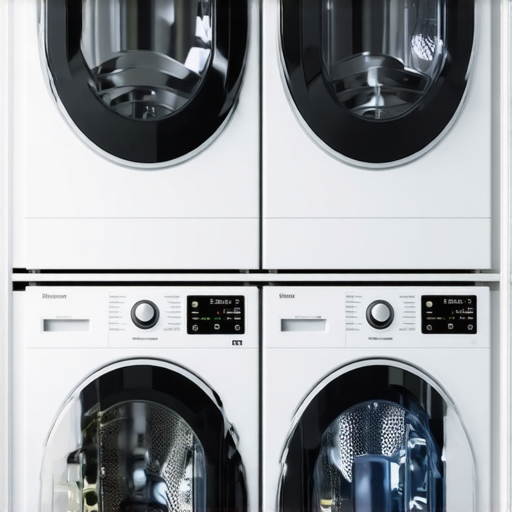
I remember the day I finally invested in a new front load washer. Laundry was my least favorite chore, already a mountain of struggle, but that day, I faced an even bigger frustration: my old machine couldn’t handle the load anymore. Clothes seemed to take forever to clean, and the constant trips to wash the same load again left me exhausted. That lightbulb moment made me realize something crucial: my washer’s capacity and features matter more than I initially thought.
How the Right Washer Simplifies Life
As someone juggling a busy schedule, I needed a solution that could keep up. Let’s be honest—there’s nothing worse than starting a wash cycle and realizing it won’t finish in time because your machine isn’t designed for your laundry needs. That’s where understanding the features of front load washers becomes a game-changer. They aren’t just about cleaning clothes; they can save you time, energy, and even money in the long run.
Is The Hype About Front Load Washers Justified?
Early on, I made the mistake of believing all washers are the same. I purchased a top load machine because I thought bigger was better, but I soon found it struggled with efficiency and delicate fabrics. Did you know that according to the U.S. Department of Energy, front load washers use up to 50% less water and energy compared to traditional top-load models? That’s a significant saving—especially when you consider the environmental impact and your utility bills. If you’re contemplating whether a front load washer is worth it, you’re not alone. Many of us have been duped by marketing claims without understanding what features truly matter.
But here’s the real question—have you ever chosen a washing machine based solely on capacity and price, ignoring the vital benefits that come with the right features? [Learn more about the debate between front and top load washers here](https://washers.smartappliancereview.com/front-load-vs-top-load-washers-find-your-perfect-laundry-capacity-solution). In the next section, we’ll explore how to match your laundry habits with the perfect washer, ensuring you no longer dread laundry day.
Assess Your Laundry Volume and Frequency
Start by tallying how many loads you do weekly. A large family might need a washer with higher capacity, while a singleton could opt for a smaller model. Think of it like choosing a bucket size: bigger loads demand a bigger bucket to avoid multiple trips. Record your typical laundry size and frequency so you can match it to the washer’s capacity. For example, I once tried overloaded my old machine with heavy comforters, resulting in incomplete washes and machine strain. This taught me that understanding your specific laundry habits is crucial.
Determine the Ideal Capacity for Your Space and Needs
Use specific measurements of your laundry area to ensure the washer fits comfortably. The general rule is to select a machine that can handle at least one and a half times your largest expected load. For instance, if you typically wash king-sized bedding or multiple towels, prioritize higher capacity models. To understand what size fits best, check this capacity comparison guide. I once measured my space meticulously and found that a 4.5 cubic foot front load washer perfectly fit my laundry room, ensuring easy loading and unloading without feeling cramped.
Match Features to Your Laundry Habits
Identify features that streamline your routine—such as quick wash cycles, steam cleaning, or energy efficiency. If you often wash delicate fabrics, look for models with gentle cycle options. If saving energy is a priority, opt for machines rated for high efficiency. Remember, not all front load washers are equal in features; some come with smart technology that can save time and water. I tested a newer model with a steam feature, which significantly reduced my laundry time and eliminated allergens from my bedding. Read this washer features comparison to determine what matters most to you.
Test for Ease of Use and Accessibility
Visit appliance stores or read reviews to assess how user-friendly the models are. A washer with intuitive controls, clear displays, and easily reachable detergent dispensers can make laundry less of a chore. I learned the hard way that a complicated control panel led to frustration and longer cycles. For better clarity, see this front vs. top load comparison to help you choose a model that aligns with your comfort level. Poignant tip: test the door opening, ensuring it’s smooth and accessible, especially if you have mobility limitations.
Factor in Maintenance and Durability
Choose models with reliable reviews for durability. Consider the ease of cleaning the gasket and drum, as well as availability of replacement parts. A well-maintained front load washer can last over a decade, maximizing your investment. I once overlooked this and faced costly repairs; now, I prioritize models with accessible maintenance features. To gain insights from experienced users, review this article: capacity tips and maintenance advice.
Compare Energy Efficiency and Water Consumption
Use energy ratings and water usage data to find models that save money over time. High-efficiency front load washers often use less water and electricity, reducing your utility bills. During my research, I identified models with impressive energy ratings, which lowered my monthly costs. Check out this energy and water consumption comparison to guide your selection. Remember, investing in an efficient model pays off in the long run, especially with rising utility costs.
Many laundry enthusiasts believe that bigger washer capacity automatically means better performance, but this is a misconception. Oversized machines can be inefficient if they’re not used properly, leading to wasted water and energy. Additionally, the myth that all front load washers are fragile ignores advancements in durability and build quality. In reality, modern models are engineered to withstand years of heavy use, especially when chosen based on reputable reviews and maintenance ease.
A frequent mistake is assuming that a top load washer always accounts for superior cleaning. However, expert analyses show that well-designed front load machines often outperform top loaders in stain removal and fabric care, thanks to advanced spinning and washing technologies. It’s essential to evaluate features like wash cycle options and efficiency ratings rather than just capacity or load type.
One trap to avoid is focusing solely on initial purchase price. Cheaper models may save money upfront but often cost more in water, electricity, and maintenance over time. According to industry research, investing in energy-efficient, durable models with the right capacity tailored to your laundry habits results in long-term savings and less frustration.
For those considering capacity, it’s essential to match the machine to your typical laundry loads. For instance, a family of five benefits from a higher capacity front load washer, but those with smaller households might find a mid-sized model more appropriate. Properly matching capacity reduces the risk of overloading, which can strain the machine and diminish cleaning effectiveness.
What advanced features truly improve laundry efficiency and how do they impact user experience?
When exploring options, look for models with smart technology integration, steam cleaning, or specialized cycles designed for delicate fabrics. These features can significantly improve washing results and reduce wear on clothing. A recent study emphasizes that the right combination of features and capacity—rather than capacity alone—optimizes laundry performance and energy consumption.
Avoid falling into the trap of overgeneralizing based on brand marketing or outdated information. Instead, utilize detailed reviews and expert comparisons, such as those found in our comprehensive guides, to make an informed decision. Remember, the goal isn’t just powerful cleaning, but doing so efficiently and sustainably.
Have you ever fallen into this trap? Let me know in the comments.
How do I keep my washer running smoothly over time?
Maintaining your front load or top load washer isn’t just about occasional cleaning—it’s about implementing a routine that prevents breakdowns and extends your machine’s lifespan. I personally swear by using a combination of high-quality washing machine cleaners and specialized tools that facilitate ongoing maintenance.
One tool I highly recommend is a dedicated drain cleaning brush. Over the years, I’ve found that residues and lint can clog the drainage system if not regularly cleared, leading to poor wash performance. Using a brush designed specifically for washer drainage ensures you can easily access and remove build-up without disassembling the entire unit. I religiously perform this every six months—trust me, it saves me money on repairs and keeps the machine operating efficiently.
Another essential isn’t a tool but a quality washing machine cleaner. I opt for natural, enzyme-based solutions because they effectively break down soap scum and mineral deposits without the harsh chemicals that can corrode parts over time. Regular use of such cleaners, as recommended by appliance experts, can prevent mold growth and unpleasant odors, which are common issues in moist environments.
Moreover, keeping an eye on the suspension parts and seals is crucial. I’ve found that inspecting door gaskets and shock absorbers periodically helps me detect early signs of wear. When a seal starts to crack or a shock absorber shows signs of leakage, replacing it promptly minimizes the risk of more significant damage. For those less handy, consulting with a professional service or using a spring-loaded retainer tool makes replacements smoother. According to industry standards, routine inspections can reduce emergency repair costs significantly.
Looking ahead, technological advancements suggest that smart maintenance tools will become more commonplace. For example, some washing machines now come equipped with sensors that alert you when parts need replacement or cleaning. These innovations can guide homeowners to take immediate action, similar to how modern washers are designed to monitor performance in real-time.
If you haven’t integrated routine tool checks into your laundry maintenance schedule, I highly recommend starting now. A simple investment in a drain cleaning brush and a quality cleaner, combined with regular inspections, can dramatically extend your washer’s life. Remember, preventive maintenance is the key to avoiding costly repairs down the line—so don’t wait until it’s broken to act.
Try adding a subscription box for your favorite cleaning supplies or setting reminders to check your seals semi-annually. A small effort now can mean years of trouble-free laundry days ahead.
Overloading Was My Biggest Mistake and the Wake-Up Call
Trying to cram too many clothes into a small washer felt economical at first, but it led to poor cleaning results and increased wear on my machine. The lightbulb moment came when I noticed more frequent repairs and shorter lifespan. I realized that respecting capacity limits isn’t just about washer longevity—it’s about achieving optimal cleaning. This experience taught me to always match load size with my washer’s capacity, ensuring efficiency and durability.
The Myth of Bigger Always Being Better
I used to believe higher capacity meant better performance, but I learned that a well-designed, smaller capacity washer can outperform oversized models if properly used. It’s essential to understand that features like efficient spin cycles and wash options truly define performance more than just capacity alone. For tailored advice, this comparison of capacity and features helped me understand that choosing for my needs outweighs chasing the largest size.
Falling for the Savings but Ignoring Long-Term Costs
Initially, I picked a budget-friendly model, thinking it would save me money. However, I soon realized that inefficient water and energy use, along with frequent repairs, increased my expenses. Investing in an energy-efficient front load washer with thoughtful features proved to be more economical in the long run. This aligns with industry insights on how upfront savings can be deceptive if you overlook operating costs, as detailed in this comprehensive review.
The Quiet Genius—Features That Truly Matter
Not all extra features are worth the price, but steam cleaning and quick wash cycles transformed my laundry routine. These improvements saved me time and reduced fabric wear. Selecting a washer with features tailored to my laundry habits was a game-changer. To find the right features, I recommend this feature comparison guide, ensuring you invest in what truly enhances your laundry experience.
Routine Maintenance as the Secret to Longevity
Regularly cleaning the gasket, maintaining drainage, and inspecting seals made a difference in preventing costly repairs. I learned that small, consistent care extends the life of my laundry washer significantly. Tools like drainage brushes and eco-friendly cleaners have become staples in my routine. For added confidence, I follow recommendations from trusted sources, which you can explore in this maintenance guide.
Don’t Wait to Optimize Your Laundry Setup
Investing time and resources into understanding capacity needs, feature benefits, and maintenance routines elevated my laundry experience. Whether you’re upgrading or just want smarter laundry habits, prioritizing these insights will save you money and frustration. Take the leap and act now—your future self will thank you. What aspect of choosing the right washer surprised you the most? Let me know below.