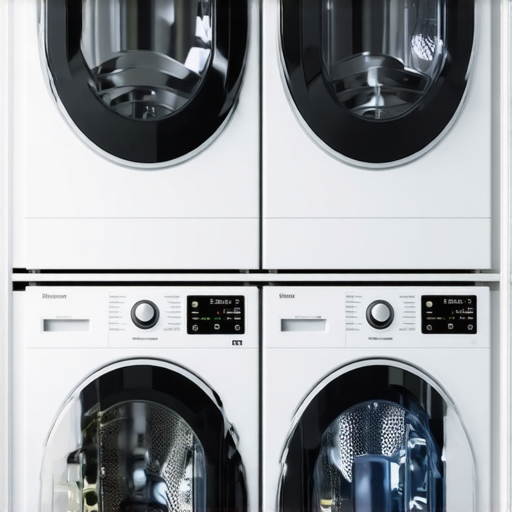
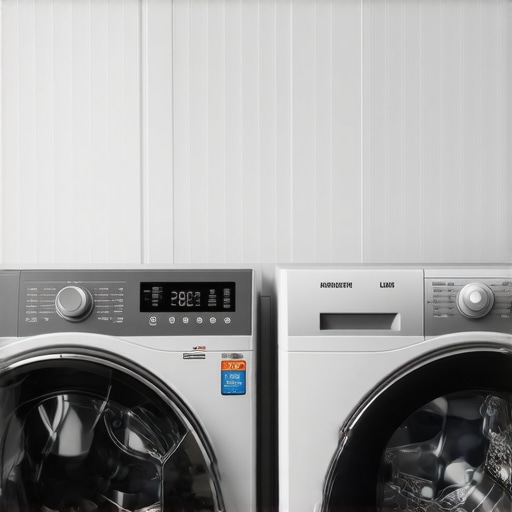
Ever found yourself battling a mountain of laundry, only to realize your washing machine just isn’t up to the task? I remember the moment vividly—standing in my laundry room, overwhelmed by a pile that seemed to grow exponentially because my old top load washer couldn’t keep up with my family’s needs. That lightbulb moment made me question whether I had chosen the right type of washer for my space and, more importantly, for my capacity needs.
Facing the Laundry Dilemma: Does Size Really Matter?
When it comes to laundry, capacity isn’t just a number—it’s a game-changer. The decision between a front load and a top load washer often boils down to how much laundry you need to tackle regularly. But what if I told you that in 2025, the differences in capacity and performance could tip the scales more than ever? This is exactly what I wanted to uncover, especially given the advancements and consumer insights available today.
Is Bigger Always Better for Laundry Loads? A Common Skepticism
One mistake I made early on was overlooking the importance of understanding actual capacity versus advertised capacity. I once bought a machine based on hype, only to find that it didn’t comfortably fit my bulkier comforters or large families’ loads. According to recent reviews, many consumers underestimate how critical true washing capacity is when choosing between models—something I learned the hard way. For a comprehensive comparison tailored for 2025, check out this detailed guide.
Understanding the nuanced differences between front load and top load washers, especially in terms of capacity, can really impact your everyday laundry routine. So, if you’ve faced the frustration of a machine that can’t handle your family’s laundry mountain or wondered if you’re maximizing your space and budget, you’re not alone. Let’s dive into what’s new in 2025 and figure out which washer truly offers better capacity for your unique needs.
Measure Your Laundry Load Carefully
Before choosing a washer, assess your typical laundry volume. Empty your laundry basket and weigh the loads if possible, or estimate by item counts. Think of your washer as a large bucket: Overfilling causes sloshing, underfilling wastes space. For a real-world test, I once filled my old top load washer to the brim with kids’ uniforms, only for the machine to struggle. Now, I measure to match capacity recommendations, ensuring optimal performance instead of just guessing.
Compare True Capacity and Advertised Figures
Manufacturers often list large capacity numbers that include inefficient empty space or technical quirks. Always verify the actual cubic footage or load weight capacity. I learned this when I bought a front load washer boasting 4.5 cu ft, only to find large comforters wouldn’t fit comfortably. Cross-reference front load vs. top load capacity guides to find models that truly fit your needs.
Assess Your Space and Layout
Determine where you’ll place your washer. Space constraints influence whether a compact or standard-sized machine is best. Think of your laundry area as a parking spot: a tight garage demands a smaller car. For example, I was surprised how my small laundry closet limited my options, making a compact front load washer ideal. Measure your space accurately and compare it to the dimensions listed in product specifications.
Match Capacity to Your Laundry Routine
Align your washer’s capacity with your family’s laundry habits. Large households benefit from models that can handle bulky duvets or multiple loads at once. For instance, during a messy camping trip, I used a high-capacity washer to clean all my gear in one go, saving time. Check resources like capacity comparison guides for tailored advice.
Use a Load Size Indicator and Cycle Optimization
Many modern washers offer load sensors that adjust water and cycle duration based on load size. Use these features to avoid wasting resources and extend your washer’s lifespan. I activated mine, and noticed my water bills decreased. Consistently using appropriate cycle settings ensures your washer isn’t overworking or underperforming, especially important with larger loads.
Review Expert Recommendations for 2025 Models
Stay updated by consulting up-to-date reviews and capacity rankings. The industry advances rapidly, with new models offering better capacity, efficiency, and features. I regularly visit this resource for the latest insights. Incorporate expert advice to refine your choices, ensuring your laundry routine remains smooth and efficient.
Many consumers believe they understand the basics of choosing between a top load washer and a front load washer, but there are subtle nuances that can significantly impact your laundry efficiency and longevity of the machine. One common myth is that a larger washer capacity always translates to better performance. In reality, oversizing your machine can lead to inefficiencies and unnecessary energy consumption. For example, selecting a model solely based on advertised capacity without considering your actual laundry habits may result in underutilization or overuse of resources. Recent studies, such as those highlighted by this comparison guide, suggest that matching capacity precisely to your typical load is more beneficial than simply opting for the ‘biggest’ model.
What Advanced Mistakes Do Even Experienced Users Make?
One advanced mistake is ignoring the impact of wash cycle choices on capacity utilization. For instance, selecting heavy-duty cycles with larger water levels can waste energy when smaller loads would suffice, especially if your washing machine offers load-sensing technology. Moreover, many users underestimate how washer type influences load management; a front load washer typically handles larger, more delicate loads with greater efficiency than a top load in certain contexts. Failing to optimize cycle settings and load sizes is an ‘oops’ that can diminish your machine’s lifespan and efficiency. As a reminder, visiting a comprehensive resource like this detailed comparison can help you navigate these subtleties.
Another nuance is the false belief that all washing machines are equally durable; in fact, build quality varies greatly among brands and models, influencing how well your machine handles frequent large loads. Using cycle features such as load sensors and pre-soaking options can optimize capacity utilization and prevent damage. Remember, choosing isn’t only about capacity numbers—your laundry routine, space, and energy goals matter immensely. For smart, tailored advice, consulting expert reviews ensures you avoid costly mistakes and get the best value for your investment.
Have you ever fallen into this trap? Let me know in the comments how you optimize your laundry routine to get the most out of your washer. Instead of focusing solely on the capacity figure, remember to consider how specific features and your habits align to truly make your laundry experience efficient and stress-free.
Essential Tools and Methods for Maintenance
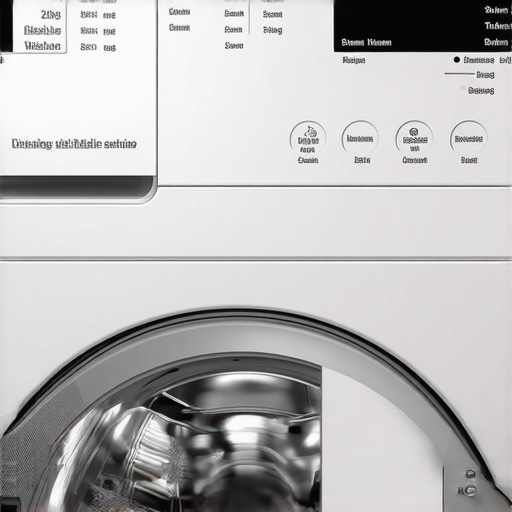
Maintaining your washing machine’s performance involves more than just occasional cleaning. I rely on specific tools and routines that ensure my front load washer remains efficient and durable over time. One indispensable tool I recommend is a high-quality digital inspection mirror. I use it to peek into hard-to-reach areas around the door seal and drum interior, spotting mold, detergent residue, or debris that can cause odors and mold growth if ignored. Regularly inspecting these areas prevents costly repairs and extends the lifespan of your washer.
Additionally, a gentle spray of vinegar diluted with water, along with a soft microfiber cloth, forms my go-to cleaning combo. I spray this mixture around the door gasket and around the detergent dispenser—areas prone to soap scum buildup—then wipe thoroughly. This routine keeps the gaskets and dispensers clean without harsh chemicals, ensuring optimal washing performance. For more thorough maintenance, I recommend running a monthly cleaning cycle with a washing machine cleaner, especially one formulated with enzyme-based cleaners like Affresh, which effectively break down soap scum and mineral deposits.
Optimizing Long-Term Results
Beyond cleaning, I focus on periodic deep maintenance to keep my washer humming. According to appliance experts, checking the drain pump filter every six months prevents clogs that can cause overflow or drainage issues. I use a small flat-head screwdriver to open the filter access panel—usually located at the bottom front—and gently remove any lint, hair, or debris.
It’s equally important to keep the machine’s interior dry and free from mold. After laundry cycles, I leave the door slightly ajar to promote air circulation and prevent musty odors. Investing in a dehumidifier in humid climates also helps maintain the environment around my laundry area, avoiding moisture buildup that can compromise the machine’s electronics and structure.
Smart Tools for Monitoring Machine Health
For proactive maintenance, I employ an appliance health monitoring app connected via Bluetooth to my washing machine. These apps can track cycles, alert me to irregularities, and suggest maintenance schedules based on usage patterns. I’ve found that early alerts about excessive vibration or unusual cycle times help me address issues before they escalate.
As technology advances, the future of washer care points toward integrated sensors that provide real-time diagnostics, predicting component failures before they happen. Keeping abreast of these innovations allows homeowners like me to stay ahead of costly repairs and ensure consistent laundry excellence.
How do I maintain my washer over time?
In my experience, routine inspections, combined with targeted tools like disinfectant sprays, microfiber cloths, and monitoring apps, have been game-changers. These practices help me catch small issues early, ensuring my washer runs efficiently for years. I highly recommend trying out an appliance app—like the one reviewed in this resource—to get tailored alerts and maintenance reminders. Making maintenance a habit rather than a chore is key to keeping your laundry routine seamless and your washing machine performing at its best.
Looking back, I realize that the most valuable lessons about choosing the right washing machine weren’t found in product specs alone. Instead, they emerged from real-world failures and eye-opening discoveries that reshaped my laundry routine for good. If I had known earlier how nuanced washer capacity and type decisions truly are, I could have saved myself time, money, and frustration.
3 Surprising Truths I Didn’t Expect About Washer Capacity
- Size isn’t everything—choosing a machine with the advertised largest capacity might lead to inefficiency if it doesn’t match my actual laundry habits, as I learned from experimenting with oversized models that sat unused much of the time.
- Delicate loads benefit from specific designs—front load washers often handle delicate, bulky items more gently and efficiently than top load models, changing how I approached my family’s laundry needs.
- Going beyond capacity specs—seeing the actual drum size and understanding load sensor features helped me pick washers that genuinely suited my routine, rather than relying solely on marketing numbers, which can be misleading.
These insights taught me the importance of matching real-life laundry patterns with the machine’s capabilities. For those eager to make smarter choices, exploring resources like this comprehensive guide offers invaluable clarity.
Essential Tools to Keep Your Washer Running Like New
My secret weapon has been a quality inspection mirror, which allows me to spot mold and residue behind the drum—issues that often go unnoticed but can seriously shorten a washer’s lifespan. Pairing this with a microfiber cloth and some vinegar spray keeps my appliance in top shape without harsh chemicals. For long-term health, running monthly cleaning cycles with enzyme-based cleaners like Affresh has made a noticeable difference.
To proactively monitor my washer’s health, I now leverage a Bluetooth-enabled app that tracks usage and alerts me to irregularities. This modern approach has saved me costly repairs and extended the machine’s life, confirming that investing in maintenance tools pays off in peace of mind.
Don’t Just Fix, Prevent
Preventative care involves regular inspections, keeping the door ajar to prevent mold, and checking the drain filter biannually. These habits keep my washer performing at its peak and ensure my laundry routine remains stress-free. Modern diagnostic tools and apps provide early warnings about component issues, empowering me to address problems before they escalate.
So, consider making maintenance a weekly ritual rather than a chore—your washer will thank you, and so will your wallet. The future is bright with innovations that integrate real-time diagnostics, pushing us toward smarter, more efficient laundry care. Embracing these advances ensures you stay ahead of problems and enjoy cleaner, fresher clothes every day.
Unlock the Full Potential of Your Laundry Routine
From understanding the subtle differences in capacity to adopting proactive maintenance, mastering your washer selection and care transforms laundry from a chore into a confident, tailored experience. The key is to align your machine’s features with your real needs and keep it functioning smoothly for years to come.
What’s the biggest laundry challenge you’re facing right now? Drop your tips or questions below—I’d love to hear your stories and help you optimize your laundry life!