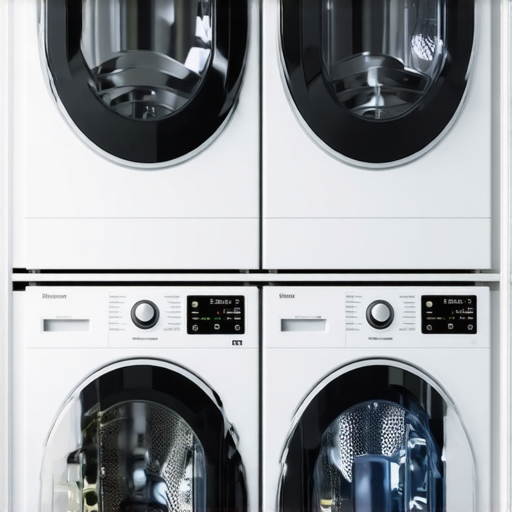
Ever stood in front of your laundry room, staring at two very different machines, feeling completely overwhelmed? I’ve been there. One day, I finally realized I’d been making a crucial mistake—choosing a washer based on looks or a quick sale instead of understanding what actually suited my laundry habits. That lightbulb moment changed everything for me, and I want to help you avoid the same trap.
Why Picking the Right Washer Matters More Than You Think
Your laundry routine isn’t just about washing clothes; it’s about making your life easier, more efficient, and less stressful. The wrong machine can turn your weekly chore into a dreaded task, wasting time, water, and energy. With so many options out there, how do you choose between a front load and top load washer? That’s what I’ll help you figure out today.
Is All the Hype About Front Loads Worth It?
When I first started shopping, I was swayed by sleek design and promises of efficiency, but I ignored my actual laundry needs. Early on, I made the mistake of assuming that a popular front load was automatically better for my family of five. Turns out, not so much. It’s easy to fall into the trap of following trends without considering what really fits your lifestyle. That’s why I want to walk you through the benefits and pitfalls of each type, with real-world insights.
Let’s start by dispelling some misconceptions and then move into practical tips so you can confidently pick the best washer for your home. Whether you’re dealing with bulky duvets, small loads, or high efficiency, the right choice makes all the difference. Ready to find out which washer will truly serve your needs? Keep reading.
Assess Your Laundry Frequency and Types
Start by analyzing how often you do laundry and what types of clothes you wash. Do you have a large family with frequent loads of bulky items like comforters? Or do you mostly wash small, quick loads of everyday wear? Knowing your laundry volume and item types helps determine the capacity that fits your lifestyle. For instance, if you often wash king-size bedding, a washer with a larger drum is essential. Conversely, small households or singles might find a compact model more efficient. This step was eye-opening for me when I realized my small apartment didn’t need a giant machine, saving space and money.
Match Capacity to Your Household
Capacity is crucial—get it wrong, and you’ll either waste water and energy or struggle with overloaded machines. Check out this guide to compare capacities between front load and top load options. I once bought a machine that was too small for my family’s needs, leading to multiple loads per week. After consulting the guide, I chose a model with a capacity that handled my largest comforters without sacrificing efficiency. Remember, a machine that matches your typical load size will save you time and resources.
Determine Your Budget and Efficiency Goals
Set a clear budget, but don’t compromise on essential features. High-efficiency models often cost more upfront but save money in the long run through water and energy savings. For example, I initially went for a cheaper top load washer but ended up paying more in utility bills. After reviewing this comparison, I upgraded to a front load that offered better efficiency and longer lifespan. Prioritize features like water-saving modes, spin speed, and durability based on your laundry habits.
Compare Features and Consider Space
Measure your laundry space carefully and compare models that fit your area. Front load washers typically have a smaller footprint but may require more maintenance. Top load machines are easier to load but may take up more vertical space. I learned this the hard way when I bought a top load that didn’t fit under my low kitchen cabinets. Use resources like this resource to understand what features matter most—such as cycle options, noise levels, and wash times—and how they align with your space constraints.
Read Reviews and Test When Possible
Before making a final decision, read customer reviews and, if possible, test the machines. Pay attention to reliability, ease of use, and customer service. I once visited a showroom and tested a few models, which helped me pick a washer that was both reliable and user-friendly. Online reviews can reveal issues like excessive vibration or poor spin performance that you might not notice initially. Use sites like this review to compare real-world performance and make an informed choice.
Final Tips for a Successful Purchase
Don’t rush—take your time to compare models, consider your household needs, and balance features with budget. Remember, the right washer enhances your laundry routine and saves you money over time. When I finally applied these steps, I found a machine that perfectly matched my needs, turning laundry from a chore into a manageable task. Your ideal washer is out there—just follow these concrete steps to find it.
Many homeowners fall into the trap of oversimplifying their washer selection, believing that the latest model or the most popular brand will automatically meet their needs. However, this approach often overlooks some nuanced factors that can significantly impact your laundry efficiency and cost-effectiveness. Let’s dig deeper into what most people get wrong about choosing a laundry washer, and how you can steer clear of these pitfalls.
Are Front Load Washers Really the Best Choice for Everyone?
Contrary to popular belief, front load washers are not universally superior. Many assume that their efficiency and gentleness on clothes make them the default option, but this isn’t always true. For example, front load models tend to have higher initial costs and require more maintenance to prevent issues like mold buildup. Additionally, their longer cycle times might not suit households that need quick turnaround. In my experience, understanding your household’s specific laundry habits is crucial before opting for a front loader. For more insights, check out this comparison.
Beware the Overemphasis on Capacity
Many believe that bigger is always better when it comes to washer capacity, but this can lead to inefficiency. Overloading a large capacity machine can strain its motor and increase energy consumption, while underloading a small machine wastes water and electricity. The secret lies in matching your typical load size with the appropriate capacity. For instance, if you frequently wash small loads, a smaller, more efficient model can save you money in the long run. As noted in this guide, understanding your actual laundry volume helps you avoid costly mistakes.
Advanced Mistake: Ignoring the Importance of Cycle Customization
Many consumers overlook the significance of cycle options and customization. A washer that offers a variety of wash cycles, temperature controls, and spin speeds allows you to tailor each load for optimal results. Conversely, a machine with limited options may force you to compromise on cleaning quality or damage delicate fabrics. This nuance is often missed by beginners who focus solely on capacity and price. According to industry experts, selecting a washer with versatile cycle settings can extend the lifespan of your clothes and improve wash performance. For more detailed advice, visit this resource.
Have you ever fallen into this trap? Let me know in the comments. Remember, a well-informed choice goes beyond just price and appearance—consider these nuanced factors to make your laundry routine as efficient and stress-free as possible.
Maintaining your laundry machine isn’t just about fixing problems when they occur; it’s about adopting proactive habits and using the right tools to ensure longevity and optimal performance. Over the years, I’ve refined my maintenance routine, and today I want to share what truly works for keeping your washer in top shape, saving you money and headaches down the line.
How do I maintain my washing machine over time
First, I swear by regular cleaning of the detergent dispenser and door seals. These areas tend to trap detergent residue and mold, which can cause odors and reduce efficiency. A simple monthly wipe-down with a mixture of vinegar and baking soda keeps things fresh and prevents buildup. For deeper maintenance, I recommend running an empty hot wash cycle with a commercial washer cleaner or a cup of white vinegar. This helps dissolve mineral deposits and soap scum that accumulate in the drum and hoses.
Second, inspect and clean the filter regularly. I do this every three months, following the manufacturer’s instructions. A clogged filter can cause drainage issues, leading to longer cycle times or even water leaks. If you’re unsure where the filter is located, check your user manual or look for a small access panel at the bottom front of your machine. Keeping the filter clean is a quick step that prevents many common problems.
Tools I recommend for maintenance and troubleshooting
One of my favorite tools is a digital moisture meter. It helps me detect hidden leaks before they become serious. I also keep a set of long-handled brushes specifically designed for cleaning filters and internal parts. For more advanced diagnostics, I use a multimeter to check electrical components if I notice irregularities in performance, such as inconsistent spin speeds. These tools have saved me hundreds in repair costs and give me peace of mind that my washer is operating safely.
Additionally, I rely on a high-quality washing machine drain pump filter brush, which makes cleaning the pump easier and more effective. Regular maintenance with these tools ensures that your machine runs efficiently, uses less water and energy, and lasts longer.
Future trends in washer maintenance
Looking ahead, I believe smart diagnostic systems integrated with IoT technology will become standard, providing real-time alerts about potential issues before they escalate. Imagine receiving a notification on your phone that your filter needs cleaning or that there’s a slight leak—saving you from costly repairs and water damage. Staying ahead with these innovations will be crucial for homeowners wanting hassle-free laundry routines.
If you’re serious about long-term performance, I highly recommend implementing a routine that combines regular manual cleaning with modern diagnostic tools. Start with a monthly cleaning cycle using vinegar or a commercial cleaner, and keep a multimeter and specialized brushes handy. This proactive approach not only extends your washer’s lifespan but also enhances its efficiency, saving you money over time.
Try integrating one of these tools into your maintenance routine today—your washer will thank you, and you’ll enjoy cleaner clothes with less stress and fewer repairs.
The Hardest Lesson I Learned About Choosing a Washer
One of my biggest mistakes was assuming that a popular brand or sleek design would automatically mean I was making the right choice. It took me months of frustration and wasted resources before I realized that understanding my household’s specific laundry needs was far more important than brand hype. This lightbulb moment taught me to prioritize capacity, efficiency, and cycle options over aesthetics.
Three Myths About Laundry Machines That Held Me Back
Myth 1: Bigger capacity always means better. I learned that overloading a large washer can strain the motor and waste energy. Myth 2: Front load washers are superior for everyone. Turns out, they require more maintenance and longer cycle times, which aren’t ideal for every household. Myth 3: The most expensive models are the best. Sometimes, a mid-range machine with the right features suits my needs perfectly without breaking the bank.
What Experts Won’t Tell You About Picking Your Laundry Machine
Many professionals overlook how much your laundry habits influence your choice. For instance, I discovered that selecting a washer with versatile cycle options extended the lifespan of my clothes and improved cleaning results. Avoid being swayed solely by efficiency ratings; consider how the machine’s features align with your actual laundry routine for true satisfaction.