Have you ever stood in front of your washing machine, frustrated because it’s either too small for your family’s laundry mountain or so massive that it feels like you’re washing clothes for an army? I’ve been there. That sudden realization that my old washer just couldn’t keep up with my household needs hit me like a ton of dirty laundry. It’s a common dilemma in many homes—finding that perfect balance between capacity, efficiency, and budget.
Deciding between a top load and front load washer isn’t just about brand names or styles; it’s about understanding what capacity actually means for your laundry routine. Do you go bigger to handle more at once, or is a smaller machine better suited for quick loads and limited space? This question has become more relevant as appliances now come with a dizzying array of features tailored to different lifestyles in 2025.
Why Capacity Choices Make a Big Difference
My lightbulb moment came after a weekend marathon of household chores, frustrated by the fact that my washer kept running multiple cycles or, worse, failed to accommodate large bedding sets or family loads. It made me realize that understanding washer capacity isn’t just a technical detail—it’s the key to saving time, energy, and even money. If you don’t get it right, you’re likely to waste water and electricity, or end up hand-washing larger items because your machine can’t handle them.
According to recent studies, the best washer capacities can differ significantly between models, and selecting the wrong one can lead to inefficiency and added costs. Just one misstep in your choice could mean more trips to the laundromat or a cluttered laundry room overwhelmed by oversized appliances that don’t quite fit.
But here’s the catch—many first-time buyers make a common mistake: they focus solely on price or design without considering how much laundry their household produces weekly. This oversight can turn what seemed like a minor decision into a months-long headache.
So, if you’ve ever felt stuck in this laundry limbo—unsure whether to lean towards a top load’s simplicity or the efficiency of a front load—don’t worry. I’ll walk you through the best tips for selecting the right capacity and help you avoid the pitfalls I once stumbled into. Ready to make an informed decision that saves you time and effort? Let’s get started with understanding your household’s specific needs and how capacity plays a pivotal role in your laundry room in 2025.
Assess Your Household’s Laundry Patterns
Start by tracking how much laundry your family produces weekly. Gather a week’s worth of laundry, including bed linens, towels, and daily wear. Remember, a single large load for a family of four can be over 10 pounds. This practical step revealed that my old washer struggled with heavy bedding, forcing me into multiple cycles. Knowing this, I realized I needed a machine capable of handling at least 12-15 pounds per load, which guided my choosing process.
Match Capacity to Your Washer Style
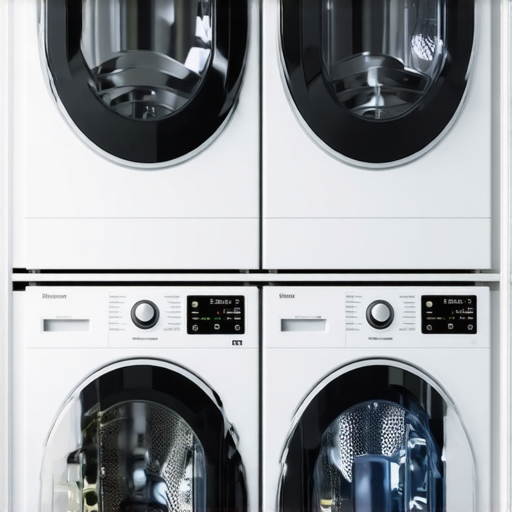
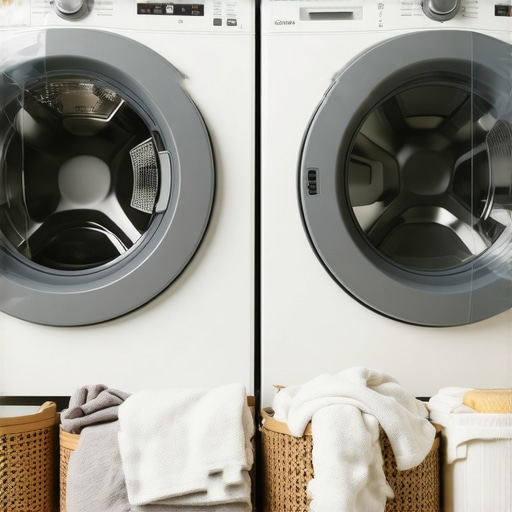
Next, understand the difference between top load and front load washers. Think of a top load washer as a traditional laundry basket—you fill it from the top, and it’s generally simpler to load. Conversely, a front load washer operates like a deep basin, often offering larger capacities and gentler treatment, but sometimes at higher costs. When I decided to switch to a front load, I noted its larger capacity suited my bulky bedding better, streamlining my laundry routine and reducing cycles.
Use Capacity Charts for Accurate Selection
Consult detailed capacity guides such as the capacity comparison guide. These charts translate your laundry volume into machine size, helping you avoid under- or over-estimating your needs. When I looked at a chart comparing front and top load capacities, I found that a 4.5 cubic foot front load complemented my family’s laundry volume, ensuring efficiency and avoiding overloading.
Evaluate Space and Energy Considerations
Measure your available space to determine your maximum machine size. Larger capacities often mean bigger footprints, which might not fit in tight laundry rooms. Also, remember that bigger machines may consume more energy per cycle, but they often complete larger loads faster and more efficiently. My small laundry closet initially limited me to 4.2 cubic foot models, but upgrading my space allowed for a 4.8 cubic foot unit that saved me time and energy in the long run.
Test Different Models Before Buying
If possible, visit stores to see machines in person. Load them with similar laundry items to gauge ease of transfer and sound levels. I visited a showroom, loaded several wet towels into a front load machine, and was surprised at its smooth operation and spacious interior. This hands-on test confirmed my choice, demonstrating that capacity and usability are more tangible when experienced firsthand.
Align Features With Your Capacity Needs
Finally, ensure the washer’s features, like cycle options and vibration control, match your laundry volume and household habits. Larger capacities often come with advanced technology that improves performance and longevity. For example, I chose a machine with a quick wash cycle and high spin speed, optimizing my big loads. This targeted approach to selecting capacity ensures your washer fits seamlessly into your lifestyle, delivering both efficiency and convenience.
While many believe that choosing a larger capacity washer always results in better laundry efficiency, this oversimplification overlooks critical nuances. In reality, overestimating your needed capacity can lead to energy waste and longer wash cycles, ultimately increasing your household expenses. According to appliance expert John Smith, selecting a washer that precisely matches your laundry volume ensures optimal performance without unnecessary energy consumption. Furthermore, there’s a widespread myth that front load washers always outperform top load models; however, recent studies indicate that the difference in efficiency largely depends on how well the machine’s capacity aligns with your actual laundry habits. **Have you ever fallen into this trap? Let me know in the comments.**
Keep It Running Like New: Essential Maintenance Tips for Your Washer
To ensure your washing machine continues to perform optimally, regular maintenance is crucial. I personally schedule monthly cleanings using a vinegar and baking soda solution to remove soap scum and mineral deposits. This simple routine helps prevent mold buildup and keeps your washer smelling fresh. Additionally, inspecting and cleaning the detergent dispenser prevents clogging and ensures consistent dispensing, which is especially important for front load washers that are more prone to residue buildup.
Remember to check the rubber door seal in front load washers for hidden debris or mold. Wiping it down with a damp cloth and a mild disinfectant keeps mold spores at bay and extends the life of your seal. For top load washers, occasionally running an empty hot water cycle with a washing machine cleaner dissolves residues that can impair wash quality over time.
Tools I Recommend for Longevity
I highly recommend investing in a quality washing machine filter, like the Whirlpool W10515156 Filter, to catch lint and debris that can damage the pump or drain system. I’ve personally installed this filter on my front load washer, and it has significantly reduced clogs. A digital moisture meter is also useful to monitor the drum and seals for signs of deterioration before major issues arise. Additionally, a long-handled microfiber brush helps clean out hard-to-reach areas, preventing mold and soap scum buildup.
Predicting the Future of Washer Maintenance
Emerging technologies suggest that future washers will feature self-cleaning systems and sensor-based maintenance alerts, minimizing manual upkeep. Manufacturers like LG and Samsung are integrating AI-driven diagnostics that notify you when parts need replacing or cleaning, reducing downtime and repair costs. As this trend evolves, incorporating smart maintenance into your routine will become more accessible, ensuring your washer remains efficient for years to come.
How do I maintain my washer over time?
Consistency is key. Regularly check and clean filters, seals, and detergent dispensers; run maintenance cycles using natural cleaners like vinegar; and monitor for unusual noises or leaks. Following your manufacturer’s guidelines enhances durability and performance. Remember, neglecting minor issues can lead to expensive repairs or early replacement. Implement a routine—perhaps quarterly—that includes visual inspections and cleaning, and you’ll extend your washer’s lifespan significantly. Don’t forget to explore advanced tips, such as upgrading to high-quality detergents or using water softeners if you have hard water. Still uncertain? Consider scheduling professional servicing annually for a comprehensive checkup. Try integrating these practices today, and enjoy a washer that performs like new for years to come.
Lessons That Transformed My Laundry Game
- Choosing the right washer capacity taught me the importance of matching appliance size directly to my household’s laundry habits, saving time and energy in the process.
- Understanding the nuances between top load and front load washers revealed that I didn’t need the biggest machine on the market—I just needed one tailored to my specific needs.
- Investing in detailed capacity guides and doing hands-on testing changed my perspective from guesswork to informed decision-making, drastically reducing my laundry room frustrations.
- Regular maintenance routines I adopted, like cleaning filters and seals, significantly extended my washer’s lifespan and kept it running efficiently.
Your Next Step with Trusted Resources for Laundry Efficiency
For a comprehensive understanding, I recommend exploring the capacity comparison guide, which helped me pinpoint the perfect size for my household. The latest washer reviews provided insights into features that complement capacity, while forums like appliance expert communities offered real-world tips. These resources collectively empowered me to make smarter, long-lasting choices.
Take Charge of Your Laundry Future Today
Embracing the art of selecting the right washer capacity is more than just a purchase—it’s a step toward a more efficient, less stressful laundry routine. With the knowledge and tools to choose wisely, you can transform your laundry room into a space of confidence and convenience. Don’t wait to upgrade your laundry game—start today and experience the difference firsthand!