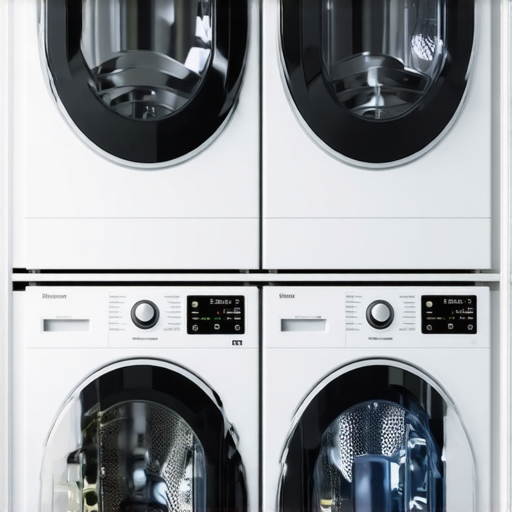
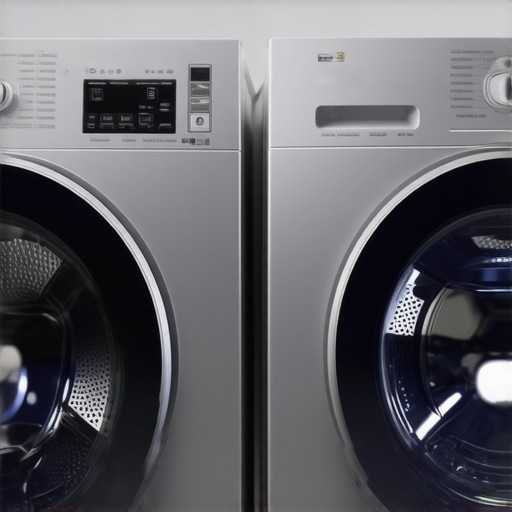
Ever stood in front of your laundry room, staring at two seemingly identical machines, feeling completely overwhelmed? That was me a few months ago. I was frustrated. My old washer was breaking down, and I needed a new one fast. But when I started researching, I realized there’s a whole world of differences between top load and front load washers. The decision wasn’t just about choosing a brand or a price; it was about finding the right fit for my laundry needs, space, and lifestyle. Honestly, I felt like I was throwing darts blindfolded.
Why Choosing the Right Washer Matters More Than Ever
In 2025, the laundry appliance market is more competitive and innovative than ever. With so many options, it’s easy to get lost in features, capacity, and energy ratings. But here’s the thing: the right washer can save you time, money, and frustration in the long run. For example, a study from the U.S. Department of Energy found that choosing an efficient washer can cut energy costs by up to 30%. That’s serious savings, especially when you consider how often we do laundry.
Many homeowners face a common dilemma: should they opt for the traditional top load, which feels familiar and quick, or invest in a front load, known for its efficiency and gentle cleaning? I’ll admit, I made a costly mistake early on—buying a top load without considering my small laundry space and high water bills. It seemed like a good idea at the time, but the reality was… less than ideal. That’s why I want to help you avoid the same pitfalls.
What We Will Cover Today
In this post, I’ll walk you through the essential differences between top load and front load washers. We’ll explore their advantages, disadvantages, and what to consider based on your unique needs. Whether you’re after space-saving options, energy efficiency, or faster cycles, I’ve got you covered. By the end, you’ll have a clear idea of which laundry solution is perfect for you in 2025. Ready to dive in? Let’s get started!
Understanding the Basics of Top Load and Front Load Washers
Assess Your Laundry Space and Capacity Needs
Start by measuring your laundry area to determine the maximum size of the washer that can fit comfortably. Consider your typical laundry load size—do you wash small loads daily or larger ones weekly? For small spaces, compact front load washers or top load models with smaller capacity might be ideal. If you have a large family, prioritize models with higher capacity to avoid multiple cycles, which save water and energy. I learned this the hard way when I bought a small washer without considering my family’s needs, leading to more laundry trips. To find the right capacity, check the capacity tips and select a model that matches your typical laundry volume.
Identify Your Key Features and Efficiency Goals
Next, list your must-have features. Do you need quick cycles, energy efficiency, or specific wash options? For example, if saving water and electricity is a priority, look for high-efficiency front load washers or top load models with advanced eco modes. I once tested a model with a quick wash cycle for daily small loads, which saved me hours each week. Be sure to compare models’ features, such as steam cleaning, Wi-Fi connectivity, and noise levels, through detailed reviews or manufacturer specs.
Evaluate Your Budget and Long-Term Savings
Set a realistic budget that balances upfront costs with long-term savings. Invest in a machine with high energy and water ratings—these might cost more initially but will save you money over time. For example, I opted for a front load washer with an Energy Star certification, which reduced my utility bills significantly. Check the energy efficiency ratings and warranty details to ensure you’re making a wise investment.
Compare Models and Read User Feedback
Now that you have a shortlist, compare models side by side. Use comparison tools or guides like this comparison guide to evaluate performance, features, and prices. Don’t forget to read user reviews; real-world experiences reveal issues like durability or noise that specs might miss. I once bought a model based only on specs, only to find it was noisier than advertised, so I returned it and chose a quieter alternative.
Test and Verify Before Purchase
If possible, visit a showroom to see the models in person. Test the machines’ loading and unloading ease, sound levels, and cycle options. For online purchases, verify return policies and warranty terms. I visited a local store and tested a few front load washers, which helped me decide on a model that’s easy to load and operate, preventing future frustration.
Final Decision and Installation Planning
Once you’ve selected the ideal washer, plan for proper installation—consider plumbing, electrical needs, and space clearance. Proper setup ensures your machine operates efficiently and lasts longer. I made the mistake of ignoring space clearance, which caused vibrations and noise, so I now measure clearance and plan accordingly.
Many homeowners operate under misconceptions about their laundry machines, often leading to costly mistakes. Let’s dig deeper into what most people get wrong about top load and front load washers, and uncover some hidden nuances that can make a significant difference in your decision-making process.
Myth: All high-efficiency washers are equally energy-efficient
While many assume that all high-efficiency washers automatically save energy, the reality is more nuanced. The efficiency of a washer depends heavily on its design, load capacity, and cycle options. For example, some front load models come with eco-friendly cycles that optimize water and electricity usage, but not all do. Conversely, some top load washers may have high efficiency in terms of water conservation but fall short on energy savings due to longer cycle times. According to a study by the American Council for an Energy-Efficient Economy, choosing a model with the right certifications (like Energy Star) and understanding its specific features is key to truly saving energy.
Trap to Avoid: Overlooking Maintenance and Durability
One common mistake is focusing solely on initial costs and features, neglecting the long-term maintenance. Front load washers, while generally more efficient, require regular gasket cleaning and drum maintenance to prevent mold and odors. Top loads tend to be more forgiving in this regard but can suffer from issues like agitator wear. Ignoring these factors can lead to unexpected repair costs, negating the benefits of initial savings. A review of user feedback on performance reviews can reveal common durability issues, helping you choose a more reliable model.
Why the Capacity and Cycle Customization Matters
Many assume that bigger is always better when it comes to capacity, but this can be a trap. Overestimating your needs leads to underutilized capacity, wasting water and energy. Conversely, underestimating makes you run multiple cycles, which also increases costs. Advanced models allow for cycle customization, balancing water use and cleaning power. For instance, a small family might benefit from a washer with adjustable load sensors, which optimize resource use without sacrificing cleaning quality. This nuance is often overlooked, but it makes a significant difference in the long run. Check out capacity tips for more insights.
Advanced Reader Question: How do wash cycle types influence long-term appliance performance?
Different cycle types, such as steam cleaning or quick wash, are often marketed as luxury features, but they can also impact the longevity of your washer. Frequent use of high-intensity cycles may accelerate wear and tear, especially in models with complex electronics. Conversely, selecting cycles that match your laundry needs—like delicate or eco modes—can extend your machine’s lifespan. According to an expert review, understanding cycle nuances helps in choosing a model that balances performance and durability. Remember, the most advanced cycles are only beneficial if used appropriately, not as a default for all loads.
Have you ever fallen into this trap? Let me know in the comments. Being aware of these hidden nuances ensures you make smarter, more sustainable choices for your laundry needs.
How do I maintain my washer over time?
Maintaining your washing machine is crucial for keeping it running smoothly and prolonging its lifespan. I personally rely on a combination of routine cleaning, specific tools, and software monitoring to stay ahead of potential issues. Regular maintenance not only prevents breakdowns but also ensures your washer operates at peak efficiency, saving you money and frustration in the long run.
One tool I highly recommend is a microfiber cloth and a gentle cleaning solution for wiping down the door gasket, drum, and detergent dispensers monthly. This simple step prevents mold buildup and odors that can develop with regular use. For more stubborn residues, a soft-bristled brush comes in handy—especially around the gasket edges where dirt tends to accumulate. This routine has helped me avoid costly repairs and maintain fresh-smelling laundry.
Another essential is a dedicated filter brush or vacuum attachment to clean out the lint and debris from the machine’s filter or drainage system periodically. Many models have removable filters, and I check mine every few months using a small brush to clear out lint and hair, which can clog the drainage and reduce efficiency. Regular cleaning of these parts prevents leaks and mechanical strain.
For electronic monitoring and troubleshooting, I use a Wi-Fi-enabled diagnostic app provided by some smart washer brands. These apps can alert you to issues like imbalance or sensor errors before they escalate. I’ve found this feature invaluable—it allows me to schedule maintenance or call a technician proactively, rather than waiting for a breakdown.
Looking ahead, I believe the trend is moving toward integrated self-diagnostic systems that can automatically schedule maintenance or even order replacement parts. This will make appliance upkeep even more straightforward, reducing downtime and repair costs. Investing in a model with such features is a smart move if you want a low-maintenance laundry setup.
Why investing in quality maintenance tools pays off
High-quality tools like a durable microfiber cloth, a soft brush, and a reliable drain cleaner are worth every penny. They ensure thorough cleaning and reduce the risk of damage. For instance, using a specialized gasket cleaning brush can prevent mold growth and extend the life of your washer’s seals. Additionally, maintaining the electronics with manufacturer-approved cleaning products helps prevent corrosion and sensor failures.
If you want to keep your washer in excellent condition, I suggest setting a quarterly maintenance schedule. This includes cleaning the drum, checking the filters, inspecting hoses for cracks or leaks, and updating any firmware via manufacturer apps. Staying proactive with these steps will ensure your laundry machine remains efficient and reliable for years to come.
Try incorporating these maintenance practices and tools into your routine. It’s a small investment of time that results in significantly fewer repairs and a longer lifespan for your appliances. For detailed guidance tailored to your specific model, consult your user manual or visit trusted appliance review sites like this resource. Keep your washer running like new, and enjoy hassle-free laundry days!
The Hardest Lesson I Learned About Laundry Machines
One of the most eye-opening lessons I encountered was realizing that not all high-efficiency washers are created equal. Initially, I believed that choosing a model with an Energy Star label would automatically guarantee savings. However, I found out that design, load capacity, and cycle options play crucial roles in actual efficiency. This realization pushed me to dig deeper and understand the nuances beyond labels.
3 Myths About Washing Machine Capacity That Held Me Back
I used to think bigger capacity always meant better. It turns out, overestimating your needs can lead to wasted water and energy. Conversely, too small a capacity requires multiple cycles, increasing costs. Finding the right balance—especially with models offering cycle customization—has been a game-changer in optimizing laundry routines and saving resources.
What Experts Won’t Tell You About Washer Maintenance
Many overlook the importance of regular maintenance. I learned that front load washers, while efficient, demand gasket cleaning and drum care to prevent mold and odors. Top load washers tend to be more forgiving but can suffer from agitator wear. Regularly cleaning filters and inspecting hoses can extend your machine’s lifespan significantly, saving you from costly repairs down the line.
My Essential Toolkit for Laundry Efficiency
Over time, I curated a set of trusted tools that keep my washer in top shape. A microfiber cloth, soft brushes for gaskets, and a drain cleaner have become staples in my laundry routine. These simple tools, combined with routine maintenance, ensure my washer remains efficient and durable. For detailed guidance, I often consult resources like this comprehensive guide.
Your Turn to Embrace the Laundry Journey
Choosing between a top load and front load washer isn’t just about features; it’s about understanding your needs and making informed decisions. With the right knowledge, you can turn laundry from a chore into a satisfying routine. Remember, the best washer for you in 2025 is the one that fits your space, budget, and lifestyle, while offering the durability and efficiency you deserve.
Have you ever struggled with deciding which washer type suits your needs best? Let me know below, and share your experiences or questions!
This post hits on some key points that many overlook when choosing a washer. I’ve found that cycle customization, especially in front load models, really helps in reducing wear and tear over time. In my experience, using eco-friendly cycles and avoiding harsh washes unless necessary has made a noticeable difference in maintaining my machine’s performance. I also agree that routine maintenance, like cleaning the gasket and running a monthly cleaning cycle with vinegar or a commercial cleaner, can prevent mold and odors, saving money in repairs down the line.
What’s everyone’s take on the balance between technology and manual care? Do smart washers with diagnostic apps really make maintenance easier, or do they sometimes complicate things? I’d love to hear some real-world insights, especially from those who’ve relied heavily on these features.
I really appreciated this detailed post, especially the emphasis on cycle customization and routine maintenance. When I switched to a front load washer, I learned quickly that neglecting regular gasket cleaning and not using the right cycles could lead to mold and odors, which was frustrating. Since incorporating monthly maintenance and natural cleaning solutions like vinegar, I’ve noticed my machine stays fresher longer and operates more smoothly. The point about smart washers with diagnostic apps is interesting—I’ve been using one for a while, and I find that it does send helpful alerts, but I still rely on manual checks for things like gasket cleanliness.
A question I have is: do you think there’s a point where relying too much on tech tools might lead us to overlook simple, essential maintenance steps? How do others strike a balance between automation and manual upkeep? Would love to hear your thoughts or tips on keeping these appliances in top shape long-term.
This post really hits close to home for me. Ever since I started paying attention to my washer’s maintenance routine, I’ve noticed a marked difference in its performance. Regular gasket cleaning and running a monthly maintenance cycle have helped prevent mold and odors—especially important in our humid climate. I also use a vinegar and baking soda solution to keep the drum fresh, which is much cheaper and eco-friendlier than commercial products. I’m curious, though, how many others have noticed a real difference with natural cleaning methods? Do you think they are as effective as store-bought cleaners?
Also, with the rise of smart washers and diagnostic apps, I wonder how much value people really get from these features. Do they help catch issues early enough to prevent expensive repairs, or do they sometimes give false alarms? I’d love to hear some success stories or advice from folks who rely on these tech tools to maintain their machines. In my experience, manual upkeep has worked perfectly, but I’m open to exploring new options.
This post really opened my eyes to how much regular maintenance can extend the life of a washing machine, especially with front loaders. I’ve always been a bit lax about cleaning the gasket and running maintenance cycles, but after reading this, I realize that those small steps can prevent mold buildup and odors, saving me from costly repairs down the line. I’ve started using vinegar in my cleaning routine, and it seems to do wonders for keeping everything fresh without harsh chemicals. Has anyone found that natural cleaning methods are equally effective in preventing issues like mold, especially in humid environments? Also, I’m curious—do other homeowners rely heavily on smart diagnostic tools, or do they prefer manual upkeep? I’d love to hear what’s worked best for others in maintaining their appliances efficiently.