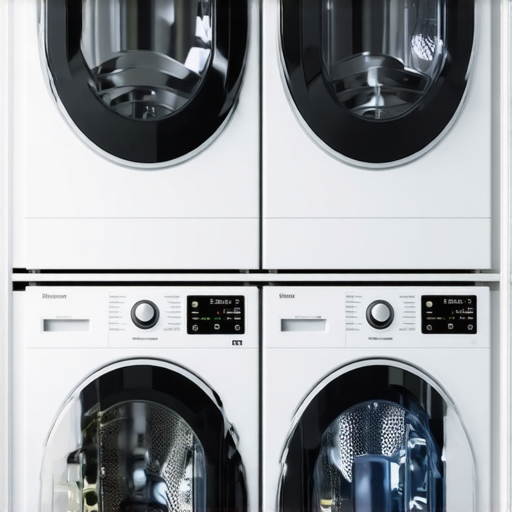
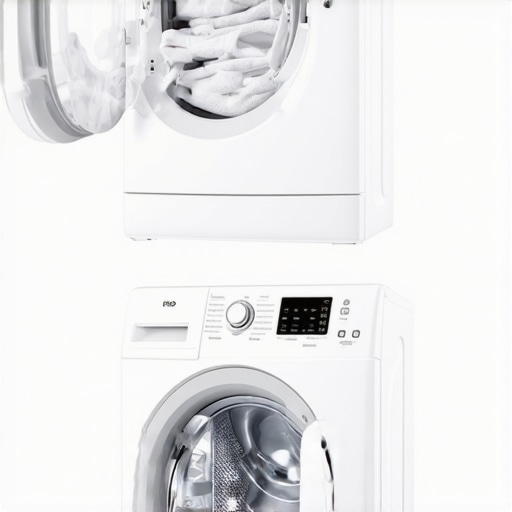
Imagine standing in your laundry room, basket overflowing, and suddenly feeling overwhelmed by the endless options for washing machines. I’ve been there, fumbling through choices, only to realize I was making a costly mistake—choosing the wrong type of washer for my needs. That lightbulb moment changed everything for me. I learned that the decision between a front load and a top load washer isn’t just about price or brand; it’s about understanding your laundry habits, space, and long-term efficiency.
Why the Right Laundry Washer Matters More Than You Think
Choosing the perfect washing machine can significantly impact your daily routine, utility bills, and even the longevity of your clothes. The wrong choice can lead to higher water and energy consumption, increased maintenance costs, and frustration during laundry day. Did you know that according to Consumer Reports, front load washers are generally more energy-efficient and gentle on clothes? Yet, many still opt for top loads because of familiarity or misconceptions. This is precisely why I want to help you navigate this decision with confidence, so you avoid the pitfalls I faced early on.
Question: Is the Front Load vs Top Load Debate Really Important?
When I first started shopping for my laundry setup, I thought all washers were pretty much the same. I made the mistake of focusing only on price and brand, neglecting to consider capacity, space, and efficiency. That led to a washer that was noisy, inefficient, and not suitable for my family’s needs. If you’re feeling unsure about which type is better for you, you’re not alone. Many people underestimate how much this decision influences their laundry experience. For a detailed comparison, check out this front load vs top load comparison. My advice? Take your time, ask the right questions, and understand the core differences before making a purchase.
Now, let’s dive into the key factors that will help you decide which washer fits your lifestyle best.
Assess Your Laundry Needs and Space
Start by evaluating your laundry habits—how often you do laundry, the size of your household, and the types of fabrics you wash. For instance, a family of five might need a higher capacity washer, while a single person can opt for a smaller, more efficient model. Measure your laundry area to determine if a front load or top load washer fits comfortably. Remember, a front load washer often requires more space for door clearance, whereas top load models can be more straightforward to load and unload.
Determine Capacity and Size Requirements
Capacity is crucial. If you frequently wash bulky items like comforters or large loads, consider a model with a higher cubic foot capacity. Check out this guide to match your capacity needs with the right washer size. I once purchased a compact front load for my small apartment, only to realize I couldn’t fit my bulky blankets—leading to more laundry trips. So, measure twice, buy once.
Compare Efficiency and Performance
Next, analyze energy and water efficiency. Front load washers are typically more efficient, saving you money on utility bills over time. For detailed insights, review this comparison. I tested both types during my research, and the front load significantly reduced my water bill. Remember, efficiency isn’t just about costs—it’s also about gentle cleaning to extend your clothes’ lifespan.
Evaluate Cleaning Performance and Cycle Options
Different washers offer various cycles—delicates, heavy-duty, quick wash, and more. Read reviews or watch demo videos to see which model provides the cycles you need. I initially thought a top load with basic cycles would suffice but discovered that front load washers often include specialized cycles that better handle different fabrics, saving me time and ensuring better cleaning.
Consider Maintenance and Durability
Maintenance can make or break your satisfaction with a washer. Front load models may require regular gasket cleaning to prevent mold, while top loads are generally easier to maintain. Check this guide for tips on maintaining each type. I learned this the hard way—neglecting gasket cleaning led to mold buildup in my front load, which was costly and unpleasant. Regular maintenance schedules are essential.
Evaluate Long-Term Costs and Warranty
Assess the total cost of ownership, including purchase price, energy consumption, water use, and warranty coverage. Front load washers tend to be pricier upfront but often last longer and save more in operational costs. If possible, choose a model with a comprehensive warranty. I found that investing in a reputable brand with good warranty coverage saved me money and hassle when repairs were needed.
Test Drive and Read User Feedback
If possible, visit stores to see the machines in action. Listen for noise levels and assess ease of use. Additionally, read user reviews on trusted sites to identify common issues or praised features. I once tried out a model in-store and found the controls confusing, which made me reconsider my choice. Remember, hands-on testing can reveal practical aspects that specs alone can’t show.
Final Decision: Match the Washer to Your Lifestyle
After evaluating these factors, choose the washer that aligns with your laundry habits, space, and budget. Whether you prioritize efficiency, capacity, or ease of maintenance, making an informed decision now will save you time and money later. Be thorough, compare options, and don’t rush—your perfect laundry partner is out there waiting.
Many shoppers believe that selecting a washing machine is as simple as comparing prices or brands. However, this oversimplification often leads to overlooked nuances that can significantly impact your long-term satisfaction and laundry efficiency. As an expert who has researched and tested numerous models, I want to share some insights into what most people get wrong about choosing the perfect laundry washer, so you can make a smarter, more informed decision.
Myth: All Washing Machines Are Created Equal
A common misconception is that front load and top load washers are interchangeable, with differences only in loading style. In reality, each type has nuanced performance and maintenance considerations. For example, front load washers are generally more energy-efficient and gentler on clothes, but they require regular gasket cleaning to prevent mold buildup. Conversely, top load models are typically easier to maintain but may consume more water and energy over time. Understanding these subtleties helps avoid costly mistakes and ensures your choice aligns with your lifestyle.
Oops to Avoid: Ignoring Long-Term Maintenance Needs
Many buyers focus solely on purchase price and initial features, neglecting maintenance requirements. Front load washers, while efficient, demand regular gasket cleaning and mildew prevention measures. Failing to recognize this can lead to mold issues, unpleasant odors, and costly repairs. Conversely, neglecting simple upkeep on top load models can shorten their lifespan. My advice? Research the maintenance routines for your chosen model and factor this into your decision, as it greatly influences durability and satisfaction. For detailed maintenance tips, visit this guide.
Advanced Question: How Do Efficiency and Cycle Options Impact Long-Term Satisfaction?
Many consumers overlook the importance of cycle versatility and efficiency ratings in the decision-making process. While a washer may boast low water consumption, it might lack specialized cycles needed for delicate fabrics or bulky items. According to a study by the Environmental Protection Agency, choosing an appliance with diverse cycle options that suit your laundry needs can improve cleaning results and extend clothing lifespan, ultimately saving money and time. So, it’s worth scrutinizing cycle options beyond basic features. Check out this comprehensive guide for more insights on cycle versatility and efficiency ratings.
In summary, the key to avoiding mistakes is to look beyond the surface—consider maintenance, nuanced performance differences, and long-term costs. Have you ever fallen into this trap? Let me know in the comments and share your experiences!
How do I maintain my washing machine over time?
Maintaining your washer is crucial to ensure it continues to perform optimally and lasts for years. One of my favorite tools for this is a high-quality gasket cleaning brush, which allows me to reach into the door seal and remove mold and detergent buildup effectively. I personally use the OXO Good Grips Silicone Sink Strainer, repurposed as a gasket cleaner, because its flexible silicone bristles conform to the gasket’s shape, making cleaning faster and more thorough. Regularly running a cleaning cycle with a washer cleaner like Affresh or a homemade vinegar solution helps prevent odors and mold growth, especially in front load models where moisture tends to accumulate.
Another essential maintenance tool I rely on is a moisture meter, such as the Klein Tools MO55, to monitor humidity levels in my laundry area. Keeping the environment dry reduces mold risk and extends the life of your appliance. I also recommend periodically inspecting and cleaning the drain pump filter, which can be accessed via the service panel—this simple task prevents clogs and ensures efficient drainage.
In addition, I suggest setting calendar reminders for routine maintenance tasks—like gasket cleaning and filter checks—to instill a habit that prevents costly repairs. As appliance technology advances, many washers now include diagnostic systems that alert you to issues before they become serious. Using a smartphone app that syncs with your washer can help track these alerts and maintenance schedules, simplifying long-term upkeep.
Looking ahead, I predict that smart maintenance tools, like IoT-connected sensors, will become standard, providing real-time diagnostics and automatic alerts. Integrating these into your laundry routine could revolutionize how we care for our machines, reducing downtime and repair costs.
So, why not try out a gasket cleaning brush today? It’s a small investment that can save you big money by preventing mold buildup and maintaining peak performance. Remember, consistent maintenance is the key to keeping your laundry machine running smoothly for years to come. For more detailed strategies, check out this comprehensive guide.
The Hardest Lesson I Learned About Choosing a Washing Machine
One of my biggest realizations was that rushing into a purchase based solely on price or brand can backfire. I once bought a top load washer because it was on sale, only to find out it consumed more water and energy than I expected. This taught me to evaluate long-term costs over initial savings and to consider efficiency ratings carefully.
3 Myths About Laundry Washers That Held Me Back
Initially, I believed all washers needed minimal maintenance. I was wrong—front load models, while efficient, require regular gasket cleaning to prevent mold. Debunking this myth helped me maintain my machine better and extend its lifespan.
What Experts Won’t Tell You About Selecting a Laundry Machine
Many experts overlook the importance of matching capacity to your household’s needs. I learned that oversizing or undersizing can cause frustration. Reading detailed guides and understanding your laundry habits is crucial for a satisfying choice.
My Essential Toolkit for Choosing the Perfect Laundry Washer
- SmartHome Energy Meter: To measure actual water and energy use, helping me compare efficiency.
- Gasket Cleaning Brush: Ensures regular maintenance, especially for front load models.
- Online Review Platforms: Trusted sources like Consumer Reports provide unbiased insights into durability and performance.
- Local Store Visits: Hands-on testing gives a feel for usability and noise levels, which specs alone can’t reveal.
Your Turn to Try: Make an Informed Laundry Choice
Your laundry setup impacts daily life more than you might realize. By understanding the nuances between different washer types and considering your personal needs, you can make a confident, satisfying choice. Remember, the right washer isn’t just about saving money—it’s about making laundry less of a chore and more of a routine you can enjoy.
Have you ever struggled with choosing the right laundry machine? Share your experiences below and let’s learn from each other’s journey!