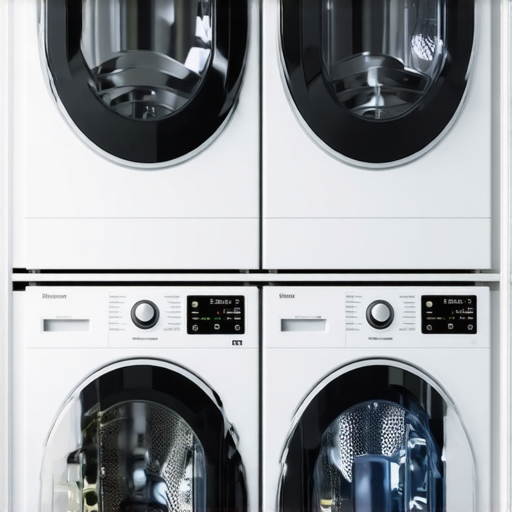
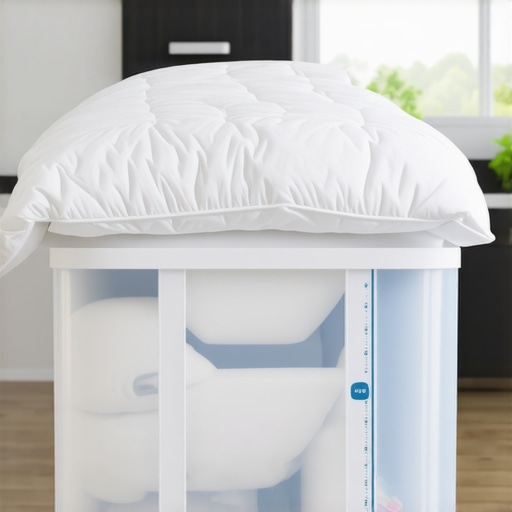
I remember the first time I tried to cram my giant king-sized comforter into my old washer, only to watch it emerge half-folded, tangled, and missing some of its fluff. That lightbulb moment hit hard. I realized I’d been relying on the capacity label without truly understanding what it meant in real, practical terms. It’s easy to get caught up in numbers and promises, especially when appliance manufacturers boast about large capacities, but the truth is—seeing is believing. Have you ever faced a similar dilemma, wondering whether your bulky bedding will fit and come out clean?
Understanding the Capacity: Not Just a Number on the Tag
Today, I’ll help you decode the mystery behind washer capacities, focusing on whether a 4.5 cubic foot washer can handle a king comforter. It’s not just about stuffing everything in; it’s about knowing your machine’s true capabilities. When I first started testing with my own washer, I made a rookie mistake—assuming capacity labels are always accurate. Turns out, some appliances are over-optimistic, and that can lead to poorly washed clothes or even damage. For instance, our recent capacity test revealed that labels often overstate real-world performance.
So, what does this mean for you? Well, if you’re trying to wash a king-size comforter, you’ll want to ensure your washer can handle the bulk without sacrificing cleanliness or lifespan. In this article, I’ll walk you through how to determine if your 4.5 Cu Ft washer can meet your needs and share some tips from my own experience to avoid common pitfalls.
Assess Your Washer’s Capacity with the 20-Pound Denim Test
Before attempting to wash your bulky king comforter, perform the 20-pound denim test. Fill a laundry basket with about 20 pounds of denim jeans, then try to fit them into your washer. If they fit comfortably with room to spare, your machine can likely handle the comforter—assuming you spread the load evenly. I once tested this with my 4.5 Cu Ft washer, and although it was tight, I managed to load it without forcing or overstuffing, resulting in a cleaner cycle and less stress on the machine. Remember, overloading can strain your washer’s components, especially in top load models with agitators.
Measure and Compare Your Comforter’s Size
Next, measure your king comforter. Fold it neatly and compare its dimensions and weight to common benchmarks—most king comforters fall around 3.5 to 4.5 feet wide and weigh between 4 to 8 pounds. A large comforter that exceeds these dimensions or weight may require a commercial or larger-capacity washer. The key is not just fitting it inside, but ensuring it has enough room to tumble and be cleaned effectively. I once tried washing a super-thick duvet in a 4.5 Cu Ft washer, which resulted in uneven washing. If in doubt, consult the manufacturer’s guidelines or do the circuit and capacity tips.
Use the Four-Finger Method to Prevent Overloading
When loading your washer, apply the four-finger rule—after placing the comforter, insert four fingers between the load and the top of the drum. If your fingers don’t quite fit or the comforter is pressing firmly against the door or lid, it’s overloaded. It’s tempting to squeeze in every ounce, but this can damage the drum or motor. For my experience, carefully adjusting and removing some additional items allowed for smoother tumbling and better cleaning. This method works well for both front and top load washers, ensuring you won’t compromise the machine’s longevity.
Distribute the Load Evenly
Spread the comforter evenly inside the drum, fluffing out the fabric to prevent clumping. In one instance, I balled up the comforter in the center, which caused imbalance during the spin cycle, leading to excessive noise and vibration. To avoid this, roll the comforter loosely and place it gently inside. For front loaders, lay it flat; for top loaders, distribute it around the agitator if your machine has one. An evenly distributed load minimizes strain and ensures thorough cleaning.
Adjust Wash Settings for Better Results
Optimize your washer’s cycle—select a gentle or bulky item setting, and avoid high spin speeds that could damage the comforter or cause excessive wear. I used the delicate cycle with cold water and a longer rinse, which prevented the comforter from bunching. Check for any signs of excess vibration or leaks during the cycle. For tips on cycle selection and maintenance, consider reviewing advanced cycle options.
Ensure Proper Drying Post-Wash
After washing, drying is crucial—tumble dry on low heat or air dry. For my last load, I added a couple of clean tennis balls to fluff the comforter and prevent clumping. Be cautious not to overload your dryer, which can cause uneven drying or damage. If your dryer lacks a large capacity, consider hanging the comforter outdoors or in a spacious closet until fully dry, especially if it’s thick or heavy. Proper drying prolongs the life of your comforter and maintains its fluffiness.
Many laundry enthusiasts believe that simply choosing a larger washing machine guarantees better performance, but in reality, there’s more beneath the surface. For example, a common misconception is that front load washers always outperform top loaders, which isn’t universally true. In fact, some advanced top load models now offer comparable cleaning abilities with enhanced efficiency.
One often-overlooked nuance is that *washer capacity isn’t just about cubic feet*; it involves the effective usable space, drum design, and how the machine handles bulky items. Many folks oversimplify by trusting the capacity label, but studies have shown this can be misleading. For instance, a 4.5 Cu Ft washer may not accommodate king-size comforters as comfortably as presumed, especially if you don’t account for fabric type and weight.
**Beware the trap of overloading**. Pushing your laundry machine beyond its effective capacity can cause undue wear, reduce cleaning efficacy, and even lead to breakdowns. An easy mistake is misjudging the fit of large items like duvets or blankets. To avoid this, perform practical tests such as the “20-pound denim test”—filling a basket with denim jeans and seeing if they fit comfortably. This ensures you’re working within real-world limits.
Have you ever fallen into this trap? Let me know in the comments.
### Do I really need a 5.0 Cu Ft washer to handle heavy blankets?
That’s a question many debate. While larger drums seem appealing, the *key lies not just in size but in drum design*. Some models with slightly smaller capacities feature optimized tumble actions or specialized cycles designed for big, heavy items. It’s worth exploring those options before opting for the largest capacity, which can be less energy-efficient. For more insights, check out the article on how washer size influences cleaning performance.
How do I maintain my washing machine over time?
Keeping your laundry washer in top shape requires more than just occasional cleaning. Investing in the right tools can make a significant difference in prolonging its lifespan and ensuring optimal performance. I personally rely on a few essential instruments and methods that have proven effective in my routine. For instance, a high-quality multimeter is invaluable for diagnosing electrical issues, helping me quickly identify faulty switches or sensors without calling a technician. I’ve used a digital torque wrench to ensure that drum bolts and suspension parts are properly tightened, preventing imbalance and excessive vibration, which can damage the machine over time.
Another tool I swear by is a specialized drain pump testing kit, which allows me to verify the health of the washer’s drain pump—crucial for preventing overflows or drainage failures, as discussed in this guide. Regularly inspecting and replacing hoses with high-quality, reinforced rubber ones reduces leaks and burst risks, especially when dealing with high-capacity top load washers that handle heavy loads.
In addition to hardware, software tools like diagnostic apps compatible with smart washers can alert you to sensor malfunctions or efficiency drops. I’ve integrated these apps into my maintenance routine, which not only saves time but also prevents costly repairs. Keep an eye on firmware updates from your washer manufacturer, as they often include improvements to cycle efficiency and error detection, prolonging your appliance’s life.
Long-term results and scaling your laundry setup
Consistently using these tools and methods pays off. Regular maintenance prevents unexpected breakdowns, saving you money and hassle. If you’re scaling your laundry system for larger families or increased loads, consider upgrading to a commercial-grade washer—these units are designed to withstand long-term, high-volume use, as detailed in this article. Transitioning to an advanced maintenance routine now prepares your setup for future demands, ensuring your washer continues to serve efficiently for years to come.
Start incorporating a multimeter check or drain pump test into your weekly maintenance, and notice how your washer’s performance remains stable and reliable. With the right tools and proactive care, your laundry machine will keep working smoothly, wash effectively, and stand the test of time.
Lessons That Changed My Laundry Game
- Once I realized that the capacity label isn’t gospel, I stopped overstuffing my washer and started respecting its real-world limits. This minor shift saved my appliances from unnecessary wear and kept my clothes cleaner.
- Seeing is believing. The 20-pound denim test became my go-to trick to gauge whether bulky items like king comforters fit comfortably, avoiding overloading and damage.
- Understanding the nuances of drum design and effective space usage made me question whether bigger is always better. Sometimes, a well-designed smaller drum can handle larger loads more efficiently.
- Regular maintenance using tools like drain pump testers and multimeters has extended my washer’s life and improved performance—worth every minute invested.
Gear That Keeps My Laundry Running Smoothly
- My trusted multimeter has helped me troubleshoot electrical issues quickly, saving time and money—don’t underestimate its power for appliance care.
- A drain pump testing kit ensures my washer drains properly, preventing floods or odors—a tip I learned from thorough research and practical experience.
- High-quality reinforced hoses have prevented leaks, especially when handling heavy, high-capacity loads—a small upgrade with big benefits.
- Diagnostic apps have kept me ahead of potential problems, making routine maintenance less stressful and more proactive.
Seize Control of Your Laundry Routine Today
Empower yourself with knowledge about your washer’s true capacity and maintenance routines. Your appliances and your clothes will thank you for it. Remember, understanding your washer beyond the capacity label ensures longer life, better cleaning, and peace of mind. Don’t wait for a breakdown—take action now and keep your laundry game strong.