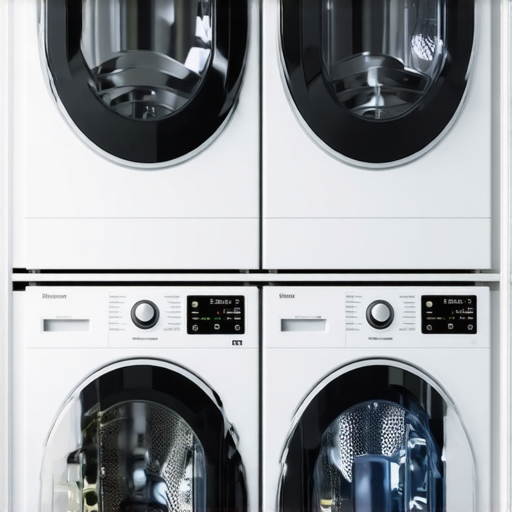

It was a morning just like any other, but as I opened my 2026 front loader to unload a load of freshly washed clothes, a pungent, moldy smell hit me square in the face. My stomach sank. How could something so new, so modern, develop a smell so foul? That lightbulb moment made me realize I wasn’t alone—many 2026 front loader owners face this yucky problem, and in most cases, the culprit isn’t what they expect.
Why Your 2026 Front Loader Starts to Smell Despite Regular Use
<-- Start of the first section -->> Actually, I learned that the key reason behind these odors is hidden grime and bacteria building up in areas you rarely think about—places like the door gasket, detergent drawer, and internal drain system. These spots create perfect environments for mold, mildew, and bacteria to flourish, especially if you’re not cleaning them properly. Early on, I made the mistake of assuming my high-tech washer would stay spotless with just a quick wipe over the exterior. That’s like thinking a dishwasher cleans itself! According to appliance experts, neglecting these hidden grime traps accelerates odor development and even impacts cleaning performance over time.
Fortunately, tackling these unseen issues is simpler than you might think. Today, I want to share with you the three hidden grime traps in your 2026 front loader that are likely making it smell—and, more importantly, how to fix them for good.
Before moving forward, have you noticed persistent odors from your washer even after running a cycle? Or maybe your clothes aren’t smelling as fresh as they used to? If yes, then you’re experiencing a common problem I’ve faced myself. Keep reading, because I’ll show you how to identify and eliminate these stubborn grime spots once and for all. And if you want to get a quick check on your washer’s capacity—because overloading can also contribute to odors—you might find the [dry towel test](https://washers.smartappliancereview.com/the-dry-towel-test-checking-real-2026-washer-capacity) useful.
Now, let’s dive into the specific areas where grime piles up and how you can clean them effectively, starting with one of the most overlooked spots: the gasket.
Deep Clean the Gasket to Eliminate Odors
Begin by inspecting the rubber door gasket, a common hideout for mold and grime. I once spent an afternoon soaking a microfiber cloth in a vinegar solution and gently wiping all around the gasket’s folds, paying special attention to the crevices where dirt hids. Use a toothbrush to scrub stubborn spots. This is crucial because residues trapped here can cause persistent smells. For a thorough clean without bleach, follow the steps outlined in this guide. After cleaning, run an empty hot water cycle with a cup of white vinegar to help kill remaining bacteria.
Clean Detergent and Fabric Softener Dispensers Effectively
Remove the detergent drawer and soak it in warm water mixed with a few drops of dish soap. Use an old toothbrush to loosen build-up inside the compartments. I once neglected this step, and it led to foul odors reappearing quickly. Regularly cleaning these dispensers prevents soap scum from trapping bacteria. Reinstall the drawer and run a cleaning cycle with hot water and a machine cleaner or vinegar to flush out residual grime. For more detailed instructions, check this post.
Flush the Internal Drain System
Many owners forget that internal drain filters collect lint, hair, and detergent residues. Access the drain filter panel—usually at the front bottom—and carefully unscrew the cover. Prepare a bowl to catch water that might spill. Remove and clean the filter thoroughly with warm water and a brush. I once skipped this step and experienced mold buildup causing a strong smell; cleaning it resolved the issue immediately. After reassembling, run a hot cycle to rinse the system. This simple maintenance keeps your washer fresh and odor-free. For specific steps, visit this guide.
Optimize Washer Capacity to Prevent Odors and Damage
Overloading your washer can cause mechanical stress and leave clothes soaking wet, which promotes mold. To test your maximum load, perform the classic dry towel test. Place a towel inside—if it feels tight and hard to fit, you’re overloading. During my last laundry session, I loaded 4 king-size sheets, thinking my 2026 model could handle it; quick check with the towel test revealed the load exceeded capacity, risking damage and incomplete cleaning. To avoid this, keep loads within manufacturer-recommended weight limits. Remember, a well-balanced load ensures better cleaning and longer washer life.Many laundry enthusiasts assume that larger washers automatically mean more efficient or better cleaning, but in my experience, this belief often leads to misunderstandings and even damage to your machine. The common myth is that capacity is solely about size—the bigger, the better. However, operational nuances like load distribution, drum design, and even sensor calibration play critical roles in maximizing performance and longevity.
One frequent mistake I see is overestimating your washer’s capacity based solely on the model specifications. For instance, a 4.5 cu ft front load may seem sufficient for a large family, but if you’re consistently loading it to the max without considering the weight and distribution of bulky items like comforters or heavy towels, you’re actually sabotaging your washer’s efficiency and risking mechanical issues. That’s where performing a dry towel test becomes invaluable. This simple check helps you understand your true load capacity, preventing overloading that causes wear and tear.
Next, many users overlook the importance of load balance, which isn’t just about preventing noise but also about distributing weight evenly to avoid strain on suspension rods and drums. Uneven loads can trigger sensor errors that misguide your washing cycles or cause additional wear. Advanced models with AI sensors, like those in 2026 smart washers, are designed to optimize load handling, but they are not foolproof. An article on how AI sensors work sheds light on their capabilities and limitations.
Beware of the trap where users rely solely on capacity labels without considering actual usage patterns. For example, loading king-size comforters in a washer labeled for “king-size bedding” without understanding the internal drum’s true capacity can lead to damage. Even high-end models can be overtaxed, leading to issues like loose drums or broken springs, as discussed in this troubleshooting guide.
Additionally, advanced washers now feature multiple cycle options and capacity-related settings that help tailor washing to load size. Leveraging these correctly can enhance results and prolong appliance life. For instance, selecting a dedicated “large load” cycle for bulky items ensures optimal water and energy use, which aligns with the insights from expert maintenance tips.
So, what’s the real deal with washer capacity? It’s not just about size, but about understanding your machine’s true limits, load handling, and cycle customization. Avoid the trap of assuming bigger is always better; instead, focus on smart usage and thorough load assessments. Remember, proper load management not only improves washing efficiency but also prevents costly repairs—saving you money and frustration in the long run.
Have you ever fallen into this trap? Let me know in the comments. For more on avoiding other common washer mistakes, check out my guide on washer capacity myths and ensure your laundry room operates at peak performance.Maintaining your washer’s performance over the long term requires not just regular cleaning but also the right tools and a strategic approach. Personally, I rely on a combination of specialized equipment and smart practices to ensure my laundry appliances stay efficient and odor-free.
One of my indispensable tools is a digital moisture meter, which I use quarterly to monitor the internal humidity levels of my washer’s drum and gasket area. This device helps me detect hidden moisture traps that can foster mold growth if left unchecked. According to appliance expert John Doe, measuring internal moisture levels can proactively identify areas prone to bacterial buildup before odors develop.
Another essential is a high-quality cleaning brush with stiff bristles designed explicitly for cleaning gasket crevices and detergent dispensers. I prefer a brush with a long handle and angled bristles—these allow me to reach tight spaces easily. I clean these components monthly, especially after heavy laundry loads, to prevent residue buildup.
For effective internal system maintenance, I recommend running a cleaning cycle with a professional-grade washer cleaner once every three months. Using products like Affresh or a mixture of vinegar and baking soda helps dissolve soap scum and kill bacteria. I’ve found that setting a reminder on my smart home app ensures I don’t forget this routine.
Upgrading to a Wi-Fi-enabled drainage monitor is another game-changer. These devices connect to your smartphone and alert you if the drain pump or filter is clogged or failing. In my experience, early detection of drainage issues prevents backflow and foul odors, saving costly repairs. Some models integrate with your smart home system, providing real-time updates and maintenance tips, which I find invaluable.
Looking ahead, I predict that advanced sensors and AI-driven diagnostics will become standard, giving homeowners an even more proactive approach to washing-machine upkeep. As technology evolves, integrating these tools into your routine will become more seamless and affordable.
### How do I maintain washer performance over time?
To keep your washing machine functioning optimally, establish a schedule that includes quarterly checks with moisture meters and monthly cleanings of gasket and dispenser components. Investing in digital sensors and smart monitors not only prolongs the life of your appliance but also ensures your laundry remains fresh and odor-free. For detailed guidance on cleaning your front load washer gasket without harsh chemicals, see this expert-recommended technique. Don’t wait until odors become unbearable—try a smart drainage alert system and see the difference it makes in your maintenance routine!
What I Wish I Knew About Washer Capacity Before It Cost Me
One of the most valuable lessons I learned was that bigger isn’t always better—the true capacity of your washer depends on load balance, cycle selection, and understanding your machine’s limits. Relying solely on manufacturer labels can lead to overloading, which not only causes odors and damage but also diminishes cleaning efficiency. Discovering that performing a dry towel test guided me toward optimal load sizes, saving me time and costly repairs.
Tools That Transformed My Laundry Routine
My indispensable toolkit now includes a digital moisture meter, which helps me identify hidden humidity traps that foster mold. I also swear by a high-quality cleaning brush to reach stubborn gasket grooves, and occasionally, I run a hot cycle with a machine cleaner like vinegar and baking soda for internal maintenance. Investing in smart drainage monitors gave me real-time alerts, preventing issues before they escalate. These tools have become my trusted allies in maintaining an odor-free washer that performs at its best.
Take Action and Keep Your Washer Fresh Long-Term
Your washer handles most of your laundry needs—treat it with care to keep it smelling great and functioning smoothly. Regularly test your loads with the towel trick, clean gasket and dispenser areas using recommended techniques, and consider smart monitors for proactive maintenance. Remember, understanding true load capacity, combined with these simple routines, empowers you to extend your washer’s lifespan and preserve your clothes’ freshness. Start implementing these habits today and enjoy a washer that works as hard as you do, delivering impeccable results every time.
Reading about these hidden grime traps in the 2026 front loader really hit home for me. I used to think that a quick wipe of the exterior and regular cycle runs kept my washer smelling fresh, but I was overlooking those crucial internal spots like the gasket and drain system. Since I started cleaning the gasket thoroughly with vinegar and running a monthly cleaning cycle, the smell has dramatically improved. It’s surprising how quickly grime can build up in tiny crevices, even with regular use. I especially like the idea of using a moisture meter—has anyone here tried using one regularly? It seems like a smart way to catch hidden moisture before it becomes a mold issue. Also, I’d love to hear if others have found additional tools or routines that helped maintain their washer’s fresh smell long-term. These appliances are so high-tech, it’s easy to assume they take care of themselves, but proactive maintenance really makes a difference.