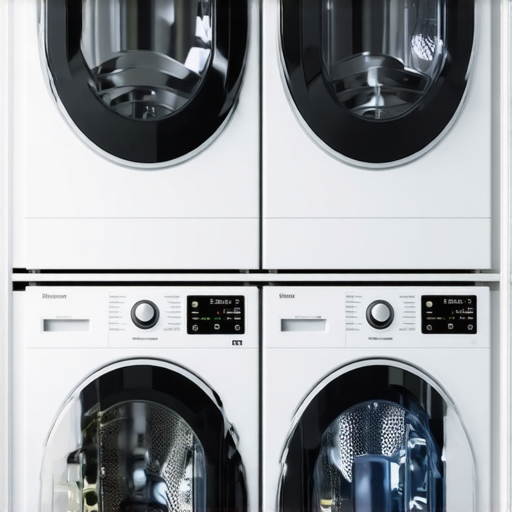
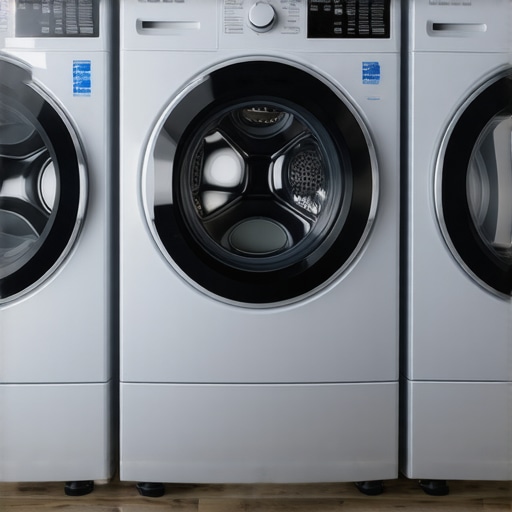
I remember the exact moment I realized my laundry routine was draining more than just my time—it was gobbling up my energy bill, and I hardly noticed until that bill arrived unexpectedly high one month. Standing in my laundry room, staring at my aging washing machine, I felt a pang of frustration. Why was it costing me so much to keep my clothes clean? That’s when the lightbulb went off: there are hidden ways to significantly cut those costs, and I was determined to find them.
Why Saving Energy in Your Washer Matters More Than Ever
With energy prices climbing and environmental concerns growing, making your washing routine more efficient isn’t just good for your wallet—it’s a responsible choice. The truth is, many of us are unknowingly wasting power and water each time we do laundry. For example, did you know that some modern washers use up to 30% more water than what their labels claim? (source: Smart Appliance Review)
If you’re like me, you probably rely on certain settings without giving them a second thought. But here’s the kicker: those choices can mean the difference between a high bill and a budget-friendly wash. I made a mistake early on by overloading my top load washer, thinking it would save time—big mistake. Not only did it strain the machine, but it also caused clothes to come out less clean and increased energy consumption.
Today, I want to share with you three straightforward strategies that will help you drastically reduce your washer-related expenses in 2026. These aren’t complicated fixes or expensive upgrades—they’re simple tweaks that deliver real results. Ready to lower your energy bills and keep your laundry routine efficient and eco-friendly? Let’s dive in.
Adjust Your Load Sizes for Optimal Efficiency
Starting with your load size is crucial. Think of your washing machine as a barrel—it can only hold so much without spilling over or struggling. Overloading it, like trying to fill a barrel to the brim, causes the machine to work harder, wasting energy and water. Conversely, underloading wastes resources because you’re running smaller loads more often. I once crammed my machine with just two towels, thinking it would save water. Instead, the cycle took longer because the machine couldn’t balance properly. To avoid this, measure your typical load with the towel test—see if you can fit the towels comfortably without forcing them in. For front load washers, check maximum capacity details on the manufacturers’ website; for instance, a 4.5 cu ft machine often handles about 15 pounds, enough for a family of four. Learn more about proper load sizes here.
Use the Right Settings to Save Resources
Many of us stick with default wash cycles, but not all settings are energy or water-friendly. For heavy-duty cycles, your washer uses more power and water because it agitates longer and heats water more extensively. Switch to eco-friendly or quick cycles when possible; these are designed to clean effectively with less resource use. For example, I used the quick wash setting for my everyday laundry, which cleaned lightly soiled clothes in half the time and with half the water—my energy bills dropped noticeably. Additionally, selecting cold water over hot can save significant energy since heating water accounts for about 90% of the energy used in laundry. Modern washers equipped with AI sensors, like the 2026 models, adjust water levels automatically—see how these sensors actually work in this review: here.
Manage Your Laundry Load Capacity Effectively
Many people don’t realize how critical load capacity is for efficiency. Overloading not only strains the machine but also reduces cleaning quality and increases energy consumption. Think of washing clothes as shaking a soda can; if packed too tight, the agitation can’t do its job properly. To prevent this, avoid loading your washer beyond the recommended weight limit. For instance, a standard 4.5 cu ft top load can comfortably handle about 12-15 pounds, equivalent to roughly 20-25 T-shirts. Use the towel test to gauge your capacity; if wet towels fill the drum without forcing it shut, you’re good to go. Also, keep heavy items, like blankets, within the machine’s capacity to prevent damage and inefficiency. Heavy blankets can be a real resource drain if your washer isn’t designed for them; check out this guide on handling heavy items: here.Many homeowners believe that bigger always means better when it comes to washers, but this is a misconception that can lead to costly mistakes. For example, opting for a larger capacity washer without considering your actual load needs often results in higher energy consumption and prolonged cycles, which paradoxically decreases efficiency. Moreover, there’s a prevalent myth that front load washers are always superior to top load models; however, advanced top load machines equipped with smart sensors now offer comparable, if not better, water and energy savings per cycle. A subtle but critical nuance many overlook is the importance of understanding the wash cycle’s purpose. Selecting an overly aggressive cycle for lightly soiled clothes wastes resources, while choosing a delicate cycle for heavily soiled items can compromise cleanliness. To optimize your laundry process, it’s essential to grasp these detailed differences, especially as newer models incorporate AI-driven sensors that adjust water levels and cycle duration dynamically, reducing waste and enhancing performance. Did you know that improper load sizes can cause the washer to work harder, increasing wear and tear? Avoid the trap of overloading or underloading by measuring your typical laundry in terms of weight and volume, and always consult the manufacturer’s capacity recommendations. Additionally, mastering the correct use of cycle settings—such as cold water washes for energy efficiency—can provide substantial long-term savings. For instance, some advanced models now use AI to determine if cold water suffices, a feature worth considering if you’re aiming for efficiency. Furthermore, understanding the intricacies of washer maintenance can prevent common issues like mold buildup or unpleasant odors. Regularly cleaning the gasket and drainage filters, especially in front load models, ensures optimal operation and longevity. For example, some studies suggest neglecting gasket hygiene can lead to mold growth that not only causes bad smells but also damages your machine over time; inspect and clean these areas periodically, as detailed in this guide on handling hidden grime spots. Have you ever fallen into this trap? Let me know in the comments. Remember, a well-informed choice today results in cleaner clothes and a healthier wallet tomorrow.
Keeping It Running: Tools I Recommend for Longevity and Efficiency
Ensuring your washing machine operates optimally over the years requires more than just basic care; it involves using precise tools and adopting effective maintenance routines. One tool I can’t live without is a digital multimeter. I use it regularly to check the electrical components of my top load washer, especially the motor and control board, to catch early signs of wear before costly breakdowns occur. Regular voltage tests help prevent unexpected failures and extend the machine’s lifespan.
Another essential is a quality cleaning brush set, specifically designed for appliance maintenance. I use a narrow brush to scrub out the gasket and drainage filters, which are hotspots for grime buildup. This routine not only keeps the smell at bay but also ensures water flows freely, maintaining the efficiency of my front load washer. For example, inspecting hidden mold spots and cleaning them annually drastically reduces odors and mold growth.
In addition, I highly recommend keeping a reliable sensor cleaning kit for modern smart washers. With the advent of AI-based water and cycle sensors, dirt and detergent residue can obscure sensor accuracy, leading to inefficient water use. Regularly cleaning these sensors with a dedicated kit, as outlined in this guide, ensures your machine adjusts water levels correctly and saves energy over the long haul.
Looking ahead, I predict that integrated diagnostic tools will become standard in even mid-range washers, offering real-time alerts for component wear and maintenance needs. Embracing these innovations now can save you frustration and repair costs later. For DIY enthusiasts, investing in a portable ultrasonic cleaner can be transformative for cleaning internal parts without disassembly, especially in hard-to-reach areas like drainage pipes and seals.
If you’re serious about extending your washer’s life and optimizing performance, start by regularly inspecting and cleaning the gasket and drain filters—these are often neglected yet critical components. For instance, I suggest performing the gasket inspection at least once every three months. This simple step prevents mold and maintains optimal water drainage.
Don’t wait for your machine to break down completely; proactive maintenance using the right tools can make all the difference. Why not try the simple addition of a multimeter check or sensor cleaning in your routine? These small efforts can yield big results, helping your washing machine serve you well for years to come.
Lessons I Wish I Discovered Sooner About Laundry Washers
One of the most eye-opening lessons I learned was how overestimating my washer’s capacity led to longer cycles and inflated energy bills. It turns out, knowing the true load your machine can handle is crucial for efficiency. Additionally, I used to stick with default cycles, unaware that choosing eco or quick options could significantly cut resource consumption without sacrificing clean clothes. Another insight was the importance of regular maintenance, like cleaning gaskets and sensors, which most people neglect but can drastically improve performance and extend your machine’s lifespan. Lastly, I realized that understanding the nuances between front load and top load washers—like their water use and potential for mold—can help you make smarter choices tailored to your needs.