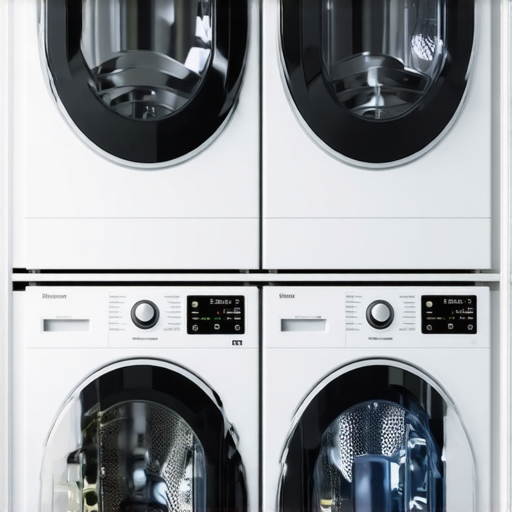
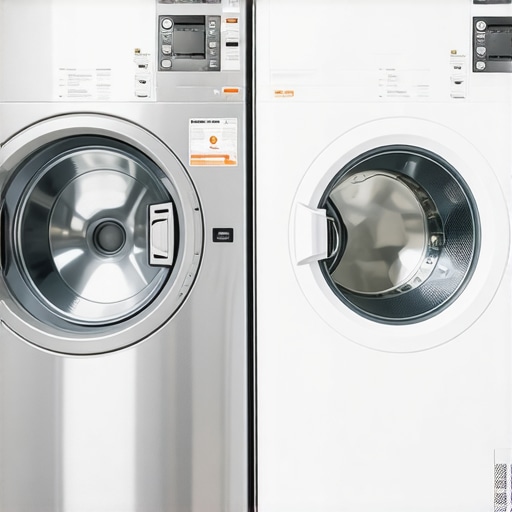
I remember the exact moment I realized my home washer was no match for those commercial-grade machines. It was laundry day, and I was battling my stubborn, overstuffed laundry load. The machine groaned, rattled, and finally, just stopped dead—leaving damp clothes soaked and a mountain of frustration. That lightbulb moment got me digging into why commercial laundry washers, especially ones around 2026, seem to outlive our household appliances by a much longer stretch.
The Truth About Why Commercial Washers Last Longer
Many folks assume that home washers are built to the same standards as their commercial counterparts. But the reality is quite different. Commercial laundry machines are crafted with durability in mind—they’re designed to churn through heavy, nonstop loads in busy laundromats, factories, and large families. They often feature stronger materials, reinforced motors, and more robust internal components that withstand rigorous use. Meanwhile, household models prioritize convenience, quiet operation, and energy efficiency, sometimes at the cost of longevity.
For example, the 2026 models incorporate advancements like **AI sensors** to optimize water and detergent use. These smart features are great in theory but can sometimes lead to quicker wear if not maintained properly. Interestingly, a 2024 study noted that commercial washers tend to last **around 15-20 years**, significantly longer than typical home units, which average about 10 years. That’s a substantial difference that can save money and frustration over time.
Have you ever faced a frustrating breakdown just a few years into your latest washer? You’re not alone—many homeowners make early mistakes like overloading or neglecting regular cleaning, which can severely shorten a washer’s lifespan. My early blunder was ignoring those hidden mold spots around the gasket. Trust me, [preventative maintenance](https://washers.smartappliancereview.com/3-hidden-mold-spots-in-your-2026-front-load-washer-gasket) can make a world of difference.
In this article, I’ll share proven tips and insights from my experience on how to make your laundry machine, whether a 2026 home unit or a commercial type, last longer. By understanding what sets commercial machines apart, you can decide whether investing in a high-quality model makes sense and how to maximize its lifespan.
So, if you’ve ever felt that sinking feeling when your washer starts acting up, keep reading. The practical steps ahead will help you avoid common pitfalls and keep your laundry routine smooth. After all, a washer that outlives your expectations isn’t just nice—it’s essential in today’s busy, eco-conscious world.Maintaining your laundry machine requires specific, deliberate actions that prevent breakdowns and optimize performance. First, always avoid overloading your washer; think of it as packing a suitcase—you want enough to maximize capacity without cramming it full, which strains the drum and suspension system. For instance, I once overloaded my top load washer with heavy towels, causing an uneven balance and a shaking cycle that lasted twice as long. After that, I learned to stick to recommended load sizes, reducing wear and tear.
Master the Art of Loading Appropriately
Check Capacity Limits
Use your washer’s capacity guidelines—typically listed in the manual or on the label—as a hard rule. If you often wash bulky items like comforters, verify if your machine can handle these; some models are better suited for king-size quilts or heavy blankets. Testing with smaller loads helps you understand your machine’s true capacity and prevents damage caused by overloading, which can lead to issues like drum misalignment or faulty bearings. Be cautious with king-sized pillows too, as exceeding capacity compromises the spinning efficiency and can cause imbalance—aim for a load that gives the drum room to move freely.
Maintain Internal Components for Longevity
Inspect and Clean Gaskets Regularly
Front load washers are especially prone to mold and residue buildup around the gasket—this can cause odors and even mold leaks. Schedule monthly inspections to spot hidden mold—learn how to identify these secret contaminant hotspots at https://washers.smartappliancereview.com/3-hidden-mold-spots-in-your-2026-front-load-washer-gasket. Remove and clean the gasket with a vinegar solution and a soft cloth; avoid harsh chemicals that may degrade the seal. Use a soft brush to clear debris from the folds and ensure sealing integrity, thus preventing leaks and contamination.
Keep Drains Clear
Clogged drainage causes water to pool, leading to musty odors and machine malfunctions. To fix this, remove and clean the drain pump filter—it’s a simple step that saves you from costly repairs. Check if your washer shows signs of draining issues by observing if it takes unusually long to spin out water or if clothes come out damp. Remember, a clogged drain can be a silent killer of machine health; regular cleanings are a must, especially if you wash frequent loads or bulky items like rugs that may shed debris.
Practice Proper Usage Techniques
Use Correct Detergent Amounts
Overusing detergent, especially in high-efficiency models, creates excess suds that can damage internal parts and reduce cleaning efficacy. Follow the manufacturer’s instructions or opt for the 4-finger rule—do you know it? It involves measuring detergent with four fingers to prevent excess suds, which is critical to maintaining optimal wash cycles and avoiding residue buildup. This simple method can prolong your washer’s lifespan and save money on repairs.
Avoid Harsh Wash Cycles
Select appropriate cycles based on load type. Heavy-duty cycles are tough on your machine; reserve them for sturdy fabrics. For delicate or everyday loads, shorter, gentler cycles reduce strain on components. For example, I once ran a heavy blanket on the quick cycle, which resulted in uneven spinning and early bearing wear. By choosing cycle options wisely, you protect your machine’s motor, suspension, and drum—extending its operational life significantly. For further guidance on handling heavy items, check https://washers.smartappliancereview.com/5-heavy-items-that-secretly-destroy-your-laundry-washer-in-2026. Implementing these steps consistently is crucial in turning your everyday laundry routine into a maintenance-saving practice that keeps your washer running longer and better.Many homeowners believe that all washing machines, regardless of type, are essentially the same and that bigger capacity always means better cleaning. However, this is a misconception that can lead to costly mistakes. One widespread myth is that front load washers are inherently more durable because they last longer in commercial settings; while true, many fail to realize that such longevity depends heavily on proper maintenance, particularly avoiding common pitfalls like mold buildup and overloading. In contrast, top load washers are often dismissed as outdated, but they can be gentler on fabrics and easier to repair, provided you adhere to correct loading techniques like using the 4-finger rule to prevent damage.
Another misconception revolves around washer capacity. Many assume that a larger capacity always equates to faster laundry, but overloading—even in a machine with a high capacity—can cause uneven loads, strain internal components, and reduce lifespan. For example, washing a mountain of towels in an oversized drum might seem efficient, but it can lead to imbalance and early bearing failure. To truly understand capacity, consider the size of your typical loads and whether your machine can handle big bulky items without compromising performance. Check out https://washers.smartappliancereview.com/stop-overloading-the-real-truth-about-washer-capacity-for-2026 to get more insights.
Now, let’s talk about advanced mistakes that even experienced users make. Many aren’t aware that improper maintenance—like neglecting to inspect gaskets or clean drains—accelerates mold growth and causes unpleasant odors, especially in front load models. These issues often go unnoticed until they become serious problems. Realistically, regular inspection and cleaning are essential; for advanced tips, you might explore https://washers.smartappliancereview.com/3-hidden-mold-spots-in-your-2026-front-load-washer-gasket.
So, what’s the hidden nuance most people overlook? It’s the importance of tailored maintenance based on your washer type. For example, a front load washer benefits from periodic gasket cleaning and drainage checks, whereas a top load may only need balancing and proper load distribution. Recognizing these differences helps you avoid early breakdowns and maximize your investment.
Are you still falling for common myths about washing machines? Have you ever fallen into this trap? Let me know in the comments. When you understand these hidden nuances, you gain the power to make smarter choices, prolong your washer’s lifespan, and optimize your laundry routine without unnecessary expenses. Remember, a little knowledge goes a long way in keeping your laundry gear running smoothly for years to come.
Maintaining your laundry appliance effectively requires more than just routine cleaning; it involves utilizing the right tools and adopting precise methods. As machines evolve with features like AI sensors in 2026 models, so too should your approach to upkeep. I personally rely on specific accessories and software to monitor performance and detect issues early. For example, a digital vibration analyzer helps me identify imbalance problems before they escalate, saving expensive repairs and prolonging the life of my front load washer. Additionally, smart diagnostic apps linked to the manufacturer’s interface allow for remote troubleshooting, ensuring minor hiccups don’t turn into major failures.
One indispensable tool I recommend is a gasket cleaning kit equipped with soft brushes and vinegar-based cleaning solutions. This simple, cost-effective kit enables me to maintain the mold-resistant seals around my front load washer gasket, preventing odors and leaks. Regular application, about once a month, keeps buildup at bay and reduces the risk of hidden mold growth, as discussed in this expert guide.
In terms of long-term results, investing in a high-quality, compatible maintenance toolkit—such as a drain pump brush, a load alignment spirit level, and an anti-vibration mat—has transformed my laundry routine. These tools help ensure the washer drum remains balanced and the internal components are free of debris, which is crucial given the increased complexity of 2026 models that use advanced electronics and sensors.
Looking ahead, I predict that future laundry machines will integrate even more predictive maintenance features, possibly leveraging AI to alert users about component wear via smartphone notifications. Staying ahead of these trends means adopting current best practices and tools now. For example, routinely inspecting and cleaning the drain filter with a sturdy, flexible cleaning tool can prevent clogs, reduce odor issues, and avoid expensive repairs down the line. In fact, if you want to tackle drainage problems quickly, there’s a detailed guide on how to fix your 2026 top-load washer drainage in under five minutes.
If you haven’t already, I encourage you to get a vibration analyzer and regularly check your washer’s balance. Not only does this prevent excessive wear, but it also ensures quieter operation and a longer lifespan. Remember, consistent maintenance isn’t just about addressing problems—it’s about proactively extending your machine’s service life and maintaining optimal cleaning performance. Take control today with these specialized tools, and you’ll see your laundry washer serve you reliably for years to come.
How do I maintain my washing machine over time?
Adopting a structured maintenance routine is essential. Use tools like gasket cleaning kits, load balancers, and drain brushes regularly, and keep software updates and diagnostic apps in check. These practices, paired with proactive inspections, help you catch potential issues early. Focus on routine checks such as inspecting seals for mold and cleaning filters with the proper tools. Consistency in these efforts will maximize the lifespan of your laundry washer, especially as models become more sophisticated. For detailed guidance, reviewing expert advice at this resource can provide additional insights.
Try incorporating a monthly gasket cleaning session with vinegar and a soft brush—this small investment of time yields big dividends in preventing mold buildup and leaks. Remember, the key is to stay ahead of potential failures, not just respond after something breaks. Keep your tools handy and your maintenance routine disciplined, and your laundry machine will reward you with long-lasting, peak performance.
Three Surprising Lessons That Changed How I Treat My Washer
One of the most eye-opening realizations came when I discovered that pushing my washer to its limit not only shortens its lifespan but also leads to costly repairs. I learned that understanding your machine’s true capacity and respecting its limits can prevent early breakdowns and save money. Another lesson was the importance of routine maintenance—simple tasks like inspecting gaskets or cleaning filters regularly can detect issues before they become major problems. Lastly, I realized that investing in quality tools and accessories for maintenance—like specialized brushes or digital analyzers—can prolong the life of even the most advanced models, especially those with smart features like AI sensors in 2026 models.
Reading this article really hit home for me, especially the part about maintenance being key to extending the lifespan of laundry machines. I’ve faced similar frustrations with my home washer struggling under heavy loads, which made me wonder if investing in a commercial-grade model could be worthwhile — although I worry about the maintenance complexity. I agree that understanding the differences in design and materials between commercial and household washers is critical. In my experience, even with high-quality appliances, regular inspections like gasket cleaning and drain checks can prevent mold and odor issues, which are common culprits for early breakdowns. What tools or maintenance routines have others found most effective for keeping their machines in top shape without too much hassle? I’m curious if anyone has tried the digital vibration analyzers or smart diagnostic apps mentioned here, and whether those really make maintenance easier on a day-to-day basis.
This article really opened my eyes to the importance of proper maintenance routines for extending the life of home washers, especially with the advanced features in 2026 models. I’ve personally noticed that neglecting simple tasks like cleaning the gasket or drain filter can lead to unpleasant odors and even mechanical issues down the line. The mention of smart diagnostic apps is interesting; I’ve been considering trying one to monitor my washer’s health remotely. Has anyone here used these tools regularly, and if so, how much have they actually helped streamline maintenance? I’ve found that setting a monthly schedule for basic upkeep—such as vinegar cleaning and filter checks—alongside using a level to balance loads can prevent most common problems. I’d love to hear others’ experiences with balancing techniques or tech gadgets that make taking care of your washer easier. Do you think investing in these tools really pays off in terms of longer-lasting appliances, or are traditional methods still best?