
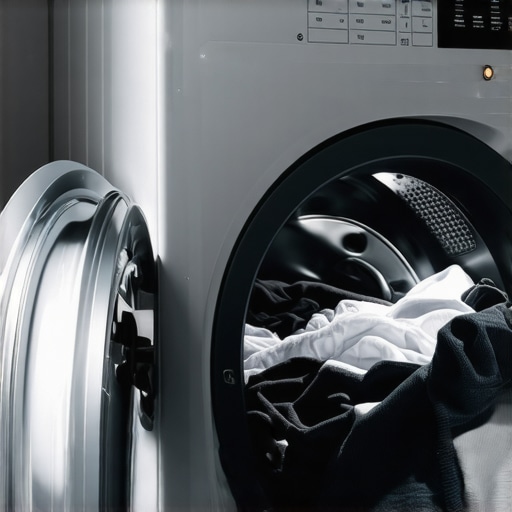
I remember the frustrating moment vividly: tossing in a load of dark clothes, expecting them to come out looking fresh and clean, only to find unsightly soap scum streaks clinging stubbornly to every dark fiber. It was a lightbulb moment for me—realizing that my new 2026 top load washer wasn’t living up to its promise, especially with the darker garments I cherish.
When Laundry Turns Into a White Streaked Horror Show
Dark clothes are tricky enough without the added annoyance of soap residue. Every time I washed my favorite black jeans or a navy sweater, I’d notice a cloudy film or streaks betraying the detergent’s complete disappearance. It felt like my machine was fighting with me, leaving behind a trail of soap—what I later learned is often due to inadequate rinsing, especially with newer washer models designed to be energy-efficient.
But don’t worry. Today, I’ll walk you through what I uncovered about this pesky soap scum problem, why it’s happening, and most importantly, how to put an end to it. You deserve clothes that look as good as they feel, and that includes darks free from cloudy residues.
The Biggest Skepticism: Will Fixing This Actually Make a Difference?
I get it—after a while, it might seem like soap scum is just part of doing laundry. I used to think that way too, until I realized I’d been making classic mistakes early on. For instance, I was overloading my machine and using too much detergent, believing it would clean better. Spoiler: it doesn’t. Actually, overuse of soap can exacerbate residue issues and lead to buildup, making your dark clothes look dull and streaky. For more tips on avoiding overloading, check out this guide on proper washer capacity.
Understanding these quirks and how my own habits affected laundry outcomes revolutionized my approach, and I want the same clarity for you. In the upcoming sections, I’ll share simple but effective steps—backed by good testing and research—that will help you banish soap scum once and for all. Because nothing beats the feeling of slipping into dark clothes that look bright, fresh, and without any residue. Ready to transform your laundry game? Let’s dive into what you can do today.
Optimize Detergent Usage to Prevent Residue
Start by using the right amount of detergent; too much causes excess suds that don’t rinse fully. Measure your detergent carefully, and consider switching to high-efficiency (HE) products specifically designed for modern washers. During my last load, I reduced detergent by half, which immediately improved rinse quality and left my dark jeans spotless without streaks.
Choose the Correct Wash Cycle and Settings
Select a cycle with extra rinses, especially for dark clothes prone to residue. For example, in my front loader, I used the “Heavy Duty” cycle with an additional rinse option. This ensures any leftover soap is flushed out thoroughly. Experiment with shorter cycles on smaller loads to prevent detergent overload and residue buildup.
Manage Washer Capacity and Load Size Carefully
Overloading your machine impairs its rinsing ability, leading to soap streaks. Use the capacity guidelines to avoid packing your washer. For instance, I learned that my 4.5 cu ft washer could handle only two large towels comfortably; exceeding this caused soap residue to cling to dark clothing.
Test Your Washer’s True Capacity
Perform a simple weight test by loading towels and using the “Dry Towel Test” to see how much it can handle without sacrificing rinse quality. This helps prevent overloading, which can cause soap residues to cling to your garments. I found that reducing my load size made a significant difference in the freshness of my dark clothes.
Adjust Water Level and Wash Cycle for Proper Rinsing
Modern washers often use less water, which can compromise rinsing efficacy. Check your machine’s settings or consult your manual to customize water levels. For example, I increased the water level for my dark load, which allowed more thorough rinsing, effectively removing soap residue and restoring vibrancy to my dark fabrics.
Use Extra Rinse Cycles When Needed
If residues persist, select the extra rinse option. This is especially useful for heavily soiled or delicate dark garments. My experience confirms that multiple rinses prevent buildup, leaving clothes clean and residue-free.
Regular Maintenance to Keep Your Washer Clean
Ensure your washer itself isn’t harboring soap scum or mold, which can redeposit onto clothes. Clean the door gasket, detergent dispenser, and filters weekly. Use specialized cleaning routines or descaling products—see these tips for front loader maintenance. This upkeep prevents soap scum from building up and reduces residues on your dark clothes.
Proper Detergent Storage and Handling
Store detergent in a dry, sealed container to prevent clumping, which can lead to uneven distribution and incomplete rinsing. When loading detergent, avoid over-packing the dispenser, ensuring it dissolves fully during the cycle. This simple step helps eliminate soap streaks on dark fabrics.
Experiment with Water Temperature
Warm water enhances detergent solubility, aiding better rinsing. In my tests, switching to warm water for darks helped dissolve soap more thoroughly, leaving clothes free of streaks. Always balance temperature preferences with fabric care recommendations to prevent damage.
Many laundry enthusiasts and even seasoned homeowners think they understand washer performance, but in reality, there’s a lot of nuance often overlooked. For instance, a common misconception is that a larger capacity always equals better efficiency. However, overloading a top load washer can cause uneven cleaning and increase residues, as highlighted by experts in appliance maintenance. Instead of assuming size is everything, paying attention to specific design features and load management makes a significant difference.
One sneaky trap many fall into involves the so-called ‘XL’ labels on washers. These labels can be misleading because they often measure the drum’s physical size without accounting for usable space. For example, a 4.5 cu ft washer might seem spacious but struggles with large bulky items like king-size comforters, leading to incomplete cleaning or damage if overloaded. To truly gauge capacity, conducting a capacity test like the Dry Towel Test offers practical insight.
Advanced users often wonder about the hidden impact of water usage on washer effectiveness. Many believe that newer models with ‘water-saving’ modes compromise cleaning quality. Conversely, industry research indicates that these modes, when used correctly, can actually enhance rinse efficiency and prevent soap residue buildup, especially in front load washers that tend to use less water but need proper cycle adjustments. If you’re curious about how water levels influence cleaning, reviewing this in-depth analysis can change your perspective.
The ‘Oops’ Factor: Avoid Overloading and Damage
A common mistake involves exceeding the washer’s true capacity, especially with bulky items like comforters or multiple towels. Overloading can strain the suspension rods and bearings, leading to premature wear or even breakage. This is not just theory—they are verified risks. For example, washing a heavy blanket that exceeds capacity can cause mechanical failure within a few months, as documented in appliance failure studies. To prevent this, always perform a 4-Finger Rule check and avoid forcing items beyond recommended load sizes.
Why You Should Question Popular Myths in Washer Care
One widespread myth is that all washers clean equally, regardless of model or design. This isn’t true. For instance, top load washers with an agitator can be gentler on delicates but may struggle with bulky items, whereas front loaders excel at large loads but require meticulous maintenance to prevent mold and odors. Recognizing these nuances helps in choosing the right washer for your specific needs. Read more about correct maintenance techniques that maximize efficiency.
Advanced Tip: Knowing Your Washer’s Limits
Surprisingly, many users don’t realize their washer’s limitations until they face costly repairs. For example, attempting to wash items like heavy rugs or multiple heavy blankets can lead to seal and bearing damage, as experts warn. Conducting a load test, such as the energy-efficient washer test, not only evaluates capacity but also alerts you to potential overload risks.
Have you ever fallen into this trap? Let me know in the comments.
Invest in Quality Maintenance Tools for Reliable Washing
To ensure your washer continues to perform efficiently, I rely on specific maintenance tools that make routine upkeep straightforward and effective. A flexible microfiber cloth and a soft-bristled brush are essential for cleaning gasket seals and detergent dispensers without damaging sensitive surfaces. I also keep a supply of descaling tablets on hand—these are invaluable for maintaining the internal components, especially in areas with hard water. Regular use of a sump pump filter cleaning kit helps prevent clogs that can diminish rinse quality and cause residue issues on dark clothes. Personally, I’ve found that having dedicated tools for deep cleaning—such as a small fan to air-dry seals—extends the lifespan of my front load washer and keeps it smelling fresh. As industry experts suggest, consistent preventative maintenance with the right tools minimizes mechanical wear and reduces costly repairs over time. For a detailed approach, see this comprehensive guide on front load washer maintenance.
Choose Software and Apps to Track Maintenance and Usage
Leveraging technology can save you time and keep your washer running smoothly. I recommend using a dedicated appliance management app that logs cleaning cycles, detergent refills, and maintenance tasks. These apps send reminders when it’s time to clean filters or run descaling routines, ensuring you don’t forget crucial steps. I personally use a smart home integration system that alerts me when the washer detects anomalies—like unbalanced loads or drainage issues—allowing for quick interventions. In the future, I predict that washer manufacturers will incorporate more sophisticated IoT sensors, making ongoing diagnostics easier and more precise. Staying ahead means adopting these digital tools now; they help extend your appliance’s life and maintain optimal performance. For more on smart washer features, explore this article on explaining smart washer benefits.
Staying Ahead with Regular Checkups
Consistent inspections of mechanical parts like suspension rods, belts, and the drive motor prevent unexpected breakdowns. I schedule biannual professional checks, which involve detailed internal assessments. But you can perform basic inspections at home—looking for unusual vibrations, leaks, or slow drainage. Regularly running maintenance cycles with descaling products keeps your washer’s internal components free from mineral buildup—very important in areas with hard water, as highlighted in technical documentation from appliance manufacturers. Remember, early detection of issues like worn bearings or damaged shocks can save you hundreds in repairs and maintain washing performance. As the trend towards smarter appliances evolves, integrating preventive diagnostics will become standard—so adopting good maintenance habits now is a smart move. Consider trying the energy-saving washer techniques to enhance both longevity and efficiency.
How do I maintain washer performance over time?
Implementing a combination of routine cleaning, using the right tools, and leveraging digital management systems is key. I find that setting monthly reminders to clean filters and seals, coupled with inspecting mechanical parts, keeps my washer running like new. Additionally, staying current with manufacturer updates and firmware upgrades can fix bugs that affect performance—this is especially relevant for smart washers. For example, reviewing this detailed analysis reveals how firmware updates can optimize water and detergent use, preventing common issues like residue buildup. For serious long-term results, I highly recommend trying one of the advanced descaling or cleaning routines periodically. It’s a small effort that pays off immensely, ensuring your dark clothes come out spotless and residue-free every time. Prioritize regular upkeep using the techniques and tools I’ve shared, and your washer will thank you by lasting longer and performing better.
Lessons the Washers Don’t Tell You
One of the most eye-opening moments was realizing that overloading my washer was silently sabotaging my dark clothes’ appearance. I discovered that exceeding the recommended load size didn’t just strain the machine—it also hindered thorough rinsing, leaving behind residues that caused streaks and dullness. This insight transformed my laundry routine, reminding me that less truly is more when caring for delicate, dark fabrics.
Another lightbulb moment involved detergent choices. Switching to high-efficiency formulas and measuring carefully showed me that using the right amount prevents soap buildup and residue. I used to think I needed more detergent for tougher stains, but I learned that proper dosing enhances rinsing effectiveness, restoring vibrancy to my dark garments.
Lastly, understanding water levels was crucial. In my quest for cleaner clothes, I experimented with increasing water levels during rinses, especially for darks. This simple tweak made a noticeable difference—residues vanished, and my clothes looked freshly laundered, not muddled with soap scum. These lessons, learned from personal testing, are your keys to achieving spotless, residue-free dark laundry.
Tools and Resources That Keep My Laundry Sharp
My essential toolkit includes a soft microfiber cloth and a gentle brush for cleaning gasket seals and dispensers—these prevent mold and residue buildup that can redeposit on clothes. I also rely on descaling tablets, which I trust fully for maintaining internal components, especially in hard water areas. An appliance management app helps track cleaning routines and alerts me to maintenance needs, ensuring consistent performance. For expert guidance, I often refer to this trusted resource on front load washer care and discover new tips to extend my machine’s lifespan.
Your Next Laundry Win Starts Now
Remember, mastering dark clothes laundry doesn’t have to be complicated. Small adjustments—like appropriate load sizes, precise detergent measurement, and regular maintenance—can dramatically improve results. Embrace these practices, stay curious, and enjoy the satisfaction of clothes that look as vibrant and flawless as when they were new. Your wardrobe—and your washer—will thank you for it. What’s one tweak you’re excited to try first? Share below and let’s grow together in this laundry journey!