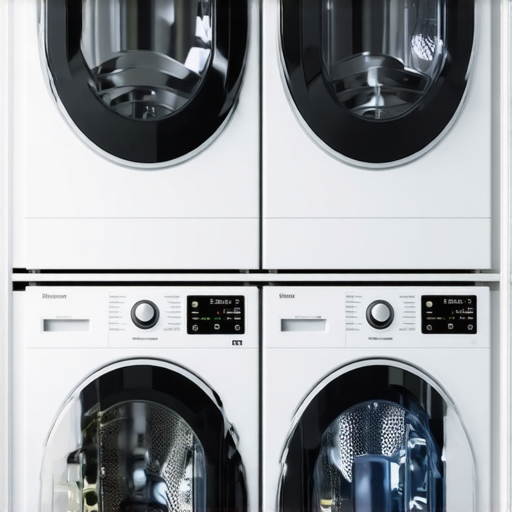
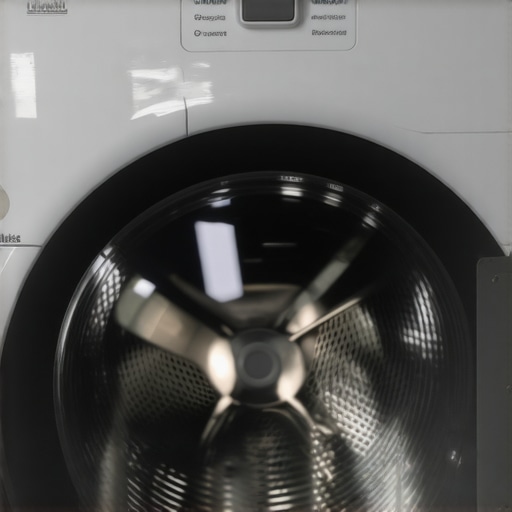
I vividly remember the moment I leaned over my front load washer, expecting clean laundry, and suddenly noticed a faint, musty smell lingering in my kitchen. At first, I blamed it on the detergent or maybe that leftover pizza box. But after a few days, the odor persisted—far worse than any tired laundry funk. That’s when I caught a glimpse of that rubber gasket around the drum, seemingly harmless, but hiding a potential menace: hidden mold spots.
Uncovering the Hidden Menace in Your Washer
Many of us overlook the importance of inspecting the gasket of our front load washers, especially in 2026 models loaded with smart features and energy efficiency. But those seemingly innocuous rubber seals are actually prime real estate for mold growth. Mold can hide in the folds, accumulating moisture that gets trapped during every wash cycle. This buildup not only causes odors but can also lead to health issues like allergies or respiratory irritation. As I learned the hard way, neglecting this area is a mistake you’d want to avoid—trust me, I made it early on and paid the price.
The good news? There are straightforward ways to identify and eliminate these hidden mold spots before they turn into major problems. Today, I’ll guide you through recognizing this sneaky issue and how to tackle it effectively. If your washer starts smelling off or you’re just curious about maintaining a hygienic appliance, keep reading—it’s easier than you think.
Is Mold in Your Washer Gasket Worth the Hype?
One common skepticism I initially shared was whether mold really posed a significant risk or if it was just an exaggeration. Honestly, I once dismissed it as a superficial concern, until I realized the mold was literally growing in my home. According to the CDC, mold exposure can cause nasal stuffiness, throat irritation, coughing, and other respiratory issues. So, ignoring these spots isn’t just about smell; it’s about health. The early mistake I made was assuming regular cleaning was enough. Sure, I’d wipe the gasket occasionally, but I wasn’t thorough enough, allowing mold to thrive in those hard-to-reach folds.
Now that you’re aware, we’re going to explore how to spot these hidden threats and keep your washing machine fresh and safe. Ready to become a washer-cleaning pro? Let’s dive into the steps that can save you money, time, and unnecessary discomfort.
Inspect the Gasket Thoroughly
Start by carefully examining the rubber gasket around your washer drum, especially in the folds and creases where mold loves to hide. Use a flashlight to illuminate tight spots, and look for dark spots, discoloration, or slimy residues. I once noticed a faint black mass in my own gasket after a quick visual check—an early sign I needed to act fast. Remember, mold thrives in moisture, so any dampness indicates a potential problem.
Gather Your Cleaning Supplies
Next, assemble the tools you’ll need: white vinegar, baking soda, a soft cloth or sponge, an old toothbrush, and gloves. Avoid using harsh bleach unless necessary, as it can degrade rubber over time. Vinegar acts as a natural mold killer, while baking soda helps remove odors and grime. This combination is gentle yet effective, especially compared to aggressive chemical cleaners.
Remove and Clean the Gasket
Pull back the gasket carefully and wipe away any visible mold with a cloth dipped in a mixture of vinegar and water (1:1 ratio). For stubborn spots, use an old toothbrush to scrub gently but thoroughly. Be sure to reach into all folds, scraping away any residue. In my own experience, taking my time here prevented future mold recurrence. After cleaning, rinse with a damp cloth and dry the gasket completely to eliminate residual moisture—mold’s main fuel.
Disinfect and Prevent Future Mold Growth
Spray the gasket area with a disinfectant capable of killing mold spores, or use a solution of diluted hydrogen peroxide if you prefer natural options. Leave it for 10-15 minutes before wiping clean. To maintain a mold-free environment, leave the washer door slightly open after cycles, reducing moisture buildup inside. Regular inspections and cleaning of the gasket are essential; I recommend doing this at least once a month, especially if you notice persistent odors.
Keep Your Washer Fresh with Proper Maintenance
Routine maintenance includes running a hot wash cycle with white vinegar or commercial cleaning agents designed for washers. Many modern models can handle this automatically—check your [washer’s capacity](https://washers.smartappliancereview.com/ultimate-guide-to-washer-capacity-choosing-front-load-or-top-load-machines-in-2025) for optimal cleaning cycles. Also, ensure your drain pump and hoses are functioning correctly to prevent standing water, which fosters mold growth. Regularly inspecting these components, per guides like [drain pump troubleshooting](https://washers.smartappliancereview.com/3-drain-pump-mistakes-that-flood-your-front-load-washer-2026), can save you from later headaches. Remember, proactive maintenance keeps mold at bay and prolongs your washer’s lifespan.Many homeowners assume that all washing machines are created equal or that bigger is always better. However, this is a misconception that can lead to inefficiency and unnecessary expenses. For example, many believe that front load washers use more water than top load models, but recent innovations have challenged this notion. In fact, some modern front loads are designed to be more water-efficient, especially when paired with proper load sizing. To truly optimize your laundry routine, understanding the nuances of washer capacity and type is essential. Overloading a machine can strain its components and diminish cleaning performance, while undersizing it leads to multiple cycles, wasting time and energy. It’s also a common myth that larger capacity always equals better; instead, selecting the right capacity based on your household size and laundry habits results in better efficiency. For nuanced insights, consider reviewing how to choose the **best laundry washer capacity**. Avoid the trap of oversimplified assumptions; instead, analyze your specific needs with detailed knowledge, such as the differences in capacity between **front load** and **top load washers** and how that affects your laundry efficiency. Remember, paying attention to these details saves money and prolongs your appliance’s lifespan. Want to deepen your understanding? Check out our comprehensive guide on [washer capacity tips](https://washers.smartappliancereview.com/ultimate-guide-to-washer-capacity-choosing-front-load-or-top-load-machines-in-2025) to make smarter choices. Have you ever fallen into this trap? Let me know in the comments.Maintaining your washing machine’s performance over the long term requires the right tools and techniques. Personally, I rely on a combination of specialized equipment and proven methods to ensure my washer stays in top shape. One essential tool I’ve found invaluable is a digital moisture meter. This device helps me monitor residual moisture in the gasket folds after cleaning, preventing mold regrowth. To genuinely understand my appliance’s health, I also use a smart diagnostic app compatible with my washer, which provides real-time alerts about potential issues like drain pump failures or sensor malfunctions, as outlined in [3-drain-pump-mistakes-that-flood-your-front-load-washer-2026](https://washers.smartappliancereview.com/3-drain-pump-mistakes-that-flood-your-front-load-washer-2026).
Lessons from My Laundry Maze
One of the most eye-opening realizations I had was how easily mold can quietly take hold in the folds of a front load washer gasket, even when I thought I was doing enough cleaning. It taught me that routine inspections and proper drying after each cycle are more crucial than I ever imagined, especially since mold can impact my family’s health. The importance of understanding your specific washer model’s quirks became clear—each makes mold prevention a bit different, so tailored maintenance is key.
Another lightbulb moment was recognizing that the capacity labels on my washer didn’t tell the full story. I once tried washing a massive comforter, only to find it didn’t fit as expected. That forced me to dig deeper into capacities and led me to useful resources like this detailed capacity guide, which transformed my laundry approach. Knowing real capacities helps prevent overloading, which can damage your machine and reduce cleaning efficiency.
The third lesson was that using natural cleaning solutions like vinegar and baking soda isn’t just eco-friendly but also remarkably effective at maintaining washer hygiene. I experimented with different routines and found that monthly hot cycles with vinegar kept odors at bay, making my washer feel like new. This simple trick sidesteps the harsh chemicals that can degrade rubber parts over time, saving me money and headaches.
Tools That Keep My Washer Running Smoothly
Over time, I’ve assembled a trusted toolkit that keeps my laundry routine hassle-free. For example, a digital moisture meter helps me double-check that my gasket is thoroughly dry after cleaning, preventing mold relapse. Additionally, a smart diagnostic app notifies me instantly about issues like drain pump errors, which I discovered early through this troubleshooting resource. Combining these tools with routine inspections has made my washer more reliable and my laundry less stressful.
Of course, I also rely on credible guides like comparing washer types to inform my choices, ensuring I select models that suit my needs and last longer. Investing in these resources has truly paid off, turning laundry from a chore into a manageable and even satisfying task.
Transform Your Laundry Experience Today
Remember, maintaining a clean, efficient washing machine isn’t just about avoiding bad smells; it’s about protecting your health and extending the life of your appliance. The secrets I’ve shared come from personal experience and continuous learning—knowing these details makes me confident in my laundry routine. Now, it’s your turn to put these lessons into action and enjoy fresher, healthier results every time.
How do you approach washer maintenance, and have you uncovered any unexpected tips along the way? Share your story below—I’d love to hear what works for you!
Reading through this detailed guide on mold prevention really hit home for me. I used to think that wiping down the gasket occasionally was enough, but after noticing a slight musty smell that refused to go away, I realized I needed to be more thorough. The tips about inspecting all the folds with a flashlight and using vinegar and baking soda for cleaning are practical and gentle on the rubber parts, unlike harsh chemicals. I’ve also started leaving the door slightly open after each cycle, which seems to help a lot.
One thing I wonder about is the effectiveness of natural disinfectants like hydrogen peroxide compared to commercial cleaners. Has anyone noticed a significant difference? Also, I’m curious—how often do you all perform a deep clean of your washers? Monthly or quarterly? I’d appreciate any personal routines or additional tips for maintaining a fresh-smelling washer that’s safe for health and the appliance.