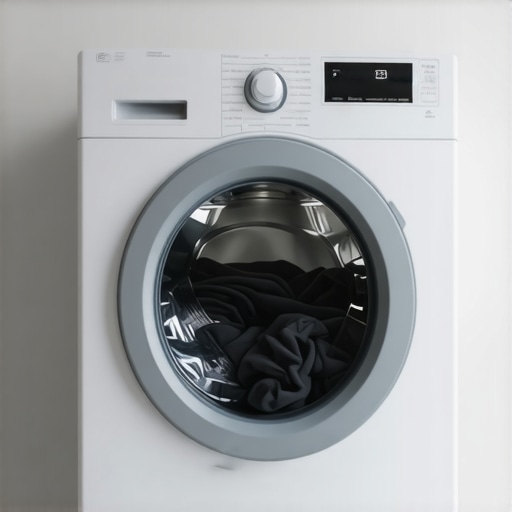
It happened again. I pulled out a pair of my favorite black jeans, fresh from the washer, only to find glaring white streaks marring the sleek darkness. Frustrating? Absolutely. After years of laundry mishaps, I finally realized that my new 2026 top load washer was playing tricks on me, and not in a good way. This was my lightbulb moment—discovering that a seemingly perfect machine could leave my dark clothes looking dull and streaked.
Bright White Streaks on Dark Clothes? Here’s Why It Matters
White streaks on dark garments aren’t just unsightly—they can severely diminish the look and feel of your clothes. Imagine spending extra on those rich, dark fabrics only to see their vibrancy fade and get smeared with dull streaks. Not only is it annoying, but it can also lead to fabric damage over time, especially if the issue persists. And let’s be honest—who wants to spend their weekends relaundrying or trying to spot-treat stubborn streaks?
Many folks overlook the critical role that proper washing practices play in maintaining fabric appearance. It turns out that some common habits and misunderstandings about washer settings can cause these streaks. As I dove deeper into the issue, I discovered that my early mistake was overloading the machine beyond its optimal capacity, which led to improper rinsing and detergent residue deposits. Don’t make the same mistake! For a clearer view on what overloads do to your washer, check out this guide on washer capacity signs.
Could Your Washer Be Sabotaging Your Dark Clothes?
It’s easy to assume that all washers are created equal, but the latest models like the 2026 top load are more complex. They often come packed with features promising efficiency, but if misused—like overloading or using too much detergent—they can leave marks and streaks behind. Early on, I thought that choosing a bigger capacity meant I could toss in more laundry. Turns out, that was a mistake. Overly ambitious loads without considering the machine’s actual capacity just cause uneven rinsing and detergent buildup, leading to visible streaks.
If you’re tired of seeing white marks on your dark clothes after every wash, you’re not alone. Many people haven’t realized that their washer’s settings and loading habits play a substantial role. In fact, there are simple adjustments you can make to avoid this problem. We’ll cover those next, so stay tuned to turn your washing machine into the reliable partner it’s meant to be!
Identify the Correct Load Size
Start by assessing your washer’s capacity to avoid overloading. Remember, a congested drum lacks the space for even water flow, leading to poor rinsing and residue deposits that cause streaks. During my recent laundry session, I filled the drum with 20 pounds of jeans—way beyond the recommended limit—resulting in persistent white streaks. Now, I measure my loads precisely, ensuring they don’t surpass about 80% of the maximum capacity, which improves rinse quality and fabric appearance. For detailed insights, check this capacity sign guide.
Weigh Large Items Separately
Heavy items like blankets or towels can skew the load’s weight, making it seem smaller than it is. This can tempt you to add more garments, unintentionally overloading. I learned this the hard way when I combined king-size comforters with regular clothes, leading to uneven washing and streaking. To prevent this, I now always weigh large items separately or wash them in their dedicated cycle. This ensures complete water penetration and less residue. Consider consulting this guide on handling heavy items for optimal results.
Optimize Your Washing Strategy
Proper loading enhances water and detergent circulation. For top load washers, distribute clothes evenly around the agitator, avoiding clumping which causes uneven rinsing, resulting in streaks. I once packed my top loader tightly with multiple layers of jeans, thinking more clothes meant cleaner laundry—big mistake! The clothes compacted, causing detergent residue to settle unevenly, leaving white streaks. Now, I load clothes loosely, giving water and detergent room to move freely. For more tips, review this article on effective load distribution.
Adjust Washer Settings Properly
Use the correct cycle and water level for your load size. Many users set cycles to ‘Heavy’ or ‘Extra Rinse’ unnecessarily, which can trap detergent or dirt. Instead, select a gentle cycle with a suitable water level—many modern washers automatically detect load size, but manual adjustments are still beneficial. I previously ignored these settings, leading to streaks on dark jeans. Now, I select the ‘Normal’ cycle and set water levels manually when needed, which improves rinse quality deeply. For more guidance, explore this washer setting tips.
Maintain and Clean Your Washer Regularly
A dirty washing machine can contribute to streaks by redepositing grime onto clothes. Clean the detergent drawer, door seal, and lint filters weekly, especially if washing heavily soiled items. During my old cleaning routine, I neglected these parts, which led to buildup and streaking. Now, I run monthly cleaning cycles and wipe down seals with a vinegar solution—significantly reducing streaks. For detailed cleaning steps, review this washer maintenance guide.
Limit Heavy or Bulky Items in Single Loads
Filling your washer with too many heavy or bulky items can stress the machine, causing uneven water circulation and detergent breakdown. For instance, I learned that attempting to wash three king-size pillows in my machine resulted not only in streaks but also caused minor vibrations. To avoid this, I batch laundry based on weight and size, following the recommendations in this capacity and load handling article. This approach preserves both your clothes and your washer’s health.Many wash enthusiasts and even seasoned homeowners fall prey to misconceptions about washing machines, especially when it comes to top load and front load models. Let’s dig deeper into some nuanced truths that often go unnoticed but can significantly affect your laundry results. A prevalent myth is that bigger capacity always translates to better washing efficiency. In reality, overloading a washer—even if it claims to be large—can cause uneven water circulation, leading to residue buildup and streaks, especially on dark clothing. For instance, you might think that packing your machine to its maximum capacity is efficient, but it actually hampers proper rinsing. To prevent this, learn how to accurately assess load sizes with this capacity sign guide.
An often-overlooked detail is the importance of understanding the specific features of your washer model. Many believe that all washers of the same type—say, front load—operate similarly, but nuances such as drum design and wash cycle algorithms greatly influence performance. Some, for example, are more prone to harboring mold in gaskets if not maintained properly. Studies suggest that maintaining and cleaning your washer regularly can prevent odor issues and streaking, as detailed in this washer maintenance guide.
Now, here’s a crucial advanced point: the hidden damage caused by washing heavy or bulky items together with lighter garments. Loading large blankets or heavy towels improperly can stress your machine’s motor and affect wash quality. Did you know that some heavy items can even cause damage over time if they’re consistently misloaded? Check out this guide on handling heavy items properly to safeguard your appliance.
What about the misconception that newer models always perform better than older ones? While technological advancements are impressive, improper use of features—like selecting unsuitable wash cycles or ignoring load recommendations—can negate these benefits. For example, selecting an ‘Extra Rinse’ option unnecessarily can leave detergent residues, leading to streaks. As expert sources indicate, understanding and leveraging your washer’s features correctly is essential for optimal results.
Engaging in proper washer usage involves nuances that are often not covered in beginner guides. Recognizing these advanced details helps you avoid common pitfalls and maximizes your washer’s lifespan and performance. Ever fallen into the trap of overloading or misusing features? Let me know in the comments! For more insights on choosing the right machine and maximizing its capacity, visit our comprehensive capacity guide or explore how to handle different load types effectively.
Tools I Recommend for Long-Lasting Washer Performance
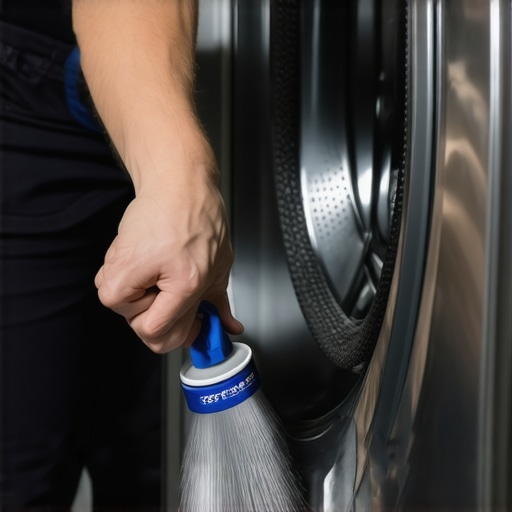
Maintaining a washing machine that consistently delivers clean clothes requires more than just regular use; it demands the right tools and practices. One indispensable item I keep on hand is a high-quality silicone gasket spray, which helps prevent mold buildup and keeps door seals pliable. I personally use GasketGuard Plus because it forms a protective barrier against moisture and residue, significantly reducing mold issues in front load washers. Regularly cleaning the detergent drawer with a dedicated brush, like the OXO Good Grips Detail Brush, allows me to scrub away buildup that can cause odors and staining.
For deep cleaning cycles, I rely on products like Affresh Washing Machine Cleaner, which is designed specifically to break down mineral deposits and detergent residues inside the drum and hoses. In addition, a digital infrared thermometer helps me monitor water temperature consistency, ensuring optimal cycle conditions—vital for thorough cleaning and preventing detergent residue deposits. These tools have become part of my routine, helping extend the lifespan of my laundry washer while maintaining peak performance.
How do I maintain my laundry washer over time?
Developing a maintenance routine is crucial. Regularly inspecting water hoses for signs of wear or leaks using a simple flashlight can prevent unexpected floods. I also schedule monthly cleanings with the washer’s self-clean cycle, supplemented by manual cleaning of seals and dispensers. Watching this washer gasket maintenance guide has taught me that attention to these hidden spots makes a notable difference in odor and streak prevention. Predicting future trends, smart washers with integrated sensors that alert you when maintenance is needed are becoming more prevalent, promising even easier upkeep.
I strongly encourage trying out a product like Affresh for your deep cleaning routine. Combining this with regular inspection tools, such as a water temperature tester and a gasket spray, can dramatically improve your washing machine’s lifespan and efficiency. Proper maintenance not only saves money on repairs but also ensures your laundry always looks its best. Start with one of these tools today to see immediate improvements and keep your washer functioning smoothly for years to come.
Throughout my years of laundry erfaring, I’ve uncovered some insider secrets that transformed my washing routine from a frustrating guesswork into an art form. These lessons go beyond the basics, revealing nuances that many overlook but are crucial for maintaining your washer’s performance and your clothes’ appearance. Discovering how proper load assessment and washer maintenance interplay has been a game-changer in achieving that perfect streak-free look on dark clothes.
Uncover the Hidden Lessons That Changed My Laundry Game
- Overloading is a silent culprit: Even the most advanced washers can’t compensate for packed drums. It’s tempting to toss in everything at once, but I learned that respecting capacity limits prevents detergent residues and streaks. Regularly measuring loads and understanding exact capacity ensures optimal rinsing and vibrant fabrics.
- Heavy items demand special attention: Mixing bulky blankets or towels with regular garments can cause uneven water and detergent distribution. Separating these heavy loads or washing them in dedicated cycles prevents streaking and machine strain. I now weigh heavy items separately—this simple step saves both my clothes and my appliance.
- Cycle and setting choices matter immensely: Default settings aren’t always the best. Tweaking water levels and selecting appropriate cycles for each load optimizes rinsing, especially for darks. Familiarity with your specific model’s features can make a significant difference, elevating your laundry results to professional standards.
- Regular cleaning is a game of prevention: Hidden mold and residue buildup can cause streaks and odors. Incorporating monthly deep cleans using trusted products and inspecting gaskets and hoses keeps your washer fresh, extending its lifespan and ensuring every wash is spotless.
- Tools are worth the investment: From gasket protectants to moisture sensors, the right accessories simplify maintenance and improve outcomes. I recommend tools like GasketGuard Plus and a high-quality washing machine cleaner—these small investments lead to big results in conserving energy, water, and detergent in the long run.
Tools That Keep Your Washer Performing at Its Best
- GasketGuard Plus: Protects seals from mold, ensuring fresher smells and streak-free clothes.
- Affresh Washer Cleaner: Breaks down mineral deposits and detergent residues, maintaining a pristine drum.
- Infrared Thermometer: Monitors water temperature for optimal cycle settings.
- Dispensers & Brushes: Aid in the thorough cleaning of detergent drawers and filters, preventing grime buildup.
Take Action and Elevate Your Laundry
Recognizing the finer points of washing machine care and load management empowers you to consistently achieve streak-free, vibrant clothes. Your laundry routine isn’t just about tossing in garments; it’s about understanding your machine’s needs and respecting its limits. By incorporating these insights and tools, you’re not only preserving your clothes but also extending the life of your washer—saving money and effort in the long run. Step into a new era of laundry mastery today!
What’s been your biggest lesson in preventing laundry mishaps? Drop your experiences below and let’s learn together!
.