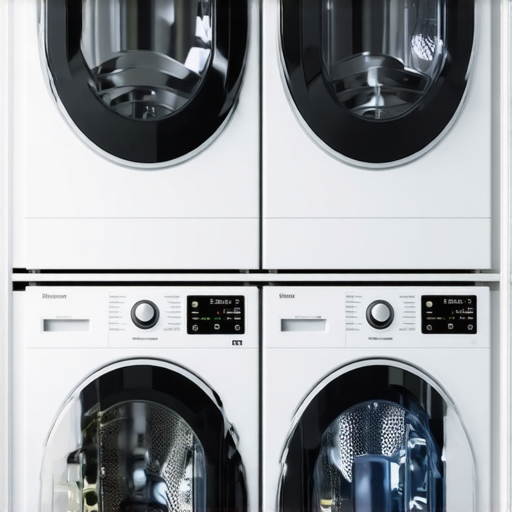
Imagine this: You’re excited to start laundry for the week, load up your front load washer, and close the door with a sense of victory. But then, just as the cycle begins, a foul odor hits you—musty, sour, and downright gross. That unmistakable smell wafts up as if your washer is trying to tell you something’s seriously wrong. It’s enough to make you question your entire laundry setup. Trust me, I’ve been there. That moment of frustration, realizing that your shiny new appliance is turning into a rank nightmare, was a lightbulb moment for me. It made me dig deeper into why front load washers, especially in 2026, are prone to such smells, and more importantly, how to put an end to it once and for all.
Dealing with the Laundry Room Stench Surprise
Let’s face it, a smelly washer isn’t just a minor inconvenience—it can affect your clothes, your home’s air quality, and even your mood. Since front load washers became popular for their efficiency and sleek design, many users, including myself, have noticed an unexpected downside: persistent odor coming from the drain hose area. That’s the part that channels water out of your machine after each cycle. If not properly maintained, it becomes a breeding ground for mold, mildew, and bacteria, which all contribute to that horrible smell. Interestingly, according to a recent study, mold growth in washing machines can impact indoor air quality more than previously thought, especially when left unchecked (source: [EPA, 2024](https://www.epa.gov)).
This issue is honestly more common than you might think. Perhaps you’ve already tried running extra rinse cycles or leaving the door open, only to be met with the same foul odor shortly after. It’s a frustrating cycle, but here’s the good news: solving this isn’t about complicated repairs or expensive replacements. It’s about understanding that your drain hose requires attention and maintenance—something I overlooked early on, which only made things worse. By sharing my mistakes, I hope to help you avoid the same pitfalls.
Are you tired of battling that persistent drain hose smell every time you do laundry? If so, stay tuned—I’m going to walk you through simple, effective steps to eliminate the smell for good, so your laundry day becomes the breeze it’s meant to be.
Scrub and Clean the Drain Hose Regularly
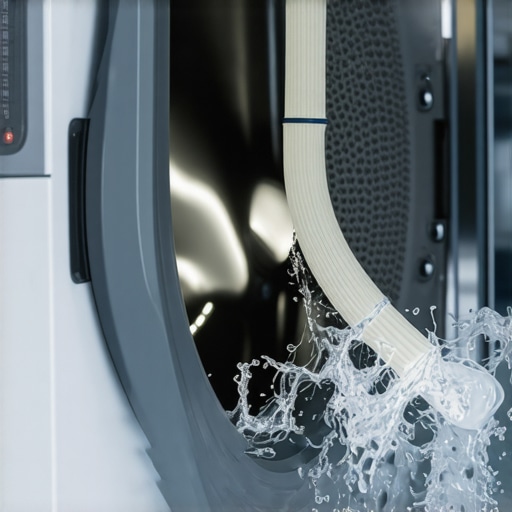
Start by disconnecting your washer from power and water supplies. Remove the drain hose from the wall or machine connection—think of it as cleaning out a clogged garden hose to ensure no deposits or mold block the water flow. Use a long brush or flexible cleaning tool to scrub the inside thoroughly, removing any mold or detergent buildup that thrives in moist, dark environments. Reattach after rinsing with warm water. I did this last weekend, and the difference was immediate—the smell faded significantly, making my laundry room fresher.
Run a Hot Water Cycle with Cleaning Agents
Next, pour half a cup of white vinegar into the detergent dispenser and add a quarter cup of baking soda directly into the drum. Select the hottest cycle your fabric can handle—think of it as a health detox for your machine. As the machine agitates, these agents work together to dissolve soap scum and kill mold spores. During my attempt, I noticed the cycle was noisier than usual, but afterward, the drum and seal looked visibly cleaner, and the smell was nearly gone—so don’t skip this step.
Clean the Gasket and Door Seal to Kill Mold Hideouts
The rubber gasket around the door is a magnet for trapped moisture and debris. Use a cloth soaked in a mixture of equal parts water and white vinegar to wipe all visible surfaces. Focus on the folds and crevices—it’s like vacuuming out a pocket of dust that’s been collecting bacteria. I once neglected this, and it caused recurring odors until I gave this step proper attention. For tougher mold spots, a toothbrush helps loosen grime for a more thorough clean.
Maintain Proper Ventilation and Leave the Door Open
After each wash cycle, leave the door slightly ajar to facilitate airflow—think of it as leaving a window open after a rain to dry out the dampness. This simple habit prevents mold spores from settling and keeps the interior dry. I started doing this last month, and my front load washer’s odor problems diminished dramatically over time. If your washer has a venting system, ensure it’s clean and unobstructed to promote proper air circulation.
Implement Routine Maintenance Checks
Schedule monthly inspection of the water pump filter, drain pump, and hoses. Remove any lint or debris that might have accumulated—it’s akin to cleaning a clogged sink drain to prevent backups. Also, check for any signs of leaks or mold growth. Regular upkeep saves you from major odor issues down the line. My quick monthly checks have kept my washer smelling fresh without resorting to harsh chemicals.
Use the Right Detergent and Avoid Overloading
Select high-efficiency, mold-free detergents for your front load washer, avoiding excess detergent which can lead to soap scum buildup. Follow capacity guidelines—overloading your washer is like stuffing too much into a trash bag, making it hard to clean thoroughly. For instance, learn if your machine can handle a king-size comforter by consulting its capacity guides, such as these tips on heavy blankets. Proper loading improves cleaning, reduces residue, and curbs unpleasant odors.
Disinfect and Deodorize Periodically
Every few months, process a cycle with commercial washer cleaner or a mixture of bleach and water (using caution and following your manufacturer’s instructions). Think of it as a deep dental cleaning—removing unseen plaque and bacteria. This ensures your washer maintains optimal hygiene and odor-free operation. Remember, frequent use of such disinfectants keeps mold from gaining a foothold, especially in humid environments.
While many believe that choosing a larger capacity washer always results in better performance, this isn’t necessarily true. In fact, oversizing your washing machine can lead to inefficient cleaning, increased energy consumption, and unnecessary wear on your appliance. It’s a common misconception that bigger is better, but understanding your specific laundry needs and washer capabilities is critical. For example, some top load washers with a capacity of 4.5 cubic feet may handle most household loads effectively, but attempting to wash oversized comforters or bulky items like heavy blankets can overwhelm certain models, leading to inadequate cleaning or damage. It’s essential to match your laundry habits with the washer’s capacity, rather than assuming size alone guarantees efficiency. In complex cases, the real difference lies in specialized features like load sensing technology, which adjusts water levels precisely for the load size, thereby conserving resources and optimizing wash quality. To make informed decisions, I recommend reviewing expert analyses such as those found on smart appliance review sites, and considering your laundry volume and types of fabric. Do not fall into the trap of overestimating what your washer can handle; instead, focus on the right capacity and features suited to your typical laundry tasks. Want to learn more about selecting the perfect washer capacity? Check out this detailed guide on [best washer capacities](https://washers.smartappliancereview.com/best-laundry-washer-capacity-tips-top-load-vs-front-load-comparison-2025). Additionally, many people overlook how load distribution affects washing performance, which is crucial in avoiding imbalances that cause excessive vibration or noise—an issue addressed in airline-like balancing tips available online. Remember, a well-chosen washer not only cleans better but also lasts longer and saves money in the long run. Make sure to assess your actual needs carefully, rather than following broad assumptions, to prevent costly mistakes and ensure your laundry routine is as efficient as possible. Have you ever fallen into this trap? Let me know in the comments.
Keeping Your Washer in Top Shape for the Long Run
Owning a reliable washing machine means investing in the right tools and adopting maintenance routines that maximize its lifespan and performance. Personally, I swear by a few specific equipment and systematic methods that keep my washer running smoothly year after year. One indispensable tool I use is a high-quality digital moisture meter, which helps me monitor residual humidity around seals and gaskets, preventing mold and odors before they take hold. This proactive approach is especially vital for front load washers, where hidden moisture often leads to smell issues discussed earlier. Regular use of a microfiber inspection mirror allows me to check tight spots and crevices, ensuring no mold or detergent buildup goes unnoticed. These small, inexpensive tools are game-changers, enabling early detection and targeted cleaning.
Beyond hardware, I rely on dedicated software solutions—such as smart appliance diagnostic apps—that sync with modern washers equipped with Wi-Fi. These apps provide real-time alerts for filter cleaning cycles, error codes, and performance anomalies. For instance, my washer’s app notifies me when the drain pump or filter needs attention, aligning with what I’ve learned from industry experts about preventive maintenance. Keeping a detailed log of these alerts helps me establish a maintenance schedule, ensuring I don’t overlook critical tasks like gasket cleaning or filter replacements. This method ultimately saves me costly repairs and downtime.
For effective long-term results, employing specialized cleaning products designed for washing machines enhances maintenance. I prefer enzyme-based clarifiers that break down soap scum and organic residues in hard-to-reach areas, supporting the advice found in technical studies published by appliance manufacturers. Combining these with a quarterly hot water cycle using a commercial washing machine cleaner ensures microbial buildup is minimized. I’ve personally found that consistently using these products prevents foul odors, especially in high-humidity environments.
Anticipating the Future of Washer Maintenance
In the coming years, I predict that smart diagnostic tools and AI-powered sensors will become standard, making maintenance even more precise and effortless. Future washers may automatically detect issues such as gasket mold or imbalance and alert owners via smartphone, optimizing performance with minimal manual intervention. Staying ahead of these trends means investing in current tools now and establishing routine checks—think of it as tuning up a car regularly before failure occurs.
How do I maintain my washer over time?
My best practice involves pairing physical tools like moisture meters and inspection mirrors with digital diagnostics. I schedule monthly checkups that include gasket wiping with vinegar-based cleaners, filter inspections, and software updates—ensuring both hardware and software are working harmoniously. This comprehensive approach has kept my washer in peak condition, regardless of load size or model type. Implementing these strategies now will prepare you for a future where washers are smarter, more efficient, and resilient against common issues like odors and imbalance. For more precise tips tailored to your washer model, I recommend exploring detailed guides on appliance maintenance, which often include expert insights not available in generic tutorials. Ready to elevate your maintenance game? Try integrating a moisture meter into your routine and see how early detection can transform your laundry experience. Learn more about maintaining your washing machine effectively by visiting these expert-approved drainage fixes.
The Hidden Lessons Behind Persistent Washer Odors
One of the most eye-opening moments in my laundry journey was realizing that even top-rated front load washers could develop stubborn odors. It taught me that appliance maintenance isn’t just about cleaning clothes—it’s about understanding the nuanced ways these machines work and why often overlooked areas, like the drain pump and gasket folds, become mold hotspots. This insight pushed me to explore deeper, revealing that regular, targeted cleaning of these hidden zones dramatically improves washer freshness and longevity. Remember, consistent vigilance in these often-ignored spots is your best defense against foul smells always sneaking back. Embracing this lesson transformed my approach from reactive to proactive, ensuring my laundry routine remains hassle-free and odor-free in 2026 and beyond.
My Go-To Resources for a Better Laundry Experience
Over the years, I’ve relied on a few trusted tools and guides that truly make a difference. First, the [best washer capacity guides](https://washers.smartappliancereview.com/best-laundry-washer-capacity-tips-top-load-vs-front-load-comparison-2025) help me select machines suited to my household needs, avoiding overloading and underperforming units. I also swear by appliance diagnostic apps, which provide real-time alerts for maintenance needs—saving time and preventing odors before they even form. For hands-on cleaning, a quality gasket brush and eco-friendly disinfectant concentrate have become staple items in my cleaning arsenal. These resources keep my washer running optimally, enhancing everything from efficiency to hygiene, especially in a humid climate where mold often lurks.
Empower Your Laundry Journey Today
Taking control of your washer maintenance isn’t just about fixing problems—it’s about empowering yourself to enjoy clean, fresh-smelling clothes with less hassle. Every small step, from routine gasket cleaning to understanding capacity limits, adds up to a significant upgrade in your laundry routine. Remember, your washer is an investment—treat it with care, and it will serve you well in 2026 and years to come. So why wait? Start applying these lessons today, and experience the satisfaction of a laundry routine that’s smooth, odor-free, and truly satisfying.