
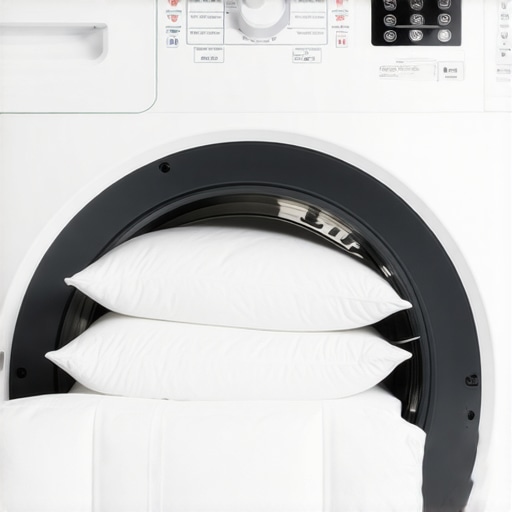
Have you ever been in the middle of laundry day, about to toss in a king-sized comforter or those three fluffy king pillows, only to doubt whether your washer can handle the load? I remember a frustrating weekend when I tried stuffing my favorite king pillows into my top load washer, only to realize it was a bad idea after a long, shaky cycle and a mess on the laundry room floor. That lightbulb moment hit me—size really does matter when it comes to washer capacity.
Why Washer Capacity Can Make or Break Your Laundry Routine
Understanding whether your washer can comfortably fit bulky items isn’t just about saving time; it’s about protecting your appliances and ensuring your laundry comes out clean and undamaged. A common mistake I made early on was overloading my washer, believing bigger is better. Turns out, pushing beyond your machine’s actual capacity not only leads to inadequate cleaning but also increases wear and tear. Did you know that overloading can cause more vibrations and even damage the machine over time? (Source: Smart Appliance Review)
So, how do you determine if your washer can handle those king pillows or bulky blankets without risking a breakdown? That’s what we’re going to explore today—empowering you with the knowledge to make smarter laundry choices and avoid common pitfalls. Ready to get the inside scoop?
Measure Your Washer’s Capacity Before Tossing In Bulky Items
Imagine trying to fit an oversized sofa into a small car trunk—that’s what overloading your top load washer feels like. To prevent this, determine your washer’s cubic feet capacity, usually found on the manual or spec label. For a specific example, I once attempted to wash a king-size comforter in my 4.2 cu ft front load washer, and it nearly flooded the laundry room because I overfilled it. To avoid that, use a measuring cup or visual cues: leave about a hand’s width of space at the top of the drum after loading. Doing this ensures the machine can move items freely, leading to better cleaning and less stress on the motor.
Distribute Items Evenly for Balanced Loads
Think of spinning a wheel—if weight isn’t evenly distributed, it wobbles and vibrates excessively. When loading bulky items like blankets, pillows, or comforters, spread them evenly around the drum’s axis. For example, when washing three large king pillows, I placed one pillow at the back, another at the front, and adjusted the third to balance the weight. This practice minimizes vibrations and prevents the machine from Many homeowners believe that larger washing machines always translate to better performance or greater convenience, but this isn’t necessarily true. Contrarily, oversizing your washer can lead to inefficiencies and even damage, especially if you’re not aware of the delicate nuances involved. For instance, some assume that a 5.0 cu ft front load washer can handle any bulky item with ease, but in reality, exceeding recommended load sizes can cause excessive vibration and wear, undermining the appliance’s lifespan. To truly maximize efficiency, it’s essential to consider the intricacies of washer capacity and function. For example, overloading can compromise wash quality and induce costly repairs, a pitfall many fall into when they ignore manufacturer guidelines. To avoid these mistakes, always measure your machine’s capacity carefully and understand how to distribute loads evenly, especially when washing heavy or bulky items like king-size comforters or multiple pillows. Discovering these nuances can save your appliances from premature failure and ensure your laundry comes out perfectly clean every time. Curious about how to assess your washer’s capabilities accurately? Check out detailed guides like this comparison of front load vs. top load washer capacities or learn the common pitfalls that lead to vibration issues by exploring tips to balance your top load washer. Remember, understanding these advanced aspects not only extends your appliance’s lifespan but also elevates your entire laundry routine. Have you ever fallen into this trap? Let me know in the comments.
Tools I Recommend for Longevity and Efficiency
To keep my laundry routines smooth and my washer functioning optimally, I rely on a few proven tools and methods. First, a high-quality microfiber cloth is indispensable for regular wipe-downs of door seals and the drum, preventing mold buildup and odors in front load washers. I also swear by a dedicated digital moisture meter, which helps me monitor load weight and prevents overloads that can cause excessive vibrations and damage, especially with larger capacity units. Additionally, using a magnetic washer cleaning tablet every month ensures limescale and detergent residue are kept at bay, extending the lifespan of internal components like pumps and valves.
On the software side, I utilize smart home integration apps connected to compatible washers that alert me when maintenance is due or when cycle issues arise. For instance, some modern washers send notifications for filter cleaning or error diagnostics, saving me time and costly repairs. These tools make routine maintenance straightforward and proactive, rather than reactive.
What Questions Should I Ask to Keep My Washer Running?
One key question is: “How do I maintain my laundry washer over time?” Regularly inspecting and cleaning the door gasket, especially in front load models, is crucial. Removing debris and mold from folds prevents odors and prolongs the seal’s integrity. I also recommend checking the drain pump filter monthly—many owners overlook this step, leading to clogs and poor drainage. For larger capacity washers, it’s essential to verify that load sizes stay within recommended limits; overloading frequently causes unbalanced spins and can prematurely wear out suspension parts.
Furthermore, adjusting your wash cycles based on load weight and fabric type optimizes cleaning performance and energy efficiency. For precise guidance, consult manufacturer instructions or detailed articles like this guide on washing heavy blankets.
Prediction-wise, the integration of IoT-enabled washers is expected to become more mainstream, allowing predictive maintenance and automated diagnostics, which will further simplify long-term upkeep.
Finally, don’t underestimate routine maintenance tasks—investing a few minutes every month in these practices can save you from costly repairs and ensure consistently clean laundry. I suggest trying a monthly cleaning cycle with a washer-safe descaling agent and pairing it with manual inspections. Implementing these tools and habits today will keep your washing machine running smoothly for years to come.

What I Wish I Knew About Washing Machine Limits
One of the hardest lessons I learned was realizing that bigger isn’t always better when it comes to washer capacity; forcing oversized loads can damage your machine and reduce cleaning effectiveness. I used to think that packing in as much as possible would save time, but I discovered that overloading leads to uneven spins, increased vibrations, and accelerated wear. Now, understanding my washer’s true capacity helps me prevent costly repairs and keeps my laundry routine smooth.
Another insight came from realizing the importance of load distribution. I used to toss bulky items all together without balancing, which caused wobbling and noisy cycles. Spreading items evenly around the drum and leaving sufficient space ensures your washer operates efficiently and quietly, extending its lifespan.
Finally, regular maintenance tools like microfiber cloths and moisture meters have changed how I approach laundry care. These simple steps prevent mold buildup and help me catch issues early—saving me frustration and money in the long run.
I totally relate to the importance of understanding your washer’s capacity. A few months ago, I tried washing my king-sized duvets in a slightly smaller front loader, thinking it would save me time, but it ended up coming out half-cleaned and causing the machine to vibrate excessively. Since then, I’ve started measuring my loads more carefully and ensuring I leave enough space for proper movement. It’s interesting how the tiniest detail—like leaving a hand’s width of space—can make such a difference in both cleaning quality and appliance longevity. I’ve also found that spreading bulky items evenly around the drum helps prevent that wobbly, loud cycle and minimizes wear on the suspension. Has anyone found particular techniques or tools that make balancing these large items easier? It feels like a bit of trial and error sometimes, but I’m curious if there are smart tools or methods others use to get this right consistently.
Reading this post really hit home for me. I once tried washing three king pillows in my old top load washer, thinking I’d save time, but the cycle was so shaky I thought the machine was going to shake itself apart! Since then, I’ve become more cautious about load sizes, especially with bulky items. I usually measure my washer’s capacity first, then load only up to about 80% of that, leaving enough room for movement. I also find that placing the pillows opposite each other, rather than stacking them all together, helps with balance. Has anyone experimented with different load arrangements to improve washer performance? I’m curious if there are better methods out there. Also, I’ve started using load-sensing features, where available, to prevent overloads. It’s a simple change that has really extended my washer’s lifespan. Balancing large loads is always a bit tricky, but doing a little prep work goes a long way. What are your go-to tips for managing bulky items without risking damage to the machine or compromising cleaning quality? Your insights could help others avoid some common pitfalls.