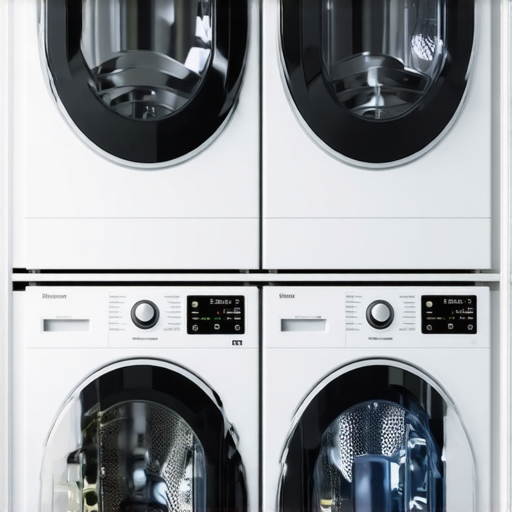
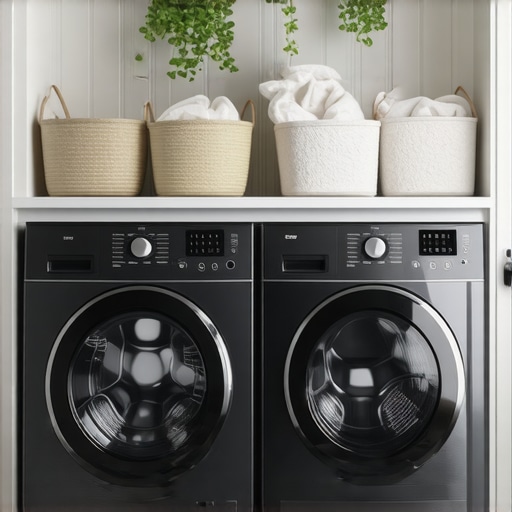
Discovering the Ideal Washer Capacity for My Home
When I first moved into my new apartment, I was overwhelmed by the myriad of washing machine options available. The decision boiled down to understanding my laundry needs, especially the washer capacity. I realized that choosing between a front load and a top load washer wasn’t just about style but about functionality and efficiency.
Why I Started Paying Attention to Washer Capacity
At the beginning, I underestimated the importance of washer capacity. I thought, “Any washing machine will do,” but I quickly learned that a mismatch between load size and washer capacity can lead to longer wash cycles, higher energy bills, and even damage to the machine. My experience with frequent small loads made me curious about how to optimize my laundry routine.
Understanding the Differences: Front Load vs. Top Load Washers
Through research and personal trial, I discovered that front load washers generally have a larger capacity and are gentler on clothes, making them perfect for bulky items like comforters. Conversely, top load washers are often more affordable and faster for smaller loads. I found that my choice depended heavily on my laundry habits and space constraints.
What Size Washer Fits My Lifestyle?
My typical laundry load includes bedding, towels, and everyday clothes. I learned that a washer with a capacity of at least 4.5 cubic feet is ideal for larger families or bulky items. For smaller households or those with limited space, a 3.0 to 4.0 cubic feet capacity might suffice. I also discovered that proper capacity ensures efficiency and longevity of the machine.
Should I Consider Energy Efficiency?
Absolutely. Larger capacity washers tend to use more water and electricity per cycle, but they can be more efficient overall if used correctly. I found that newer models with high-energy ratings help balance capacity and energy consumption, which is essential for eco-conscious living. For instance, I now prefer models with the ENERGY STAR label, which I learned from authoritative sources like the U.S. Department of Energy.
How Do I Know I’m Making the Right Choice?
My advice is to assess your typical laundry volume, available space, and budget. Don’t forget to consider long-term savings through energy efficiency. I also recommend reading detailed reviews and comparing models to find the best fit, like those on this comprehensive guide.
If you’re still unsure, share your experiences or ask questions below—I love hearing from fellow laundry enthusiasts! Picking the right washer capacity changed how I approach laundry, making it less of a chore and more of a breeze.
How Can Choosing the Right Washer Capacity Transform Your Laundry Routine?
Understanding the nuances of washer capacity is crucial for optimizing your laundry efficiency. A well-chosen capacity not only speeds up your laundry process but also extends the lifespan of your machine. For example, selecting a washer that perfectly matches your household’s typical load size prevents overworking the appliance and conserves energy. If you’re unsure about what capacity suits your needs, exploring detailed comparisons like this guide can provide valuable insights.
How Do Different Capacity Sizes Impact Your Laundry Efficiency?
Choosing a washer that’s too small for your laundry volume can lead to multiple loads, increasing water and energy consumption over time. Conversely, overly large machines might waste resources on small loads. For instance, households with frequent bulky laundry, such as bedding or comforters, benefit from larger capacities—typically around 4.5 cubic feet or more. Smaller households or apartments with limited space might find models around 3.0 to 4.0 cubic feet more practical. For an in-depth look at capacity considerations, check this comprehensive resource.
What Are the Practical Implications of Washer Capacity on Energy Consumption?
While larger washers often use more water per cycle, they can be more energy-efficient if used correctly. Modern, high-efficiency models are designed to optimize resource use, especially when fully loaded. The key is to match your laundry volume to your washer’s capacity, avoiding partial loads that waste energy. For eco-conscious consumers, selecting ENERGY STAR® rated models ensures a balance between capacity and efficiency. The U.S. Department of Energy provides authoritative guidance on this topic, ensuring your investment aligns with sustainable practices.
How Can I Balance Capacity, Space, and Budget for the Perfect Laundry Solution?
Assessing your laundry habits, available space, and financial considerations is essential. For example, if you frequently wash bulky items, prioritizing a larger capacity washer makes sense. However, if space is limited, a compact model with a slightly smaller capacity might be more practical. Always consider long-term savings—an efficient machine tailored to your needs reduces operational costs. Comparing models through detailed reviews and expert advice, such as this comparative guide, can help you make an informed choice.
If you’ve experienced challenges or success stories with different washer capacities, share your insights below! Your real-world experiences can help others navigate their laundry decisions more confidently.
Reflections on Finding the Perfect Balance Between Washer Capacity and Household Needs
Over the years, I’ve come to realize that selecting the right washer capacity isn’t just about the size of the machine—it’s about understanding the intricate dance between my laundry habits, space limitations, and long-term sustainability. My journey began with a simple desire for convenience, but it quickly evolved into a deeper exploration of how our choices impact the environment and our daily routines.
The Subtle Art of Matching Capacity to Lifestyle
Initially, I underestimated the importance of nuanced capacity considerations. I thought a larger machine was always better, especially for bulky items like bedding. However, I soon discovered that oversized washers, when used for small loads, can waste water and energy. Conversely, too small a capacity meant more frequent loads, which ironically increased overall resource consumption. This realization led me to experiment with different models, paying close attention to how capacity affected my efficiency and the longevity of my appliances.
Deep Dive: How Capacity Shapes My Eco-Conscious Choices
One aspect I’ve become increasingly passionate about is energy efficiency. Larger washers, particularly high-capacity models with ENERGY STAR ratings, can be highly efficient if used correctly—full loads, no partial cycles. I found that modern appliances designed for optimal resource use help me reduce my carbon footprint without sacrificing performance. According to the ENERGY STAR program, choosing high-efficiency washers with appropriate capacity can significantly lower water and electricity bills over time, aligning with my eco-conscious values.
What Makes an Ideal Washer Capacity for Different Household Dynamics?
From my personal perspective, the ideal capacity varies based on household size and laundry frequency. For a single person or a couple, a 3.0 to 4.0 cubic feet machine suffices, especially when space is tight. Larger families, on the other hand, often benefit from models exceeding 4.5 cubic feet, which handle bulky loads with ease and reduce the number of wash cycles needed. Exploring these options, I learned that understanding your specific laundry volume and item types is crucial—sometimes, a smaller capacity with smarter features can outperform a larger, less efficient model.
How Do I Balance Budget Constraints with Future Savings?
Budget considerations are always at the forefront of my decision-making. While high-capacity, energy-efficient models may seem costly upfront, the long-term savings on utility bills and machine durability justify the investment. I’ve found that reading detailed reviews and consulting authoritative guides, like this comprehensive resource, helps me identify models that strike the perfect balance between cost, capacity, and efficiency. It’s about making an informed choice that pays dividends over time.
Are There Hidden Nuances I Should Be Aware Of When Choosing Capacity?
Absolutely. One subtlety I’ve learned is that the drum size isn’t the sole determinant of capacity; features like drum design, agitator placement, and cycle options also influence how much laundry can be effectively washed. For instance, some front-load washers with larger drum diameters may still have limited capacity due to internal configurations. Additionally, considering future needs—such as potential family growth or lifestyle changes—ensures my investment remains relevant for years. If you’re curious about these nuances, exploring detailed comparisons like this insightful guide can shed light on complex capacity considerations.
Now, I’d love to hear from you—have you experienced surprises or insights when choosing washer capacity? Sharing your stories can help others navigate this often-overlooked aspect of appliance shopping. Remember, the right capacity isn’t just about fitting clothes in a drum; it’s about fostering efficiency, sustainability, and peace of mind in your daily laundry routine.
Refining My Approach: How Capacity Influences Long-Term Appliance Performance
Over time, I’ve realized that the true mastery of selecting the right washer capacity extends beyond immediate convenience—it’s about fostering sustainable appliance longevity and ensuring consistent performance. I found that a well-matched capacity minimizes mechanical stress, reducing wear and tear, which in turn prolongs the lifespan of my washer. This insight led me to delve deeper into technical specifications, such as drum load ratings and cycle engineering, to better understand how nuanced capacity fitting can prevent premature breakdowns.
Innovative Solutions: Integrating Smart Technology for Capacity Optimization
In my quest for efficiency, I explored how smart washers leverage technology to adapt to load sizes dynamically. Features like load sensing and adaptive cycle selection enable the machine to optimize water and energy use, regardless of capacity constraints. I was particularly impressed by models that utilize AI-driven algorithms to predict optimal washing parameters, thereby enhancing resource conservation. For detailed insights into these innovations, I recommend reviewing the comprehensive analysis available at this expert guide.
The Critical Role of External Factors in Capacity Planning
Beyond internal mechanics, external factors such as household lifestyle, space constraints, and even environmental conditions significantly influence capacity decisions. For instance, living in a humid climate may necessitate more frequent laundry cycles, affecting the ideal capacity choice. Additionally, space limitations often compel me to balance capacity with machine dimensions, ensuring that I don’t sacrifice functionality for footprint. Recognizing these factors has empowered me to tailor my laundry setup more precisely, aligning technical capacity with practical realities.
How Can I Further Tailor My Washer Choices to My Unique Laundry Ecosystem?
To refine my laundry ecosystem, I’ve adopted a holistic approach that includes analyzing my laundry patterns, storage options, and energy consumption metrics. For example, integrating smart energy monitors has allowed me to track real-time utility usage, revealing how different capacities impact my overall consumption. This data-driven approach enables me to make informed upgrades, such as opting for models with advanced cycle customization or higher efficiency ratings. I invite you to share your experiences or ask questions—let’s deepen our understanding of how capacity choices can revolutionize your laundry routine beyond the basics.
Engage with My Personal Journey: From Overcapacity to Precision Fit
My evolution from selecting a generic washer to mastering capacity alignment has been driven by continuous experimentation and reflection. I learned that an overly large machine for my modest household led to unnecessary resource expenditure, while a too-small model caused frequent overloads and cycle inefficiencies. By fine-tuning my choices based on detailed analysis and expert advice, I achieved a balance that optimized both performance and sustainability. I encourage you to explore your unique needs critically—every household is different, and tailored solutions yield the best results.
< >
>
The Future of Washer Capacity: Embracing Sustainability and Technological Advancements
Looking ahead, I see a future where washer capacity is seamlessly integrated with smart home ecosystems, enabling real-time adjustments based on household activity and environmental cues. Innovations like AI-powered capacity sensors and eco-friendly materials will further enhance durability and resource efficiency. For those eager to stay ahead, I recommend keeping an eye on emerging trends highlighted by authoritative sources like ENERGY STAR. This ongoing evolution not only promises better performance but also aligns with our collective responsibility to adopt sustainable practices in everyday living.
Things I Wish I Knew Earlier (or You Might Find Surprising)
1. Bigger Isn’t Always Better
In the beginning, I thought a larger washer meant fewer loads and less hassle, but I soon realized that oversized machines for small households can waste water and energy. Finding that sweet spot between capacity and efficiency has been a game-changer.
2. Capacity Affects Longevity
Using a washer that’s too small or too large for your typical loads can cause unnecessary wear and tear. I’ve learned that matching capacity to your actual laundry volume helps your machine last longer and perform better over time.
3. Energy Efficiency Is More Than Just Labels
I used to overlook the importance of energy ratings, but I found that models with proper capacity and high-efficiency ratings can significantly cut utility bills—especially when I follow best practices like full loads.
4. Space Matters More Than You Think
Sometimes, I picked a washer based solely on capacity, forgetting about size and fit within my space. Compact models with smart capacity use can be just as effective and easier to integrate into smaller homes.
5. Smart Technology Is a Plus
Modern washers with load sensing and adaptive cycles have made my laundry routine more efficient. They optimize water and energy use based on load size, which is a huge plus for eco-conscious living.
6. Future-proof Your Choice
Thinking ahead about possible changes in household size or laundry needs helps me choose a capacity that remains suitable long-term, avoiding the hassle of upgrading soon after purchase.
Resources I’ve Come to Trust Over Time
- ENERGY STAR: Their guidelines and ratings have helped me select energy-efficient appliances that align with my eco goals.
- U.S. Department of Energy: Their insights on appliance performance and efficiency are trustworthy and practical for everyday decisions.
- Consumer Reports: Their detailed reviews and comparisons have guided me toward models that balance capacity, cost, and durability.
- Smart Appliance Review Blog: A personal favorite for in-depth analysis and up-to-date trends in washer technology.
Parting Thoughts from My Perspective
Choosing the right washer capacity isn’t just a technical decision—it’s about understanding your unique household needs and making sustainable choices. Finding that perfect fit has transformed my laundry routine from a chore into an efficient, eco-friendly process. I encourage you to assess your laundry habits honestly, consider space and budget, and don’t be afraid to explore smart features that can optimize your experience. If this resonated with you, I’d love to hear your thoughts or experiences—sharing stories helps us all learn and grow. Feel free to drop a comment or share this with someone who might find it helpful.