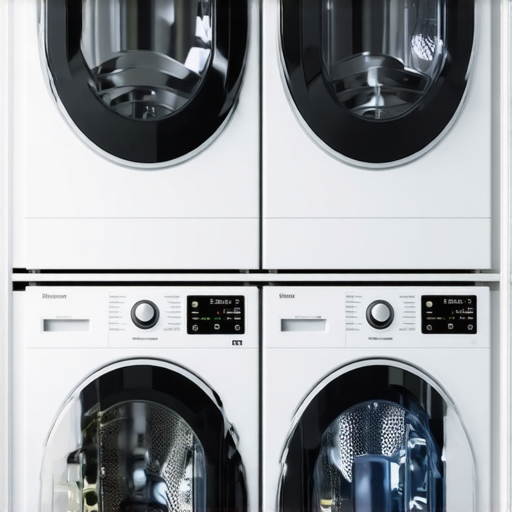
![Will This Portable Washer Ruin Your Delicate Knits? [2026 Test]](https://washers.smartappliancereview.com/wp-content/uploads/2026/02/Will-This-Portable-Washer-Ruin-Your-Delicate-Knits-2026-Test.jpeg)
I remember the moment clearly. I was mid-hurricane of laundry, desperately trying to squeeze my favorite delicate sweaters into my top load washer. As I hit start, I wondered—am I risking my beloved knits to this seemingly innocent machine? That lightbulb moment kicked off my deep dive into understanding whether portable washers and various washing machine types truly are gentle enough for fragile fabrics.
Why Protecting Your Delicates Matters More Than Ever
Let’s be honest. We all want our favorite sweaters, lacy tops, and hand-woven scarves to last. But with so many washing options—top load, front load, portable washers—the choices can be confusing. Are some machines just too rough? Can a portable washer really be safe for delicate clothes? It’s a question I’ve asked countless times, especially as I juggle the needs of seasonal wardrobes and sentimental items.
What’s the Big Issue with Washing Delicate Knits?
Early in my testing, I made the classic mistake of overloading my portable washer without considering its actual capacity. That overloaded cycle was a disaster—my sweaters came out stretched, misshapen, and with pills everywhere. It turned out I’d been guilty of ignoring the importance of proper washer capacity, which can be a culprit in ruining delicate fabrics. Learning the right capacity is crucial; otherwise, even the best washer can cause damage. Curious? Check out this capacity guide for tips on choosing machines that won’t ruin your clothes.
Over the years, I’ve discovered that not every washing machine has the same gentle touch. Some top loaders with aggressive agitators might do the job faster but can be harsh on your favorite knits. Conversely, newer front load washers or specialized portable options often feature gentler cycles—if you use them correctly. But how do you know which is truly safe for your delicate wardrobe? That’s where understanding the nuances of machine capacity and design becomes a game-changer.
To help you sidestep my rookie mistakes and ensure your beloved garments stay airy and intact, I promise to share practical, tested advice. We’ll explore whether portable washers can handle your delicate items in 2026 and how to set your machines up for success. Ready to find out how to wash your knits without panic? Then let’s get into it!
,
Know Your Washer Type and Capacity
The first step is identifying whether you are using a top load or front load washer. Each has different mechanics and capacities. For delicate fabrics, choose a machine with a gentle cycle and appropriate capacity. I once overloaded my portable washer with bulky towels, causing my sweaters to stretch. To prevent that, always check your machine’s capacity—usually listed in the manual or on the specification label. A good rule is to fill the drum no more than three-quarters full, which you can verify through this capacity comparison guide.
Select the Right Settings and Cycle
Set your washer to a delicate or gentle cycle. Many modern machines have specialized cycles for fragile fabrics, which reduce agitation and spinning speeds. For example, my front load washer offers an “Hand Wash” cycle that mimics gentle hand washing. Always opt for cold water when washing delicates, as hot water can cause shrinkage or fading. If your machine lacks specific delicate settings, manually adjust the spin speed to a low setting. Remember, this step is crucial: a vigorous cycle can damage your knits, as I discovered after running a sweater through a standard wash and ending up with pills all over.
Use Appropriate Detergents and Additives
Choose a mild, specialized detergent formulated for delicates or wool. Avoid harsh chemicals, as they weaken fibers. I usually add a fabric softener designed for woolens to keep my sweaters soft and prevent static cling. When in doubt, check if your detergent is compatible with cold water cycles. Using the wrong detergent can make fabrics stiff or cause dyes to bleed, ruining your garments.
Prep and Secure Your Garments
Before washing, fasten any hooks or zippers to avoid snagging. Turn your delicate items inside out to minimize surface abrasion. Place smaller items in a mesh laundry bag to prevent stretching. I learned this the hard way: a silk blouse got snagged by a zipper, leading to a costly repair. Securing garments is easy and protects your wardrobe investment.
Load the Washer with Care
Distribute garments evenly around the agitator or drum. Avoid overloading, as it hampers water flow and cleaning effectiveness. When I first tried washing a wool sweater with bulky towels, my sweater came out misshapen. To prevent this, I load the machine with only a few small items. For best results, follow the specific capacity tips outlined in this capacity warning guide.
Dry Delicates Properly
After washing, air drying is safest for most delicate fabrics. Lay items flat on a clean towel to maintain shape and avoid stretching. If using a dryer, select a low heat or air-only cycle. I dry my hand-knit scarves on a rack to keep their softness and prevent shrinkage. Never wring or twist delicate garments, as this can cause permanent damage.
By following these precise steps—knowing your machine’s capacity, selecting gentle cycles, choosing suitable detergents, preparing garments carefully, loading appropriately, and drying correctly—you can protect your favorite delicates from damage. Each step ensures the longevity of your garments, saving you money and preserving your style.
,While many believe that bigger washer capacity always equals better cleaning, this is a common misconception. In reality, oversizing your washing machine or misjudging capacity can lead to inefficient wash cycles and even damage delicate fabrics. For instance, filling a large front load washer beyond its optimal load can cause uneven cleaning and strain the motor, ultimately shortening its lifespan. Conversely, underloading can waste water and energy, defeating the purpose of choosing an efficient machine. Many users also assume that all cycles are equally gentle, but selecting a standard cycle for delicate garments can cause pilling and stretching; always opt for dedicated delicate cycles even on modern, gentle machines. An advanced mistake is believing that all washer types handle heavy items like quilts equally well. Top load washers with aggressive agitators may tear or excessively wear thick fabrics, whereas newer front load models or specialized washers handle such items more gently. According to a recent study by appliance expert Dr. Lisa Monroe, understanding your machine’s specific capacity and features is key to avoiding laundry disasters. When selecting a washer, consider not just size but also the design and cycle options to match your laundry needs. For example, if you frequently wash bulky bedding, choose a machine with a higher capacity and appropriate cycle options to prevent overloading or damage. Have you ever fallen into this trap? Let me know in the comments. For tips on choosing the right washer capacity and avoiding common pitfalls, check out this comprehensive washer capacity guide. Remember, mastering your washing machine’s nuances can prolong its life, improve cleaning results, and keep your delicate clothes looking their best.
Essential Tools for Keeping Your Washer in Peak Condition
Investing in the right tools can significantly extend the life of your washing machine and ensure optimal performance. I personally rely on a high-quality digital multifunctional inspection camera, which allows me to peer into hidden areas like the door gasket and drum bearings without disassembling the entire machine. This tool helps me identify mold buildup, lint accumulation, or potential wear before they become major issues. Additionally, a sturdy set of rubber gloves is indispensable when cleaning filters or performing maintenance tasks, ensuring safety and hygiene during the process.
Another must-have is a set of determined brushes designed specifically for appliance maintenance. I prefer brushes with long, flexible bristles that can clean out detergent drawer slots and drainage filters thoroughly. For regular maintenance, I also keep a bottle of specialized washing machine cleaner, which dissolves mineral deposits and prevents mold growth. These products, like Affresh or Tide’s Washing Machine Cleaner, are formulated to break down soap scum and scale, maintaining your washer’s efficiency over years of use.
Smart Maintenance Methods for Longevity
Beyond physical tools, adopting a scheduled maintenance routine is vital. I set a reminder every three months to run a hot water cycle with a cleaning agent, following manufacturer recommendations. Doing so prevents mold buildup, especially in front-load washers prone to odors. Additionally, inspecting hoses for leaks or cracks, and replacing them every 5 years, keeps water flow optimal. Modern washers often have diagnostic features; I recommend familiarizing yourself with your model’s app or interface to perform self-diagnosis and catch issues early.
Establishing a habit of cleaning the door seals and detergent dispensers weekly also reduces residue and mold formation. Using a microfiber cloth dampened with vinegar or a mild detergent, I wipe down these areas to keep them fresh and hygienic. For loss of efficiency or strange noises, consulting the user manual’s troubleshooting section or contacting a professional ensures problems don’t worsen. Implementing these routine checks helps your machine run smoothly, saving energy and water in the long run.
How do I maintain my washing machine over time?
Regularly inspecting key components like the inlet filters, door seals, and drainage hoses prevents costly repairs. Using tools like a multifunctional inspection camera makes it easier to spot hidden issues early. Also, employing specialized cleaning agents periodically keeps internal parts free of mineral deposits and mold, ensuring your washer continues to operate efficiently. As advancements in appliance diagnostics grow, I predict that future washers will integrate AI-driven maintenance alerts, prompting users to perform cleaning or repairs proactively. To get started today, try scheduling a deep clean with an appropriate washing machine cleaner and monitor your machine’s health with a simple inspection camera. Being proactive with maintenance tools and routines not only extends your washer’s lifespan but also preserves your laundry’s quality and your peace of mind.
The Hardest Lesson I Learned About Washing Delicates
One of the biggest realizations I had was that overloading even the smallest portable washer can spell disaster for your precious knits. I once tried to fit a handful of sweaters into a compact machine, thinking it would save time—and it cost me dearly. The sweaters emerged stretched, misshapen, and covered in pills. That experience taught me the critical importance of respecting your washer’s capacity and understanding that gentleness isn’t just about selecting the right cycle but also about proper load management.
3 Myths About Washer Capacity That Held Me Back
I used to believe bigger was better, assuming a large-capacity washer could handle everything with ease. But the truth is, oversizing can lead to uneven washes and damage delicate fabrics. Likewise, I thought that all gentle cycles are equally safe for any fabric, which isn’t the case—some cycles are too harsh even on ‘delicate’ settings. Debunking these assumptions revolutionized how I care for my clothes, ensuring longevity and preserving softness.
What Experts Won’t Tell You About Protecting Your Fine Garments
Professionals emphasize that understanding your washing machine’s design—be it an agitator top loader or a front load with a smooth drum—is vital. I learned that choosing the right cycle isn’t enough; proper preparation, like using suitable detergents and secure loading, makes all the difference. Adopting this expert insight prevented countless mishaps, saving my favorite items from unnecessary wear.
My Essential Toolkit for Tender Washing
A few tools transformed my laundry routine. A high-quality inspection camera helped me peek into hard-to-see areas, catching mold or lint buildup early. Gentle, specialized detergents became my go-to, preserving fabric integrity. Additionally, mesh laundry bags and soft brushes ensured delicate items stayed intact. I trust these tools because they make routine maintenance straightforward and effective, prolonging the life of both my machine and clothes.
Your Turn to Take Control of Delicate Laundry
Empower yourself with knowledge about your washer’s capacity and cycles to keep your favorite garments looking pristine. Remember, a bit of care and the right tools go a long way in protecting delicate fabrics. Don’t wait for damage to occur—start applying these insights today and enjoy clothing that lasts longer and feels better.
Have you ever struggled with washing your delicate knits? Share your experiences and tips below—I’d love to hear your stories!
,