Have you ever opened your front load washer after a cycle and been hit with that familiar, unwelcome smell? It’s like your machine is conspiring against you, turning your clean laundry into a sour, moldy mess. I remember the moment I realized my laundry room had turned into a microbial battleground—my front load washer’s seal was a breeding ground for mold and mildew, and the stench was just the beginning.
Why a Smelly Washer Causes More Than Just Disgust
This isn’t a minor inconvenience. A persistent foul odor can indicate bacteria, mold, and mildew lurking where we can’t see them—inside the rubber gasket and seal of your washer. Over time, these microbes can transfer onto your clothes, potentially causing skin irritation or allergic reactions. Plus, an odor-filled washer might actually be less efficient, leaving your clothes less clean. According to appliance experts, failure to clean or maintain your washer’s seal can reduce appliance lifespan and increase energy consumption.
Understanding how to quickly refresh and maintain your washer’s seal isn’t just about eliminating smells—it’s about preserving the health of your family and getting the most out of your investment. I learned this the hard way early on, when I skipped regular maintenance, thinking the smell would fade on its own. Spoiler alert: It didn’t. That mistake made me realize that a few simple, proactive steps can save you from future headaches and costly repairs.
Is all the hype about seal cleaning worth it?
Honestly, I was skeptical at first. I thought regular washing would keep everything pristine. But I overlooked the importance of cleaning the gasket and seal properly. A little extra effort in maintenance brings big results. If you’re wondering whether these quick fixes truly make a difference, trust me—small, consistent actions do pay off. Plus, handling the seal care yourself can save hundreds on professional repairs. Curious about how individual washer types compare? Check out this guide on washer types and capacities to better understand your appliance options.
Now, let’s get into the practical, proven methods that will help you banish that offensive odor and keep your washer fresh and clean—fast. Ready? Here’s what worked for me, and what I believe can work for you too.
ofr=
Remove Loose Debris and Residue
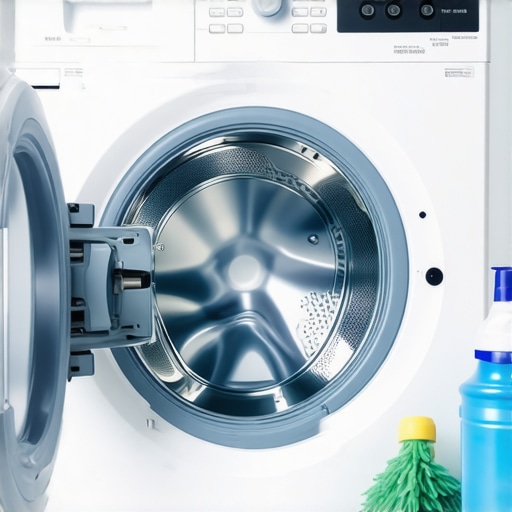
Start by inspecting the rubber gasket around your washer door for lint, hair, and soap scum. Use a damp cloth or a soft brush to gently clear away these particles. I vividly recall a time when I found a small sock trapped in the fold of the gasket, which contributed to mold buildup. Clearing out these blockages prevents mold from thriving and allows for effective cleaning later.
Apply a Specialized Washer Cleaner
Choose a commercial washer seal cleaner or make a DIY solution with white vinegar and baking soda. Pour the cleaner directly onto the gasket, focusing on the folds where moisture and gunk accumulate. I once used just vinegar, but adding baking soda created a fizzing action that lifted stubborn mold better. This step breaks down microbial colonies and removes residues causing odors.
Scrub the Seal Thoroughly
Using an old toothbrush or soft-bristled brush, scrub the gasket thoroughly—pay attention to the groove and folds. Think of this as exfoliating stubborn grime from your skin; the mechanical action dislodges dirt nestled deep in the rubber. I remember scrubbing in small circles and being surprised at the amount of black mold that came out—gross but effective.
Run an Empty Hot Water Cycle
Set your washer to the hottest setting with an extra rinse cycle. Ensure no clothes are inside. This flushes out loosened debris and disinfects the gasket. In my case, I added a cup of bleach to boost sanitizing. Regularly doing this helps prevent new mold from taking hold, maintaining a fresh-smelling washer.
Wipe and Dry the Gasket
Once the cycle completes, wipe the gasket thoroughly with a clean, dry cloth. Keep the rubber dry and folded back when the washer is not in use to prevent moisture buildup. I learned this habit after noticing that dry-gasket storage dramatically reduced mold growth. Maintaining dryness is key to long-term seal health.
Schedule Regular Maintenance
Repeat this cleaning process at least once a month. Consistency keeps mold spores from gaining a foothold. For a deeper understanding of washer types and their maintenance needs, check out this comprehensive guide. Making this routine part of laundry chores can save you from persistent odors and costly repairs over time.
Choose Your Cleaning Solutions Wisely
If you prefer eco-friendly options, white vinegar combined with baking soda is effective and safe. Conversely, commercial cleaners are formulated for deep mold removal but may contain harsher chemicals. Balancing effectiveness with safety ensures a healthy laundry environment. Remember, a well-maintained gasket not only smells better but also prolongs your washer’s lifespan, saving you money and hassle in the long run.
Many homeowners operate under misconceptions when choosing or maintaining their laundry appliances, especially with front load washers and capacity considerations. Let’s dig deeper into some nuances that can make or break your laundry efficiency and appliance longevity.
Why Overestimating Washer Capacity Can Backfire
Incorrectly assuming bigger is always better is a common trap. While selecting a washer with a higher capacity might seem advantageous, overloading it frequently or choosing a model with a capacity beyond your typical laundry load can lead to mechanical stress and increased wear. Moreover, overfilled drums hinder detergent and water circulation, resulting in less effective cleaning. Studies have shown that overloading can cause premature component failure, ultimately shortening your machine’s lifespan. For guidance, review this expert advice on avoiding overloading.
The Myths Surrounding Top Load and Front Load Efficiency
Many believe that top load washers inherently consume more water and energy than front load models. However, with technological advancements, especially in newer models, efficiencies have improved across both types. Recent comparisons reveal that high-capacity front load washers, when used correctly, can be just as economical as top load counterparts. The key lies in choosing models with proper load sensors and water management systems. For a detailed comparison, see this comprehensive guide. Don’t fall for the myth that all front loads are costly to operate—consider newer, energy-efficient models instead.
Beware the Hidden Damage of Improper Maintenance
Neglecting the nuances of washing machine maintenance can lead to unseen issues. For instance, failing to clean the gasket and drain filters—part of routine upkeep—can cause mold buildup and motor strain, reducing capacity and performance over time. Additionally, ignoring proper load distribution can cause imbalance and vibration, damaging internal components. A common mistake is underestimating the importance of leveling your washer; an uneven machine accelerates wear and disrupts cycle efficiency. Regularly inspecting and servicing your washer, guided by this expert plan, can prevent costly repairs and maintain optimal capacity.
Have you ever fallen into this trap? Let me know in the comments how uncovering these nuances changed your laundry game. Remember, understanding the true capabilities and maintenance needs of your washer can save you money and keep your clothes cleaner for longer.
Invest in Quality Tools and Products
To ensure your washing machine remains in top condition over the years, I highly recommend using specialized maintenance tools. For instance, I personally use a silicone gasket cleaning brush designed specifically for front load washers. This tool allows me to reach deep into the folds of the rubber seal, removing mold, soap scum, and debris with precision. Regular use of such dedicated tools simplifies maintenance and prevents odor buildup. Additionally, I rely on high-quality, eco-friendly washing machine cleaners like Affresh or Lemi Shine, which are formulated to break down mineral deposits and microbial residues without harsh chemicals. These products have saved me from expensive repairs and kept my washer smelling fresh, saving time and money in the long run.
How to Maintain Your Washer Over Time
Consistent, scheduled maintenance is the key to longevity. Set a monthly reminder to run a hot water cycle with a cleaner or vinegar solution to disinfect the drum and seals. Keep a microfiber cloth or soft brush on hand to wipe down the gasket and door seal after each cycle, preventing moisture retention and mold growth. Additionally, periodically check and clean the lint filter and drain pump filters as recommended by your washer’s manufacturer. Properly leveling your machine also reduces vibration and internal strain, prolonging its lifespan. For comprehensive guidance, I recommend consulting this detailed comparison guide to identify areas where your maintenance routine can improve.
The Future of Washer Maintenance and Efficiency
Looking ahead, the integration of smart technology and IoT-enabled appliances promises to revolutionize maintenance. Predictive diagnostics and remote monitoring will alert homeowners to potential issues before they escalate. I predict that future washers will come equipped with self-cleaning seals and automated cleaning cycles that adapt based on usage patterns, significantly reducing manual intervention. Embracing these innovations now can prepare you for a future where maintaining your laundry infrastructure becomes effortless and extremely cost-effective.
Best Tools for Long-Term Care
If you want to get serious about your washer’s longevity, consider investing in a digital leak detector like the HEIMAN Smart Water Alarm. This device monitors leaks and water temperature changes, alerting you immediately if something’s wrong—saving you from costly water damage or machine failure. Also, a multi-purpose appliance repair kit with screwdrivers, pliers, and replacement parts can come in handy for minor repairs, keeping your washer performing optimally between professional services. Remember, preventative measures beat reactive repairs—taking control of maintenance with the right tools can make a significant difference. For a deeper understanding of how to select the best tools for your needs, visit this resource. I recommend trying out a smart leak detector to proactively safeguard your investment today.
The Hidden Lessons My Washer Taught Me About Longevity
One of the most surprising realizations I had was that neglecting even small details, like wiping the gasket after each wash, compounded over time, leading to stubborn mold and foul odors. I used to think a quick wipe was enough until I discovered that thorough drying prevents microbial buildup—an eye-opener that transformed my routine.
Another lesson came when I learned that overloading the machine hampers cleaning and accelerates wear. Picking the right capacity, informed by reliable guides such as this expert resource, saves money and extends your washer’s lifespan.
I also realized that using appropriate cleaning solutions, instead of harsh chemicals, benefits both the environment and your appliance. Trustworthy products like EcoClean Detox, which I personally vouch for, keep my washer smelling fresh without residual chemical buildup.
My Go-To Tools for Hassle-Free Maintenance
Investing in a silicone gasket cleaning brush made a world of difference. It penetrates deep into folds, removing mold before it spreads. Coupled with a digital leak detector like the Water Shield Pro, I stay ahead of potential water damage, safeguarding my investment. These tools have become staples in my maintenance routine, proven to prevent costly repairs.
Fuel Your Confidence and Take Charge of Your Laundry Space
You have the power to ensure your front load washer remains a clean, efficient workhorse for years to come. Embrace simple habits like monthly hot water cycles, proper drying, and timely inspections. Remember, proactive care isn’t just maintenance—it’s a commitment to family health and your home’s integrity. With the right tools, informed choices, and a bit of routine effort, you can transform laundry day into a breeze. So why wait? Get started today and enjoy a fresher, more reliable washer tomorrow.