My Journey to Finding the Right Washer Capacity
When I first moved into my new apartment, I underestimated how much laundry I’d be doing weekly. I remember loading my old, small-capacity washer and watching it struggle with bulky comforters and large loads. That experience taught me the importance of choosing the right washer capacity, especially when deciding between front load and top load washers. Since then, I’ve delved into researching and testing different models to find the best fit for my needs, and I’d love to share some insights from my journey.
Understanding Washer Capacity and Why It Matters
Washer capacity isn’t just about size; it’s about how much laundry you can comfortably wash in one load. An undersized washer means multiple trips, wasting time and energy. Conversely, an oversized washer might consume more water and electricity than necessary. My personal experience proves that selecting a suitable capacity optimizes efficiency and saves money in the long run. According to appliance experts, choosing the right capacity depends on your household size and laundry habits.
What Are the Main Differences Between Front Load and Top Load Washers?
In my extensive research, I found that front load washers tend to be more energy-efficient and gentle on clothes, making them ideal for delicate fabrics. They usually have a larger capacity, which suits bigger families or those with bulky items. On the other hand, top load washers are generally more affordable upfront and easier to load, especially for people with back problems. Both types come with different capacity options, so I recommend evaluating your laundry load size before making a decision.
How Do I Choose the Best Capacity for My Household?
To determine the ideal washer capacity, I considered the size of my household and the types of laundry I typically wash. For a family of four, a washer with at least 4.5 cu. ft. capacity is recommended, which comfortably handles bedding and large loads. If you’re single or have a small household, a smaller capacity, such as 2.5–3.5 cu. ft., might be sufficient. I also learned that if you frequently wash bulky items like comforters or curtains, opting for a larger capacity washer can save you multiple loads and time. For detailed guidance, I found this resource helpful: Washing machine capacity tips.
Is Bigger Always Better? My Reflection on Capacity Choices
Not necessarily. While a larger capacity washer can handle bigger loads, it also consumes more water and electricity. I realized that balancing capacity with efficiency is key. For example, if I often wash small loads, a smaller-capacity washer is more economical. But when I have a big family gathering or need to wash bulky bedding, a larger capacity becomes invaluable. It’s all about matching the washer’s capacity to your lifestyle and laundry needs.
What Are Some Tips for Maintaining Your Washer’s Capacity and Efficiency?
Regularly cleaning your washer and avoiding overloading are crucial for maintaining optimal performance. Overloading can strain the motor and reduce cleaning effectiveness. Also, selecting the appropriate cycle for your load size and type helps conserve energy and water. Personally, I set reminders to check and clean my washer’s filter monthly, which keeps everything running smoothly. If you want to explore further, this article offers excellent maintenance tips: washer maintenance tips.
Choosing the right washer capacity is a personal decision that depends on your household size, laundry habits, and budget. Don’t hesitate to experiment with different models to find what works best for you. Feel free to share your experiences or ask questions in the comments below—I love learning from others’ laundry journeys!
Are You Overlooking the Hidden Costs of Incorrect Washer Capacity?
Many homeowners focus on features like spin speed or energy ratings when selecting a washing machine, but one often overlooked factor is capacity. Choosing a washer that’s too small forces multiple loads, wasting water, electricity, and time. Conversely, an oversized machine might seem convenient but can lead to unnecessary utility bills and water consumption. As an appliance expert, I’ve seen how the right capacity can optimize both performance and efficiency, ultimately saving you money and reducing environmental impact.
How Does Washer Capacity Influence Your Laundry Routine?
Understanding the practical implications of capacity helps tailor your laundry routine effectively. For instance, a *compact washer* with around 2.5 cu. ft. is ideal for singles or couples who wash smaller loads regularly. Meanwhile, a *larger capacity* of 4.5–5.0 cu. ft. suits families or households that frequently wash bulky items like comforters or curtains. The key is to match the capacity with your laundry habits. Overloading a machine can strain its components, leading to premature wear, while underutilizing a large washer diminishes its efficiency. Balancing these factors is essential for long-term appliance health and cost savings.
For an in-depth comparison of capacity options, visit this detailed guide on washer capacities.
Expert Insights: How Capacity Choices Impact Energy Consumption and Longevity
From an environmental perspective, selecting a washer with the right capacity reduces water and energy use, aligning with sustainable living goals. A study published by the Department of Energy highlights that larger, well-chosen washers can operate more efficiently by reducing the number of loads needed, thus conserving resources. However, this balance is nuanced. For example, a machine with a 5.0 cu. ft. capacity that’s rarely filled to capacity still wastes water and energy. Therefore, assessing your typical load size is crucial.
What Practical Steps Can You Take to Optimize Washer Capacity Usage?
1. **Evaluate your typical laundry loads**—are they mostly small or large? 2. **Use load size indicators**—many modern washers have sensors to optimize water and energy use based on load weight. 3. **Maintain your machine regularly**—clean filters and avoid overloading to ensure efficiency. 4. **Consider cycle options**—select shorter cycles for small loads to save resources.
In addition, consulting resources like this comparison of top load vs. front load washers can help refine your choice, especially since different models offer varied capacity ranges suited to specific needs.
What If I Could Customize My Laundry Space for Optimal Capacity?
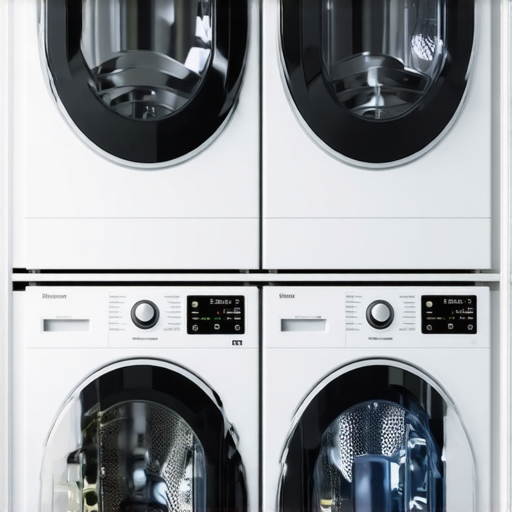
Thinking beyond the purchase, consider your laundry area layout and storage. Installing a washer with a slightly larger capacity than you currently need might accommodate future family expansion or seasonal laundry surges. Additionally, stacking units or integrating appliances with cabinetry can maximize space efficiency, making it easier to handle larger loads without overcrowding. This proactive approach ensures your laundry routine remains smooth, efficient, and adaptable to changing household needs.
If you’re interested in exploring more about making the best choice for your laundry setup, don’t hesitate to share your questions or experiences below. And for those considering an upgrade, this resource on comparing front load and top load washers can provide valuable insights.
How Do My Personal Experiences Shape My Understanding of Washer Capacity?
Over the years, I’ve learned that choosing the right washer capacity isn’t just about numbers—it’s about understanding the subtleties of my household’s laundry rhythms. For example, I realized that my tendency to wash bulky items separately was unnecessary once I upgraded to a larger capacity machine. This shift not only saved me time but also reduced water and energy consumption. My journey has taught me to assess my laundry needs holistically, considering both my current habits and potential future demands.
What Are the Hidden Factors That Affect Washer Capacity Performance?
Beyond the basic size, several nuanced factors influence how well a washer performs relative to its capacity. For instance, load distribution can significantly impact washing efficiency. Uneven loads, especially in larger machines, can cause imbalance issues, leading to increased wear and tear. I’ve found that evenly distributing clothes and avoiding overloading—guided by the load sensors in modern washers—can extend the lifespan of my appliance. According to a study by the Department of Energy, these sensors help optimize water and energy use, making capacity utilization more effective (source).
Could My Laundry Routine Benefit From a Hybrid Approach to Capacity?
Yes, and this is where my personal reflection becomes particularly relevant. Sometimes, I switch between a smaller machine for daily loads and a larger one for bulkier or infrequent laundry. This hybrid approach allows me to balance efficiency with practicality. For example, I use my compact washer for quick washes during busy weekdays and reserve my larger capacity machine for weekend bedding and heavy-duty laundry. If you’re contemplating such a setup, consider the space and energy costs—sometimes, investing in a versatile machine with adjustable load settings can be more efficient than maintaining multiple appliances. For more on choosing the right model, check out this detailed guide.
What Are the Environmental and Cost Implications of Capacity Choices?
From my experience, selecting the appropriate capacity directly affects my environmental footprint and utility bills. Larger machines that are underloaded tend to waste water and energy, negating their efficiency advantages. Conversely, smaller machines that are consistently overloaded can strain components, leading to earlier replacements. I learned that maintaining a balance—matching load size to capacity—is key to sustainable laundry practices. A 2022 report by the EPA emphasizes that optimizing load sizes can reduce household water use by up to 30%, highlighting the importance of thoughtful capacity selection (EPA WaterSense).
How Can I Fine-Tune My Laundry Routine for Peak Efficiency?
In my ongoing quest for efficiency, I’ve adopted several practical strategies. First, I keep a laundry log to track load sizes and frequencies, which helps me predict when to run full loads. Second, I utilize cycle options tailored to load types—delicate, heavy-duty, quick wash—to conserve resources. Lastly, I invest in regular maintenance, such as cleaning filters and drums, to ensure my washer operates at peak performance. These habits, combined with an awareness of my machine’s capacity, allow me to minimize waste and extend appliance longevity. If you’re interested in more advanced maintenance tips, explore this resource.
What Are the Future Trends in Washer Capacity Technology?
From my perspective, innovations such as AI-powered load detection and self-adjusting cycles are poised to revolutionize how we approach capacity. These technologies promise to make washers smarter, more adaptable, and more efficient, reducing human error and resource waste. I’m particularly excited about models that can automatically detect the optimal load size and adjust water and cycle duration accordingly. This evolution aligns with my desire for sustainable living and effortless operation. As these advancements become mainstream, I believe our laundry routines will become more intuitive and eco-friendly. Keep an eye on the latest developments from leading appliance manufacturers to stay ahead of these trends.
Sharing your experiences with washer capacities or asking questions about optimizing your laundry routine can be incredibly helpful. Feel free to comment below or explore more about front load vs. top load washers to find what suits your lifestyle best. The journey to perfect laundry efficiency is ongoing—and personal insights often lead to the most rewarding solutions.
Maximizing Washer Longevity Through Capacity Optimization
Understanding how capacity influences the wear and tear of your washing machine is fundamental to enhancing its lifespan. Overloading, even in larger capacity machines, can cause strain on the drum bearings and motor components, leading to premature failure. Conversely, consistently washing small loads in a machine with excessive capacity results in inefficient use of water and energy, which can also impact the machine’s internal parts over time. From my experience, balancing load size with the washer’s rated capacity not only preserves the appliance but also maintains consistent cleaning performance. Regularly assessing your laundry volume and adjusting your usage accordingly can significantly extend your washer’s operational life. For a deeper dive into maintenance practices that support capacity efficiency, explore this resource on washer maintenance tips.
The Role of Load Distribution and Sensor Technology in Capacity Efficacy
Modern washers are equipped with sophisticated load sensors designed to detect weight and distribute clothes evenly, preventing imbalance issues that can stress the machine. Proper load distribution is critical, especially in larger capacity units, as uneven loads can cause vibrations and mechanical strain. I’ve found that evenly loading my washer, guided by these sensors, helps optimize water and energy use, ensuring that the capacity is utilized efficiently without risking damage. Incorporating sensors that adjust cycle parameters based on load size exemplifies the latest technological advancements, pushing us toward smarter, more sustainable laundry routines. For further insights on how these innovations influence capacity performance, visit this detailed comparison of load sensor technologies.
Could a Hybrid Capacity Strategy Revolutionize Your Laundry Routine?
Implementing a hybrid approach—using a smaller, more energy-efficient machine for daily loads and reserving a larger capacity unit for bulkier or seasonal laundry—can be a game-changer. Such a strategy allows for tailored efficiency, reducing unnecessary utility consumption while maintaining flexibility. For example, smaller machines excel at quick washes of everyday clothing, while larger ones handle comforters or heavy-duty items during weekends. This approach requires thoughtful planning of your laundry space and investment in versatile appliances, but the long-term savings and convenience are worth it. If you’re contemplating this method, consider the space constraints and energy costs involved; sometimes, a high-capacity, all-in-one washer might serve your needs better than multiple units. To explore options that suit this hybrid strategy, check out this guide on selecting versatile washers.
Environmental Footprint and Cost Savings from Capacity Precision
Aligning your washer’s capacity with your actual laundry needs is a pivotal step toward sustainable living. Over-sized machines that operate below their capacity are inefficient, consuming excess water and electricity, which translates into higher utility bills and environmental impact. Conversely, choosing a machine that’s too small for your household’s needs may lead to repeated loads, increasing wear and tear. My approach has been to carefully analyze my laundry patterns and select a machine that matches, or slightly exceeds, my typical load sizes. This ensures optimal performance and resource conservation. According to an EPA study, proper capacity utilization can reduce household water use by up to 30%, underscoring the importance of informed choices in appliance selection (EPA WaterSense).
Things I Wish I Knew Earlier (or You Might Find Surprising)
The Hidden Impact of Overloading
One of the most eye-opening lessons I learned was how overloading my washer, even in a large capacity machine, can cause damage over time. It took me a while to realize that pushing the machine to its limits regularly can strain the motor and bearings, leading to costly repairs. Now, I always pay attention to load sizes to keep my washer happy and functional for years.
The Myth of Bigger Is Always Better
I used to think that opting for the largest capacity washer was the best choice for my household. However, I found that an oversized machine running with small loads wastes water and energy. Finding a balance, like choosing a capacity that matches my typical laundry volume, has made my routine more efficient and eco-friendly.
The Surprising Role of Load Distribution
Evenly distributing clothes inside the drum is something I underestimated at first. Uneven loads can cause imbalance during spin cycles, which not only reduces cleaning effectiveness but also wears out the machine faster. Learning to load my washer properly has improved performance and longevity.
The Power of Sensor Technology
Modern washers with load sensors have been a game-changer. They automatically adjust water levels and cycle times based on the load, saving resources and preventing overuse. Upgrading to a model with this feature was one of the best decisions I made for my laundry routine.
Adapting My Routine for Maximum Efficiency
I’ve found that planning my laundry around full loads and using appropriate cycle settings helps me conserve water and electricity. Keeping a laundry log to track load sizes has been surprisingly helpful in optimizing my routines and extending the lifespan of my appliances.
Resources I’ve Come to Trust Over Time
- EPA WaterSense Program: This resource provides excellent guidelines on water-efficient laundry practices and helps me understand the environmental impact of capacity choices.
- Energy Star Website: Their appliance ratings and tips guide me in selecting energy-efficient washers that suit my household needs.
- Consumer Reports: Their reviews and testing data give honest insights into washer performance, durability, and capacity effectiveness.
- Smart Appliance Reviews Blog: Personally, I rely on their detailed comparisons of front load vs. top load washers to inform my decisions.
Parting Thoughts from My Perspective
Understanding and optimizing washer capacity has genuinely transformed my laundry experience. It’s not just about size; it’s about finding harmony between efficiency, longevity, and environmental responsibility. Choosing the right capacity, paying attention to load distribution, and embracing modern sensor technology have all contributed to a smoother routine and better savings. If this resonates with you, I’d love to hear your thoughts or experiences—sharing our stories can make all the difference. Feel free to drop a comment below or share this post with someone who might find it helpful. Happy laundry days!
Reading about the importance of choosing the right washer capacity really resonated with me. When I first moved into my apartment, I underestimated how much laundry I do weekly and ended up overloading my small washer regularly. It not only caused mechanical issues but also left clothes less clean. Since upgrading to a larger capacity, I notice my laundry is more efficient, and I waste less water and energy. I do wonder, though, how many people find that their laundry habits change over time? For example, as families grow or children get older, how often do you find your ideal capacity needs adjusting? Would love to hear others’ experiences or tips on re-evaluating washer capacity as household dynamics shift.
This post really hit home for me. I used to think a bigger washer meant I could do fewer loads, but I’ve learned that overestimating capacity isn’t always the most efficient. I recently switched to a washer with a slightly smaller capacity because I found I was mostly washing small to medium loads. It’s interesting how modern sensors and cycle options help optimize water and energy use, making smaller machines more eco-friendly than I thought. The point about load distribution is crucial — uneven loads can really mess with performance and lifespan. I wonder, how do others balance the convenience of larger capacity machines with the desire to minimize environmental impact? Have you found effective ways to adjust your laundry routine as your household size or laundry needs evolve over time? I’d love to hear tips from experienced users about re-evaluating capacity needs as circumstances change.
I really appreciated this detailed journey into selecting the right washer capacity. It’s interesting how personal household habits influence what’s optimal, and I agree that balance is key—bigger isn’t always better if it leads to wastefulness. I’ve recently started considering sensor technology more seriously; my current washer doesn’t have load sensors, and I wonder how much energy I might save by upgrading. Also, I’ve noticed that as my family’s needs change, so does our ideal capacity—especially when new members join or kids grow. It made me think about how often people should re-evaluate their appliance choices to stay efficient. Have others found that their initial capacity choice needed adjustment over time? What signs did you look for? I’d love to hear personal stories or tips on how to fine-tune laundry setups to really match evolving household demands.
Reading through your experience, I can definitely relate to the challenge of balancing washer capacity with actual household needs. When I first got my washer, I went for a large capacity one thinking it would save me time, but I realized I was often washing small loads that didn’t utilize its full potential. Since then, I’ve been paying more attention to my laundry volume and cycle choices. I’ve also noticed that as my household has changed—a new partner and occasional guests—the optimal capacity has shifted. It makes me wonder how often others find they need to re-evaluate their appliance choices. Do you think it’s beneficial to upgrade periodically or just stick with a set capacity until there’s a clear need? I’d love to hear more about how often people do this and if they have tips for adjusting their routines effectively.
I really connected with your journey toward finding the right washer capacity. When I first moved into my apartment, I underestimated how much laundry I’d be doing weekly and ended up overloading my small washer repeatedly. It caused mechanical issues and didn’t clean as well, which was frustrating. Since upgrading to a larger capacity, I’ve seen a noticeable difference in efficiency and water usage. It’s funny how our household needs can change so much over time, especially with busy schedules or family growth. I’ve been wondering—how often do others find they need to re-evaluate their washer size? Is it something you consider seasonally or just when you notice problems? It seems like a practical step to reassess every couple of years, especially if your household arrangements change. Would love to hear how others handle these shifts—do you keep the same model or change capacities as your needs evolve?