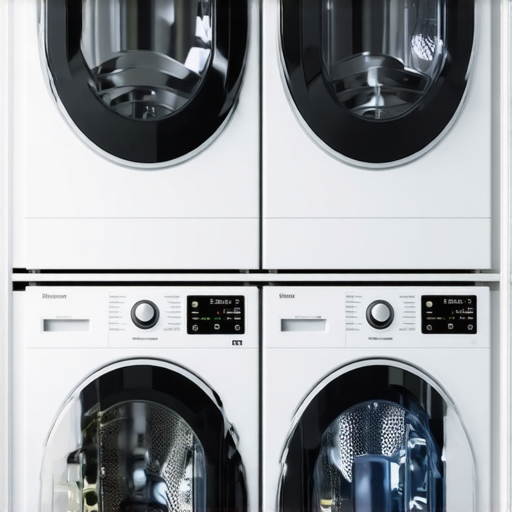
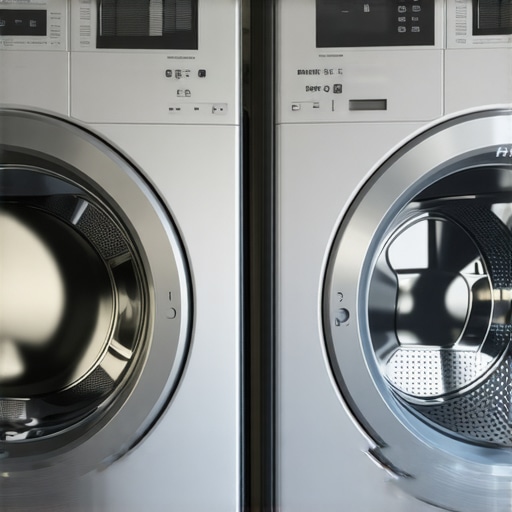
I remember the moment it hit me—standing in my laundry room, piles of clothes growing faster than I could fold them, and my tired shoulders aching from hauling heavy, half-full loads into the washer, only to realize I had just wasted time and energy. That lightbulb moment made me question: am I choosing the right washer? It’s a common frustration many of us face: getting an appliance that’s just not up to the task or worse, wasting money on features that don’t serve our actual needs.
Why Picking the Right Washer Matters More Than Ever
Choosing between a front load and a top load washer isn’t just about style or brand—it directly impacts your laundry efficiency, energy bills, and how quickly your mountain of clothes gets tackled. Whether it’s a bustling household or a quiet apartment, the capacity you need can make the difference between laundry day being a quick task or an exhausting chore.
Recent studies highlight that improper washer capacity can lead to increased water and energy consumption, raising costs and environmental impact. For example, a 2024 report from the Department of Energy emphasizes that selecting an appropriately sized machine reduces energy usage by up to 25%. That’s a significant saving, especially for busy families or eco-conscious shoppers.
But here’s the real kicker—early on, I made a mistake that many of us do: I bought a high-tech, fancy washer with all the bells and whistles, assuming bigger was always better. Turns out, I was wrong. The larger capacity models often used more water and electricity when I didn’t need their full load. A smarter choice, I discovered, was understanding my actual laundry habits and matching my washer’s capacity accordingly. If you’re wondering how to navigate this, I’ll guide you step-by-step.
Thinking about upgrading or replacing your old machine? Before you make a decision, ask yourself: does my current washer truly suit my household’s needs? If not, you’re not alone. Many folks miss out on better efficiency and savings simply because they overlook this crucial part of the decision. For more insights, you can explore our comprehensive guide on [choosing the right washer](https://washers.smartappliancereview.com/ultimate-guide-to-choosing-the-right-laundry-washer-front-vs-top-load-in-2025). And trust me, making the right choice now will save you headaches—and money—in the long run.
So, are you tired of laundry being a never-ending chore with an inefficient machine? Keep reading—I’ll show you how to decide between front load and top load washers based on capacity, efficiency, and your unique needs, ensuring your laundry routine becomes a breeze rather than a burden.
Assess Your Laundry Habits Carefully
Start by tracking your weekly laundry. Note how many loads you do and how large they are. For example, I once realized I was only doing one or two small loads per week, so I didn’t need a massive capacity. This step resembles evaluating your grocery list before buying a refrigerator; it’s about understanding your specific needs to avoid overspending on unnecessary features. Take a week to observe your routine, then proceed to match a washer size to your actual volume.
Measure Space and Decide on Washer Type
Next, measure the space available in your laundry area. For instance, a tight closet may only accommodate a front load washer, which is more compact and efficient. Consider the mechanics: front load washers tend to fit better in small spaces, while top load washers often come with larger capacities and easier loading. Choose the type that complements your space and lifestyle.
Determine Optimal Capacity Based on Household Size
Use household size as a guide: a single person typically needs a machine with 3.5-4.5 cubic feet capacity, while a family of four might require 4.5-5.5 cubic feet. I once bought a small washer assuming it would save space, but I ended up doing multiple loads because it was too small for my family’s laundry volume. To avoid this mismatch, consult our washer capacity tips for tailored advice.
Match Capacity to Your Washing Frequency
Think about how often you wash and load your machine. If laundry piles up quickly, opt for a larger capacity to handle full loads efficiently. For example, I started washing every other day instead of piling laundry, which allowed me to choose a machine that handled larger loads less frequently. This step saves time and energy, similar to how a bigger car reduces the number of trips when moving furniture—you get more done with less effort.
Evaluate Energy and Water Efficiency
Choosing a washer with the right capacity also impacts your utility bills. Bigger isn’t always better if you’re only doing small loads—large machines can waste resources. I learned this lesson when I upgraded to a high-capacity front load washer; I realized I was wasting water on partial loads. To avoid this, review energy-efficient models and consult our detailed guide on finding the perfect washer capacity that balances capacity and efficiency.
Test and Adjust as Needed
If possible, test your selected washer with your typical laundry loads. During my initial trial, I noticed that my chosen model, though perfect on paper, struggled with bulky bedding. This experience taught me to consider load shapes and adjust capacity expectations accordingly. Remember, selecting the right washer capacity is an iterative process—start with these steps, then refine based on real-world use.
Many people assume that bigger washing machines always mean better performance or efficiency, but this isn’t necessarily true. A common misconception is that a larger capacity machine will automatically handle all laundry needs with fewer loads. However, overspending on a machine with excessive capacity can lead to wasted water and energy, especially if your household doesn’t frequently fill it. According to experts, choosing a washer that matches your actual laundry volume ensures optimal efficiency and savings.
Can You Overestimate Your Washer’s Capacity for Your Needs?
Believing that a top load washer with the largest capacity is the best choice often leads to costly mistakes. Larger machines tend to be less energy-efficient per load when you only do small washes, which is common in many households. Moreover, many assume front load washers are always better, but in reality, the best choice depends on individual habits and space constraints. For example, if you prefer quick, small loads, a smaller top load might serve you better. Therefore, assessing your laundry frequency and load sizes is crucial. A study from appliance efficiency experts emphasizes that matching capacity with your actual use is the key to maximizing both efficiency and lifespan of your washer (see https://washers.smartappliancereview.com/best-laundry-washer-capacity-tips-front-load-vs-top-load-showdown).Maintaining your washing machine’s performance over the long term requires more than just occasional cleaning; it involves investing in the right tools and implementing a consistent maintenance routine. One of my top recommendations is using a high-quality microfiber cloth and a gentle cleaning solution to regularly wipe down door seals, detergent dispensers, and exterior surfaces. This simple habit prevents mold buildup and keeps your appliance looking new. Additionally, I rely on a digital multimeter to periodically check the electrical connections and ensure the motor and control panels are functioning correctly, which has saved me from costly repairs in the future.
To keep your washer running efficiently, it’s vital to pay attention to vibration levels during operation. If you notice unusual noises or shaking, I recommend inspecting the leveling feet and tightening any loose bolts. An adjustable spirit level is invaluable for this task, ensuring your machine remains perfectly balanced. For filtering out debris that may clog internal parts, investing in a drain snake or small brush helps clear hoses and filters effectively, extending the lifespan of your washer.
How do I maintain my washer over time?
Implementing a monthly cleaning schedule using descaling agents for front load washers or vinegar solutions for top load models can prevent mineral buildup and odors. For example, I run an empty hot cycle with a cup of white vinegar once a month, which keeps the drum and pipes clean. Don’t forget to check and clean the lint filter and drain pump filter regularly—these are often overlooked but crucial for optimal performance.
From experience, using an appliance-specific maintenance kit can streamline the process, combining essential brushes, seals, and cleaning solutions tailored for washing machines. For instance, one kit I endorse includes a gel cleaner designed to dissolve detergent residues and soap scum, which can impair washing efficiency. Maintaining your washer is an ongoing process, and staying ahead with these tools ensures your appliance remains reliable.
Looking ahead, I believe the trend will shift more toward smart diagnostics—machines that can self-report issues and schedule maintenance autonomously. Already, some models integrate IoT sensors that monitor vibration, temperature, and electrical parameters, alerting owners before problems escalate. Embracing these advancements and investing in compatible diagnostic tools now could save both time and money in the future.
If you want to maximize your washer’s longevity, I highly recommend trying a monthly descaling cycle combined with routine filter checks. These small steps can significantly extend the lifespan of your appliance while maintaining peak cleaning performance. Regular use of precise tools like a multimeter and leveling spirit levels simplifies troubleshooting and adjustment, making DIY maintenance straightforward and effective.
What I Wish I Knew When Picking My Washer
One of the hardest lessons I learned was ignoring my actual laundry habits and going for the biggest, most feature-rich washer on the market—only to realize it didn’t match my needs, leading to waste and frustration.
It’s tempting to think that bigger is always better, but understanding the nuances of capacity and efficiency turned my laundry experience around, saving me time, money, and energy.
I’ve discovered that personalized insights—like tracking your weekly laundry loads—are invaluable. This simple step can reveal whether a compact, medium, or large capacity washer is right for your household.
Additionally, investing in a washer that fits your space and routine can prevent costly mistakes, such as overloading or underutilizing your appliance’s potential.
Finally, embracing routine maintenance, like periodic cleaning and part inspections, ensures your washer performs at its best for years to come—because even the most sophisticated machine needs care.